
Hilo adventure guide
Find your way into Hilo.
On the wet, wild eastern edge of Hawaiʻi Island, Hilo is a green-city doorway to rainforests, waterfalls, and active volcanic landscapes. With roughly 285 listed activities, this is a place where sightseeing tours and city tours ease into hiking on fern-lined ridgelines, eco tours peel back cultural and geological layers, and water activities—from kayak and snorkel trips to full scuba expeditions—launch from calm coves and rugged shores. Photographers chase rainbows over falls, anglers and fishing charters chase reef and deepwater species, and adventure-seekers pair zipline runs and air activities (helicopter sightlines above lava flows) with relaxed walking tours through markets and gardens. Use this guide to stitch together short, accessible outings and longer exploratory days that balance practical planning with the quiet thrill of wild Hawai‘i.
Three ways into the city
Pick a landscape. Build a day around it.
Hilo is less a single destination than a collection of neighboring worlds. Start with the version of the city that matches your pace, then use the ranked guide below to fill in the details.

Begin where the city meets the sea.
Surf breaks, sheltered harbors, whale routes, and long beach paths make the coast LA’s most immediate outdoor playground.
Explore water activities →
Let a local connect the landmarks.
Use a guided city, walking, or sightseeing tour to turn LA’s sprawl into a coherent story.
Explore sightseeing tour →Ride the coast and the city.
Beach paths, river corridors, e-bikes, and ridge climbs reveal a more connected Los Angeles.
Explore water activities →Choose your way into Hilo
The top 15 Hilo adventures.
Ranked by the number of currently listed trips. Each panel opens the complete local activity collection.
1Sightseeing Tour
Hilo is the island’s lush, story-rich hinge: a harbor town where waterfall-fed valleys, simmering volcanic landscapes, and living cultural traditions sit within easy reach of one another. Sightseeing tours here range from gentle narrated drives and guided waterfall hikes to coastal boat trips and sunrise excursions into volcanic terrain. For travelers eager to stitch together nature, history, and local life in a single day, Hilo’s tours are compact, immersive, and richly varied.
Explore sightseeing tour →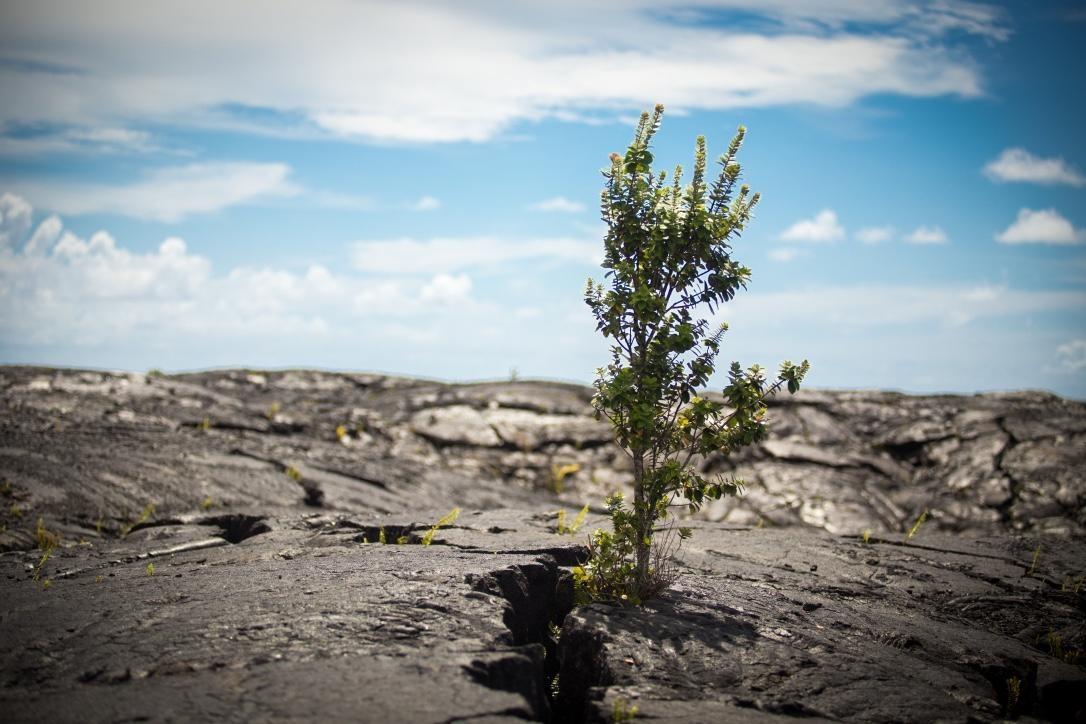 2
2Hiking
Hilo is a lush, rain-kissed entry point to some of Hawaiʻi Island's most varied hiking: rainforest gullies threaded with waterfalls, volcanic landscapes that feel lunar, and coastal paths where ocean spray and jagged cliffs meet. Trails near Hilo range from short, family-friendly waterfall walks to moody rim hikes and rugged lava-field traverses — all within an accessible drive from town.
Explore hiking →3Water Activities
Hilo's coastlines, rivers, and rainforest-fed pools create a water playground that feels both ancient and immediate. From sheltered morning paddles beneath cloud-swept cliffs to snorkel sessions around fringing reefs and dramatic waterfall swims inland, Hilo's water activities are about texture—warm Pacific swell, volcanic rock shelves, and sudden tropical rain that refreshes the rivers. This guide focuses on water-based ways to experience Hilo's islands: what the terrain demands, how to time your trip, and the practical choices that shape a safe, respectful, and memorable day on the water.
Explore water activities →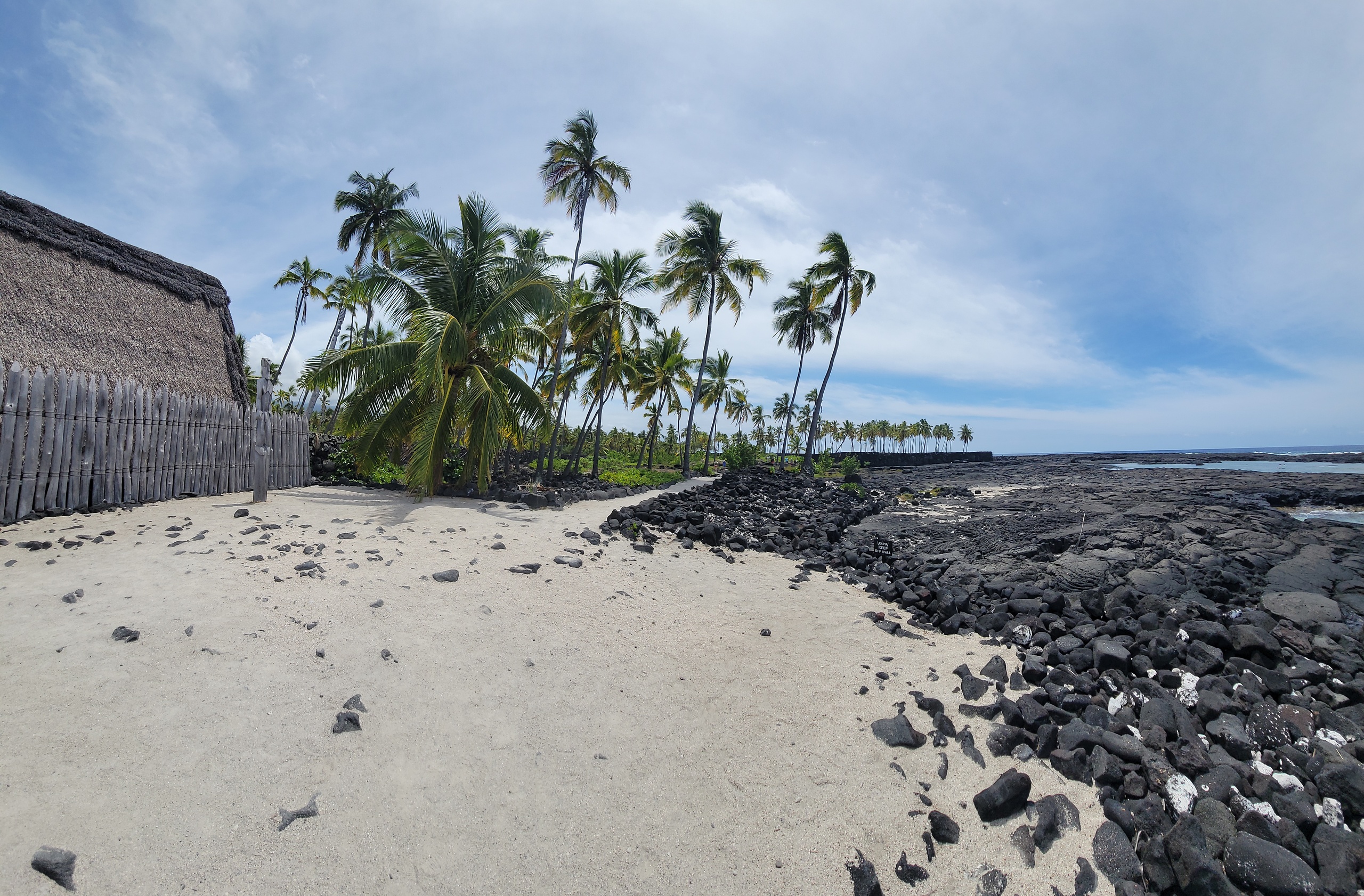 4
4Eco Tour
Hilo’s wet, green side of Hawaiʻi Island is an eco‑tourist’s laboratory: steaming rainforests, braided rivers, black‑sand beaches, and a living conversation between volcanic fire and persistent moisture. The top eco tours here pair intimate natural interpretation with cultural stewardship—guided forest walks that teach ʻōhiʻa ecology, shoreline tours that explain reef dynamics, and community‑led visits to loʻi kalo (taro terraces). These are not sight‑seeing checklists; they’re curated experiences for travelers who want to understand place, responsibility, and the delicate systems that keep Hilo lush.
Explore eco tour →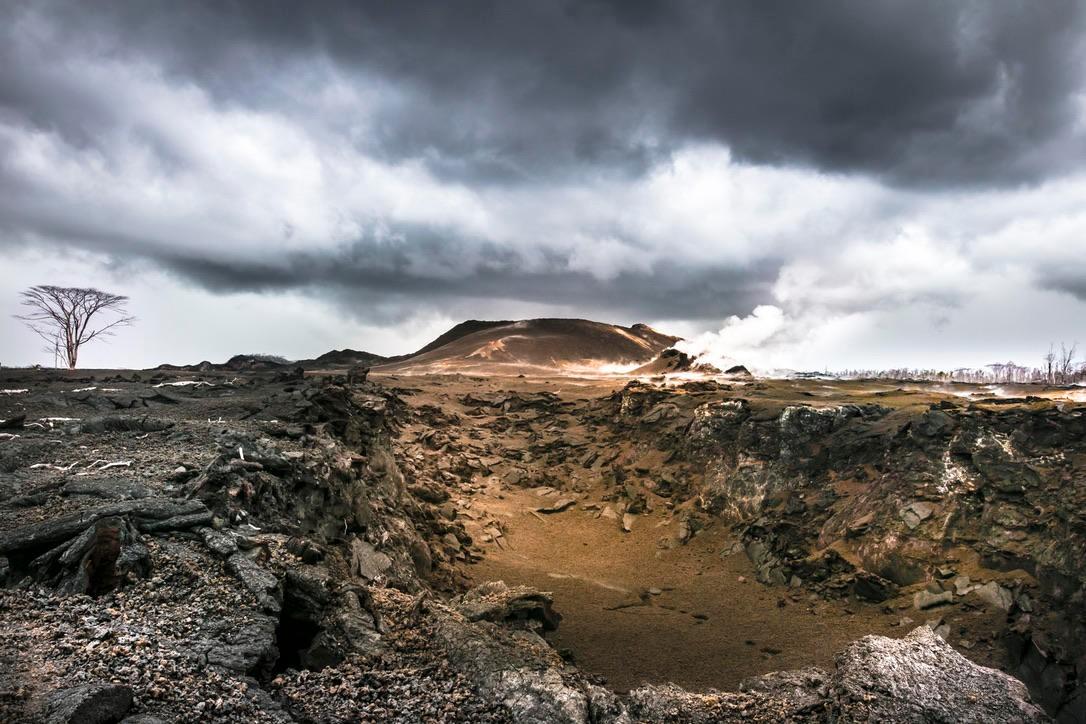 5
5Photography Tour
Hilo is a photographer’s wet dream: a compact coastal town that opens onto thundering waterfalls, steam-wreathed volcanic landscapes, and mist-draped rainforests. Photography tours here move quickly between macro-rich understory, long-exposure waterfall work, dramatic coastline at sunrise, and volcanic panoramas at dusk. Expect quick windows of pristine light between sudden showers—an unpredictable palette that rewards patience and preparedness.
Explore photography tour → 6
6Walking Tour
Hilo’s walking tours compress island life into walkable slices—historic storefronts, taro terraces, banyan-lined streets, and coastal vistas stitched to the sound of surf. These tours favor close observation: local markets, living culture, and the slow, wet temper of an eastern Hawaiian town that rewards patience and curiosity.
Explore walking tour → 7
7Boat Tour
Hilo’s boat tours are an ocean-first way to read the island’s story: a braided narrative of lava and tide, rainforest runoff and deep-sea topography, where low clouds lift to reveal towering sea cliffs and spinner dolphins cut the morning glass. From sheltered bay cruises to full-day trips that skirt the windward lava-scarred coastline and drop into coral gardens, Hilo is both a launch point for nature watching and a gateway to cultural maritime experiences rooted in local knowledge.
Explore boat tour → 8
8City Tour
Hilo’s city tours are an invitation to move slowly—through drizzle-scented streets, under banyan canopies, and along an oceanfront that still remembers old wharves. These tours bridge living island culture and dramatic natural edges, pairing historic buildings, open-air markets, and lush public gardens with easy coastal promenades and volcanic viewpoints within striking reach.
Explore city tour →Scuba
Hilo's underwater world is quieter and greener than the sun-soaked resorts on the Kona coast. On the east side of Hawai‘i Island, lush valleys drain into a shoreline of black lava and sheltered bays—creating a mosaic of coral gardens, lava outcrops, and easy shore entries that reward divers with turtles, colorful reef fish, and accessible training waters. This guide focuses on scuba-specific planning, seasonal visibility, shore- vs. boat-dive choices, and practical tips for making the most of nine local dive experiences.
Explore scuba →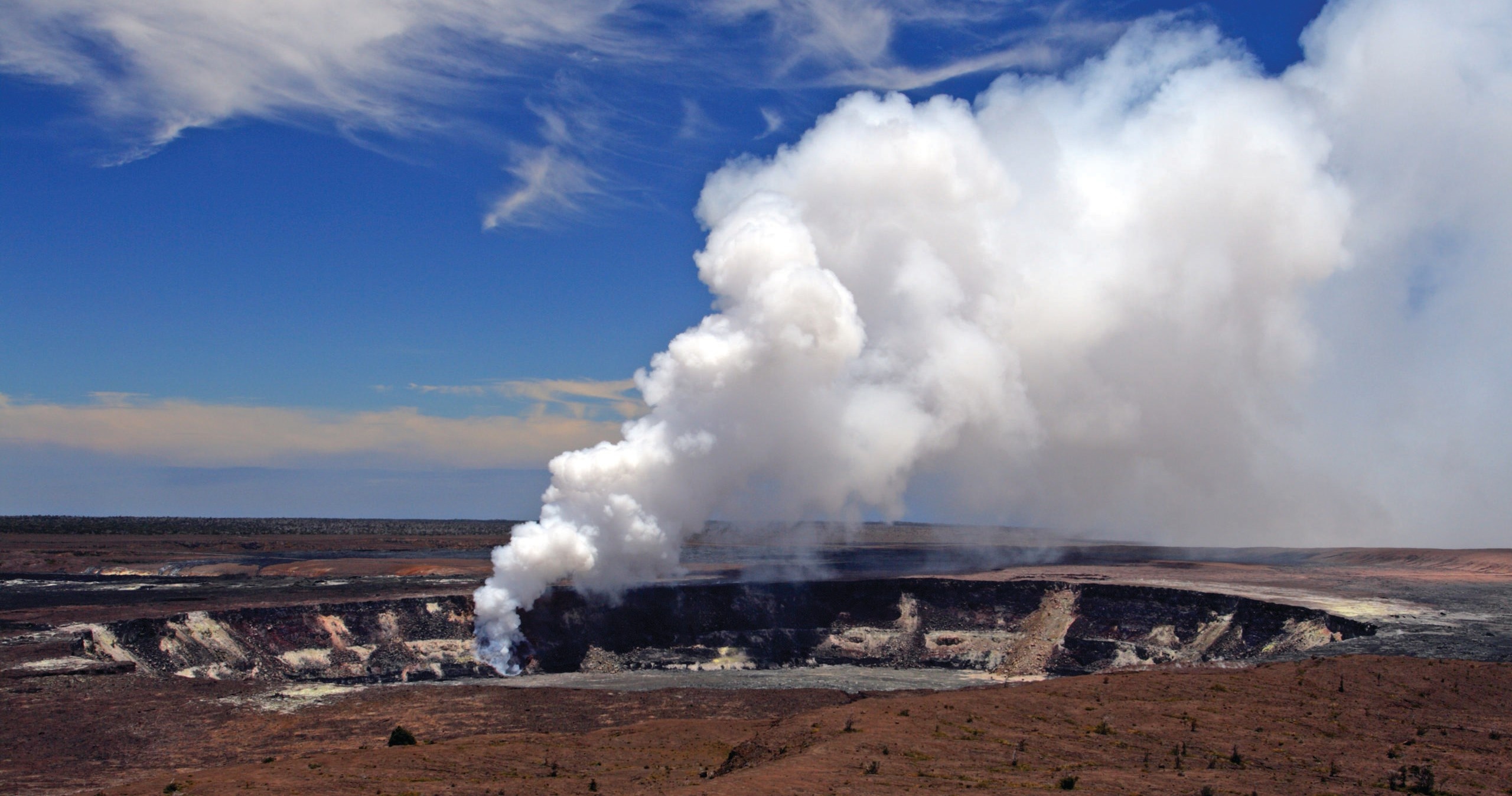 10
10Bus Tour
Hilo’s bus tours are the slow, steady way to see the wet, wild side of Hawai‘i Island—fog-draped waterfalls, rainforest roads, black-sand coves, and the raw landscapes that border Kīlauea’s realm. From nimble minibuses that thread narrow coastal routes to comfortable coaches that ferry visitors into Hawaii Volcanoes National Park, these tours distill long drives into a day of curated stops, local storytelling, and landscape windows wide enough to feel like a moving lookout.
Explore bus tour →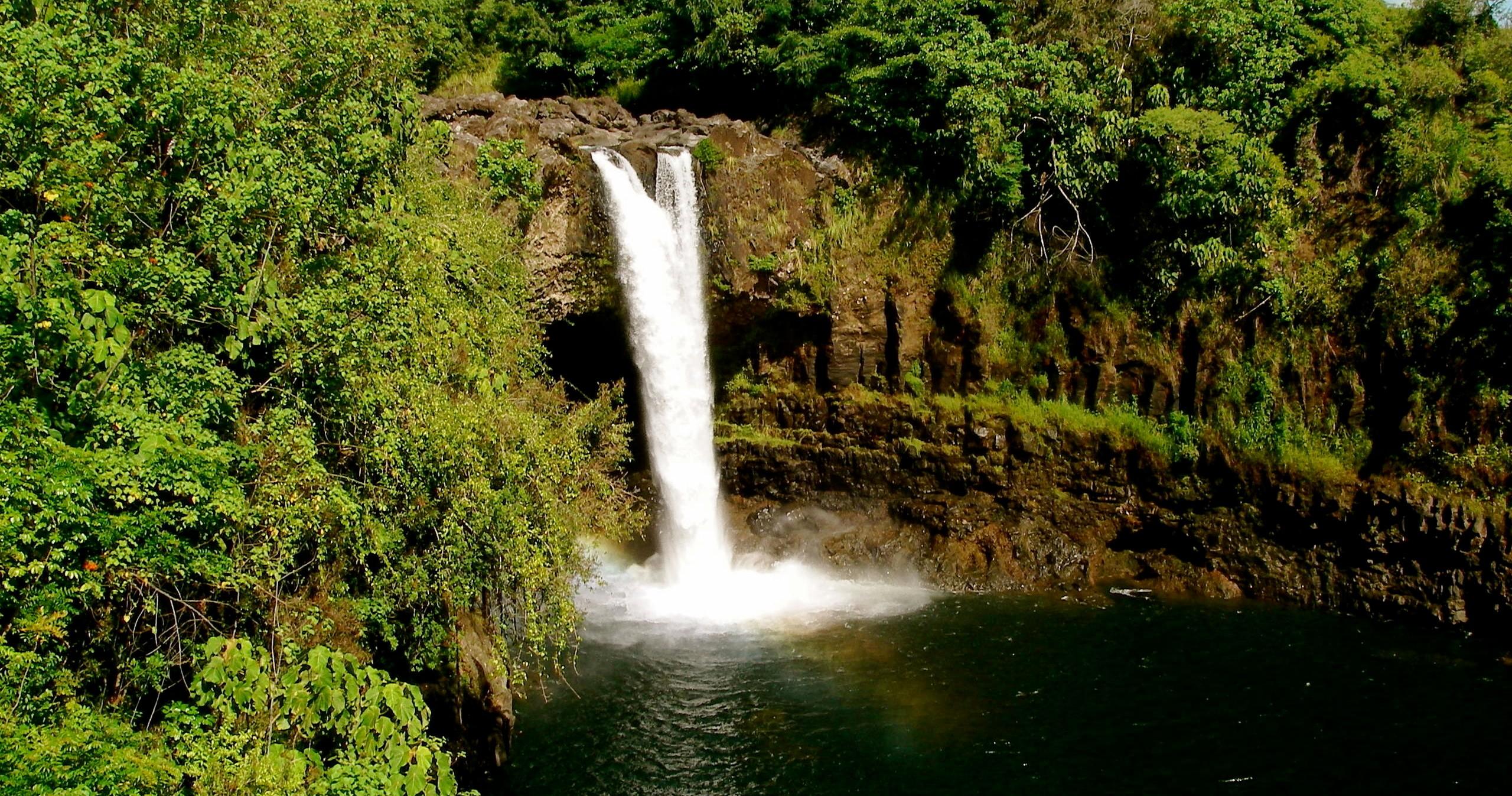 11
11Zipline
Hilo's ziplines thread through a landscape that looks as if the island stitched the sky to the forest—moss-slick trees, plunging streams, and wide jungle valleys punctuated by waterfalls. Short, adrenaline-packed lines sit beside longer, swooping flights that let you hover above emerald canopies and historic taro terraces. Expect humid air, sudden showers, and views that reward the brief, buoyant suspension of a canopy tour. This guide breaks down what to expect, how to plan for Hilo's weather and terrain, and how to combine a zipline day with nearby hikes, botanical gardens, and waterfall swims.
Explore zipline →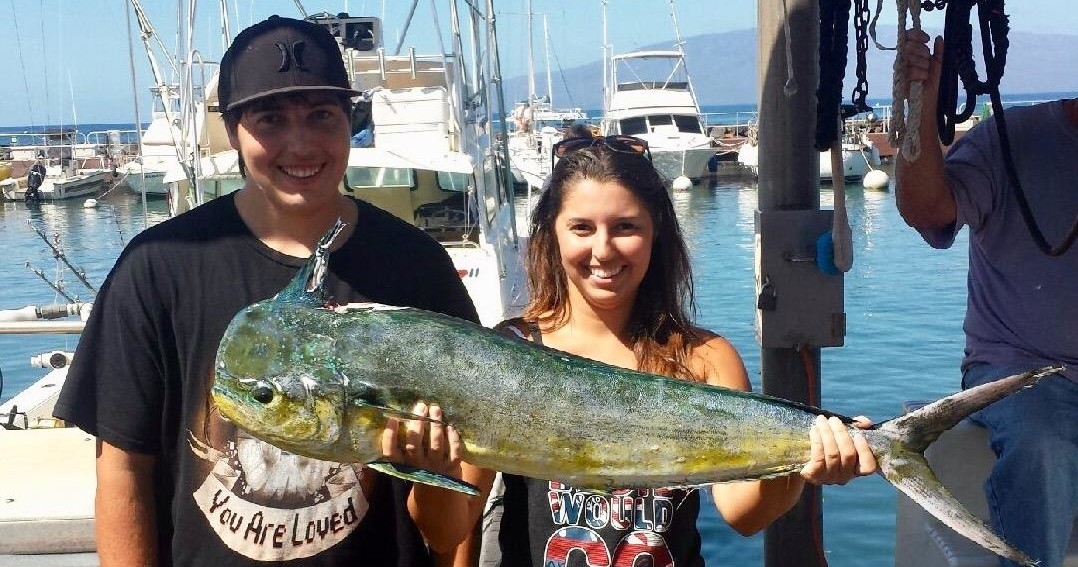 12
12Fishing
Hilo is where rainforest meets reef and anglers trade carved-oak ukulele songs for the call of the ocean. From reef and shore fishing in basalt coves to half- and full-day charters that hunt mahi-mahi and ahi on offshore thermal edges, Hilo offers a compact, varied fishing scene framed by constant, dramatic weather and deep Hawaiian cultural ties to the sea.
Explore fishing → 13
13Kayak
Sheltered bays, sudden trade-wind pushes, black-lava shorelines, and drops of rain that can arrive in minutes: Hilo’s kayak scene is intimate, humid, and refreshingly real. Paddling here pairs ocean literacy with a lush, rain-fed coastal landscape—ideal for calm sheltered-bay excursions, estuary floats, and short ocean crossings to reefs and rock outcrops. This guide focuses on the practicalities of kayaking in Hilo—the launch points, seasonal rhythms, local hazards, and how to pair your day on the water with snorkeling, coastal hikes, and waterfall visits inland.
Explore kayak → 14
14Snorkel
Hilo’s shoreline stitches together black-sand coves, sheltered tide pools, and jagged lava outcrops that give way to surprisingly rich nearshore reefs. Unlike the wind-swept west side, Hilo’s sheltered pockets and lava-formed benches create accessible snorkeling for careful visitors: morning glass-off conditions reveal turtles, reef fish, and pockets of living coral between dramatic volcanic rock. This guide focuses on the snorkeling experience here—how to read the water, where to find sheltered entries, when visibility tends to improve, and how to layer snorkeling with waterfalls, tide-pool exploration, and cultural stops in and around Hilo.
Explore snorkel → 15
15Air Activities
Hilo’s airspace is a mix of emerald cliffs, misted waterfalls, volcanic calderas, and a coastline that folds into the Pacific. From small-plane scenic circuits to helicopter flights that look directly into volcanic valleys, air activities here turn the island’s scale into an immediate, visceral experience—if the weather cooperates. This guide focuses on planning, safety, and what to expect when you choose to see the Big Island from above.
Explore air activities →The city and the sea
Why Hilo Deserves a Spot on Your Island Itinerary
Variety without surrendering the day to long transfers.
Hilo feels like the island’s slow-breathing counterpoint to Kona’s sunbaked glare. Rain here is part of the rhythm—not a spoiler—feeding waterfalls that thunder in basalt-lined amphitheaters and cloaking trails in emerald moss. From a practical traveler’s perspective, Hilo is compact and walkable: the waterfront and farmers’ market sit down-valley from long green slopes that lead up toward cloud forest and the raw, recent edges of volcanic flows. That accessibility lets you stack experiences—early-morning hiking to a rainforest overlook, a midday boat tour off Hilo Bay to hunt for spinner dolphins or coastal birds, and an evening photography tour that chases Hawaiian light across tidal pools and iron-stained cliff edges. Culturally, Hilo is confident without being flashy. Local markets and family-run cafés anchor the downtown so that long days outdoors fold naturally into conversations about place, food, and stewardship. Eco tours and guided snorkeling or scuba trips emphasize mālama ʻāina (care for the land) and reef etiquette: critical context for anyone who wants to enjoy the water responsibly. For the outdoorsperson this balance matters—Hilo is both a springboard for adrenaline (zipline courses, offshore fishing charters, helicopter vistas and air activities) and a classroom for quieter pursuits like birding, photography walks, and botanically focused hikes. On the logistical side, Hilo’s small scale makes it surprisingly easy to plan mixed itineraries. Outfitters supply kayak and SUP rentals for sheltered bays, certified dive operators run boat-based scuba trips to nearby reefs, and shuttle-accessible trailheads link to longer routes inside Hawaii Volcanoes National Park. Weather-wise, aim for dry windows between April and October for clearer water and better aerial visibility; come prepared for tropical showers year-round, especially on rainforest-access hikes. Whether you’re a day-tripper chasing waterfalls or a multi-day explorer mapping lava flows and coastal reefs, Hilo rewards curiosity—and teaches the virtue of slowing down under a canopy of palms.
Pack your days by pairing short, high-impact outings (Rainbow Falls, a photography-focused walking tour of downtown, or an afternoon snorkel) with longer, moodier adventures (a guided hike into rainforest gorges or a sunrise shuttle to Hawaii Volcanoes National Park).
Local outfitters make multi-activity days easy: combine a morning kayak or boat tour with an afternoon eco tour or city tour, and finish with a sunset stroll through Liliʻuokalani Gardens.
Respect seasonal conditions: Hilo’s rain keeps trails vivid but slick. After heavy rains, choose hardened paths or guided routes and check marine conditions before heading out to sea.
Conditions shape the day
The best time to visit Hilo.
Hilo is warm and humid year-round with frequent, often brief, rain showers. April–October typically offers clearer seas and better aerial visibility; winter months bring more consistent trade-wind-driven rains and larger surf on some exposures.
Best all-around window
Spring + fall
Comfortable mixed-itinerary weather, thinner crowds at beaches and lookouts, and more room to improvise.
Beach season
Late spring through early fall for clearer diving and aerial tours; school holidays increase local visitation—book popular guided outings in advance.
Surf + whales
Winter weekdays see thinner crowds and lower prices; waterfalls are fuller, and whale-watching (from boats and some coastal vantage points) peaks in mid-winter.
Coast to inland
Cool marine mornings often give way to warmer inland afternoons and breezy evenings.
Beginner
Short, well-marked walks, sheltered kayak or boat tours, and easy coastal snorkeling in calm coves.
- Walking tour of Hilo’s downtown and farmers’ market
- Half-day boat tour in Hilo Bay for dolphin and seabird spotting
- Guided beginner snorkel in a protected bay
Intermediate
Longer hikes with moderate elevation change, guided scuba or extended kayak days, and photography-focused tours that require stamina and fieldcraft.
- Day hike to rainforest overlooks and waterfall circuits
- Guided afternoon kayak to coastal sea caves and tide pools
- Local eco tour combining botany and cultural history
Advanced
Multi-mile volcanic traverses, open-ocean excursions, technical scuba, and aerial or zipline experiences that require pre-booked guides and specialized skills.
- Full-day route inside Hawaii Volcanoes National Park with rugged terrain
- Offshore deep-water fishing charters or advanced scuba boat dives
- Zipline canopy runs and helicopter air activities that require reservations
Field kit
What to bring.
Pack for sun, salt water, walking, and a meaningful temperature swing between coast and inland Hilo.
Essential
Start here
- Light waterproof shell and quick-dry layers for tropical showers
- Sturdy trail shoes with good grip for wet roots and lava rock
- Water bottle and reef-safe sunscreen (min SPF 30)
- Small dry bag for electronics during boat, kayak, and beach outings
- Copies of permits or park pass for Hawaii Volcanoes National Park if visiting
Water days
Keep it dry
- Lightweight rain pants or convertible hiking pants
- Wide-brim hat and sunglasses for sun breaks between showers
- Insect repellent for lower-elevation rainforest hikes
- Waterproof phone case and camera protection for photography tours
Long days
Stay flexible
- Light-weight trekking poles for slippery or uneven volcanic trails
- Binoculars for coastal birding or whale-watching season
- Compact snorkeling kit if you prefer your own mask and snorkel
Insider note
Start early, then keep the geography tight.
Start early—mornings offer calmer water and clearer light for photography and aerial tours. After rain, favor hardened trails and guided routes to avoid slipping on wet lava or trampling sensitive vegetation. If you plan to scuba or snorkel, opt for operators who emphasize reef stewardship and carry proper safety gear. For cultural context, visit the farmer’s market and look for interpretive eco tours that highlight Hawaiian practices and place-based conservation. Finally, give yourself extra travel time: Hilo’s roads are scenic but can be slower in wet weather.
Good to know
Frequently asked questions.
Can I do most activities without a guide?
Yes for many city tours, short hikes, and beach snorkeling in protected coves. Choose a guide for scuba, river or open-ocean kayaking, technical volcanic terrain, and for off-trail rainforest access—guides add safety and local context.
Are waterfall areas safe for swimming?
Not always. Many waterfall pools have strong currents, underwater hazards, or flash-flood risk after rain. Use designated swimming spots and heed local signage; ask a guide or ranger if you’re unsure.
How do I visit Hawaii Volcanoes National Park from Hilo?
Several trailheads and park access points are within a 30–60 minute drive from Hilo. Plan for variable conditions—check the National Park Service site for alerts, road closures, and recommended routes before you go.
Ready when you are
Find the trip that fits your Hilo day.
Compare bookable experiences across the coast, city, and mountains—then save the ones that belong in your plan.
Explore all Hilo adventures ↗