2

Best Bus Tours in Hilo, Hawaii

Hilo, Hawaii

Hilo’s bus tours are the slow, steady way to see the wet, wild side of Hawai‘i Island—fog-draped waterfalls, rainforest roads, black-sand coves, and the raw landscapes that border Kīlauea’s realm. From nimble minibuses that thread narrow coastal routes to comfortable coaches that ferry visitors into Hawaii Volcanoes National Park, these tours distill long drives into a day of curated stops, local storytelling, and landscape windows wide enough to feel like a moving lookout.

8
Activities
Year-round
Best Months

Top Bus Tour Trips in Hilo

8 trips • Book with confidence • Instant confirmation

Why Hilo Is a Standout Bus Tour Destination

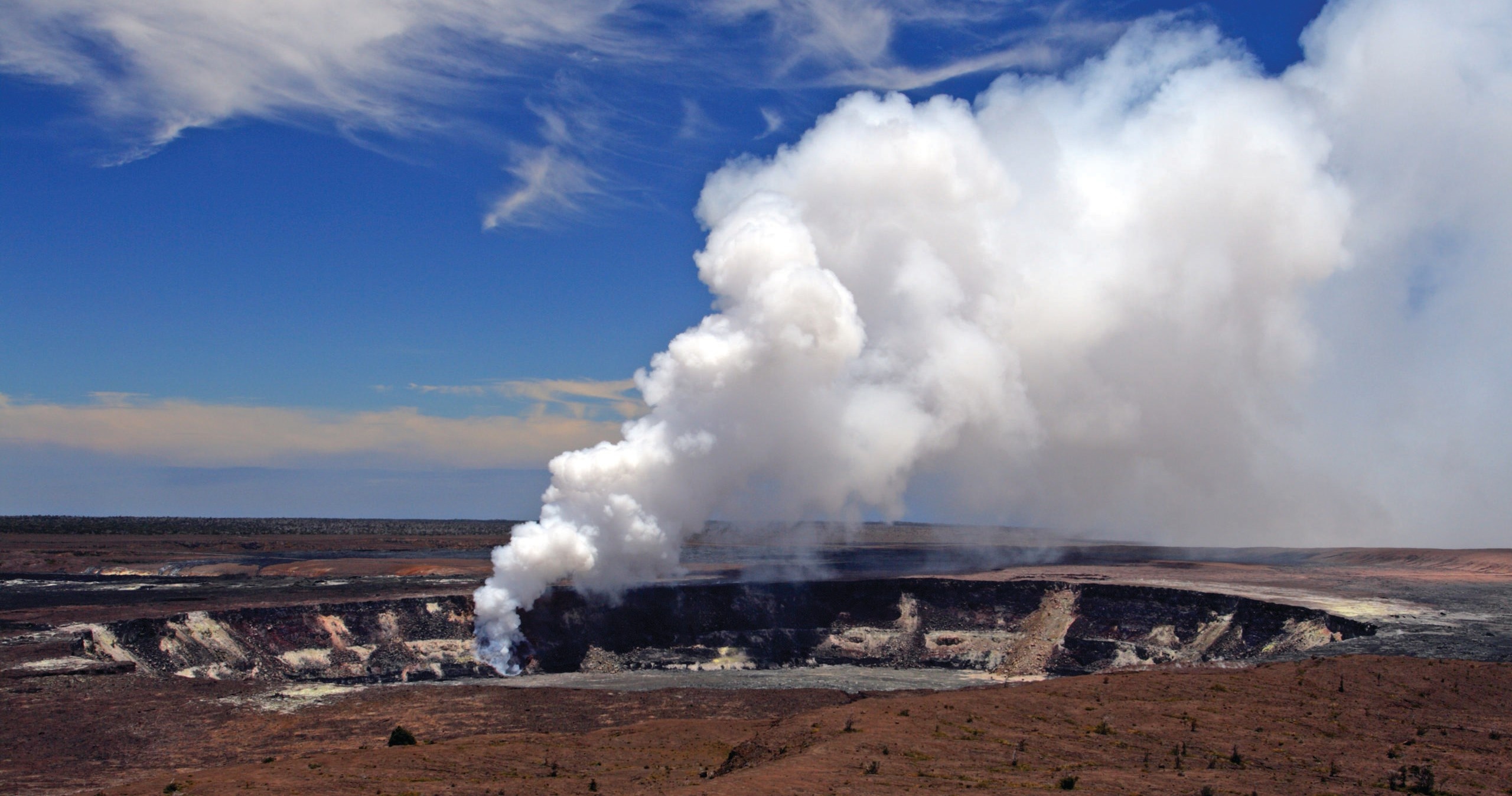
There’s a particular rhythm to travel in Hilo: low clouds lift, the scent of wet ʻohiʻa and ferns rises, and the coastline reveals itself in stages. Bus tours in Hilo are designed around that rhythm—measured, story-driven, and attentive to the weathered details of a landscape shaped by both rain and fire. Unlike high-speed excursions that skim coasts, Hilo’s tours slow the map to human scale. Drivers double as local interpreters, stopping at roadside vistas, pointing out native plant pockets, and outlining the geology that links lava flows to the seaside reefs beyond. The payoff is not just a checklist of attractions; it’s a layered sense of place. On a typical day you might begin with a seaside loop around Hilo Bay—where banyans and old sugar-town streets meet the Pacific—then climb into older, rain-soaked valleys to witness waterfalls dropping in multiple tiers. From there the route often swings toward Hawaii Volcanoes National Park, where the terrain is stripped down and elemental: hardened lava fields, steam vents, and stark roadside pullouts that make visible the island’s creation story.

Practical planning is baked into the experience. Bus tours range from two-hour coastal shuttles to full-day expeditions that include park admission, guided walks, and longer stops at scenic gardens and waterfalls. That variety means travelers can pick an outing that matches mobility needs, attention span, and curiosity—choose a short scenic loop if you want a gentle orientation to Hilo, or opt for a longer park-focused tour if the idea of walking across old lava and peering into crater rims excites you. Weather and terrain demand modest flexibility: Hilo is one of the wettest towns in the state, and rain can rework an itinerary (extra waterfall viewing or more time under shelter is often the trade). The best bus tours are those that use that weather as a feature—a rainforest mist becomes a visual effect, not an inconvenience—and provide comfortable, accessible windows from which to watch the island repaint itself.

Culturally, bus tours are an excellent introduction. Along the way, expect to hear about plantation history and native Hawaiian cultural sites, and to stop at markets where local growers sell tropical fruit and poi. The combination of narrative, curated stops, and the simple luxury of being driven through alternating microclimates—coastal flats, fern-filled gulches, summit-edge scrub—makes the Hilo bus-tour model especially welcoming for families, older travelers, and anyone who wants landscape immersion without the logistics of self-driving on unfamiliar roads. For adventurous travelers, bus tours also serve as connectors: they bring you to trailheads for short hikes, to snorkel-launch sites, and to meeting points for longer excursions like whale-watching or summit stargazing, turning a single carriage route into the spine of a larger island itinerary.

Tours scale to interests: short coastal loops, waterfall-focused half-days, and full-day volcano park circuits with guided walks.

Local drivers and guides provide geology, ecology, and cultural context—especially helpful in a place where weather reshapes the day.

Hilo’s wet climate means frequent waterfalls and lush scenery but requires flexible timing; a drizzle can become the highlight rather than a setback.

Activity focus: Guided sightseeing and access shuttle service
Total matching bus tours: 8 (various durations and group sizes)
Access to Hawaii Volcanoes National Park via day tours is common
Weather impacts timing—expect rain showers year-round
Many tours include short, accessible walks rather than long hikes

Best Time to Visit

Best Months

AprilMaySeptemberOctober

Weather Notes

Hilo is rainy year-round, fed by easterly trade winds that dump moisture on the windward side. The months above tend to be marginally drier and offer clearer windows for coastal and summit views. Expect short, heavy showers that pass quickly and can enhance waterfall flows and rainforest colors.

Peak Season

Winter holiday season (December–January) draws more visitors and can make popular tours busier; spring shoulder months are often quieter.

Off-Season Opportunities

Wettest months bring dramatic waterfalls and fewer crowds; off-season mornings can be especially peaceful for sunrise coastal loops.

Frequently Asked Questions

Do bus tours include entrance to Hawaii Volcanoes National Park?

Some full-day tours include park admission or cover the cost in the tour price, while others expect you to pay the park fee separately. Confirm inclusion when booking.

Are bus tours wheelchair accessible?

Accessibility varies. Larger coaches often have mobility-accessible options or can accommodate folding wheelchairs, but many minibuses and certain trail stops are less accessible. Check the provider’s accessibility policy before booking.

How much walking is involved on typical Hilo bus tours?

Most Hilo bus tours include short, easy walks—boardwalks at gardens, short paved paths to overlooks, or flat lava-side strolls. More adventurous tours may include uneven terrain or up to a few miles of walking; providers usually note difficulty levels.

Choose Your Experience Level

Beginner

Short, comfortable coach rides with multiple scenic stops and minimal walking; ideal for families, older travelers, and first-time visitors.

  • Hilo bay and waterfall coastal loop
  • Half-day garden and market tour
  • Cultural highlights shuttle with short guided walks

Intermediate

Half- to full-day tours combining longer drives, brief hikes, and visits to Hawaii Volcanoes National Park or multiple waterfalls.

  • Full-day volcano park circuit with guided crater overlook walk
  • Waterfall and rainforest route with short trail stops
  • Combination boat-and-bus coastal ecology tour

Advanced

Tours that push farther geographically or include more active components—extended guided lava walks, multi-site photography days, or mixed-activity transfers to hiking or snorkeling launches.

  • Extended lava-field exploration with interpretive walks
  • Photo-focused day trip timing golden light at coastal and volcanic features
  • Charter-style bus transfer linking Hilo with remote trailheads or stargazing departures

Insider Tips & Local Knowledge

Confirm pickup locations and exact stop lists before your tour—Hilo’s weather and road events can change plans, and reputable operators update guests promptly.

Book early for holidays and weekends, especially if you want a particular departure time. Morning tours often catch clearer coastal light and cooler temperatures; afternoons sometimes swap in extra waterfall time after daytime showers. If you’re sensitive to motion, request a seat near the front; the best views often come from the right-hand side heading south, and from the left heading north. Bring small cash for roadside vendors—fresh fruit and banana bread at local markets are common stops. For photographers: low clouds and mist reward early departures, but plan for rapidly changing light. If your goal is volcano viewing, ask whether the tour includes access after sunset or a return stargazing option—visibility can vary with vog (volcanic haze) and wind direction. Finally, treat driver-guides as local repositories: they’ll point out lesser-known pullouts, cultural landmarks, and the practicalities of island life that don’t fit on a brochure.

What to Bring

Essential

  • Light rain shell or packable waterproof jacket
  • Comfortable shoes for short walks and uneven pullouts
  • Reusable water bottle (most tours have refilling options)
  • Small daypack for layers and camera
  • Motion-sickness remedy if you’re prone to car sickness

Recommended

  • Wide-brim hat and sunscreen for exposed stops
  • Binoculars for seabird and whale watching seasons
  • Portable seat cushion for longer coach rides
  • Cash for local food vendors, markets, and tips

Optional

  • Compact umbrella for wet photo stops
  • Light tripod or stabilizer for low-light lava and waterfall shots
  • Small pair of trekking poles if your tour includes a guided lava walk

Ready for Your Bus Tour Adventure?

Browse 8 verified trips in Hilo with instant booking

Explore Top 15 Hilo, Hawaii Adventures →