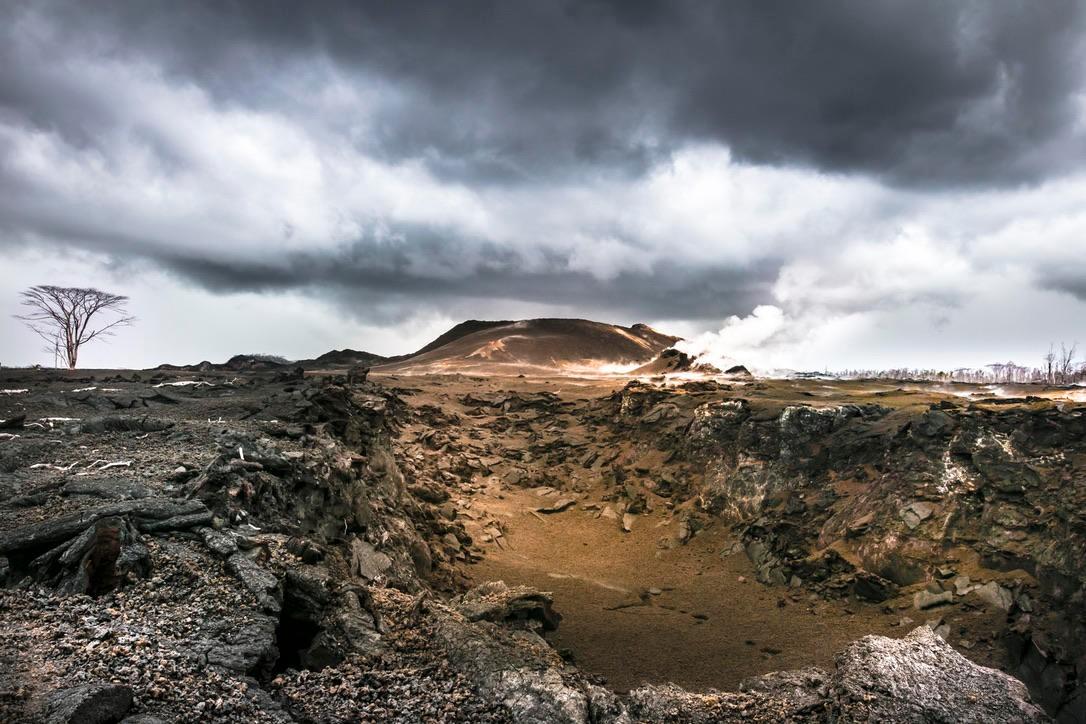
Top Photography Tours in Hilo, Hawaii
Hilo is a photographer’s wet dream: a compact coastal town that opens onto thundering waterfalls, steam-wreathed volcanic landscapes, and mist-draped rainforests. Photography tours here move quickly between macro-rich understory, long-exposure waterfall work, dramatic coastline at sunrise, and volcanic panoramas at dusk. Expect quick windows of pristine light between sudden showers—an unpredictable palette that rewards patience and preparedness.
Top Photography Tour Trips in Hilo
14 trips • Book with confidence • Instant confirmation
Why Hilo Is Essential for Photography Tours
Hilo compresses an astonishing range of photographic subjects into a small radius: seething volcanic terrain to the west, a spray-splashed coastline to the east, and pocket rainforests and waterfalls threaded between. For photographers—amateur to pro—this variety means you can shoot a black-sand sunrise, a long-exposure waterfall in the morning, spend an afternoon on lava flows or in fern-fringed gulches, and then chase stormlight over the bay at sunset. The island’s moisture and topography create light that shifts from soft, veiled portraits to high-contrast, dramatic skies within hours. That volatility is the creative prompt: compositions rely as much on weather-readiness as on framing.
Beyond scenery, Hilo’s cultural texture enhances photographic storytelling. Local markets, churches, and street scenes are intimate and accessible, allowing for respectful portraiture and environmental studies alongside landscapes. Guides based in Hilo know the microclimates—where the morning fog will lift, which waterfalls hold the best flow after trade-wind squalls, and where lava steam vents produce the most evocative backlighting. Photography tours here are often hybrid experiences: technical instruction (tripod technique, filter choices, focus stacking) married to location logistics (timing the golden hour at a remote overlook, securing safe vantage points on slick volcanic rock).
Practically, Hilo rewards low-gear approaches and modular planning. Short drives yield disproportionate variety; a single half-day tour can deliver three distinct lighting scenarios. Seasonally, the wet side climate guarantees waterfalls and rainforest detail year-round, but it also demands redundancy—waterproof protection, extra batteries, and rapid-dry packing. For photographers who relish mood, texture, and contrasts—steaming vents, dripping moss, and saturated coastal skies—Hilo is not just convenient, it’s generative.
Tours range from short, focused shoots (black‑sand sunrise, waterfall long exposures) to full-day combos that include Volcanoes National Park and off‑the‑beaten‑path viewing platforms.
Local guides can open access to safer vantage points on lava flows, arrange permissions for private cultural shoots, and advise on drone regulations and park restrictions.
Hilo’s microclimate produces rich, changeable light—plan flexibility into your itinerary and expect to carve windows of opportunity from sudden weather breaks.
Best Time to Visit
Best Months
Weather Notes
Hilo sits on the island’s wet side; showers are frequent and often brief. Morning mist and post‑rain clarity create excellent contrast for waterfalls and forest macro. Trade‑wind squalls can clear quickly—build flexibility into shooting schedules and plan for rapid gear protection.
Peak Season
Late spring to early summer offers some of the clearest windows for landscape shooting, though Hilo rarely experiences prolonged dry spells.
Off-Season Opportunities
Rainy periods deliver the fullest waterfalls, richer moss and fungal detail, and fewer tourists—ideal for moody, textural images.
Frequently Asked Questions
Do I need permits to shoot in Hawai‘i Volcanoes National Park or other sites?
Daytime still photography for personal use typically requires only park entrance fees; commercial shoots, drone use, or staging may require permits. Check park and local county regulations and confirm with your tour operator.
Are photography tours suitable for beginners?
Yes. Many operators offer tours with instruction on composition, tripod technique, and camera settings. Beginners can capture excellent images with basic gear if they follow light and weather cues.
When is the best time of day for landscape and waterfall photography in Hilo?
Golden hours—shortly after sunrise and before sunset—produce the most pleasing light for coastlines and volcano rims. Waterfalls often photograph best mid‑morning to mid‑afternoon when contrast and stream detail are balanced, but overcast skies are ideal for long exposures without blown highlights.
Choose Your Experience Level
Beginner
Short, guided shoots that focus on accessible subjects—townscapes, roadside waterfalls, and beach sunrises. Emphasis on basic composition and camera handling.
- Black‑sand beach sunrise shoot
- Easy waterfall viewpoint session
- Hilo downtown market street portraits
Intermediate
Half‑day to full‑day tours with moderate walking, instruction in filters and long exposures, and visits to multiple microclimates (coast, rainforest, falls).
- Long‑exposure waterfall and rainforest macro session
- Sunrise to mid‑day coastal and tide‑pool photography
- Volcano rim landscape shoot at golden hour
Advanced
Technical shoots that require navigation over uneven volcanic terrain, night‑sky and lava steam work, drone operation (where permitted), and advanced post‑processing guidance.
- Astrophotography and Milky Way composites near Volcanoes National Park
- Remote lava field vantage points and steam‑vent compositions
- Multi‑stop day combining macro, landscape, and cultural portraiture
Insider Tips & Local Knowledge
Respect private property, cultural sites, and fragile ecosystems; check weather and access before you go.
Work with a local guide for access to lesser‑known vantage points and cultural context. Always protect gear from sudden rain—ziplock bags and breathable dry sacks are lifesavers in Hilo’s humidity. For waterfall long exposures, use a solid tripod and an ND filter; overcast conditions are often preferable. If you plan portraits, ask for permission before photographing people or private land. When shooting near lava flows or cliffs, maintain distance and follow ranger guidance—conditions change rapidly. Finally, back up images nightly and rotate batteries: humidity and frequent shooting cycles deplete power faster than on dry trips.
What to Bring
Essential
- Camera body and primary lenses (wide: 14–35mm; mid: 24–70mm; tele: 70–200mm) — choose according to your focus
- Sturdy tripod (compact if hiking to remote viewpoints)
- Neutral density and polarizing filters for long exposures and saturated skies
- Weather protection: rain cover for camera, dry bags, and quick‑dry clothing
- Multiple batteries and extra memory cards (humidity drains power faster)
Recommended
- Lens cloths and sensor‑safe blower for persistent mist and spray
- Remote shutter or intervalometer for long exposures and time‑lapse
- Lightweight teleconverter or macro lens for insect and flora close‑ups
- Compact waterproof footwear with good grip for slippery rocks and trails
Optional
- Drone (confirm permits and no‑fly zones beforehand)
- Portable LED panel for subtle fill on portrait shoots
- Portable hard drive or phone backup to offload images mid‑trip
- Guidebook or app with tide charts if shooting shorelines and sea caves
Ready for Your Photography Tour Adventure?
Browse 14 verified trips in Hilo with instant booking
Explore Top 15 Hilo, Hawaii Adventures →