1

Top Fishing Adventures in Hilo, Hawaii

Hilo, Hawaii

Hilo is where rainforest meets reef and anglers trade carved-oak ukulele songs for the call of the ocean. From reef and shore fishing in basalt coves to half- and full-day charters that hunt mahi-mahi and ahi on offshore thermal edges, Hilo offers a compact, varied fishing scene framed by constant, dramatic weather and deep Hawaiian cultural ties to the sea.

6
Activities
Year-round (pelagic peak in spring–fall)
Best Months

Top Fishing Trips in Hilo

6 trips • Book with confidence • Instant confirmation

Why Hilo Is a Singular Place to Fish

The eastern flank of Hawai‘i Island is a study in contrasts: a wet, verdant coastline that feeds coral gardens and black-lava outcrops, and offshore currents that funnel warm, nutrient-rich water along the island slope. For anglers, that means a tight matrix of environments—calm coves for reef fishing, rocky headlands for inshore sportfish, and quick access to deep water where pelagics congregate along submerged ridgelines and temperature breaks.

Hilo’s character as a fishing base is less about garish sportfishing marinas and more about a lived relationship with the sea. Local knowledge is handed down in conversations on the harbor docks, where captains, kupuna (elders), and weekend cast-netters trade notes on bait, swell direction, and where the birds have been working the surface. That intimacy matters: unlike large charter ports that push miles offshore, Hilo’s geography lets small-boat operators and experienced shore anglers find productive water without a marathon run.

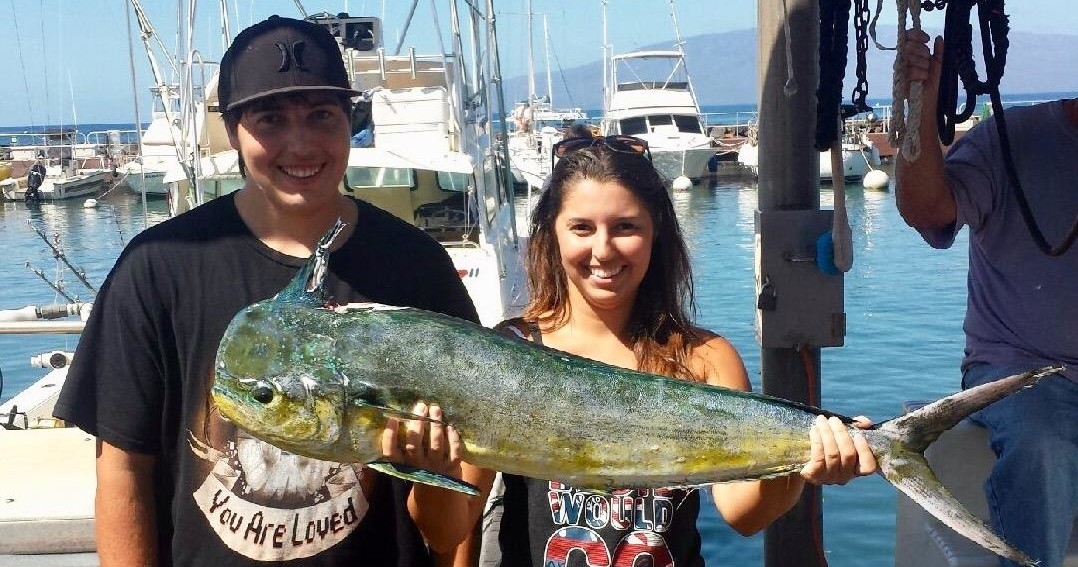
Variety is the destination’s strength. On any given day an angler can flip between reef casting for grupes and ulua in rocky shallows, bait up for papio off a breakwater, or board a charter bound for mahi-mahi, ono (wahoo), and seasonal tuna. The island’s northward-flowing currents and the contrast between moonlit calm and wind-driven swells create dynamic fishing opportunities that reward local timing and adaptability.

Weather and accessibility shape how you fish here. Hilo’s frequent showers keep the reefs flushed and the shorelines fertile, but they also mean sudden changes in wind and swell. Shore anglers should choose protected coves and know tide windows; charter skippers time departures around small-wind windows to find cleaner water near offshore structure. Beyond the ocean, the island’s uplands and nearby mountain streams offer freshwater fly and spin options for trout and stocked ponds—a different environment but a welcome complement to saltwater outings.

Activity focus: Saltwater and inshore fishing, plus nearby freshwater options
Short harbor runs to productive offshore water compared with west-side ports
Hilo’s east-side weather is wetter—expect shifting wind and showers
Best species vary by season: mahi-mahi, ahi, wahoo, ulua, reef fishes
Local knowledge and tide timing significantly affect success

Best Time to Visit

Best Months

AprilMayJuneJulyAugustSeptemberOctober

Weather Notes

Hilo is on Hawai‘i’s windward side and receives regular trade-wind showers—short, intense bursts that can clear quickly. Summer and early fall often provide calmer seas and warmer offshore temperatures that concentrate pelagic fish; winter brings larger swell and sometimes rougher offshore conditions. Always check local forecasts and harbor advisories before heading out.

Peak Season

Late spring through early fall for warm-water pelagics and calmer offshore windows.

Off-Season Opportunities

Inshore reef and shore fishing continue year-round, and upland freshwater trout or stocked ponds remain options when offshore runs are rough. Winter months are better for shore-bound species and for anglers seeking quieter conditions.

Frequently Asked Questions

Do I need a fishing license in Hawaii?

Yes—Hawai‘i requires a state fishing license for most saltwater and freshwater recreational fishing. Regulations and exemptions can change; confirm current rules and carry your license while fishing.

Are there safe shore-fishing spots in Hilo for beginners?

Yes. Protected areas like some parts of Hilo Bay and the sheltered edges near Richardson Ocean Park offer gentler access. Always scout for slippery lava, check tide and swell, and avoid standing on exposed jetties during rising seas.

What's the best way to book a charter from Hilo?

Look for captains with local experience out of Hilo Harbor, ask about typical range and target species, and confirm safety gear and cancellation policies. Half-day and full-day options are common; if you prioritize specific species, book in the season when they’re most reliable.

Choose Your Experience Level

Beginner

Shore-casting, bay and breakwater fishing, and shore-based reef angling with simple gear and short walks from parking.

  • Cast from the breaks near Coconut Island (Moku Ola)
  • Light spinning off protected parts of Hilo Bay
  • Guided half-day inshore trips focusing on reef and nearshore spots

Intermediate

Boat trips to nearshore reefs, mixed-tackle sessions for larger reef fish and small pelagics, and structured day-charters requiring some sea comfort.

  • Half-day charter for mahi-mahi and small tuna on nearby thermal edges
  • Rocky-headland shore fishing for ulua and bottom species
  • Night reef sessions for bottom fish with guidance

Advanced

Offshore blue-water fishing for large pelagics, multi-day excursions, or technical surf/shore fishing on exposed coastlines requiring safety skills and specialized tackle.

  • Full-day charters targeting ahi, ono, and large mahi-mahi
  • Technical shore casting on exposed lava headlands with heavy gear
  • Multi-method trips combining trolling, live-baiting, and jigging

Local Tips & Practical Knowledge

Respect local regulations, cultural practices, and the ocean—check weather and harbor advisories before departing.

Talk to captains at Hilo Harbor for up-to-the-minute marks and seasonal advice—many productive stretches are discovered by watching seabird activity and following bait patches. When shore fishing, prioritize safety: wear grippy shoes, watch for sneaker waves on open coastlines, and fish tide windows that reduce current over sharp reef. For charters, ask about how far the boat runs and whether the captain brings ice and cleaning services. Consider pairing a fishing day with snorkeling on calmer days or a cultural visit to Farmers Market Hilo for local produce and hand-tied bait tips from island anglers.

What to Bring

Essential

  • Valid state fishing license (check current Hawai‘i requirements)
  • Sun protection: hat, polarized sunglasses, reef-safe sunscreen
  • Light rain shell or quick-dry layers for Hilo’s frequent showers
  • Sturdy reef shoes or boots for shore fishing on lava
  • Spare pliers, fillet knife, and small tackle repair kit

Recommended

  • Varied tackle: light spinning for reef/shore and heavier outfits for offshore pelagics
  • Polarized sunglasses to read water and spot birds/surface fish
  • Waterproof bag or dry box for electronics
  • Personal flotation device (PFD) if shore fishing slippery rocks
  • Small first-aid kit and motion-sickness remedies for boat trips

Optional

  • Drone for scouting (follow local rules and respect cultural sites)
  • Handheld VHF or marine radio if joining or connecting with local boats
  • Camera with quick-access waterproof housing
  • Biodegradable bait bags and labeled coolers for catches

Ready for Your Fishing Adventure?

Browse 6 verified trips in Hilo with instant booking

Explore Top 15 Hilo, Hawaii Adventures →