2

Zipline Adventures in Hilo, Hawaii — Canopy Flights Above Rainforest and Waterfalls

Hilo, Hawaii

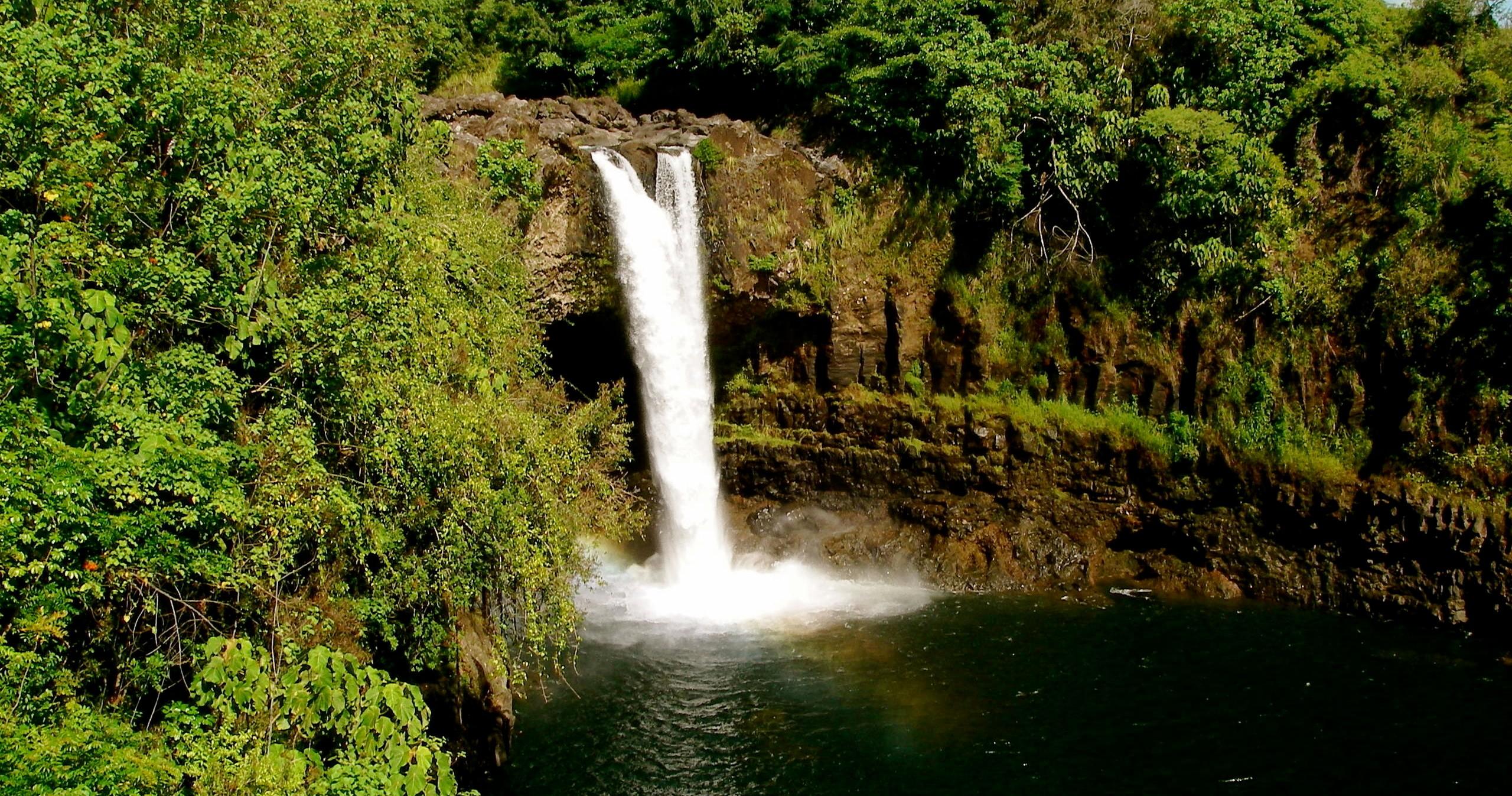
Hilo's ziplines thread through a landscape that looks as if the island stitched the sky to the forest—moss-slick trees, plunging streams, and wide jungle valleys punctuated by waterfalls. Short, adrenaline-packed lines sit beside longer, swooping flights that let you hover above emerald canopies and historic taro terraces. Expect humid air, sudden showers, and views that reward the brief, buoyant suspension of a canopy tour. This guide breaks down what to expect, how to plan for Hilo's weather and terrain, and how to combine a zipline day with nearby hikes, botanical gardens, and waterfall swims.

7
Activities
Year-round (weather-dependent)
Best Months

Top Zipline Trips in Hilo

7 trips • Book with confidence • Instant confirmation

Why Hilo Is a Standout Zipline Destination

There’s an unmistakable hush that falls when you step onto a zipline platform in Hilo: an island hush that holds the steady hiss of rain in the canopy and the faraway rumble of surf. Unlike sun-drenched, arid zipline parks, Hilo’s canopy tours are threaded through one of the wettest, greenest corners of the Hawaiian Islands. The vertical world here is dense and immediate—ferns layered on trunks, cliffs dressed in orchids and moss, and rivers that have carved deep, wet lanes below. Flying a line in Hilo feels less like a single stunt and more like an intimate passage through a living ecosystem. You cross gullies carved by flash floods, skim ridgelines where wind drafts can change your speed, and look down on pockets of riparian forest that host endemic birds and ancient taro patches.

That geography shapes the experience: ziplines here tend to emphasize scenery and variation more than sheer length or record speeds. Many Hilo operators stitch together a series of shorter to mid-length lines that alternate with suspension bridges, sky platforms, and interpretive stops where guides point out native plants, cultural sites, and the watershed dynamics that sustain local communities. Because the rainforest is active—rain one hour, sun the next—expect microclimates between the coast and upland valleys. A pre-dawn drizzle can turn into clear skies by late morning; late-afternoon squalls are common year-round. This makes scheduling and flexibility essential, and rewards travelers who plan for weather-ready clothing and a willingness to adjust timing.

For travelers, Hilo’s ziplines offer immediate practicality: they’re accessible from town with short drives, pair easily with classic island stops (think Akaka Falls, Rainbow Falls, the Hilo Farmers Market, or the Hawaii Tropical Botanical Garden), and often include short guided walks that add context to each flight. The combination of adrenaline and education—how native flora contributes to slope stability, where watershed protections are in place, or how taro loʻi fit into the landscape—gives the activity a depth beyond spectacle. For photographers and nature lovers, ziplines provide unobstructed angles into canopy layers that few other activities permit, while families and first-time flyers will find many operators offer introductory lines and dual-tandem options with guide assistance. In short, Hilo’s ziplines are defined by place: a humid, living canopy articulated by water, culture, and the geology of Hawaiʻi Island. They reward patience, curiosity, and the appropriate respect for weather and terrain.

Zipline flights in Hilo often double as environmental tours—guides interpret native plants, watershed importance, and local conservation efforts.

Short drives from Hilo town connect ziplines with waterfalls, botanical gardens, and scenic overlooks, making half-day or full-day combos simple to plan.

Operators commonly run multiple short to medium lines rather than single ultra-long flights; this creates variety and frequent photo opportunities.

Activity focus: Zipline canopy tours in a rainforest environment
Total matching adventures: 7 canopy and aerial-bridge experiences
Terrain: steep gulches, rainforest ridges, river valleys, occasional agricultural terraces
Accessibility: short drives from Hilo; some platforms require stairs or short hikes
Weather: frequent showers year-round—bring waterproof layers and plan for rescheduling if heavy rain or high winds occur

Best Time to Visit

Best Months

AprilMaySeptemberOctober

Weather Notes

Hilo receives frequent rainfall year-round; the months listed tend to have relatively fewer heavy downpours, but microclimates mean conditions can change quickly. Mornings are often calmer; afternoons bring the highest chance of showers.

Peak Season

Summer and holiday periods see higher visitor numbers and fuller tour bookings.

Off-Season Opportunities

Weekdays and shoulder-season months can offer lower group sizes and more flexible booking windows; operators may run fewer tours during extreme weather periods.

Frequently Asked Questions

Are ziplines safe for children and beginners?

Many Hilo operators run family-friendly lines and offer tandem or assisted flights for first-timers. Age and weight minimums vary—confirm with the operator. Guides provide safety briefings and equipment fitting before every flight.

What happens if it rains?

Light rain often doesn’t cancel tours; heavy rain, high winds, or lightning will. Operators have safety thresholds and may reschedule or refund depending on conditions. Bring a waterproof layer and allow flexible time in your itinerary.

Can I bring a camera on the zipline?

Policies vary. Many operators allow securely strapped small cameras or action cams but prohibit loose items. Ask ahead and follow guide instructions about mounts and hand-held use.

Choose Your Experience Level

Beginner

Introductory lines and guided tandem runs designed for first-time flyers and families. Platforms are low to moderate height with hands-on guide support.

  • Short canopy circuit with 4–6 brief lines
  • Family tandem zipline
  • Nature-interpretive canopy walk with easy platform access

Intermediate

Longer flights, higher platforms, and multi-line circuits that require basic fitness for short approach walks or stair climbs. Good for travelers seeking more airtime and stronger views.

  • Mid-length ridge-to-gully flights
  • Combo tours that add suspension bridges and interpretive hikes
  • Photography-friendly runs timed for morning light

Advanced

Higher-speed runs, multi-line circuits with significant platform elevation differences, and tours that combine more strenuous hikes or back-to-back flights for adrenaline seekers.

  • Steep descent lines with long landing approaches
  • Full-day combos pairing ziplines with remote waterfall hikes
  • Technical canopy tours with repeated platform-to-platform transitions

Insider Tips & Local Knowledge

Confirm age/weight limits, waiver requirements, and camera policies with your operator before arrival.

Book morning departures to minimize afternoon showers and to catch clearer light for photos. Plan zipline outings as half-day trips and combine them with nearby attractions—waterfalls, botanical gardens, and farmers markets are natural companions. Wear quick-dry clothing and secure all personal items; most guides will require phones and loose gear be stowed or tethered. If you’re visiting during wetter months, allow an extra day in your schedule for a reschedule window. Respect private land and cultural sites—many canopy corridors traverse or overlook areas with traditional agricultural practices. Finally, ask your guide questions: local guides are often great storytellers about the ecology and cultural history of the land, which turns a thrill ride into an informed place-based experience.

What to Bring

Essential

  • Closed-toe shoes with good traction (trail runners or hiking shoes)
  • Light, quick-dry layers and a waterproof shell
  • Insect repellent and sunscreen
  • Government-issued ID (some operators require it for waivers)
  • A small daypack secured with straps—loose items are usually prohibited on flights

Recommended

  • Gloves if you prefer extra grip (check operator policies)
  • Camera with secure strap or action camera—confirm operator rules before mounting
  • A compact towel and dry change of clothes for the drive back
  • Reusable water bottle (refillable)

Optional

  • Binoculars for birding during platform waits
  • Light gaiters during wet-season muddy approaches
  • Small snacks for energy between flights

Ready for Your Zipline Adventure?

Browse 7 verified trips in Hilo with instant booking

Explore Top 15 Hilo, Hawaii Adventures →