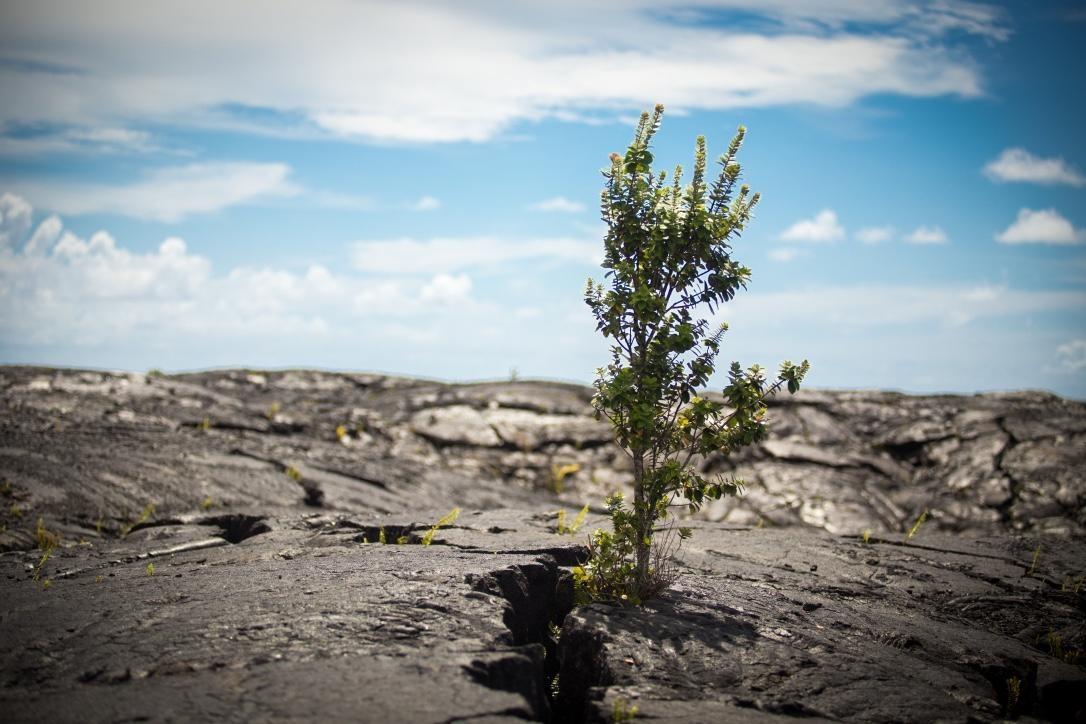
Top 25 Hiking Adventures in Hilo, Hawaii

Hilo, Hawaii

Hilo is a lush, rain-kissed entry point to some of Hawaiʻi Island's most varied hiking: rainforest gullies threaded with waterfalls, volcanic landscapes that feel lunar, and coastal paths where ocean spray and jagged cliffs meet. Trails near Hilo range from short, family-friendly waterfall walks to moody rim hikes and rugged lava-field traverses — all within an accessible drive from town.

25
Activities
Year-Round
Best Months

Top Hiking Trips in Hilo

25 trips • Book with confidence • Instant confirmation

Why Hilo Is a Standout Hiking Destination

There are places where the land announces itself quietly — a gentle ridge, a distant panorama — and then there is Hilo, which arrives with humidity, thunder, and a chorus of waterfalls. Hiking here is an encounter with a living landscape shaped by water and fire: tropical rainforest that reclaims old trails, river-carved gulches that open into emerald pools, and raw fields of pahoehoe and ʻaʻa lava where the island's volcanic heart is visible and palpable. Close to town you'll find short, perfectly composed loops under a vaulted canopy, and within an hour's drive you can stand above a crater rim or pick through recent lava to see the textures and colors that textbooks only hint at.

The experience is as much ecological as it is scenic. The Hilo side of the island is fed by the trade winds and by geography that wrings moisture from passing clouds; that weather creates dramatic variation over short distances. A dry coastal walk can lead, within a half-hour drive, to a moss-draped trail where ferns reach for ankles and every root is slick with mist. That variety rewards curiosity: birdwatchers find endemic species in the understory, photographers choreograph long-exposure waterfall shots after afternoon showers, and botanists — amateur or otherwise — can spot native ʻōhiʻa and understory flora unique to the islands. Hiking here is not about high alpine views so much as layered, intimate encounters with ecology and geology.

Cultural context also deepens each trail. Many routes trace or intersect traditional ahupuaʻa boundaries — the island land divisions that link mountain to sea — and some paths lead to old wahi pana (sacred places) and historic sites. That makes hiking in Hilo simultaneously recreational and reflective: the trails are travel corridors through time, where volcanic episodes, ancient stewardship, and modern conservation all leave fingerprints. Because of frequent rain, trail surfaces vary from smooth boardwalks to boggy dirt, and planning revolves around weather, tides (for coastal routes), and respectful access. The payoff is a type of immersion few places offer: dense, sensory, and immediate. Whether you’re after a short waterfall loop that ends with a cool plunge, a rim walk with steaming vents and sulfur-scented air, or a coastal traverse where waves thunder against black cliffs, Hilo’s hiking portfolio delivers — with stewardship and practical preparation as part of the adventure.

The compact geography is a major advantage: within a short drive from Hilo’s center you can move from sea-level coastal paths to lava-scarred expanses and into protected parklands. That accessibility makes day trips practical and varied.

Weather and microclimate drive conditions here. Trails are often at their most dramatic after rain — fuller waterfalls, misted forests, and saturated colors — but that also means slippery roots, muddy trailheads, and occasional stream crossings. Plan for changeable conditions.

Activity focus: Hiking & Trail Exploration
Trails span rainforest loops, waterfall hikes, coastal walks, and volcanic rim routes
High rainfall creates lush scenery and frequent flowing waterfalls
Access to Hawaiʻi Volcanoes National Park is a key draw for more rugged hikes
Trail conditions can change quickly due to rain and recent volcanic activity

Best Time to Visit

Best Months

AprilMayJuneSeptemberOctober

Weather Notes

Hilo has a wet, tropical climate with frequent showers year-round. Trade-wind seasons (roughly late spring through early fall) tend to bring relatively drier windows and calmer seas, while winter months can bring heavier rains and higher surf on exposed coasts. Afternoon showers are common; start hikes early to avoid soggy conditions and slippery descents.

Peak Season

Summer months and holiday periods see increased visitor numbers; trails near major attractions like Akaka Falls and park visitors centers are busiest then.

Off-Season Opportunities

Wet months produce dramatic waterfalls and fewer hikers. Expect wet trails and bring traction awareness, but reward is quieter trails and fuller cascades.

Frequently Asked Questions

Do I need permits for most hikes?

Most day hikes around Hilo and in state parks do not require permits. Certain backcountry or overnight areas—particularly within Hawaiʻi Volcanoes National Park—may have specific regulations or reservations for campsites; always check park and land-management websites for current requirements and closures before you go.

Are trails suitable for beginners?

Yes. There are many short, well-maintained waterfall loops and coastal strolls ideal for beginners and families. Choose routes with clear signage and check trail status if recent rain has made surfaces slick.

How early should I start popular hikes?

Start near sunrise to avoid afternoon showers and secure parking at popular trailheads. Early starts also offer calmer light for photography and quieter trails for wildlife viewing.

Choose Your Experience Level

Beginner

Short, low-elevation loops and paved boardwalks. Gentle grades, family-friendly, and often near parking or visitor facilities.

  • Akaka Falls short loop and viewpoint
  • Hilo Bay coastal strolls and park pathways
  • Short rainforest waterfall loops near Hāmākua

Intermediate

Half-day routes with uneven terrain, moderate elevation change, and variable surfaces — expect roots, mud, and some exposed sections.

  • Forest-to-waterfall hikes with longer approaches
  • Rim walks around smaller volcanic features
  • Extended coastal treks along rocky shorelines

Advanced

Longer day hikes or rugged volcanic traverses that require route-finding, good fitness, and preparation for changing conditions. May include long exposed sections or recent lava fields.

  • All-day craggy rim hikes in Hawaiʻi Volcanoes National Park (weather-dependent)
  • Pahoehoe and ʻaʻa lava field routes requiring careful footing
  • Remote backcountry routes that require planning and self-sufficiency

Insider Tips & Local Knowledge

Confirm trail access, park alerts, and road conditions before you go.

Expect rain and plan for wet trails: waterproof layers, quick-dry clothing, and dry sacks for electronics are essential. Use sturdy footwear — volcanic rock can be sharp and roots are slippery after showers. For coastal hikes, check tide charts and avoid cliff edges when surf is high. Respect private property and cultural sites; many trails and shoreline areas have traditional significance. Parking at popular trailheads fills early — arrive at or before sunrise on weekends. Consider hiring a local guide for unfamiliar volcanic terrain or to learn cultural and ecological context. Finally, support stewardship: pack out trash, stick to established trails, and leave natural and cultural features undisturbed.

What to Bring

Essential

  • Waterproof or quick-dry hiking layers (light rain jacket)
  • Sturdy trail shoes with good grip
  • Water (1–2 liters for day hikes) and high-energy snacks
  • Navigation: offline map or GPX-capable app
  • Sun protection (hat, reef-safe sunscreen) and insect repellent

Recommended

  • Small first-aid kit and blister care
  • Trekking poles for muddy descents and uneven root networks
  • Waterproof pack cover or dry sacks for electronics
  • Headlamp for early starts or late returns

Optional

  • Lightweight binoculars for birding
  • Compact tripod for waterfall long exposures
  • Water shoes for rocky coastal sections and stream crossings

Ready for Your Hiking Adventure?

Browse 25 verified trips in Hilo with instant booking

Explore Top 15 Hilo, Hawaii Adventures →