
Keaau adventure guide
Find your way into Keaau.
Nestled on the windward flank of the Island of Hawaiʻi, Keaau is a quieter gateway to some of the archipelago’s most elemental landscapes: molten geology, misted rainforests, and volcanic coastline. This guide stitches together the best ways to experience the area’s top pursuits—sightseeing, hiking, water activities, eco tours, and photography outings—while giving you the practical intel to plan days that move from black-sand shorelines to steam vents and crater rim overlooks without wasting time.
Three ways into the city
Pick a landscape. Build a day around it.
Keaau is less a single destination than a collection of neighboring worlds. Start with the version of the city that matches your pace, then use the ranked guide below to fill in the details.

Begin where the city meets the sea.
Surf breaks, sheltered harbors, whale routes, and long beach paths make the coast LA’s most immediate outdoor playground.
Explore water activities →
Let a local connect the landmarks.
Use a guided city, walking, or sightseeing tour to turn LA’s sprawl into a coherent story.
Explore sightseeing tour →Ride the coast and the city.
Beach paths, river corridors, e-bikes, and ridge climbs reveal a more connected Los Angeles.
Explore water activities →Choose your way into Keaau
The top 15 Keaau adventures.
Ranked by the number of currently listed trips. Each panel opens the complete local activity collection.
1Sightseeing Tour
Keaau is a doorway to the wild side of the Big Island—where coastal roads turn to lava-scarred vistas, orchids bloom in roadside nurseries, and lowland rainforest spills over into sugarcane memory. This guide focuses on sightseeing tours that make the most of Keaau’s proximity to volcanic landscapes, lush drives, and intimate cultural stops: narrated drives, short interpretive walks, and easy-access viewpoints that let travelers see the geological and human stories that shape Hawaii’s eastern edge.
Explore sightseeing tour → 2
2Hiking
Keaau sits at the humid, green edge of Hawaiʻi Island’s eastern flank — a gateway to rainforest trails, dramatic coastal cliffs, and the lava-formed landscapes that define the island’s wild side. This hiking guide concentrates on trails and walking experiences accessible from Keaau: short nature loops, coastal scrambles, lava field crossings, and volcano-adjacent day hikes that reveal how geology and culture shape every step.
Explore hiking →3Water Activities
Keaau sits inland from the Hilo coastline but functions as a quietly strategic base for exploring the eastern shore of Hawaiʻi Island. From sheltered tide pools and coral fringing reefs to surf breaks that come alive on winter swells, water-based experiences around Keaau reward travelers who know where to look—or who know a local guide. This guide focuses on the full range of water activities reachable from Keaau: easy shore snorkeling, reef-safe swimming, stand-up paddleboarding in calmer bays, guided scuba and kayak trips, surf sessions at nearby breaks, and shore fishing and tidepool exploration along lava-carved coastlines.
Explore water activities → 4
4Eco Tour
Keaau sits at the crossroads of fire and forest—where recent lava flows meet wet tropical canopy, and a network of community-guided experiences interprets both natural processes and ʻōlelo kūpuna (ancestral stories). This collection focuses on eco tours that connect visitors to volcanic geology, native ecosystems, agricultural stewardship, and cultural conservation. Expect guided forest walks, low-impact volcano viewing, agro-ecology farm visits, seabird and marine-edge habitat tours, and citizen-science outings led by local stewards and educators.
Explore eco tour →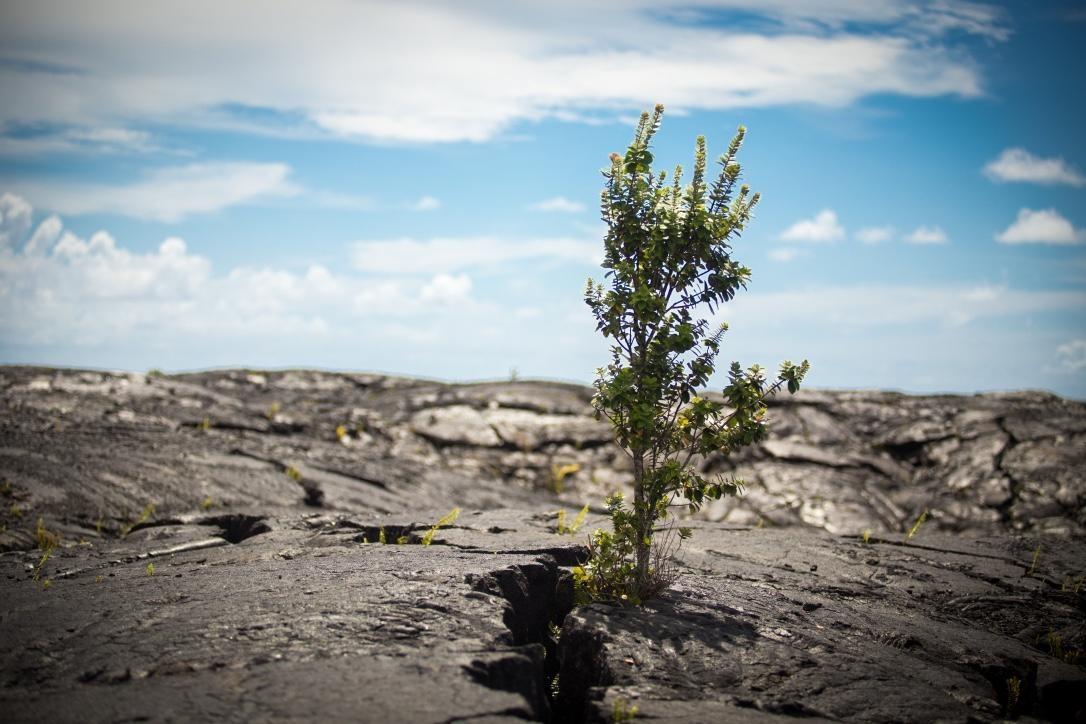 5
5Photography Tour
Keaau sits at the edge of Puna, where lava fields meet wet tropical forest and an exposed coastline—the kind of place that rewrites what you think light and texture can do. Photography tours here are intimate by necessity: small groups, patient guides, and itineraries tailored to the mercurial moods of volcanic terrain and island weather. Expect shots of molten seams and cooling pahoehoe, intimate rainforest compositions beneath a dripping canopy, long coastal exposures against basalt cliffs, and portraiture set in fragrant guava orchards. The work is at the intersection of geology, culture, and weather; great images come from reading tides, respecting sacred sites, and being ready for sudden atmospheric theatrics—sheets of rain, luminous low clouds, and the soft afterglow of lava at twilight.
Explore photography tour → 6
6Walking Tour
Keaau's walking tours fold the island's raw geology and living culture into strollable chapters. Here, village streets, coffee orchards, and misted rainforest edges meet the slow geology of lava flows and the deep history of Hawaiian settlement. Walking tours in Keaau are equal parts natural history and neighborhood discovery—short cultural loops that linger at a family-run orchard, interpretive walks that trace old plantation routes, and guided rainforest rambles that read the island’s weather in a single breath. For travelers who prefer feet on the ground, Keaau offers an inviting scale: routes that reward attention—a fern unfurling, a taro patch at work, an old stone wall—over speed, and experiences that pair well with larger island adventures like Volcano National Park visits, coastal drives, and birding in the lowland wet forests.
Explore walking tour → 7
7Boat Tour
Keaau is a quiet doorway to the Big Island's bubbling coastline and subtropical seas. Boat tours operating in and around Keaau—many launching from nearby harbors—turn the island’s volcanic shoreline, coral gardens, and oceanic wildlife into an accessible, sea-level theater. Whether you’re after a gentle wildlife cruise, a full-day snorkeling voyage, or a sunset sail that paints the cliffs gold, the boat tour scene here blends marine discovery with the volcanic story of the island.
Explore boat tour → 8
8City Tour
Keaau is a small, verdant gateway to Hawaii Island’s eastern coast — the ideal base for city tours that blend everyday local life, botanical richness, and the raw geology of recent lava flows. City tours here emphasize walking and short drives through neighborhoods, historic sites, coffee farms, food trucks, and coastal lookouts. Expect intimate itineraries: market strolls, cultural stops, shorefront walks across old lava benches, and behind-the-scenes visits to artisan studios and botanical gardens.
Explore city tour →Scuba
Keaau sits on the windward edge of the Big Island, a quiet gateway to shoreline dives carved from recent lava flows, sheltered bays teeming with reef life, and easy access to Hilo-based charters. For divers who prize macro life, dramatic lava topography, and a slower, more intimate Pacific experience than the busier Kona coast, Keaau is an understated and richly rewarding base.
Explore scuba →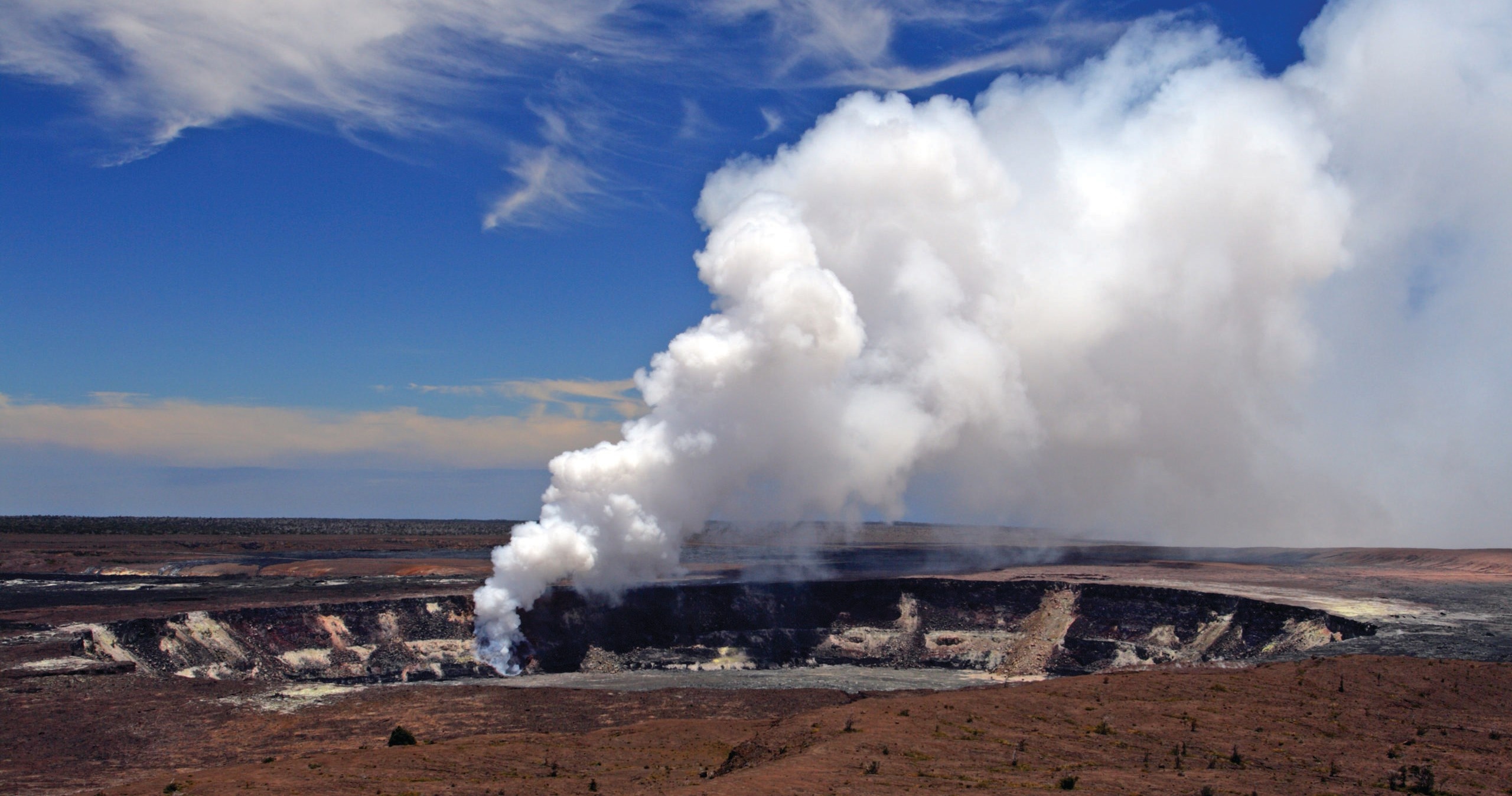 10
10Bus Tour
Bus tours out of Keaau are the most accessible way to translate the island's dramatic contrasts—black lava fields, emerald rainforests, coastal cliffs, and small-town culture—into a single, relaxed day of storytelling and scenery. Whether it's a narrated loop to Volcanoes National Park, a rainforest-and-waterfalls shuttle, or an off-road expedition on a rugged coach, these trips let travelers absorb Big Island landscapes without the logistics of driving unfamiliar roads or hunting parking. Expect a mix of interpretive narration, short guided walks, and curated stops at viewpoints, farms, and cultural sites.
Explore bus tour →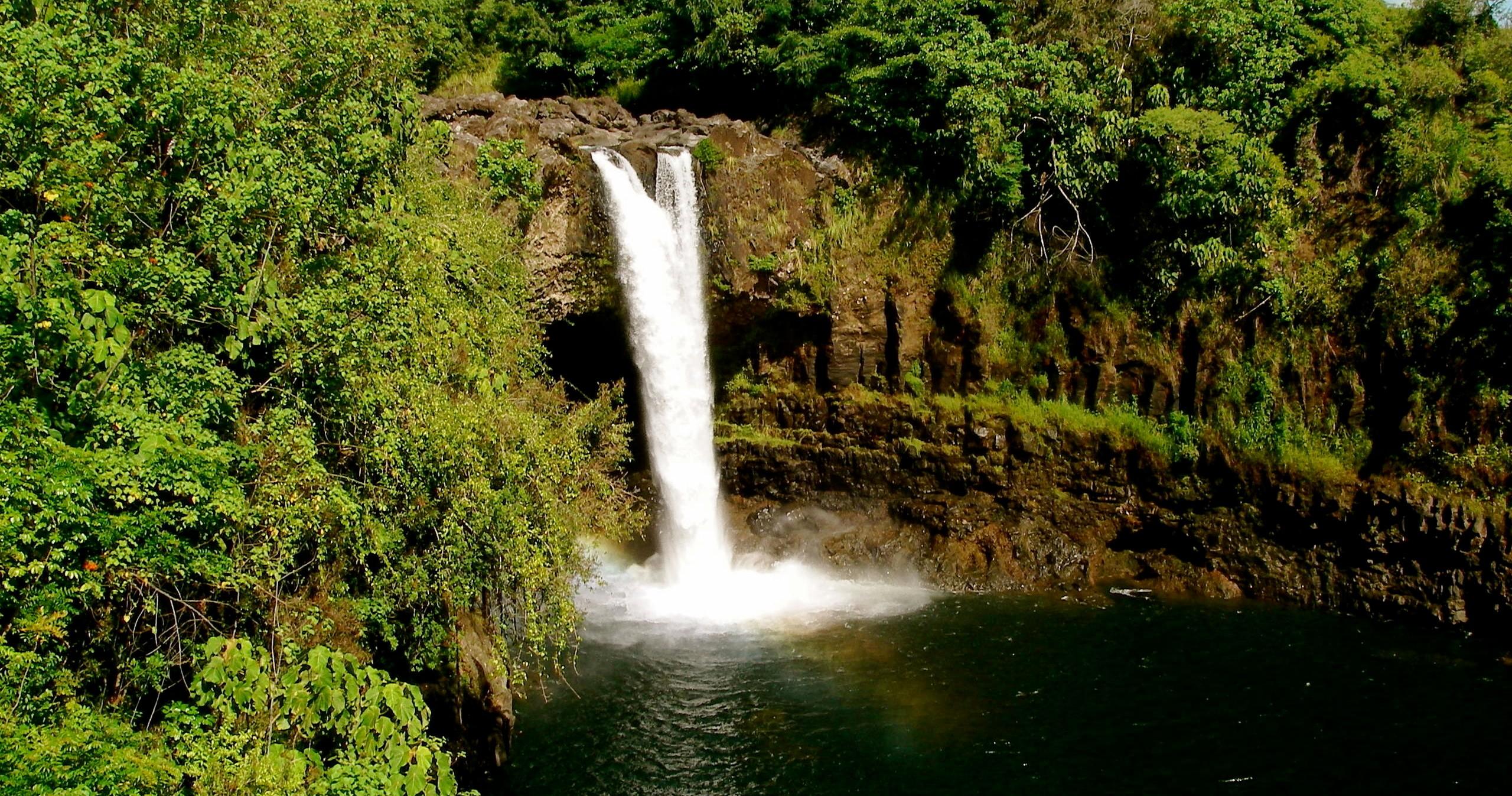 11
11Zipline
Perched on the windward flank of Hawaii Island, Keaau’s zipline experiences thread through volcanic ridgelines, old lava flows, and lush native forest. These tours trade the postcard beach scene for a different kind of island intimacy—one that moves fast, smells of wet earth and ʻōhiʻa blossoms, and opens line-of-sight views to Mauna Loa, the Pacific, and the valleys that funnel Hilo’s famous rain.
Explore zipline →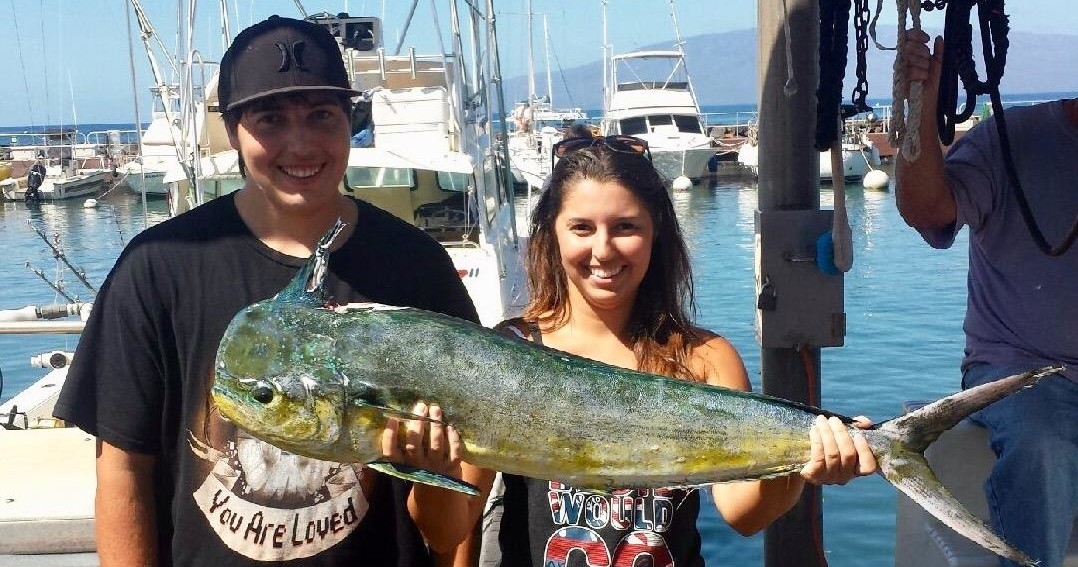 12
12Fishing
Keaau sits inland from the jagged, black-lava coastline of Puna and the fishing grounds that define East Hawai‘i. Fishing here is a mix of shoreline and nearshore reef tactics, small-boat charters launching from nearby harbors, and the occasional blue-water run for pelagic giants. This guide focuses on what to expect, when to go, and how to turn a day on Pacific swells and lava-rock points into a memorable catch.
Explore fishing → 13
13Kayak
Keaau sits inland on Hawaii Island’s windward flank, but it functions as a practical launchpad for a surprisingly diverse suite of kayak experiences on the Hilo and Puna coasts. From calm estuary paddles and reef-snorkel combos to exposed open-coast explorations of lava-carved shoreline, Keaau-based kayak days stitch together marine life, volcanic geology, and the island’s living cultural relationship to the sea.
Explore kayak → 14
14Snorkel
Keaau is an understated launch point for snorkeling on Hawaii Island’s wetter east side. From sheltered tidepools carved by recent lava flows to protected reef pockets near Hilo, the area rewards snorkelers who favor calm coves, curious reef fish, and dramatic black-sand shorelines shaped by volcanic geology. This guide focuses on the snorkeling experiences most accessible from Keaau, with practical planning tips for sea conditions, rentals, and how to combine snorkel outings with hikes, hot springs, and coastal exploration.
Explore snorkel →Air Activities
Keaau sits on the lush windward flank of East Hawaiʻi, a quiet launchpad for airborne experiences that fold volcanic drama and tropical rainforest into every minute of flight. From low-level helicopter sweeps above waterfalls and black-sand shorelines to scenic fixed-wing and seaplane hops that reveal the jagged coastline and caldera rims, air activities here deliver perspective fast—ideal for travelers who want the island’s scale and geology delivered in cinematic minutes.
Explore air activities →The city and the sea
Why Keaau Belongs on Your Adventure Shortlist
Variety without surrendering the day to long transfers.
Keaau sits in the shadow of Kīlauea and Mauna Loa, but the everyday drama here is quieter and more immediate than any postcard panorama. Mornings begin in a patchwork of banana farms and guava-thick hedgerows, then open into roads that climb toward steam vents and lava flows where the earth still remembers its molten past. The landscape is a lesson in contrasts: coastal breezes that scent the air with salt and iron, dense fern-lined gullies that hold orchids and the call of ʻŌmao (native birds), and long volcanic ridgelines that frame a sky often braided with trade-wind clouds. That variety is what makes Keaau an efficient base for mixing activities—sightseeing tours that end at crater overlooks, hike-and-snorkel days on the Puna coast, and early-morning photographic runs before the haze arrives. Practical travelers will appreciate how close services and outfitters are to major trailheads and shore access points. You don’t need to choose between comfort and wilderness: family-run cafes serve up poke bowls and strong coffee near gas stations, local guides offer half-day hiking and snorkeling trips, and small-boat charters leave from Hilo for sunrise whale watching and scuba excursions. Keaau’s lower elevation keeps temperatures mild year-round, meaning micro-adventures—an hour-long waterfall hike followed by a short kayak—are easy to stack. For photographers and nature lovers, the light is generous late into the day; volcanic rock and tropical foliage create high-contrast scenes that reward wide and telephoto work alike. Cultural context matters here. The land is storied and active; respect for kapa (place) and local signage is essential. Many of the best spots—heiau, tide pools, and coastal trails—are managed with both cultural and ecological protections in mind, and local guides often fold in Hawaiian history and geology into outings. That perspective turns a simple hike into a layered experience: geology, biodiversity, and living tradition in one sweep. For planning, prioritize early starts for popular overlooks and guided trips for technical water activities. Shoulder seasons—spring and fall—offer the most stable surf and calmer winds for kayaking, snorkeling, and scenic flights, while winter brings humpbacks offshore and dramatic cloudscapes for photographers.
Access is one of Keaau’s strongest practical assets: major roads connect to trailheads, boat launches, and coastal lookouts within 30–60 minutes, so you can craft half-day or full-day loops that feel satisfying rather than rushed.
Pair structured outings (guided scuba, eco tours, or volcano-hike led by a ranger) with self-directed activities (short coastal walks, scenic drives, or photography stops) to balance safety, deeper insight, and freeform exploration.
Conditions shape the day
The best time to visit Keaau.
Keaau experiences warm, humid conditions year-round with frequent brief showers—especially inland and at higher elevation. Trade winds moderate temperatures on the coast. Winter months bring larger north swells and more overcast days, while spring and fall generally yield calmer seas for snorkeling and kayaking.
Best all-around window
Spring + fall
Comfortable mixed-itinerary weather, thinner crowds at beaches and lookouts, and more room to improvise.
Beach season
Holiday weeks (late December–early January) and summer vacation months see increased lodging demand; book guided activities and accommodations early.
Surf + whales
Late fall and early spring offer lower rates and thinner crowds; consider weekdays for popular trailheads and guided tours.
Coast to inland
Cool marine mornings often give way to warmer inland afternoons and breezy evenings.
Beginner
Short, well-marked trails, calm coastal walks, easy snorkeling in protected coves, and guided sightseeing tours.
- Guided sightseeing tour to crater overlooks
- Short rainforest loop walks near Keaau
- Introductory snorkeling in a sheltered bay
Intermediate
Moderate elevation hikes, multi-stop photography tours, kayak trips along the Puna coast, and non-technical scuba dives.
- Half-day hike to steam vents and crater rim viewpoints
- Kayak tour along sheltered coastline
- Guided photography tour at golden hour
Advanced
Longer backcountry hikes, technical coastal entries, advanced scuba, and full-day mixed-terrain adventures that require planning and specialized gear.
- Full-day traverse of lava-flow terrain with a guide
- Advanced shore dives and multi-site scuba itineraries
- Combination air activity (helicopter) plus guided volcano hike
Field kit
What to bring.
Pack for sun, salt water, walking, and a meaningful temperature swing between coast and inland Keaau.
Essential
Start here
- Light waterproof jacket for rain showers
- Sturdy trail shoes with good traction
- Reef-safe sunscreen and a sun hat
- Reusable water bottle with filter or plenty of water
- Daypack with snacks and basic first-aid
Water days
Keep it dry
- Dry bag for electronics during water activities
- Quick-dry layers and a microfiber towel
- Water shoes for rocky tide pools and lava shoreline
- Portable power bank and extra memory cards for photography
Long days
Stay flexible
- Lightweight trekking poles for muddy or uneven trails
- Polarizing filter and ND for seascapes and long exposures
- Binoculars for birding and coastal spotting
Insider note
Start early, then keep the geography tight.
Start early—morning light and calmer winds reward coastal paddles and crater rim photos. Respect cultural sites and posted no-entry zones; many coastal features are culturally significant. Swap a long drive for a guided half-day tour when weather or access is uncertain. After rain, give trails and fragile lava formations time to dry to avoid erosion; wearing water shoes makes tide-pooling safer. Finally, pack reef-safe sunscreen and leave no trace—these protections help keep fragile tide pools and coral healthy for future visits.
Good to know
Frequently asked questions.
Can I explore Hawaii Volcanoes National Park from Keaau on my own?
Yes—many overlooks and short hikes are accessible without a guide. For backcountry routes, recent lava-flow areas, or technical ridge hikes, hire a licensed guide or check park ranger advice and current closures.
Is snorkeling and scuba safe here year-round?
Conditions vary by season and location. Sheltered coves in the shoulder months are ideal; for open-ocean dives or shore entries over lava rock, go with a certified operator who monitors currents and visibility.
Do I need a 4x4 to visit coastal or volcanic areas?
Most primary access roads and park entrances are paved. Some remote coastal and off-road areas require high-clearance or four-wheel-drive vehicles—confirm access with local authorities or your outfitter before attempting.
Ready when you are
Find the trip that fits your Keaau day.
Compare bookable experiences across the coast, city, and mountains—then save the ones that belong in your plan.
Explore all Keaau adventures ↗