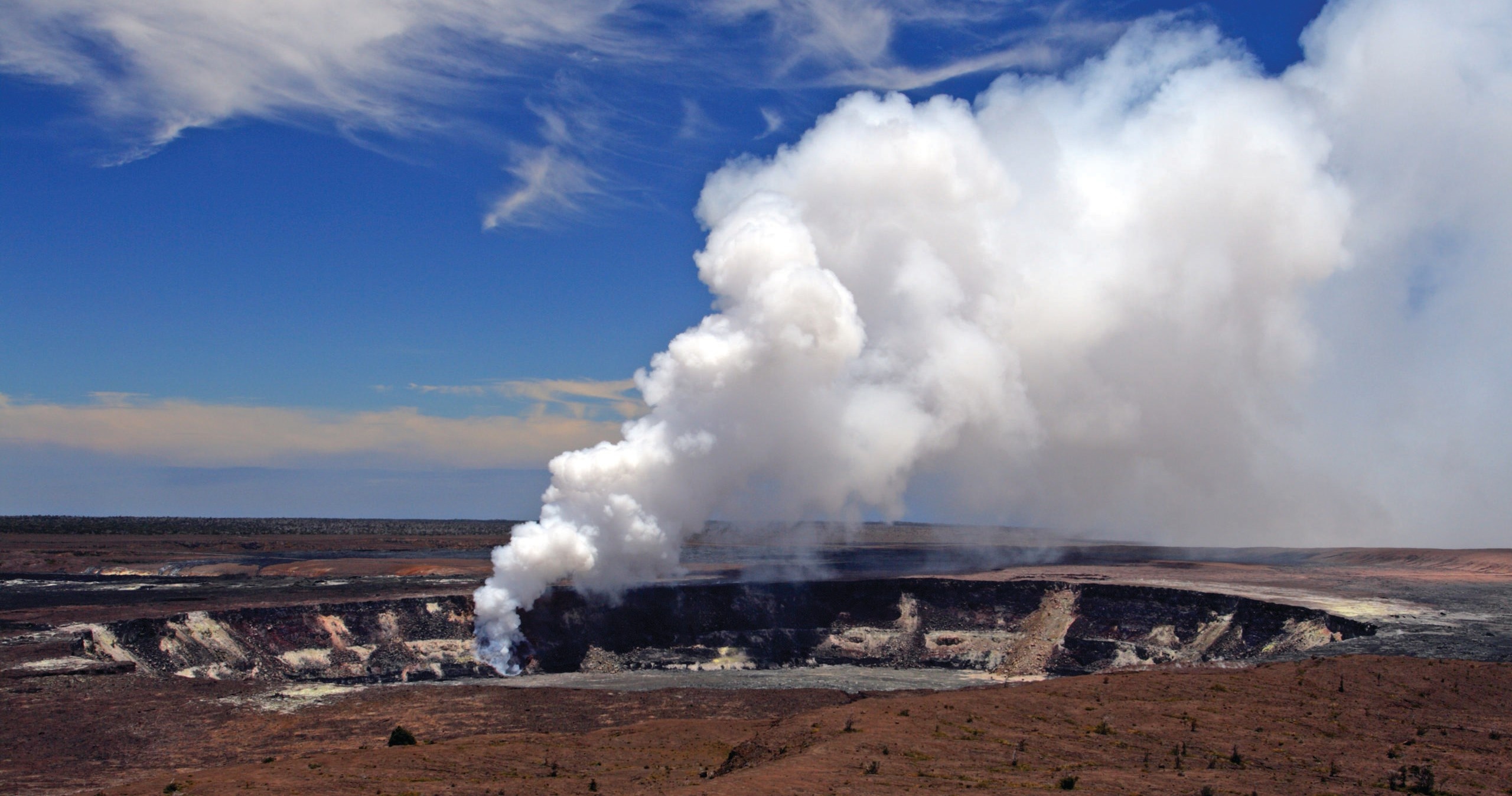
Keaau sits on the wet eastern flank of Hawaii Island—a doorway to a landscape that changes by the mile. From the lusher edges of Hilo’s coffee country to the ragged fronts of recent lava flows, the variety is dizzying and best appreciated when someone else is behind the wheel. Bus tours here do more than transport; they curate. In a single morning or day you can move from the scent of ripe coffee cherries and orchids to the sulphur tang at the edge of a steam vent, from coastal blowholes and dramatic cliffside views to quiet gardens where native plants and cultural practices are explained by guides steeped in local knowledge.
Narration is central to the experience. Good local guides weave geology and history with contemporary life—how pāhoehoe and aʻa lava shapes roads, why certain coastal stretches were once villages, and how the island's climatic bands (from windward rain forests to leeward drylands) produce microcultures. For a visitor based in Keaau, that contextualization makes stops meaningful rather than scenic clichés. Bus tours also solve logistics: parking near popular trailheads and park entrances can be limited, and the rough gravel or narrow coastal roads a rental driver may find intimidating are navigated confidently by experienced operators.
Beyond convenience, bus tours expand access. Travelers with limited driving confidence, those who prefer to sample island life without renting a car, or multi-generational groups find buses efficient and inclusive. The best operators thread complementary activities into itineraries—a coffee-farm tasting after a morning rainforest walk, a short beachside picnic following a dramatic coastal lookout, or a late-afternoon run into Hawaiʻi Volcanoes National Park timed for golden light. Because tours concentrate visitors at managed viewpoints and licensed stops, they also reduce the impulse to trample sensitive terrain—an important conservation argument on an island where ecosystems are fragile and access must be stewarded.
Finally, seasonality matters in a unique way. Keaau’s location means tours are reliably available year-round, but the flavor of a bus day changes with trade winds and rainfall. Rain can lift steam from fissures into moody clouds and sharpen waterfall flows; dry stretches reveal expansive views across the Hamakua Coast. Planning with local operators ensures the itinerary flexes to conditions, turning a wet morning into an intimate rainforest experience and a clear afternoon into a long coastal sweep. For travelers who want to see a lot without the friction of constant navigation, bus tours from Keaau are a practical, interpretive, and often profoundly scenic way to travel the Big Island.
Bus tours condense travel friction—drivers handle narrow, unfamiliar roads, and local guides provide context that transforms scenery into story. That makes them ideal for first-time visitors and those short on time.
Community-focused operators often integrate small businesses—coffee farms, local artisan stops, and family-run food stands—so a tour is also a curated taste of place rather than a checklist of overlooks.
The harbor is the gateway, and the Pacific becomes the classroom.
Because routes are flexible, reputable companies adjust stops for weather, lava conditions, and park access; compare operators for group size, interpretive depth, and conservation practices before booking.
Choose by purpose
Whale watching, snorkeling, sunset sailing, cultural canoeing, harbor sightseeing, or private chartering.
Start near the city
Waikiki and Honolulu Harbor are primary hubs, with some trips launching near Hanauma Bay.
Confirm the vessel
Gangways, shaded seating, and boarding requirements vary according to vessel size and operator.