Top 14 Photography Tours in Keaau, Hawaii

Keaau, Hawaii

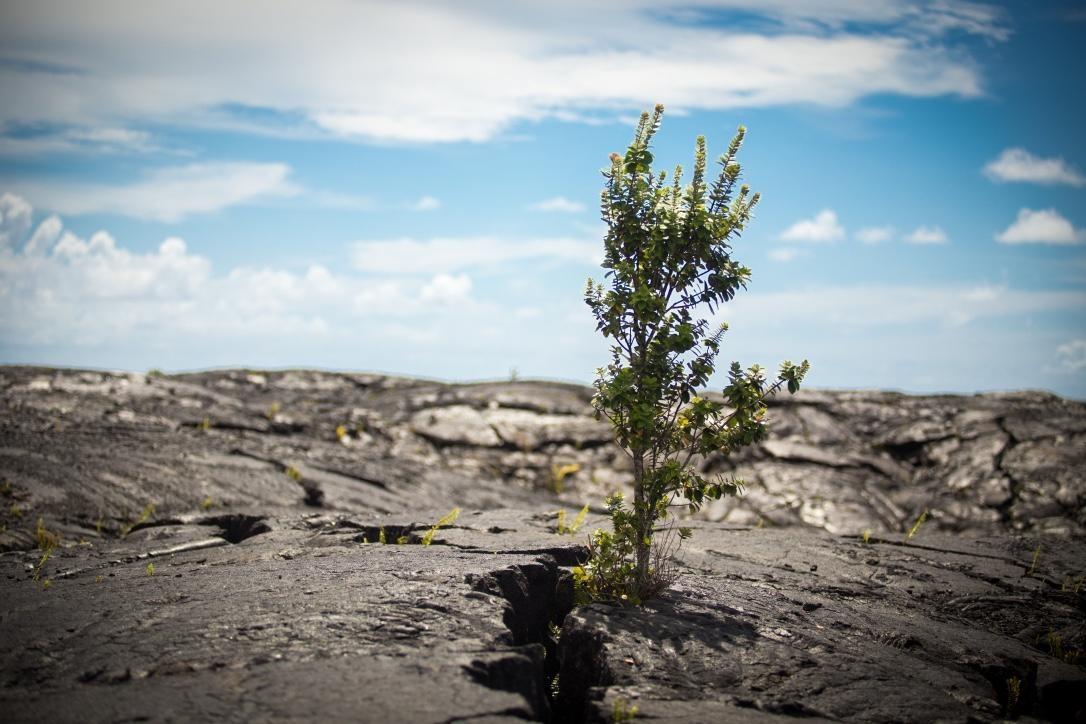
Keaau sits at the edge of Puna, where lava fields meet wet tropical forest and an exposed coastline—the kind of place that rewrites what you think light and texture can do. Photography tours here are intimate by necessity: small groups, patient guides, and itineraries tailored to the mercurial moods of volcanic terrain and island weather. Expect shots of molten seams and cooling pahoehoe, intimate rainforest compositions beneath a dripping canopy, long coastal exposures against basalt cliffs, and portraiture set in fragrant guava orchards. The work is at the intersection of geology, culture, and weather; great images come from reading tides, respecting sacred sites, and being ready for sudden atmospheric theatrics—sheets of rain, luminous low clouds, and the soft afterglow of lava at twilight.

14
Activities
Year-Round
Best Months

Top Photography Tour Trips in Keaau

14 trips • Book with confidence • Instant confirmation

Why Keaau Is a Standout Photography Destination

Keaau’s photographic appeal is immediate and stubbornly particular. You can stand on a fresh black flow and feel the island’s geological clock—millennia compressed into cooling crust and fractured glass. For landscape photographers the region offers a rare combination: accessible lava-sculpted shoreline, dense wet-forest understory, nearby waterfalls that tumble into ferned ravines, and coastal light that changes from crystalline morning to diffused, rain-softened afternoons. That variety allows a single multi-hour tour to pivot from wide-angle seascapes to macro studies of volcanic glass, to environmental portraits in banana groves or local farms, delivering a portfolio across several genres in one day.

But Keaau’s strength is also cultural texture. Puna and the broader Hilo side of the island are places where Hawaiian stories—about land, sea, and the goddess Pele—are alive in place names, practices, and local stewardship. Guides who run photography tours here are often storytellers as much as instructors: they’ll place you where the light flatters lava ridges at dusk and explain how communities relate to active geology. That cultural framing transforms images from mere pretty pictures into narratives that honor context and responsibility. A good tour never prioritizes the perfect shot over safety, respect for private land, or native cultural practices.

Technically, Keaau challenges and rewards in equal measure. The microclimates produce sudden sheets of rain, low cloud that can flatten light into a beautiful, even portrait tone, or break into dramatic shafts that carve out texture from basalt and fern. Coastal exposures require tide knowledge and patience; the best long-exposure seascapes are made from careful positioning on tide-stable platforms and an eye for the wind-driven spray that gives motion to foregrounds. Night photography is a specialty here: when volcanic glow is present it can paint the horizon in otherworldly reds and oranges, which paired with a clear Milky Way and minimal light pollution makes for striking astrophotography. That said, volcanic glow is ephemeral and governed by complex safety and closure regulations, so the most successful tours balance ambition with local intelligence and contingency plans.

Finally, Keaau is accessible in a way that feels off the beaten path. Hilo’s services are a short drive away, but here you often shoot with lava flows and forest trails mostly to yourself. The practical result for photographers is breathing room—time to set up, bracket exposures, and wait for that singular frame—combined with enough infrastructure to make guided outings comfortable and safe. Whether you’re a curious beginner learning to use a tripod in wind, or an experienced pro scouting unusual compositions, Keaau’s mix of raw geology, dense green, and patient, knowledgeable guides makes it an unusually rich canvas.

The compressed landscapes—lava fields pressing up against rainforest and sea—mean you can capture dramatically different environments during a single outing. Sunrise sessions often favor coastal light and long exposures; mid-morning is ideal for textured macro work in humid forest understories; late afternoon and dusk amplify volcanic contrast and color.

Respect and safety are essential. Tours emphasize leave-no-trace practices, staying off fragile crusts, and following ranger guidance during periods of volcanic activity. Local guides will also help you navigate private land access, timing for tides, and where low cloud typically breaks to create the most compelling directional light.

Activity focus: Photography Tours—landscape, volcanic, coastal, rainforest, and night photography
Most tours operate in small groups (6–10) to minimize environmental impact and allow hands-on instruction
Light is highly variable: plan for sudden rain, dramatic cloud breaks, and rich dusk/sunset color near lava flows
Cultural context matters—many sites are near places of significance; guides will provide context and access guidance
Tides and access restrictions shape coastal shoots; always confirm tide windows with your guide

Best Time to Visit

Best Months

AprilMaySeptemberOctober

Weather Notes

Keaau experiences frequent microclimates—brief heavy showers, humid forest conditions, and trade-wind influences. Spring and early fall typically have a bit less rain, offering more predictable light, but dramatic skies and waterfall flows are available year-round. Coastal shoots are best planned around low-tide windows and calm-swell forecasts.

Peak Season

Holiday periods and any time there is visible lava activity draw extra interest; weekends around local festivals can also increase demand for guided tours.

Off-Season Opportunities

Rainy months offer moody, dramatic skies, saturated colors, and fuller waterfalls with fewer visitors—excellent for atmospheric imagery if you don't mind wet conditions.

Frequently Asked Questions

Do I need permits to photograph in Keaau or on nearby lava flows?

Permit requirements vary by location. Public parks and roadside areas usually do not require permits for casual photography, but commercial shoots, drone use, or access to restricted lava viewing areas may require permissions. Tours typically handle access for privately guided or commercial shoots; always confirm with your tour operator.

Are drones allowed on photography tours?

Drone policies are strict across Hawaii due to safety, wildlife, and cultural concerns. Many tours prohibit drone use; where drones are permitted, operators will require FAA compliance, local approvals, and adherence to no-fly zones (including national park airspace). Secure permissions in advance.

Is it safe to photograph near active lava or cliffs?

Safety is paramount. Active lava viewing can be dangerous and is often subject to closures. Guided tours follow current safety advisories and keep photographers at approved viewing distances. Coastal cliffs and basalt formations can be unstable—stay on marked paths, heed guide instructions, and prioritize stable footing.

Choose Your Experience Level

Beginner

Introductory tours focus on composition basics, tripod technique, and simple exposures in accessible locations like black sand beaches and roadside viewpoints.

  • Sunrise seascape with wide-angle composition
  • Guided waterfall and rainforest walk for handheld shooting practice
  • Basic coastal texture and macro studies

Intermediate

Half-day tours that incorporate timed exposures, graduated filters, and more challenging light—ideal for photographers comfortable with manual controls.

  • Tide-timed long exposures of basalt coastline
  • Forest macro session with controlled depth-of-field
  • Dusk shoots aimed at capturing residual lava glow (when allowed)

Advanced

Specialized workshops for experienced shooters: night sky composition, complex HDR/stacking techniques, or multi-genre scouting trips that demand strong fieldcraft and safety awareness.

  • Astrophotography and Milky Way compositions away from light pollution
  • Technical lava-glow sessions coordinated with local monitoring updates
  • Extended multi-location scouting days combining aerial, coastal, and forest work

Insider Tips & Local Knowledge

Confirm access, tide times, and current volcanic advisories before any shoot; hire local guides when in doubt.

Start sessions for coastal light at dawn and plan rainforest shoots for mid-morning when mist often lifts. For lava glow photography, remain flexible and rely on local guides who monitor activity and closures. Pack for humidity—carry silica gel for camera bags and rotate batteries frequently. Respect private property and cultural sites: ask permission, follow routed paths, and avoid collecting samples. If you plan night shoots, use red-light headlamps to preserve your night vision and reduce local disturbance. Finally, consider booking multi-day tours to chase different conditions—one day for seascapes, one for forest and waterfalls, and one for night or volcanic light—so you can adapt to the island’s famously changeable weather.

What to Bring

Essential

  • Sturdy tripod with low profile for wind and uneven basalt
  • Weather-sealed camera or rain protection (covers or plastic bags)
  • Wide-angle and standard zoom lenses (16–35mm, 24–70mm) for landscapes
  • Protective footwear with grip—boots that dry quickly
  • Water, snacks, and sun/rain protection

Recommended

  • Neutral density and graduated ND filters for long exposures and balanced sky/foreground exposures
  • Telephoto or 70–200mm for isolating coastal details and distant emissions if permitted
  • Spare batteries and several memory cards (humidity drains batteries faster)
  • Lens cleaning kit and microfiber cloths for salt and ash
  • Light waterproof pack or dry sack for gear

Optional

  • Macro lens for close-up plant and lava texture studies
  • Drone—only if the tour and local regulations allow; check flight restrictions first
  • Headlamp for night or pre-dawn setups
  • Waders for accessible shoreline compositions during low tide (use caution)

Ready for Your Photography Tour Adventure?

Browse 14 verified trips in Keaau with instant booking

Explore Top 15 Keaau, Hawaii Adventures →