Top Fishing Adventures in Keaau, Hawaii
Keaau sits inland from the jagged, black-lava coastline of Puna and the fishing grounds that define East Hawai‘i. Fishing here is a mix of shoreline and nearshore reef tactics, small-boat charters launching from nearby harbors, and the occasional blue-water run for pelagic giants. This guide focuses on what to expect, when to go, and how to turn a day on Pacific swells and lava-rock points into a memorable catch.
Top Fishing Trips in Keaau
6 trips • Book with confidence • Instant confirmation
Why Keaau Is a Special Place to Fish
On the windward flank of Hawai‘i Island, Keaau functions less like a fishing town and more like a doorway—a quiet residential hub that opens to an ocean where volcanic geology, warm tropical currents, and traditional Hawaiian fishing knowledge intersect. Cast from a lava point at dawn and you’re standing on the edge of a landscape millions of years in the making: black rock sculpted by flows, coastal benches pounded by emerald surf, and reefs profuse with life where coral finds purchase in pockets of sand. The ocean here runs deep close to shore in places; that proximity creates opportunities for shore anglers to tempt reef species and, with the right tackle and timing, to feel the sudden bone-jarring strikes of faster pelagics as they pass the shelf.
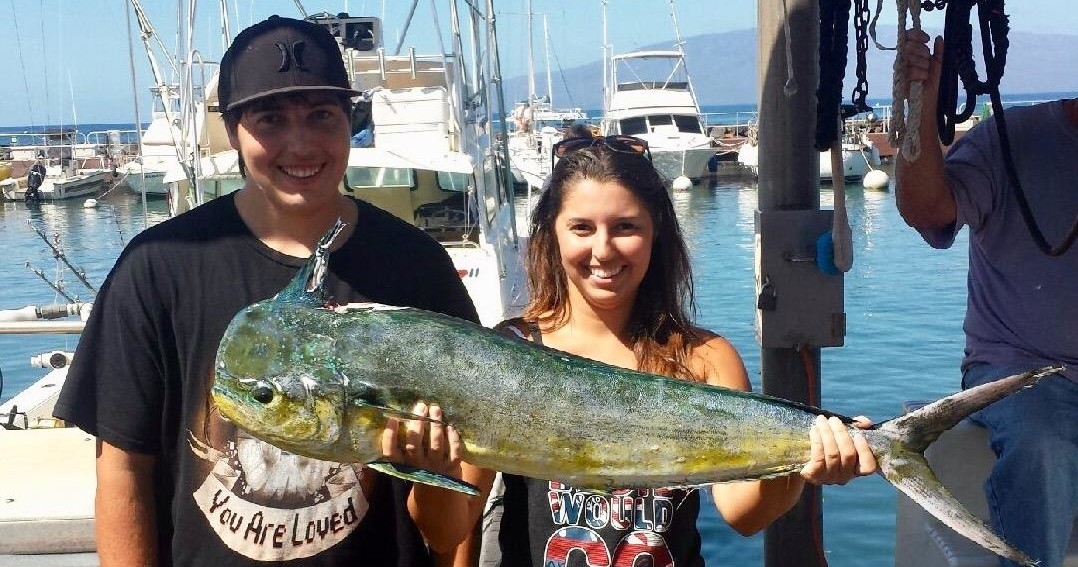
Fishing around Keaau is not a single style but a conversation between techniques. Surfcasters read the wave patterns and seams where baitfish gather; anglers standing on rocky points focus on bottom structure and reef channels for ulua (trevally), wrasse, and other nearshore trophies; small-boat charters chase the ridges and blue-water lines for mahi-mahi, ono (wahoo), and ahi (tuna). Seasonality plays a part—migrations of pelagic species and the timing of spawning runs influence when the ocean turns especially productive—but even off-peak days can produce memorable catches with patient observation and local insight.
Culturally, fishing in Hawai‘i is layered. Traditional practices—like kelp and net fishing, reef stewardship, and community sharing—still inform modern angling. Locals often combine knowledge passed down through generations with contemporary tactics, and visiting anglers benefit from that living expertise: where to drop a bait, when to move, and how to read subtle cues that mark good fishing water. From the practical (wear reef-safe sunscreen) to the respectful (ask before fishing near cultural or private sites), the place rewards anglers who pair curiosity with common sense.
Beyond the rod and reel, Keaau’s proximity to Hilo and the Puna coast makes it a base for complementary outdoor days—snorkeling shallow reefs after an early morning cast, hiking coastal trails cut into green lava flows, or visiting local markets to sample fresh-caught fish and poke. For travelers who want fishing first and an island day around it, Keaau offers a thoughtful balance: close enough to classic launch points and rich shorelines, far enough from tourist bustle to feel like a proper Hawaiian fishing day.
The mix of shore, reef, and nearshore opportunities means anglers can tailor a day to skill level: calm mornings often reward surfcasters and reef fishers, while charters take advantage of midday windows to reach pelagic lines.
Respect for marine life and local practices matters. Many anglers here emphasize catch-and-release for certain species and recommend minimizing reef contact—both for safety and to preserve the very systems that produce great fishing.
Best Time to Visit
Best Months
Weather Notes
Keaau sits on the wetter eastern side of the island; mornings are often calmer and clearer for fishing before trade winds strengthen in the afternoon. Winter months can bring larger south and north swells that affect shoreline access while late summer through early fall often produces strong pelagic activity offshore.
Peak Season
Late spring and early fall are commonly productive for pelagic species such as mahi and wahoo, while nearshore and reef species are targetable year-round.
Off-Season Opportunities
Even in quieter months, early-morning shore sessions and reef fishing after calm spells can be rewarding. Use off-season days for skill-building—bottom fishing and shorecasting—when charters are less frequent.
Frequently Asked Questions
Do I need a permit or license to fish around Keaau?
Regulations can vary by activity and species. Confirm current local and state rules before you go and ask charters or local tackle shops about any required permits, size limits, or seasonal closures.
Are shore fishing spots accessible for beginners?
Yes—many shoreline spots near Puna offer accessible points for surfcasting and rock-fishing, but some locations require careful footing on sharp lava. Start at calmer beaches or community piers and ask locals for safe public access points.
Should I hire a charter or fish from shore?
It depends on targets and experience. Shore fishing and reef work are excellent for beginners and light tackle anglers. For pelagic species or deeper water, a local charter increases safety and success—captains know productive lines, tides, and how to handle big fish.
Choose Your Experience Level
Beginner
Introductory shore, pier, and easy reef fishing—short casts, light tackle, and species that occupy nearshore structure.
- Shore-based surfcasting near protected coves
- Pier or protected harbor float-line fishing
- Guided half-day reef fishing with basic gear
Intermediate
Small-boat trips to nearshore reefs and anchored structure, trolling for mid-sized pelagics, and working live bait setups.
- Half-day charter targeting mahi and tuna lines
- Reef drift fishing for ulua and bottom species
- Tackle upgrades for stronger leaders and heavier jigs
Advanced
Offshore blue-water trolling, live-bait techniques, and multi-day or night trips requiring weather knowledge and advanced boat-handling.
- Full-day deep-water charters seeking large tuna and wahoo
- Night or big-game tactics for seasonal runs
- Technical bottom-fishing on rough seas
Insider Tips & Local Knowledge
Always verify ocean conditions, access rules, and seasonal closures before heading out.
Start before dawn—calm mornings and low boat traffic give you the best chance at productive bites. Talk to local tackle shops and experienced captains in Hilo or Puna for up-to-date bite reports and specific gear recommendations; local knowledge is the fastest path to success. Use reef-safe sunscreen and minimize reef contact when landing fish or moving along rocky benches—this protects both you and the ecosystem that supports the fishery. After heavy rain, avoid fishing directly below runoff points as freshwater inflow can stress reefs and reduce water clarity. If you’re planning a charter, confirm safety equipment and cancellation policies—ocean conditions change quickly. Lastly, be respectful of cultural sites and private property when accessing shoreline spots; a polite ask can spare trouble, and sharing a catch is part of the local fishing tradition.
What to Bring
Essential
- Sturdy shoreline shoes for uneven lava and rock
- Saltwater-appropriate rod and reel with braided line option
- Selection of terminal tackle: jigs, poppers, live-bait hooks, and leaders
- Polarized sunglasses and sun protection (reef-safe sunscreen, hat)
- Water, snacks, and a small first-aid kit
Recommended
- Compact landing net or gaff if targeting larger pelagics (confirm legal requirements)
- Lightweight rain jacket for brief coastal showers
- Dry bag for phone, license, and spare clothes
- Hand sanitizer and biodegradable soap for cleaning up
Optional
- Underwater camera or snorkel gear for post-fishing reef checks
- Tide and swell app for planning launch and shore access
- Compact fish finder if heading out on a small craft
Ready for Your Fishing Adventure?
Browse 6 verified trips in Keaau with instant booking
Explore Top 15 Keaau, Hawaii Adventures →