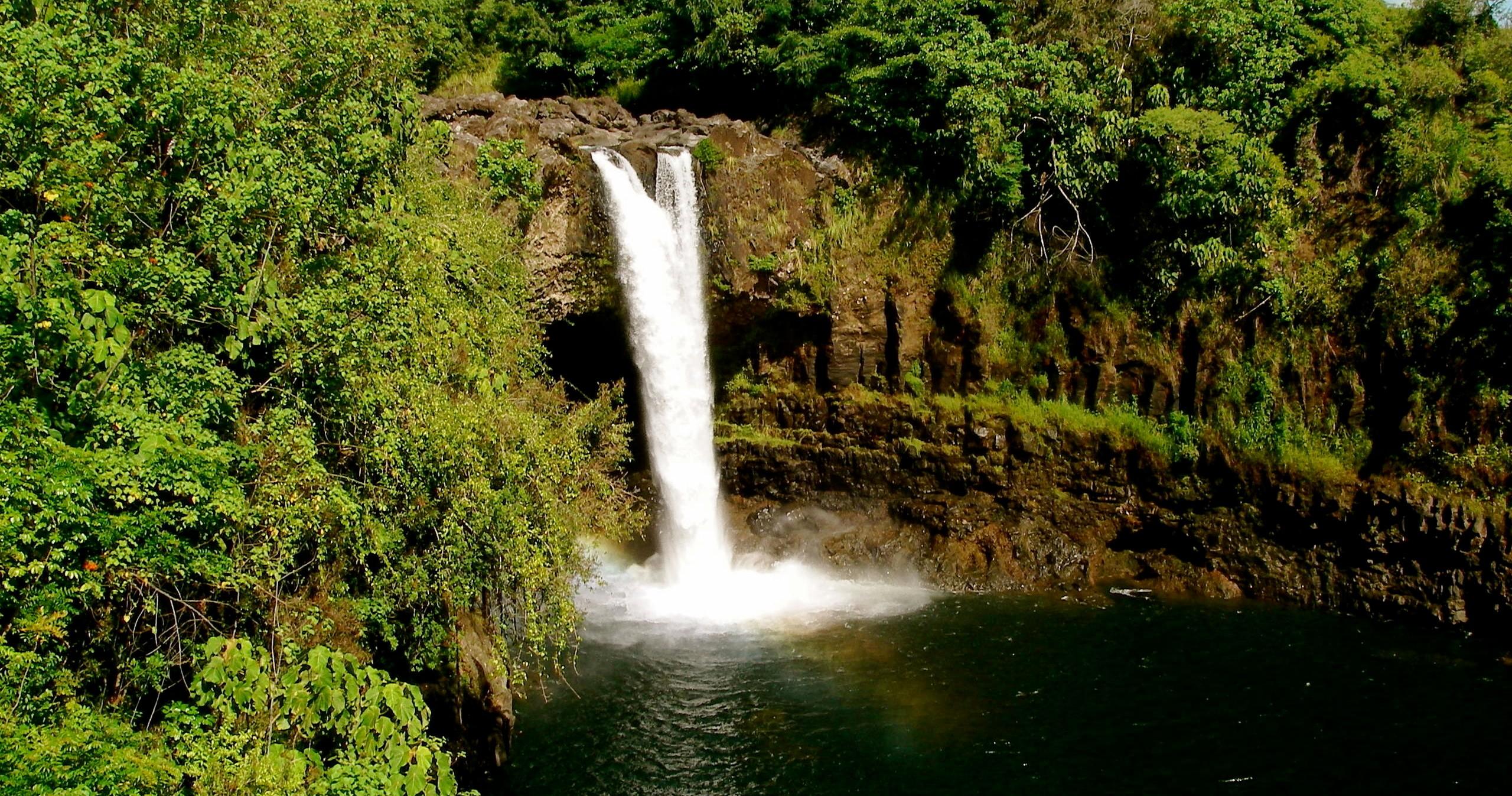
Why Keaau Is a Standout Zipline Destination
Ziplining in Keaau is a study in contrasts: the fast-line adrenaline of flying above a canopy and the slow, humming attention that comes from being immersed in a living, changing landscape. This stretch of the Hilo-side slopes sits between the raw geology of Hawaii’s volcanic heart and one of the island’s wettest climates. What that produces is exceptional canopy terrain—gullies carved by old flows, steep ridges alive with ferns and towering ʻōhiʻa, and microclimates that sustain birds and plants found nowhere else. Lines swing you out over these textured layers, so your perspective shifts from tree-top details to broad island forms in a matter of seconds.
Beyond the scenery, Keaau’s zipline operators tend to emphasize connection: to place, to history, and to the hands-on mechanics of a safe, memorable ride. Guides often weave local stories—about pahoehoe and ʻaʻā lava, about native plants and cultural sites visible from the lines—into the pre-ride briefing. That context makes each fast, technical moment feel tethered to the land’s slower rhythms. For travelers who want both a visceral rush and a deeper sense of Hawaiian environment and stewardship, Keaau’s canopy tours hit the sweet spot.
From a practical point of view, Keaau is also strategically located. It’s a short drive from Hilo and many of the island’s eastern attractions, which makes pairing a zipline with a morning at Hawaii Volcanoes National Park or a waterfall hike straightforward. The zipline season is effectively year-round, but the windward weather means rain and mist are regular companions—often showing up in afternoon bursts. Morning departures typically offer drier skies and crisper views. Because terrain varies—some courses are built along steep ridgelines while others thread a more sheltered gulch—there’s a range of experiences available: family-friendly canopy circuits, longer high-speed lines, and combo tours that pair ziplines with short hikes or cultural stations.
Environmentally conscious operators are increasingly focused on minimizing footprint: platforms and lines are placed to avoid trampling sensitive understory, and many guides include interpretation about native species and invasive threats. For visitors, that means your experience can be both thrilling and quietly educational. If you aim to get the most from a trip to Keaau’s ziplines, combine it with a coffee farm visit, a guided rainforest walk, or a late-day stop at a lookout to catch the light and moisture working across the slopes—each complements the canopy view and deepens your sense of place.
Whether you’re a first-time flyer sizing up the harness and clip system or an experienced rider chasing the longest, fastest runs, Keaau’s ziplines deliver a blend of landscape intensity, cultural context, and accessible adventure that’s rare to find so close to a town center. Expect wet leaves, sudden clearings, and a soundtrack of wind and birds—and plan for a day that balances adrenaline with a curious, observant pace.
Keaau’s location on the windward side of the island means canopy tours often feel like rainforest experiences; operators schedule earlier launches to avoid afternoon showers and maximize visibility.
The geology shapes the routes: some lines fly over old lava channels and open ridges, while others thread denser stream gulches—each offers a different sense of speed and exposure.
The harbor is the gateway, and the Pacific becomes the classroom.
Local guides typically incorporate cultural and ecological interpretation, connecting the high-flying fun to the island’s natural and human histories.
Choose by purpose
Whale watching, snorkeling, sunset sailing, cultural canoeing, harbor sightseeing, or private chartering.
Start near the city
Waikiki and Honolulu Harbor are primary hubs, with some trips launching near Hanauma Bay.
Confirm the vessel
Gangways, shaded seating, and boarding requirements vary according to vessel size and operator.