
Pahoa adventure guide
Find your way into Pahoa.
Pahoa is where lava-sculpted coastline meets a mischievous jungle—an offbeat coastal town in the Puna district that rewards curiosity. Think walking tours through a village that still smells of coffee and salt, hiking trails that thread old lava flows and rainforest gullies, and water activities that range from calm snorkeling and kayak launches to deeper scuba and fishing charters offshore. Expect eco tours and photography tours folded into everyday travel: sunrise boat tours to spot seabirds, late-afternoon snorkel sessions among tide pools, bus and sightseeing tours that trace the modern and ancient edges of Kīlauea’s legacy, and occasional air activities—helicopter runs that show the scale of black sand beaches and molten history. This guide focuses on practical picks—where to start, what to pack, and which experiences to prioritize—so you can turn a quick stop in Pahoa into a multi-day mosaic of hiking, snorkeling, mindful sightseeing, and locally anchored culture.
Three ways into the city
Pick a landscape. Build a day around it.
Pahoa is less a single destination than a collection of neighboring worlds. Start with the version of the city that matches your pace, then use the ranked guide below to fill in the details.

Begin where the city meets the sea.
Surf breaks, sheltered harbors, whale routes, and long beach paths make the coast LA’s most immediate outdoor playground.
Explore water activities →
Let a local connect the landmarks.
Use a guided city, walking, or sightseeing tour to turn LA’s sprawl into a coherent story.
Explore sightseeing tour →Ride the coast and the city.
Beach paths, river corridors, e-bikes, and ridge climbs reveal a more connected Los Angeles.
Explore water activities →Choose your way into Pahoa
The top 15 Pahoa adventures.
Ranked by the number of currently listed trips. Each panel opens the complete local activity collection.
1Sightseeing Tour
Pahoa sits at the intersection of volcanic drama and tropical calm — a place where sightseeing means watching the land rewrite itself. Tours here focus on landscape stories: steam rising where lava meets ocean, narrow lanes of hardened lava that lead to silent shorelines, and the swampy edges of old Hawaiian settlements. Guided drives, small-group hikes, boat trips and cultural tours turn raw geology and local lore into readable, transportable memories.
Explore sightseeing tour → 2
2Hiking
Pahoa is where lava-sculpted shorelines meet verdant rainforest trails—an intimate hiking landscape of raw basalt, sea cliffs, and humid jungle corridors. This guide focuses on hiking routes that explore lava flows, coastal overlooks, warm-water springs, and the quiet backroads of the Puna peninsula.
Explore hiking →3Water Activities
Pahoa’s coastal edges are a study in contrasts: jagged lava rock that meets warm Pacific swells, sheltered inlets that invite calm paddles, and black-sand pockets that cradle vibrant reef life. This guide zeroes in on water activities — snorkeling, surfing, paddleboarding, shore fishing, and coastal boat trips — and explains how to experience them safely and respectfully within the unique volcanic shoreline of the Puna region.
Explore water activities → 4
4Eco Tour
Pahoa’s eco tours pair volcanic drama with wet tropical forests and small, community-driven conservation projects. From coastal tidepool walks and lava-field botanical treks to guided wetland birding and community agroforestry visits, the town is a compact gateway to living landscapes and cultural stewardship on Hawaii Island’s lush eastern flank.
Explore eco tour →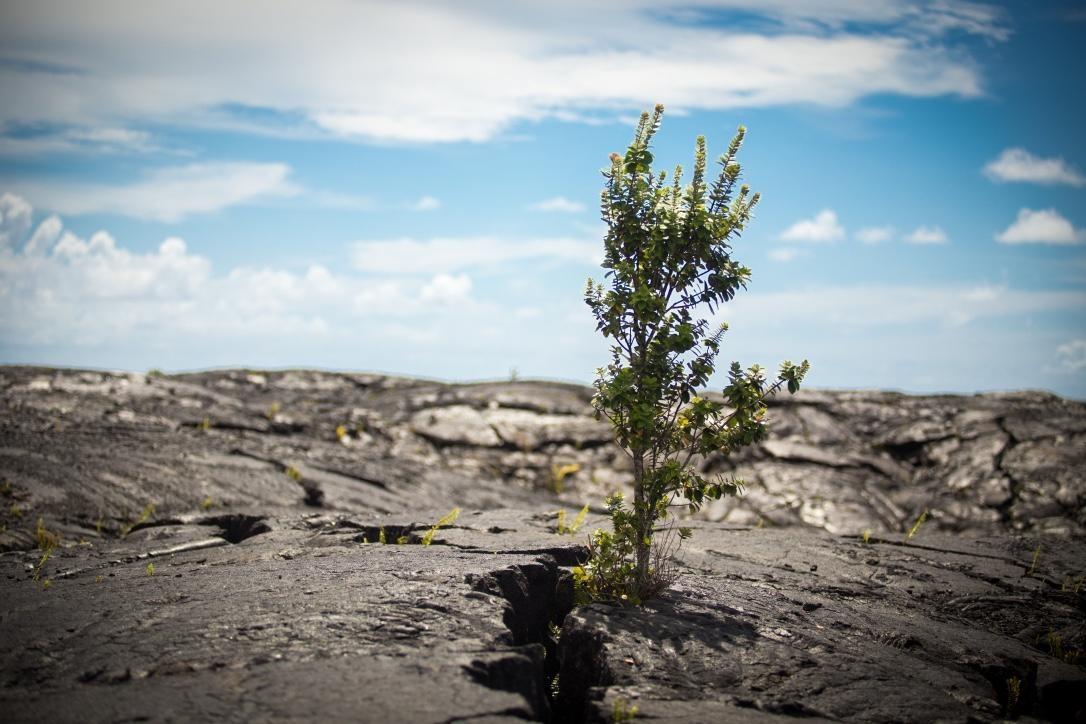 5
5Photography Tour
Pahoa is a photographer’s study in contrasts: saturated tropical greens that bleed into stark black volcanic coastline, intimate cultural scenes in small-town enclaves, and long, luminous window hours for both sunrise and night-sky work. This guide focuses on photography tours—guided and self-led—designed to place your lens where light, land, and local stories intersect.
Explore photography tour → 6
6Boat Tour
Pahoa’s wild east-side coast feels sculpted by fire and tide — a stitched shoreline of jagged lava, hidden coves, and tidal pools that reveal themselves best from the water. Boat tours here are less about polished harbors and more about intimate runs along volcanic cliffs, snorkeling crystal-clear pockets, and watching seabirds and marine life claim the edges of new land. This guide focuses on boat-based experiences launched for visitors interested in coastal geology, marine wildlife, and accessible ocean exploration close to Pahoa.
Explore boat tour → 7
7Walking Tour
Pahoa's walking tours are a study in contrasts: steamy tropical streets and lava-sculpted shorelines, intimate town sidewalks and wide volcanic plains. Stroll historic Front Street, thread through lava-tree forests, or follow the coast where new sand and old ruins meet the Pacific—each walk is an encounter with geology, culture, and the sudden, persistent forward motion of the island itself.
Explore walking tour → 8
8City Tour
Pahoa’s city tours trade skyscrapers and slick storefronts for a patchwork of weathered clapboard, tropical gardens, and the raw, recent memory of lava. Here, a short walk can move from painted murals and indie cafés to roadside taro patches and the edge of black-sand shores shaped by Kīlauea. This guide focuses on the kinds of city tours that reveal place—walking and bike tours, community-led history walks, lava-history drives, and food-and-market circuits that introduce travelers to the tastes, stories, and landscapes that make Pahoa quietly singular.
Explore city tour → 9
9Scuba
Scuba off Pahoa's eastern shore is an intimate, elemental experience—shore entries through lava rock, reef gardens threaded with life, and pockets of clear water sheltered from trade-wind chop. This guide focuses on scuba diving in the Puna district: what makes the dives distinctive, how to plan around local weather and runoff, and how to pair sub-surface exploration with volcanic landscapes and coastal culture.
Explore scuba →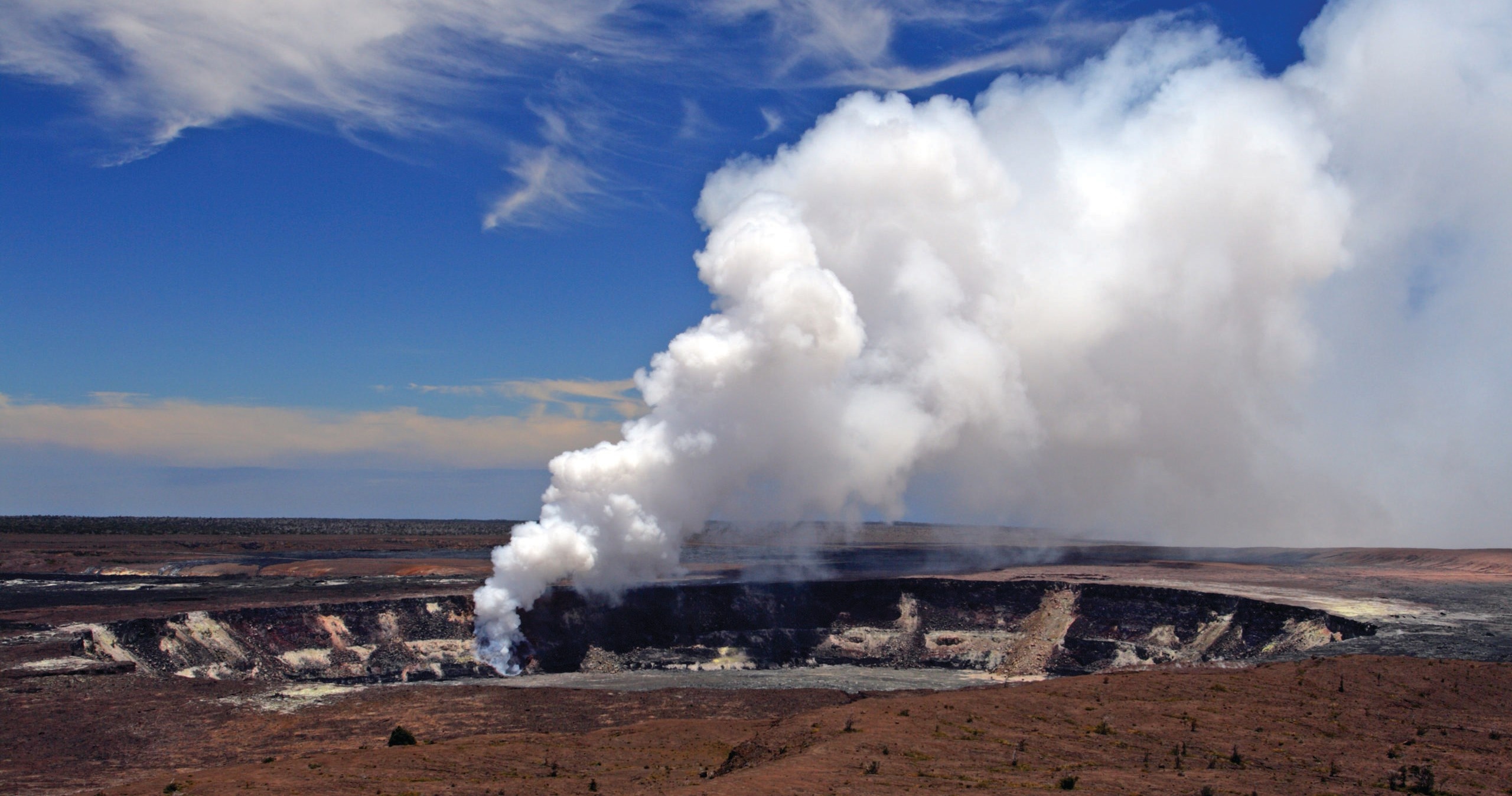 10
10Bus Tour
Bus tours from Pahoa offer a relaxed, interpretive way to traverse Puna’s patchwork of black-sand beaches, lava fields, rainforest pockets, and small coastal communities—perfect for travelers who want local context without the stress of narrow, rural driving.
Explore bus tour →Fishing
Pahoa sits along a volcanic, ever-changing coastline where coral gardens, black-sand coves, and sudden deep water create compact, productive fishing territory. Anglers come for nearshore reef species from shore and kayak, while local charters launch for quick access to pelagics and bottom fish. This guide focuses on how to experience fishing in and around Pahoa—what to expect from terrain, tides, and weather, plus the practical details for planning everything from a casual surf-cast to a half-day charter.
Explore fishing → 12
12Kayak
Where lava meets lagoon and trade winds meet warm Pacific water, Pahoa offers a distinctive paddling palette: sheltered tide pools for easy paddles, jagged lava coastline to explore by kayak, and open-water stretches for more ambitious travelers. This guide focuses on kayak experiences anchored in the Puna district—day paddles that pair marine life viewing with unique volcanic geology, and multi-sport options that combine paddling with snorkeling, coastal hikes, and thermal springs.
Explore kayak → 13
13Snorkel
A stretch of coastline shaped by fire and tide, Pahoa’s snorkeling is an intimate encounter with a marine world rebuilt by lava and nourished by the warm currents of the eastern Big Island. Expect tidepools, hidden coves, and reef edges where sea turtles, reef fish, and flourishing coral communities gather. This guide focuses on shore-accessible snorkel experiences and nearby boat options, helping you choose the right outings by season, skill level, and tide.
Explore snorkel →Air Activities
Pahoa is a small town with big skies. From low, cinematic helicopter runs over fresh lava and steaming calderas to serene small-plane circuits along the rugged Puna coastline, air activities here blend geological drama with the particular weather of Hawai‘i Island. This guide focuses on aerial experiences that put you above lava flows, coastal cliffs, rainforests, and the shifting haze known locally as vog—framing each trip with practical planning tips and seasonal context.
Explore air activities →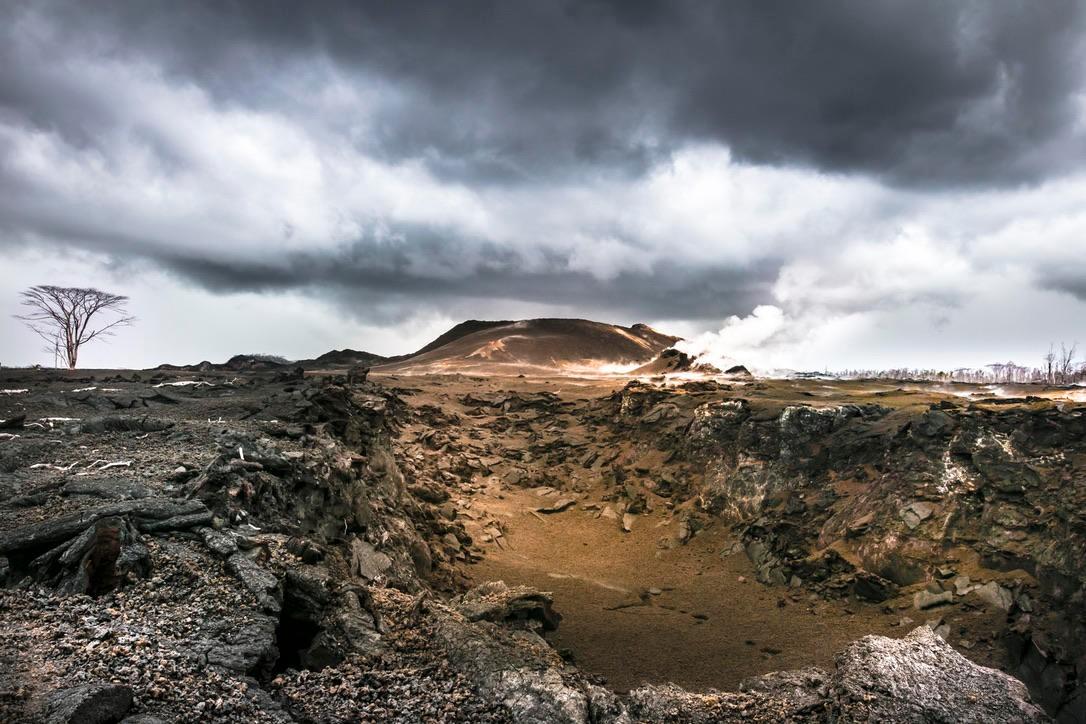 15
15Climbing
Pahoa’s climbing is less about polished crags and more about elemental encounters — basalt outcrops shaped by recent lava flows, sea cliffs rimmed by surf, and jungle-encroached pockets of stone that reward motion over metrics. This guide zeroes in on climbing experiences around Pahoa: scrambling and short trad lines on volcanic rock, adventurous bouldering on coastal benches, and carefully managed ascents where access and safety demand respect for both land and local culture.
Explore climbing →The city and the sea
Why Pahoa Belongs on Your Adventure Shortlist
Variety without surrendering the day to long transfers.
Pahoa feels like the island’s margin made public: a cluster of shops and food trucks hugged by verdant slopes and blackened fields that tell a geological story you can walk into. There’s an immediate intimacy here—short drives to lava-sculpted shorelines and easy beach put-ins for kayak and snorkel outings, plus trails where hiking can mean stepping between new rock and old forest. For travelers who prize variety over checklist travel, Pahoa is a compact base for mixing eco tours with water activities, fishing trips with photography tours, and evening strolls with the slow pulse of island life. The coastal waters off Pahoa are deceptively complex. Shallow reefs near Pohoiki and neighboring coves host easy snorkel and kayak sessions, while deeper water opens options for scuba and chartered fishing. Boat tours and small-group sightseeing tours run out of nearby harbors and pair well with a morning hike—the contrast between a humid rainforest trail and a wind-buffed shoreline makes for dramatic photography and fast mood shifts. Local outfitters specialize in small-group experiences: guided snorkel trips, private kayak launches, and eco tours that emphasize cultural and natural history rather than adrenaline alone. There’s a soft-edged wildness to Pahoa that attracts both first-timers and experienced adventurers. Beginners find gentle, well-marked walking tours through town and short coastal hikes; intermediates can stitch together longer ridge or lava-edge walks followed by afternoon kayak laps; advanced travelers chase airy vantage points via air activities or plan multi-day backcountry forays that include boat access and fishing. While the town’s footprint is modest, the variety of top experiences—sightseeing tour, hiking, water activities, eco tour, photography tour, boat tour, walking tour, city tour, scuba, bus tour, fishing, kayak, snorkel, air activities, and even climbing-style scrambles along basalt benches—means you can shape a trip that feels layered rather than singular. Practicality matters here. Weather shifts fast in Puna: morning clarity can give way to trade-wind squalls, so bring a light shell and expect wet roots on trails. Respect marine closures and local guidance—tide pools and shore breaks are beautiful and fragile. Book specialty options (scuba, air activities, guided fishing) in advance, and plan at least one flexible day to follow the shoreline where recent lava flows create constantly changing coastlines and new photo opportunities. In short: come for the geology, stay for the water, and leave with a clearer sense of how place, culture, and volcanic process can shape an adventure.
Access is straightforward but deliberate: Pahoa’s local suppliers run kayaks, snorkeling gear, and small-boat charters timed around tides. A day might pair a morning guided snorkel with an afternoon hiking loop through lava formations at nearby state monuments. Outfitters frequently offer combined trips—sightseeing by bus or boat plus a shore-based photography tour—helpful for travelers wanting efficient, lower-impact ways to see more.
Pahoa’s town center is low-key and serviceable, with restaurants and small markets where you can reload water, grab fresh local food, and meet guides. The broader Puna region is slowly rebuilding and reimagining access to beaches and trailheads, so verify launch points and parking ahead of time and treat trail and coastal infrastructure as part of the day’s variable.
Conditions shape the day
The best time to visit Pahoa.
Pahoa experiences warm, tropical conditions year-round with frequent localized showers. Trade winds moderate coastal heat; mornings are often clear, afternoons can bring showers—pack a light rain shell. Ocean conditions vary by season; check local tide and swell reports before snorkeling, kayaking, or launching a boat.
Best all-around window
Spring + fall
Comfortable mixed-itinerary weather, thinner crowds at beaches and lookouts, and more room to improvise.
Beach season
Holiday periods (December–January) and summer months draw more visitors; book guided scuba, boat tours, and lodging early.
Surf + whales
Shoulder months (spring and fall) offer fewer crowds, lower prices, and stable water for snorkeling and kayak outings.
Coast to inland
Cool marine mornings often give way to warmer inland afternoons and breezy evenings.
Beginner
Short, scenic walks in and around Pahoa, gentle snorkeling in protected coves, and calm kayak paddles close to shore.
- Guided walking tour of Pahoa Village and local food spots
- Protected-cove snorkeling session with a small-group eco tour
- Morning paddle near sheltered shoreline put-ins
Intermediate
Longer coastal hikes, half-day kayak circuits, entry-level scuba, and mixed land-sea photography tours.
- Photography tour focusing on lava coastline and tide pools
- Half-day kayak trip to nearby coves with beach landings
- Guided snorkeling plus short lava-field hike
Advanced
Open-ocean kayaking, technical shore fishing or deep-water charters, helicopter air activities, and backcountry traverses that require route planning and advanced gear.
- Chartered deep-water fishing or scuba day trip
- Helicopter flightseeing to observe volcanic landscapes and cliffs
- Multi-segment coastal route linking remote beaches and lava benches
Field kit
What to bring.
Pack for sun, salt water, walking, and a meaningful temperature swing between coast and inland Pahoa.
Essential
Start here
- Light, quick-dry layers and a waterproof wind/rain shell
- Reef-safe sunscreen and a wide-brim hat
- Closed-toe water shoes for rocky shore entries and tide pools
- Reusable water bottle and electrolyte snacks
- Waterproof phone case or small dry bag
Water days
Keep it dry
- Polarized sunglasses for glare on water and photography
- Lightweight trekking shoes for mixed lava and jungle terrain
- Microspikes or sticky-soled approach shoes for slick basalt
- Basic snorkeling set if you prefer your own mask/snorkel
- Charged power bank for extended days out
Long days
Stay flexible
- Underwater camera or action cam with float leash
- Light travel tripod for golden-hour photography
- Compact binoculars for bird and sea-life viewing
- Small first-aid kit and blister supplies
Insider note
Start early, then keep the geography tight.
Start early to catch calm water for kayak and snorkel sessions and to get the best light for photography tours. Book specialized experiences—scuba, air activities, and fishing charters—in advance and ask operators about tide and swell forecasts. After rain, avoid fragile or muddy trails and respect signs around lava-affected areas; new terrain can be unstable. Support local businesses in Pahoa Village—guides, cafes, and markets are often family-run and offer the most up-to-date advice on tides, trail work, and safe beach access.
Good to know
Frequently asked questions.
Can I do most activities without a guide?
Yes for basic hiking, beachcombing, and easy snorkeling in protected coves. Choose a guide for scuba, open-ocean fishing, complex kayak crossings, or when exploring recent lava margins where access and safety can change rapidly.
Is it safe to swim near lava-formed coastlines?
Many lava-formed shorelines have sharp rock and unpredictable surf—enter only at designated access points like Isaac Hale Beach Park (Pohoiki) and heed local advisories. Tide pools and sheltered coves are safer for casual swims and snorkeling.
How close is Pahoa to Hawaiʻi Volcanoes National Park?
Pahoa sits in the Puna region with reasonable day-trip access to Hawaii Volcanoes National Park. Routes and viewing areas can vary with volcanic activity and park operations—check the park website and local guide services before planning a visit.
Ready when you are
Find the trip that fits your Pahoa day.
Compare bookable experiences across the coast, city, and mountains—then save the ones that belong in your plan.
Explore all Pahoa adventures ↗