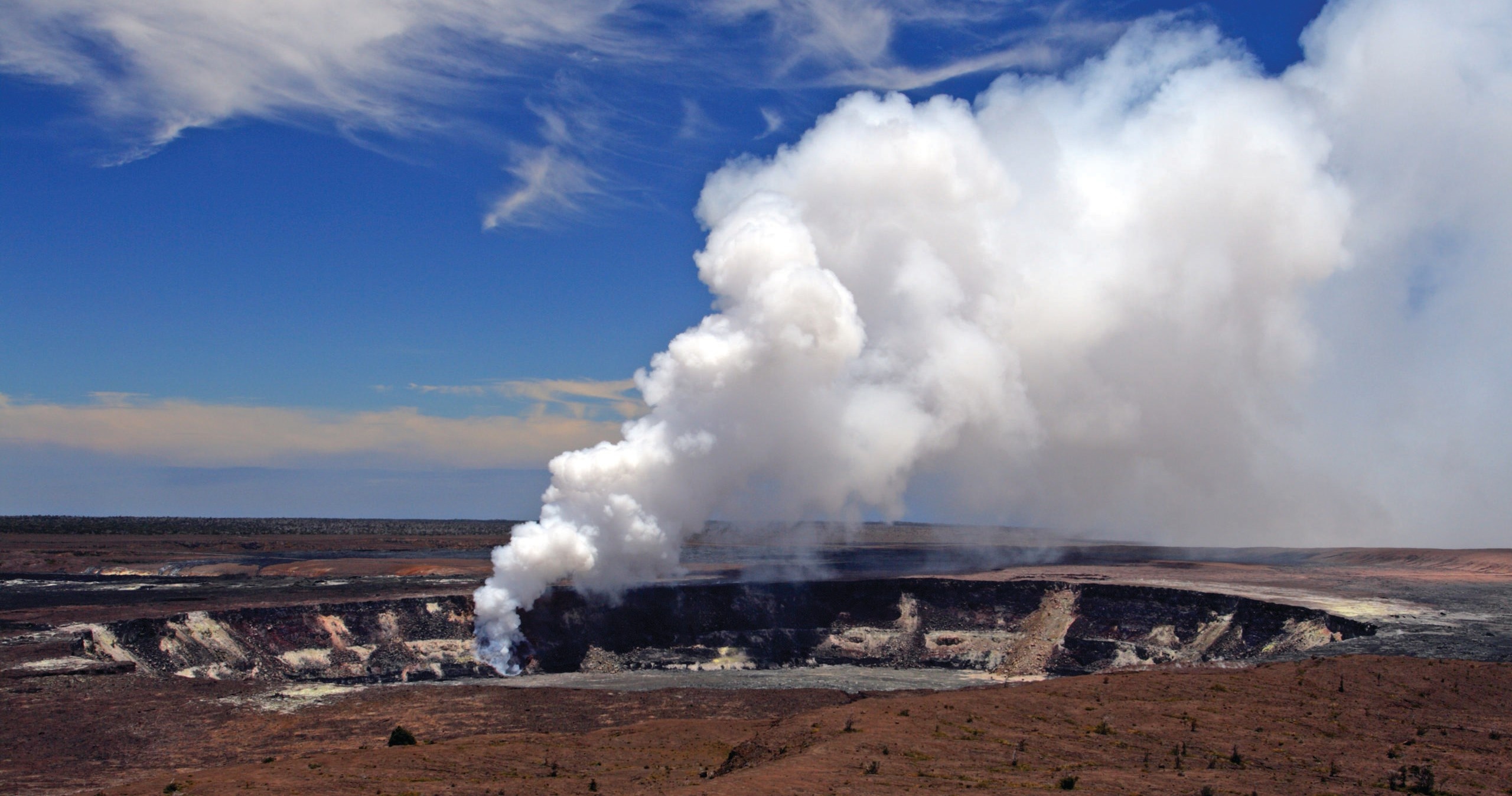
Top 8 Bus Tours in Pahoa, Hawaii
Bus tours from Pahoa offer a relaxed, interpretive way to traverse Puna’s patchwork of black-sand beaches, lava fields, rainforest pockets, and small coastal communities—perfect for travelers who want local context without the stress of narrow, rural driving.
Top Bus Tour Trips in Pahoa
8 trips • Book with confidence • Instant confirmation
Why Pahoa Is a Standout Bus-Tour Destination
Pahoa sits at the edge of two Hawaiʻi: the slow, verdant rhythms of old Puna and the raw, recent geology that reshaped the coastline during the 2018 Kīlauea eruption. A bus tour here is less about transit and more about translation—each mile reveals a layered story of lava and life, of kūpuna (elders) and newcomers, of taro patches tucked into clefts of ʻaʻā, and surf breaking on shorelines that did not exist two decades ago.
From the seat of a well-run tour coach or an intimate minivan, the landscape unfolds like a living atlas. Guides point out native ʻōhiʻa forests threaded with ferns, explain the social and cultural aftermath of lava flows that redirected roads and communities, and time stops so photographers and hikers can sample both the dramatic and the everyday: a black-sand cove, a tidepool flush with life, a rain-fed garden where breadfruit hangs heavy. For travelers who'd rather not wrestle rental-car logistics on narrow rural roads, a bus tour delivers safe navigation, local orientation, and access to talk-story—the Hawaiian oral history that turns a scenic stop into a meaningful encounter.
Practical value meets sensory payoff. Bus tours in and around Pahoa range from short coastal loops that emphasize natural history to all-day excursions that combine coastal drives, lava-field overlooks, thermal springs, and short guided walks. Seasonal weather—trade-wind breezes, sudden tropical showers, and the lingering humidity of sea-level rainforest—means packing a light rain layer and a camera that can handle both salt spray and sudden sun. Because the Puna district is less trafficked than the resort-dense west side of the island, tours often include more time at off-the-beaten-path stops, local food stands, and culturally attuned experiences hosted by community guides.
At its best, a Pahoa bus tour reorients expectations: you arrive not only with a list of photos to take but with a sequence of perspectives—geology, ecology, and human resilience—that slow you down and make even familiar coastal scenery feel newly strange. Whether your focus is natural scenery, cultural history, or simply easy access to outdoor stops like tidepools and short hikes, a thoughtfully run bus tour is the clearest, most convivial way to absorb Puna’s contradictions and charms.
A single-day itinerary might pair the Red Road’s coastal ribbon with a visit to restored black-sand shorelines, a thermal ocean-fed pond, and short, guided walks across hardened lava. Multi-stop options can be combined with snorkeling, short hikes, or a cultural presentation in Pahoa Village.
Operators vary: smaller vans favor flexible, interpretive stops and local hosts, while larger coaches are better for groups and scheduled sightseeing. Ask about walk lengths, road conditions, and whether photo stops require short uneven-surface walks.
Best Time to Visit
Best Months
Weather Notes
Puna’s microclimates mean you can encounter sun, wind, and sudden showers in a single day. Mornings are often calmer; afternoons bring more clouds and brief storms. Coastal mist and vog (volcanic haze) can affect visibility depending on volcanic activity.
Peak Season
Winter holidays and summer travel months draw more visitors; book tours in advance during these periods.
Off-Season Opportunities
Spring and fall shoulder months often have fewer crowds and comfortable weather for full-day tours.
Frequently Asked Questions
How long are typical bus tours from Pahoa?
Tours range from about 3 hours for short coastal loops to 8–10 hours for full-day excursions that include multiple stops and short guided walks.
Are tours suitable for people with limited mobility?
Many operators can accommodate riders who need easier boarding, but some stops include uneven ground or short climbs across hardened lava. Always ask operators about step-free access and alternative stops.
Will I see active lava on a bus tour?
Volcanic activity is variable. Some tours include viewpoints of recent flows when safe and permitted, but availability depends on current conditions and official park access. Operators should brief you on safety and viewing options before booking.
Choose Your Experience Level
Beginner
Short, accessible tours with minimal walking and prioritized photo stops—great for families, older travelers, or those who prefer a relaxed pace.
- Coastal scenic loop with short shoreline stops
- Red Road photo tour with cultural narration
- Half-day tidepool and black-sand beach visit
Intermediate
Full-day tours that mix driving with moderate walking on uneven lava and brief hikes, plus time for snorkeling or a guided nature walk.
- Full-day Puna coastal & lava-overlook tour
- Combination beach, pond soak, and rainforest walk
- Operator-led snorkeling stop plus cultural market visit
Advanced
Multi-site or specialty tours focused on extended hikes, geology deep-dives, or combined land-and-water itineraries—best for travelers comfortable with longer active segments.
- All-day expedition-style tour with extended lava-field walks
- Combined hiking and bus shuttle loop into remote Puna sites
- Photography-focused sunrise or sunset tour with longer on-foot access
Insider Tips & Local Knowledge
Confirm current route, road access, and safety advisories with the operator before departure.
Book smaller-group, locally run operators when you want deeper cultural context and flexible stops. Sit on the side of the bus facing the coastline for the best photo angles; if you’re unsure which side, ask the guide. Pack a waterproof phone sleeve—the combination of spray, salt, and sudden rain can harm electronics. Respect all cultural sites and follow guide instructions at lava and shoreline viewpoints; hardened lava can be sharp and unstable. If you plan to join a tour that includes snorkeling or swimming, bring reef-safe sunscreen and footwear you can remove easily. Finally, combine a morning or sunset tour with nearby activities—Pahoa Village offers food stands and galleries worth exploring, and short guided hikes can extend a bus tour into a full-day adventure without adding driving stress.
What to Bring
Essential
- Reusable water bottle (staying hydrated in tropical heat is essential)
- Light rain shell and a compact layer (trade-wind showers are common)
- Comfortable closed-toe shoes for short walks on uneven lava or trails
- Sun protection: hat, sunglasses, reef-safe sunscreen
- Camera or phone with extra storage and a portable charger
Recommended
- Small daypack to carry layers, water, and snacks
- Motion-sickness remedy if you’re prone (coastal roads can be winding)
- Snorkel gear for tours that include beach stops (or plan to rent locally)
- Binoculars for seabird and coastal spotting
- Cash for small food vendors, tips, or park entry donations
Optional
- Light gloves for handling rough lava on short walks
- Notebook or voice recorder for capturing guide stories
- Light tripod or monopod for low-light or long-exposure shots near shorelines
Ready for Your Bus Tour Adventure?
Browse 8 verified trips in Pahoa with instant booking
Explore Top 15 Pahoa, Hawaii Adventures →