
Pāhoa adventure guide
Find your way into Pāhoa.
A patchwork of black sand beaches, translucent tide pools, and raw volcanic terrain, Pāhoa is where tropical rainforest cushions sudden, otherworldly lava-sculpted shorelines. This guide pairs practical planning—where to hike, swim, and photograph the coast—with the best ways to layer those adventures into half-day and full-day outings across sightseeing tours, eco tours, hiking, snorkeling, kayaking, and photography excursions.
Three ways into the city
Pick a landscape. Build a day around it.
Pāhoa is less a single destination than a collection of neighboring worlds. Start with the version of the city that matches your pace, then use the ranked guide below to fill in the details.

Begin where the city meets the sea.
Surf breaks, sheltered harbors, whale routes, and long beach paths make the coast LA’s most immediate outdoor playground.
Explore water activities →
Let a local connect the landmarks.
Use a guided city, walking, or sightseeing tour to turn LA’s sprawl into a coherent story.
Explore sightseeing tour →Ride the coast and the city.
Beach paths, river corridors, e-bikes, and ridge climbs reveal a more connected Los Angeles.
Explore water activities →Choose your way into Pāhoa
The top 15 Pāhoa adventures.
Ranked by the number of currently listed trips. Each panel opens the complete local activity collection.
1Sightseeing Tour
Pāhoa is where volcanic drama, coastal wildness, and village‑scale aloha meet on foot, by boat, and along black-sand shorelines. Sightseeing tours here are less about ticking boxes and more about deep, sensory encounters: steam wafting from cooled lava, flush tropical growth reclaiming old flows, and neighborhood storefronts that speak to island life. Tours range from short interpretive loops to full‑day coastal circuits that pair geology with local culture.
Explore sightseeing tour → 2
2Hiking
Pāhoa is a pocket of raw, lauded wildness on the east flank of Hawaiʻi Island — where humid tropical forest, black-lava coastlines, and recent flows stitch together a landscape still being written by fire. Hiking here means shifting textures underfoot, sudden ocean views, and the quiet of places most visitors skip.
Explore hiking →3Water Activities
Pāhoa’s shorelines are an intimate study in contrasts: placid tidepools tucked against jagged, lava-sculpted rock, black-sand pockets that glow with late-afternoon sun, and open ocean that alternates between glassy calm and surf-driven power. This guide focuses on water activities around Pāhoa — snorkeling vibrant reef gardens, mindful tidepool exploration, stand-up paddleboarding and kayaking in sheltered bays, and the local surf spots that reward respect and timing.
Explore water activities → 4
4Eco Tour
Pāhoa is a living classroom where earth, ocean, and culture meet. Eco tours here range from guided walks across young lava fields and native-plant restorations to shoreline snorkels that explore tide pools and nearshore reef life. Expect intimate, small-group experiences led by local naturalists and cultural practitioners who connect geology, native ecology, and community stewardship into every outing.
Explore eco tour →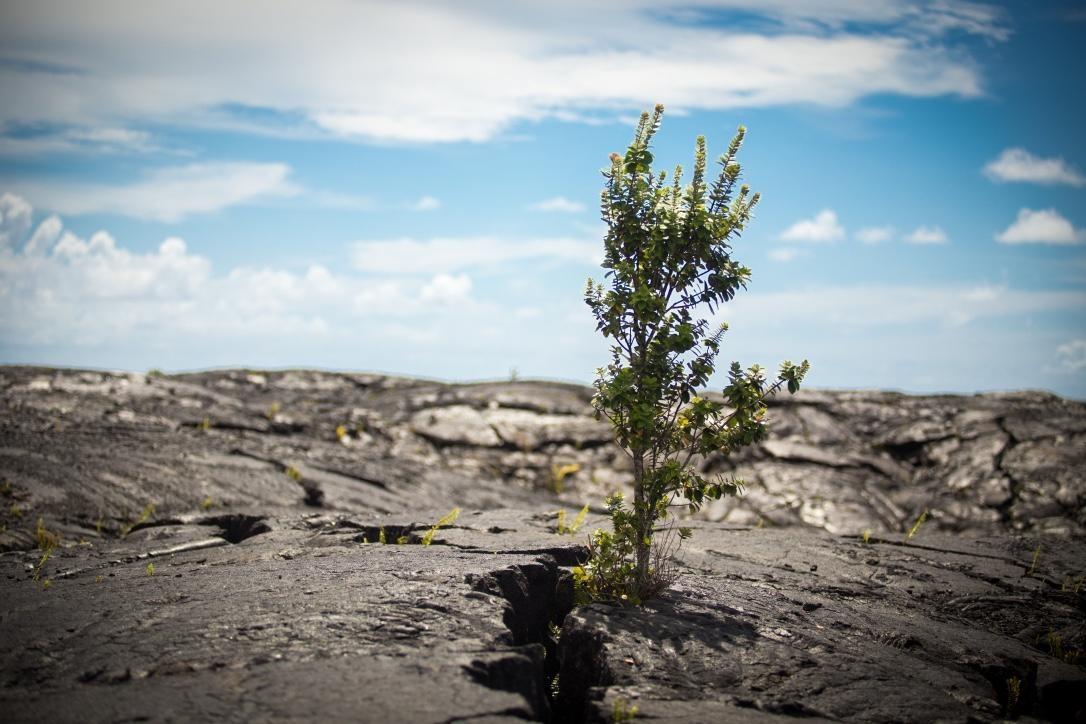 5
5Photography Tour
Pāhoa sits at the edge of the island’s most elemental theater—where lava meets sea, rainforest creeps up old flows, and coastal light evolves by the hour. Photography tours here are less about ticking off postcard shots and more about learning to read raw geology, shifting weather, and island light so your camera can translate a place that keeps changing.
Explore photography tour → 6
6Boat Tour
Boat tours from the eastern shores of the Big Island turn the island’s geological drama and offshore ecosystems into a moving story: basalt cliffs, sea caves, coral gardens, and the chance to watch humpbacks in winter or spinner dolphins year-round. This guide focuses on the boat-based experiences you can access from Pāhoa and nearby launch points—snorkel charters, scenic cruises, sunset runs, and specialty trips that connect sea, sky, and lava-shaped coastline.
Explore boat tour → 7
7Walking Tour
Pāhoa’s walking tours are intimate lessons in geological restlessness and island life. Here, you move at foot pace through lava-sculpted fields, shady tropical lanes, and a small town that wears its history—plantation, settlement, rebirth—on its sleeve. Walks range from short cultural strolls through colorful Pāhoa Village to longer coastal and lava-edge routes that require good footing and respect for shifting terrain. These walks reward close observation: endemic plants threading through new rock, weathered lava molds like accidental sculptures, and the everyday rhythms of a community shaped by land and sea.
Explore walking tour → 8
8City Tour
Pāhoa is where the everyday rhythms of a rural Hawaiian town meet the dramatic push-and-pull of volcanic landscape. City tours here are less about glassed-in skyline views and more about intimate stories: lava-scarred streets, thriving community markets, roadside bakeries, artful ʻohana projects, and coastal access points that show how fire, sea, and people shape place. The best tours blend walking, short drives, and close-up lookouts—ideal for travelers who want cultural context with a side of geological theatre.
Explore city tour → 9
9Scuba
Pāhoa’s coast offers a quietly dramatic entry point to Big Island scuba: lava-carved shorelines, fringing reefs that shelter colorful reef fish, and the patient rhythm of Pacific swell. This guide focuses on scuba experiences reachable from the Pāhoa area—shore entries, local boat runs to nearby reefs, and the seasonal rhythms that shape visibility, currents, and marine life encounters.
Explore scuba →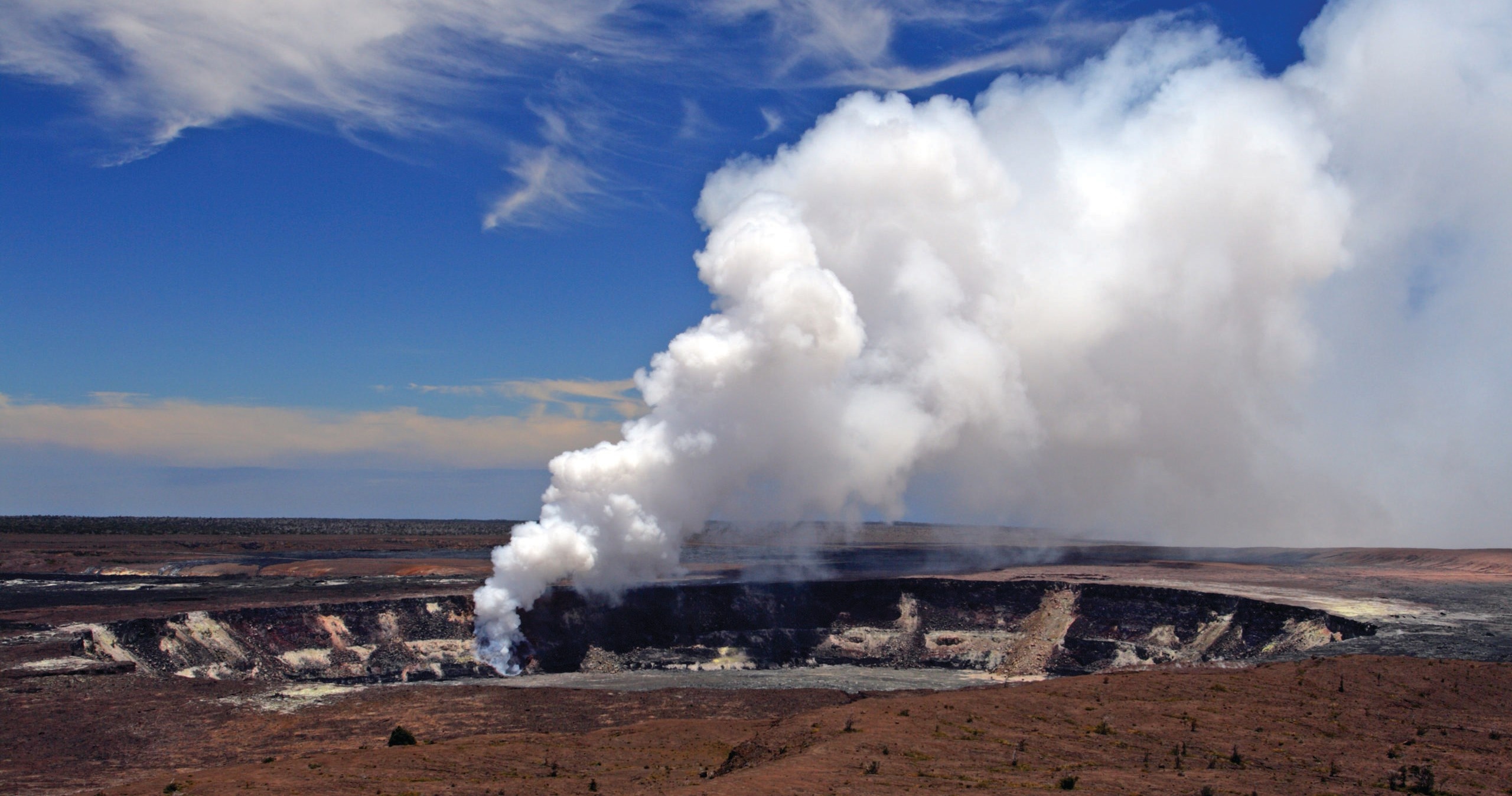 10
10Bus Tour
Pāhoa’s bus tours are a study in contrasts: slow, salt-stung coastal drives that smell of guava and sea spray; highland runs into cloud-touched ʻōhiʻa forests; and rugged, patient explorations of recent lava flows and cultural sites. These guided rides fold together geology, local lore, and access to places that feel both wildly remote and intimately tied to the island’s living landscape—ideal for travelers who want the stories behind the scenery without the strain of long hikes or complex logistics.
Explore bus tour →Fishing
Pāhoa’s fishing is elemental: jagged lava benches that meet the Pacific, nearshore reefs that shelter reef fish, and offshore drops where pelagics congregate. This guide distills shore, small-boat, and guided offshore options into six approachable adventures—each one shaped by Pāhoa’s wild coastline, island weather, and local fishing traditions.
Explore fishing → 12
12Kayak
Pāhoa’s shoreline is an intimate study in volcanic coastlines, warm Pacific water, and the quiet, curious life that lives where lava meets sea. Kayaking here is less about long blue-water crossings and more about moving deliberately along a raw, often sheltered coast—threading tidepools, skirting basalt cliffs, and slipping into coral gardens. This guide focuses on the experiences that make Pāhoa a singular place to paddle: close encounters with marine life, geologic oddities born of recent flows, and short to half-day routes that pair beautifully with snorkeling, lava-field hikes, and thermal soaks.
Explore kayak → 13
13Snorkel
Pāhoa’s shoreline reads like a naturalist’s sketchbook—patchwork black sand, sheltered tide pools carved from fresh lava, and pockets of turquoise sea that feel private even on busy days. Snorkeling here is intimate and varied: you’ll slip past tidepools alive with juvenile reef fish, drift along shallow lava shelves dotted with coralline growth, and find warm-water springs where sea and land trade heat. This guide focuses on where to go, when to go, what to respect, and how to prepare so your Pāhoa snorkel days are safe, sustainable, and unforgettable.
Explore snorkel →Air Activities
Pāhoa's lowland, lava-scarred coast and ever-changing skies make it an evocative base for airborne adventure. From quiet ultralight stretches along the shoreline to helicopter vantage points over recent flows and coastal cliffs, air activities here are about perspective—seeing how fire, sea, and tropical forest meet. This guide focuses on how to plan those flights, what to expect aloft, and how to pair aerial experiences with nearby land- and water-based adventures.
Explore air activities →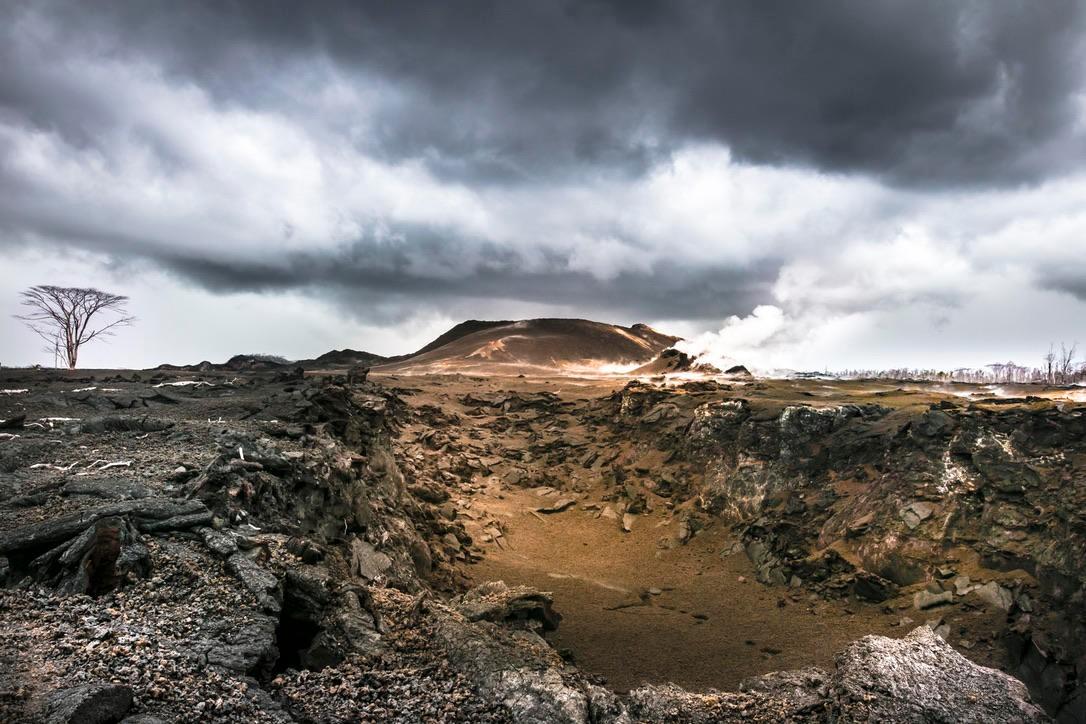 15
15Climbing
Nestled in the low, warm plains of Puna, Pāhoa doesn’t look like a traditional climbing mecca — and that’s exactly the point. Here the vertical world is sculpted by fire: jagged aʻa and glassy pahoehoe create a landscape of short, powerful lines, sharp ledges, and unexpected sea cliffs. The best climbing in and around Pāhoa blends technical handwork on volcanic basalt with adventures that lean into local culture, tide rhythms, and a landscape still being remade by Kīlauea.
Explore climbing →The city and the sea
Why Pāhoa Belongs on Your Island Itinerary
Variety without surrendering the day to long transfers.
The first hour after sunrise in Pāhoa feels like stepping into a naturalist’s notebook. Mist hugs the understory of kukui and ohia trees while distant surf throws thin curtains of spray over jagged black rock. Walk a short coastal trail and the map flips—lush gulches inland, a ribbon of palm-fringed sand, and then the geometry of fresh lava flows folding into the sea. That sudden contrast is the island’s charm: every turn can be a new microclimate and a new frame for photography. Pāhoa’s appeal for travelers is practical as well as elemental. It’s an approachable base for a broad spectrum of activities—sightseeing tour circuits that thread cultural stops and lookout points, eco tours focused on native flora and fauna, guided hikes that read like geology lessons, and water-based outings from snorkel swims in protected tide pools to kayak launches on calmer bays. For photographers, the convergence of vivid flora, dramatic coastline, and evening light produces distinct opportunities at dawn and dusk. For families and casual explorers, easy walking tours and bus- or boat-based options let you absorb the landscape without committing to technical gear. This place also rewards curiosity with layers of human history. Local artisans, small farms, and community markets anchor the town; a casual stop at a café often comes with an exchange about fishing spots, where to see sea turtles, or whether the tide pools are calm enough for kids. Respect for wahi pana (cherished places) is part of the local rhythm—signs, seasonal closures, and ranger advice are the simplest way to fold cultural awareness into any outing. Practical planning matters here because nature moves quickly. Weather switches from gentle trade winds to brief tropical showers; ocean conditions change with swell and tide; and volcanic activity has, at times, reshaped shorelines and access points. That variability is part of the learning curve—and part of the reward. With modest preparation—sun protection, reef-safe sunscreen, sturdy shoes, and a waterproof bag—you can sample snorkeling, scuba, kayak, fishing, and short climbs in a single day. Opt into guided options for boat tours, scuba, and any route that crosses unstable volcanic terrain; guides carry local knowledge you won’t find on a map and they keep safety and cultural protocol front of mind. In short, Pāhoa is for travelers who want the immediacy of raw landscapes alongside the practical comforts of a small-town base: food, local craft, and easy access to the kinds of outdoor activities that turn a trip into a story.
Accessing Pāhoa is straightforward from larger hubs on the island, and the compact nature of Puna means you can pair a morning hike with an afternoon snorkel at a tide pool or a late-day boat tour. Outfitters in and around town offer guided hiking, kayak and snorkel gear, and photography tours tailored to sunrise and sunset light.
Because conditions can change quickly, prioritize flexible plans: book local guides for activities that depend on swell or visibility, and leave itinerary gaps that allow you to chase calm water or clear skies for photography and scuba.
Conditions shape the day
The best time to visit Pāhoa.
Pāhoa sees warm, humid tropical weather year-round with trade winds that can moderate coastal heat. Expect brief afternoon showers, especially in summer. Ocean conditions vary—wind and swell affect snorkeling, kayaking, and boat tours; check daily forecasts and local reports.
Best all-around window
Spring + fall
Comfortable mixed-itinerary weather, thinner crowds at beaches and lookouts, and more room to improvise.
Beach season
Winter holidays and summer school-break weeks bring higher visitation—book guided outings and lodging early.
Surf + whales
Shoulder months deliver quieter trails and more availability with pleasant temperatures; guided operators often run small-group deals in late spring and fall.
Coast to inland
Cool marine mornings often give way to warmer inland afternoons and breezy evenings.
Beginner
Short coastal walks, protected tide-pool snorkel sessions, casual sightseeing tours, and gentle kayak paddles in calm bays.
- Guided tide-pool snorkel at a protected cove
- Short walking tour of Pāhoa village and local markets
- Introductory kayak tour on a sheltered bay
Intermediate
Longer coastal hikes, open-water snorkeling or kayak routes, photography-focused excursions timed for golden hour.
- Half-day hiking loop across lava-sculpted coastline
- Kayak-and-snorkel combo trip to a nearby reef
- Guided photography tour of sunrise and tide pools
Advanced
Multi-segment adventures requiring navigation, variable ocean conditions, or technical terrain—best attempted with local guides and appropriate gear.
- Boat-based scuba diving on exposed reefs
- Cross-coast paddles with tidal planning
- Technical scrambles and guided lava-access outings
Field kit
What to bring.
Pack for sun, salt water, walking, and a meaningful temperature swing between coast and inland Pāhoa.
Essential
Start here
- Reef-safe sunscreen and sun protection (hat, long-sleeve rashguard)
- Sturdy trail or approach shoes for rocky/coastal terrain
- Waterproof pack or dry bag for electronics
- Reusable water bottle and high-energy snacks
- Light rain layer for tropical showers
Water days
Keep it dry
- Mask, snorkel, and reef booties (rentals available locally)
- Compact tripod for low-light coastal photography
- Local map or offline GPS—cell signal can be variable in gulches
- Small first-aid kit and blister supplies
Long days
Stay flexible
- Lightweight climbing harness or helmet for guided lava-slope scrambles
- Binoculars for seabird and whale watching (seasonal)
- Waterproof camera housing or action camera with float leash
Insider note
Start early, then keep the geography tight.
Start early for still water and clean morning light—tide pools and snorkeling are often best at low-to-mid tide with calm swell. Prioritize reef-safe sunscreen and consider renting gear locally to travel light. Book boat and scuba trips a day or two in advance; operators monitor surf and visibility and will shift schedules for safety. Respect marked closures and cultural sites; some coastal areas are wahi kapu (sacred) and signage indicates restricted access. Finally, slow down—Pāhoa rewards unhurried exploration: leave space in your day to discover a roadside fruit stand, meet a local guide, or linger at an overlook you didn’t expect to love.
Good to know
Frequently asked questions.
Can I see lava from Pāhoa?
Lava viewing is intermittent and depends on volcanic activity and permitted access. When shore or flow viewing is available, guided options are the safest and most up-to-date way to see active areas—check official sources and local outfitters before you go.
Is snorkeling safe for families?
Yes—many tide pools and sheltered bays are family-friendly when conditions are calm. Choose protected spots, use reef-safe sunscreen, and keep young swimmers in shallow areas or flotation devices. Ask local outfitters for recommendations.
Do I need a guide for hiking and water activities?
Not for all hikes and walks—many short coastal trails and walking tours are straightforward. Guides are strongly recommended for boat tours, scuba, technical coastal access, and any route across recent lava where paths are unstable or unmarked.
Ready when you are
Find the trip that fits your Pāhoa day.
Compare bookable experiences across the coast, city, and mountains—then save the ones that belong in your plan.
Explore all Pāhoa adventures ↗