Top 8 Bus Tours in Pāhoa, Hawaii
Pāhoa’s bus tours are a study in contrasts: slow, salt-stung coastal drives that smell of guava and sea spray; highland runs into cloud-touched ʻōhiʻa forests; and rugged, patient explorations of recent lava flows and cultural sites. These guided rides fold together geology, local lore, and access to places that feel both wildly remote and intimately tied to the island’s living landscape—ideal for travelers who want the stories behind the scenery without the strain of long hikes or complex logistics.
Top Bus Tour Trips in Pāhoa
8 trips • Book with confidence • Instant confirmation
Why Pāhoa Is a Standout Bus-Tour Destination
The carriage of a comfortable bus — cabin hum, window framed by ferns and broken black lava — is an unexpectedly intimate way to read this edge of Hawaiʻi Island. Pāhoa sits where the island’s wildness and its everyday, local life overlap: tumbled lava fields slope down toward fishing coves, while neighborhoods of fruit orchards and taro patches cluster around creaking, corrugated-roof shops. Bus tours here do more than transport; they translate. They braid Pele’s geology with kupuna stories, point out edible plants growing by the roadside, and open gates to volcanic overlooks and coastal tidepools that would otherwise require local knowledge or a stubborn rental-car negotiation.
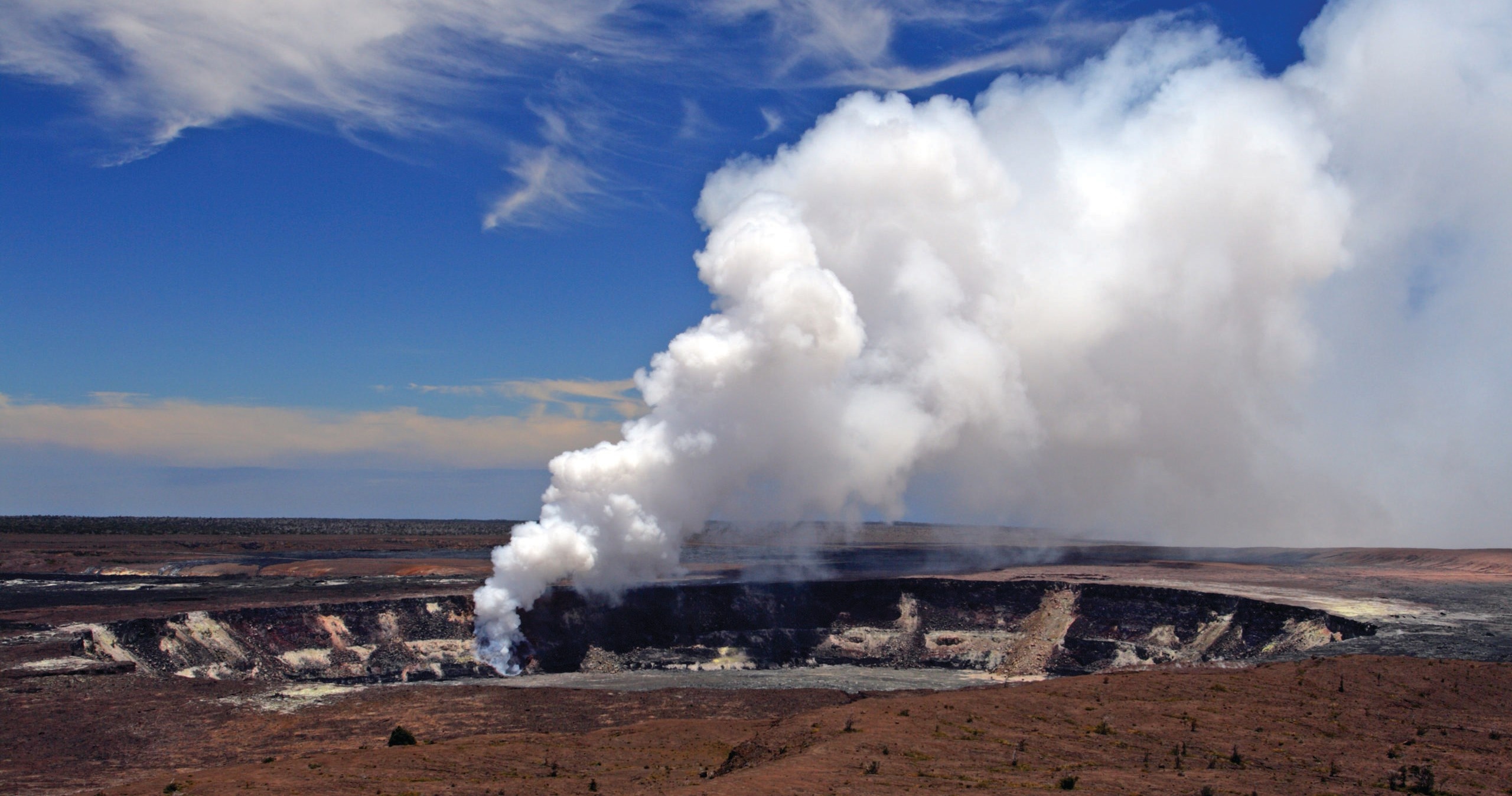
What distinguishes bus tours around Pāhoa is scale and context. On foot you can experience particular micro-environments; on a small, well-run bus you can move between them across hours — from a shaded rainforest stop where hum of insects fills the air to the stark, scarred silence of ʻaʻā lava fields with their glassy, wind-chipped edges. Guides here are often storytellers: they speak to land stewardship, recent flows from Kīlauea, and the cultural significance of sites that may look like empty black rock but are, in Hawaiian understanding, active and sentient places. For travelers who want to see and understand without committing to technical terrain, bus tours offer curated access with a pragmatic safety buffer during changing volcanic or weather conditions.
Pāhoa’s tours are also flexible: half-day coastal routes that stop for snorkeling or tidepool walks; full-day circuits that include rainforest hikes, local farms, and natural hot springs; evening runs timed for sunset light on new lava or for distant glow views when conditions allow. The buses themselves vary — everything from open-sided, small-group vans designed for photo access to larger, climate-controlled coaches with onboard narration. This variety means the experience can be tailored to families, photography-minded travelers, older visitors, or those focused on cultural immersion. Finally, bus tours are a responsible choice here: many operators follow community-based guidelines, limit access to fragile sites, and work with local land stewards to ensure visitation supports, rather than degrades, places that are both ecologically sensitive and culturally sacred.
Small-group vans offer the nimbleness to stop on narrow coastal roads and to transfer onto footpaths for short hikes that connect with swimming spots or lava viewing areas.
Evening and night runs are designed around safe vantage points for glow or steam plumes when volcanic activity is present—operators update routes daily to reflect access and safety conditions.
Guides commonly include stops at local farms, coffee and fruit stands, and community-run cultural sites—these tie the landscape to livelihoods and create opportunities for direct support of local vendors.
Best Time to Visit
Best Months
Weather Notes
Puna’s coast is warm year-round, but the area sees seasonal trade-wind patterns and heavier rains in winter months (November–March). Microclimates can change rapidly; higher elevation or inland rainforest stops will be cooler and wetter. Volcanic activity can prompt route changes or temporary closures—check daily advisories.
Peak Season
December–March (winter visitors) and mid-summer holidays—expect higher demand for guided tours and advance booking.
Off-Season Opportunities
Shoulder months (spring and fall) offer fewer crowds, more flexible scheduling, and often clearer conditions for lava viewing and coastal stops.
Frequently Asked Questions
Do bus tours go to active lava viewing areas?
Some do, but routes depend entirely on current volcanic activity and access permissions. Operators will alter itineraries for safety and to protect culturally sensitive sites—confirm the operator's policy and recent updates before you book.
Are tours suitable for families and older travelers?
Yes. Many tours are family-friendly and tailored for older travelers with limited walking. Small-group vans offer easy entry and shorter walks; larger coaches may have fewer on-foot stops. Ask operators about mobility needs ahead of time.
How far in advance should I book?
For peak holiday periods and special evening glow-viewing runs, book 2–6 weeks in advance. For off-season weekdays, you can often book closer to the travel date, but same-day availability is not guaranteed.
Can I combine a bus tour with other activities?
Yes. Many operators pair bus routes with short guided hikes, tidepool stops, snorkeling, or visits to farms and cultural centers. Check itineraries for included activities and any additional fees.
Choose Your Experience Level
Beginner
Short, approachable tours that require minimal walking—ideal for families, older visitors, and travelers who prefer minimal on-foot time while still seeing diverse landscapes.
- Coastal scenic loop with tidepool stops
- Half-day rainforest-and-farm tour with local-market visit
- Sunset coach run to safe lava-overlook vantage points (when active)
Intermediate
Full-day bus tours mixing moderate, guided walks and transfers between varied terrain—good for travelers who want both context and a bit of light exploration on foot.
- Full-day Puna circuit: black-sand beaches, lava fields, and rainforest trail
- Guided tour with a short hike to a secluded coastal swim spot
- Combination cultural-and-geology tour with farm lunch
Advanced
Custom or private van tours that access rugged edges and require more mobility—these may include multiple short hikes on uneven lava, longer shoreline walks, and opportunistic stops based on current conditions.
- Private off-road van to recent flow margins and remote shorelines
- Multi-stop geology deep-dive with expert guide and extended hikes
- Overnight combo tour linking sunset lava views and early-morning rainforest walks
Insider Tips & Local Knowledge
Verify daily volcanic, road, and weather advisories; work with operators who respect cultural protocols and land steward guidelines.
Book smaller, locally run companies when possible—these operators tend to have the best routes, real-time local knowledge, and deeper ties to communities. Expect itineraries to change: good guides will adapt plans for safety and for the highest-quality viewing opportunities. Bring cash for farm stands and community sites, and consider timing tours earlier in the day to avoid heat and afternoon showers. If viewing lava glow is a priority, choose a tour that emphasizes safety and permitted access; operators will generally avoid trespassing and will prioritize approved vantage points. Combine a bus tour with nearby activities: a morning tour through lava and rainforest pairs well with an afternoon dip at a nearby tidepool or a visit to local botanical gardens. Finally, practice light-footprint travel—stay on marked paths, don’t remove rocks or vegetation, and listen to guides about culturally sensitive places. Your patience and respect keep these routes open for everyone.
What to Bring
Essential
- Light rain shell and breathable layers (microclimates vary along route)
- Reusable water bottle and snacks for half- or full-day tours
- Camera or phone with extra storage and a car/portable charger
- Motion-sickness medication if you’re prone to seasickness or winding roads
- Valid ID and any necessary mobility aids
Recommended
- Hat and sunscreen for exposed coastal stops
- Comfortable closed-toe shoes for short hikes and rocky shorelines
- Small daypack to carry layers, water, and purchases from local vendors
- Binoculars for coastal birding and distant glow-views
Optional
- Swimwear and quick-dry towel for beach or hot-spring stops
- Light insect repellent for rainforest edges
- Cash for small vendors and community sites that may not accept cards
Ready for Your Bus Tour Adventure?
Browse 8 verified trips in Pāhoa with instant booking
Explore Top 15 Pāhoa, Hawaii Adventures →