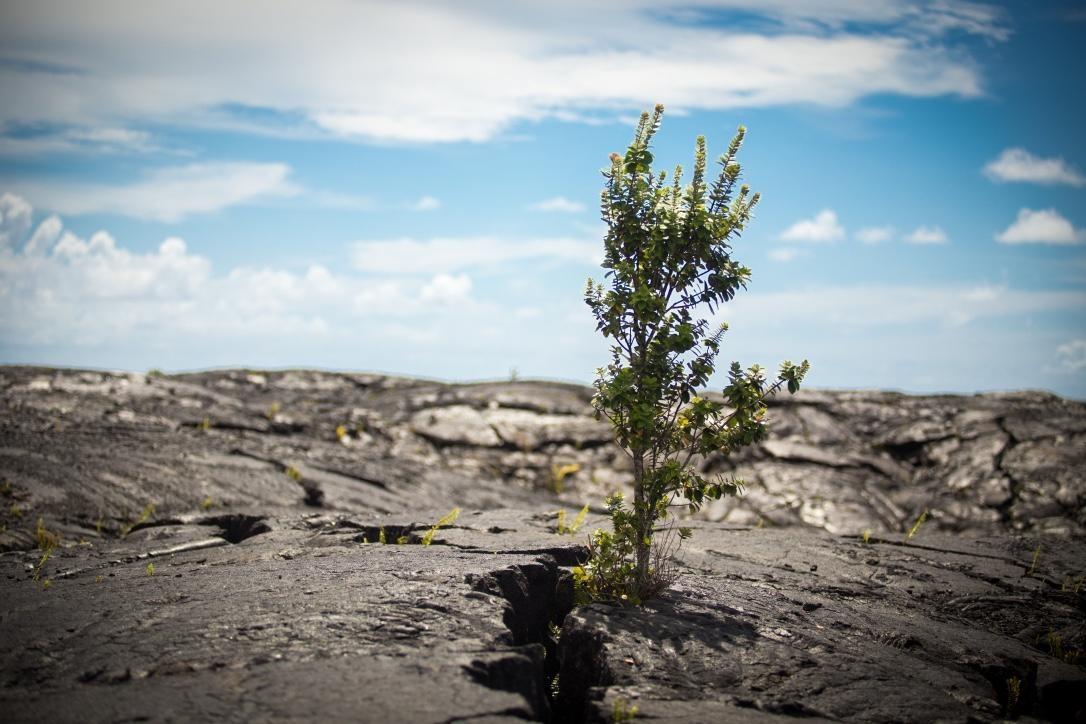
Photography Tours in Pahoa, Hawaii
Pahoa is a photographer’s study in contrasts: saturated tropical greens that bleed into stark black volcanic coastline, intimate cultural scenes in small-town enclaves, and long, luminous window hours for both sunrise and night-sky work. This guide focuses on photography tours—guided and self-led—designed to place your lens where light, land, and local stories intersect.
Top Photography Tour Trips in Pahoa
13 trips • Book with confidence • Instant confirmation
Why Pahoa Is a Unique Place for Photography Tours
Pahoa sits at the seam where tropics and fire meet—the kind of place where every hour of the day can feel like a different assignment. For photographers, that diversity is a gift: jagged black sand shores provide a high-contrast foreground for low-angle golden light; fern-draped trails and roadside gardens create living studio sets for intimate nature and macro work; and the small-town streets and markets offer unobtrusive portraits of everyday island life. Beyond subject matter, Pahoa’s climate and geography set the technical parameters for a successful shoot. Morning mists in sheltered valleys soften highlights and extend the sweet light window; trade winds can sculpt ocean spray into dynamic foregrounds for long exposures; and the island’s latitude gives photographers comfortable dusk-to-dark transitions ideal for both sunset color studies and early-night astrophotography.
A photography tour in Pahoa tends to emphasize accessibility paired with narrative context. Local guides translate place into story—pointing out cultural landmarks, explaining the seasonal cycles of coastal plants, and identifying safe vantage points near geological features. Tours range from short village photo walks that teach composition and light management to half-day excursions along the coast and into nearby forest pockets where conditions change rapidly and a nimble kit becomes essential. Many guided experiences also include practical instruction—how to bracket exposures across volatile tonal ranges, how to set up long exposures on wet basalt, or how to manage color balance in mixed light under canopy and open sky.
Environmental sensitivity is central to the practice here. Pahoa’s landscapes are living systems shaped by volcanic activity, ocean energy, and human stewardship. Photographers are encouraged to approach locations with a conservation-first mindset: stay on marked paths, respect private property and culturally significant sites, and minimize footprint when setting up equipment. The best images typically come from patience and repeated visits—returning to a favorite point at different tides, or chasing the light across a week rather than trying to squeeze everything into a single outing. That slow, observant approach yields richer images and a deeper respect for a place that is both fragile and explosively alive.
Finally, Pahoa’s compact scale means complementary activities—snorkeling trips for underwater imagery, early-morning birding for native species portraits, and evening cultural events for environmental storytelling—are all within easy reach. A well-structured photography tour will weave technical skill-building with cultural context and logistical clarity, leaving you not only with a portfolio of strong images but also with knowledge about how to return and continue the work responsibly.
Pahoa’s photographic strengths lie in contrasts: wet vs. dry, cultivated vs. wild, intimate micro-scenes and expansive coastal panoramas. Tours that balance these elements give a rounded visual story of the place.
Guides here often blend practical camera instruction with local knowledge—where light is best at sunrise, which tide windows reveal sculpted lava formations, and how to approach community subjects respectfully.
Because weather shifts fast, the best strategy is flexibility: plan for multiple short shoots in different microclimates rather than one long outing in a single location.
Best Time to Visit
Best Months
Weather Notes
Pahoa’s tropical climate is relatively warm year-round. Trade winds bring clear mornings and cooling breezes, while localized showers can appear quickly, especially in upland or forested zones. Volcanic haze (vog) and ocean spray can affect air clarity; both are seasonal and dependent on volcanic activity and wind direction—monitor advisories when planning visibility-dependent shoots.
Peak Season
Late spring and autumn shoulder months bring clearer skies and lighter crowds—ideal for extended multi-day photography work.
Off-Season Opportunities
Summer months can offer dramatic, storm-lit skies and lush vegetation; winter months bring slightly cooler nights and potential for clearer air. Off-season travel often yields more solitude and flexible scheduling with local guides.
Frequently Asked Questions
Do I need permits to photograph in Pahoa?
Most public beaches and roadside vistas do not require permits for personal photography. Commercial shoots, drone use, or access to protected cultural sites may require permits—confirm with land managers, tour operators, or local authorities before planning professional or commercial work.
Are drone flights allowed on photography tours?
Drone regulations are frequently updated and may restrict flights over certain coastal areas, state parks, or near people and wildlife. Many tour operators have specific drone policies; always check local rules and obtain necessary approvals before flying.
How physically demanding are photography tours in Pahoa?
Tours vary: some are gentle village walks suitable for beginners, while others require negotiating uneven lava, muddy rainforest paths, or low coastal cliffs. Read tour descriptions for terrain and mobility requirements, and choose rides that match your comfort level.
Choose Your Experience Level
Beginner
Short, guided village walks and accessible beach shoots focused on composition and basic exposure control.
- Sunrise portrait walk through a coastal community
- Black sand beach composition workshop
- Introductory macro session in a botanical garden or roadside garden
Intermediate
Half-day tours that include varied light conditions—coastal panoramas, tide-dependent compositions, and low-light sunset shoots requiring tripods and exposure blending.
- Coastal vantage points at golden hour
- Tide-timed lava-rock long exposure session
- Sunset-to-blue-hour transition workshop
Advanced
Tech-heavy outings that demand fieldcraft: astrophotography, long-exposure seascapes in tricky surf zones, or multi-day projects requiring logistics and advanced post-processing.
- Night-sky and Milky Way imaging from dark-sky vantage points
- Timed long-exposure seascape work at low tide with neutral-density techniques
- Multi-location portfolio day combining portrait, landscape, and cultural shoots
Insider Tips & Local Knowledge
Respect private property and culturally significant sites; always ask permission before approaching people or sacred places.
Work with a local guide for access and context—guides know safe vantage points, tide and weather windows, and the cultural protocols around certain sites. Scout locations at two different times of day when possible: the same spot can produce completely different images at dawn and dusk. Pack for humidity and sudden rain: silica packs, weather seals, and absorbent cloths will protect gear better than worrying about a single rain cover. Bring extra batteries and a portable charger—long exposures, cold evenings, and continuous shooting consume power fast. If you plan night or astro work, check moon phases and local light pollution; new-moon windows deliver the richest Milky Way shots. Finally, move slowly and leave no trace: compact tripods and low-impact footpaths help preserve the places that make Pahoa special.
What to Bring
Essential
- Weather-sealed camera body & one versatile zoom (24–70mm or equivalent)
- Sturdy travel tripod for long exposures and low-light work
- Spare batteries and multiple memory cards
- Rain protection for gear (cover or dry bag) and quick-dry clothing
- Sturdy, closed-toe shoes with good grip for lava and muddy trails
Recommended
- Wide-angle lens (14–35mm) for coastal panoramas and night sky
- Telephoto (70–200mm) for compressed coastal scenes and birds
- Neutral-density and graduated ND filters for long exposures and balanced sky/foreground exposures
- Circular polarizer to manage reflections and deepen skies
- Headlamp with red light for night shoots and astronomical work
Optional
- Macro lens for plant and insect details
- Drone (check local regulations and operator policies before bringing)
- Waterproof boots or gaiters for wet shoreline access
- Portable power bank and compact cleaning kit
- Notebook or tablet for shot lists and field notes
Ready for Your Photography Tour Adventure?
Browse 13 verified trips in Pahoa with instant booking
Explore Top 15 Pahoa, Hawaii Adventures →