Top 5 Climbing Adventures in Pahoa, Hawaii
Pahoa’s climbing is less about polished crags and more about elemental encounters — basalt outcrops shaped by recent lava flows, sea cliffs rimmed by surf, and jungle-encroached pockets of stone that reward motion over metrics. This guide zeroes in on climbing experiences around Pahoa: scrambling and short trad lines on volcanic rock, adventurous bouldering on coastal benches, and carefully managed ascents where access and safety demand respect for both land and local culture.
Top Climbing Trips in Pahoa
5 trips • Book with confidence • Instant confirmation
Why Pahoa Is an Uncommon Climbing Destination
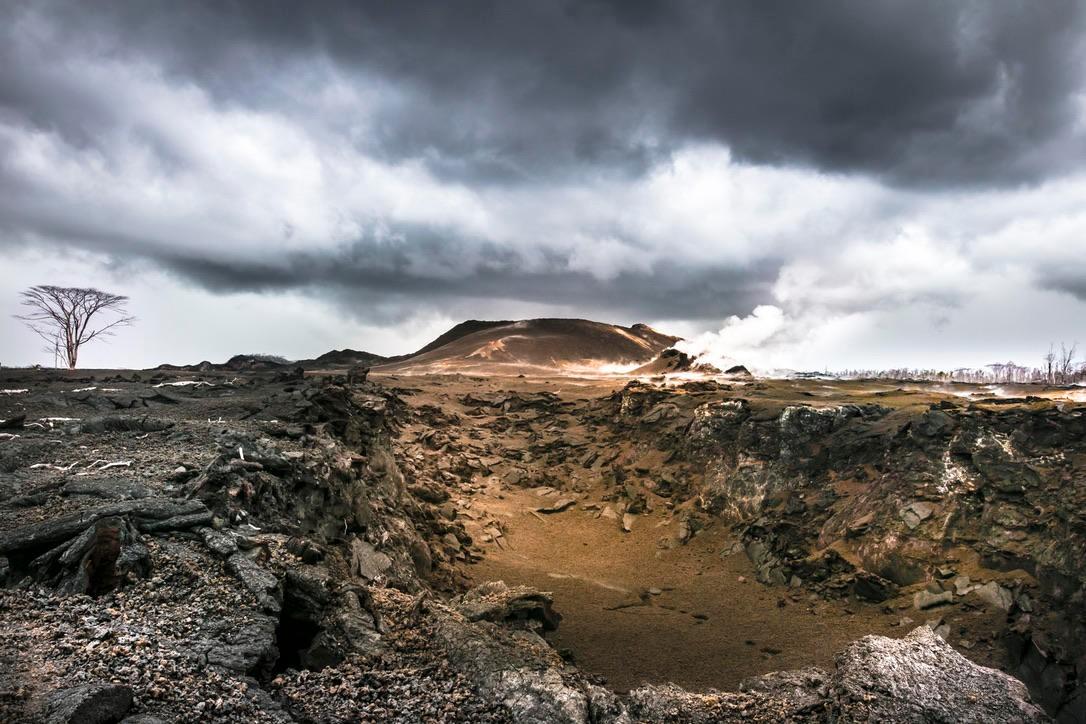
Pahoa sits on the softer edge of the island of Hawai‘i — where the raw geometry of fresh and old lava fields meets a slow tropical reclamation. Climbing here doesn’t follow the polished logic of sport crags or the tidy topo of guidebook classics; it is an improvisational practice, a study in texture, tide, and weather. Basalt flows produce a palette of features: sharp edges and bulbous pockets, fractured columns, and horizontal benches that make for memorable scrambling and bouldering sessions. Where the coastline drops away, sea cliffs offer dramatic exposure with surf as the soundtrack, while inland, jungle can conceal steep, surprisingly tall outcrops that require route-finding and a careful approach.
The appeal is both aesthetic and elemental. Climbers come for the geology — the way black lava absorbs heat, how the ocean spray polishes handholds, and how the land is still young enough to change in visible ways after eruptions. They also come for low-traffic experiences: short approaches, variable problems, and a sense of exploration that rewards humility and planning. But Pahoa is not a white-box climbing playground. Access is often dictated by land ownership, fragile ecosystems, and the aftershocks of recent volcanic activity; sections of coast or lava field can be closed on short notice, and many of the best features lie on uneven, sharp terrain that punishes slackness in footwear and attention.
That combination of intimacy and unpredictability shapes the local climbing ethos: prepare for heat and humidity, respect tide lines and cultural sites, and carry the gear and knowledge to climb unbolted or sparsely bolted lines. Complementary activities are abundant and logical — tidepool exploration after a morning boulder session, surf checks off black-sand beaches, or a restorative dip in a freshwater stream after a hot day on basalt. For travelers, the Pahoa climbing experience is more about curiosity than conquest. It rewards those who come prepared to move light, read rock, and improvise solutions where modern hardware is sparse and nature still writes the route descriptions.
Pahoa’s volcanic terrain creates unique climbing textures: sharp basalt pockets, columnar formations, and coastal benches formed by lava meeting the sea.
Many climbs are informal and require self-reliance — expect route-finding, limited fixed protection, and approaches across uneven lava or slippery jungle trails.
Access and conditions can change quickly: land managers, private property boundaries, coastline erosion, and volcanic activity all affect where and when you can climb.
Complementary pursuits include snorkeling in protected coves, guided volcano tours to understand the geology, and lowland hikes through rainforest pockets.
Best Time to Visit
Best Months
Weather Notes
Warm and humid year-round. Trade winds often moderate heat and moisture, but Pahoa’s microclimates produce sudden showers—especially Nov–Apr. Volcanic vog (sulfurous haze) can reduce air quality near active vents and affect respiration and visibility; check local advisories before planning strenuous climbs.
Peak Season
Winter holidays (Dec–Jan) and spring break see higher visitation; expect busier beaches and limited parking near popular coastal access points.
Off-Season Opportunities
Late fall and winter bring quieter crags and easier access to land-managed sites, but wetter conditions increase slipperiness on rock and approaches.
Frequently Asked Questions
Do I need permits or permissions to climb near Pahoa?
Access varies. Some coastal and lava-field areas are public, others are on private or restricted lands. Certain preserves and state-managed sites may require permits or have closures. Always check county, state, and landowner status before heading out.
Are there fixed anchors and bolts on routes?
Many lines are informal with limited fixed protection. Expect to place your own gear or use natural features. If you require bolted sport climbs, research specific locations in advance — many Pahoa-area problems are trad or boulder-focused.
Can beginners climb here?
Yes, but choose objectives carefully. Beginners will find short, low-angle scrambles and easy boulder problems appropriate with a knowledgeable partner and proper protection. Steeper sea cliffs and unbolted trad sections require experience and conservative judgment.
Are local guides available?
Local guiding services and climbing instructors operate on the Big Island and can provide technical instruction, gear, and access knowledge. Book in advance, and confirm guide credentials and insurance.
Choose Your Experience Level
Beginner
Short scrambles on low-angle basalt, easy boulder problems, and guided instruction focusing on movement and safety.
- Low coastal bouldering at high tide-safe benches
- Short lava-shelf scrambles with minimal exposure
- Introductory coached sessions on movement and rock-reading
Intermediate
Longer multi-pitch-style approaches on fractured lava, taller sea-cliff routes with runouts, and technical bouldering requiring advanced footwork.
- Multi-pitch trad-style moves on columnar basalt
- Exposed sea-cliff scrambles timed to tides
- Extended bouldering circuits with multiple landings
Advanced
Route-finding across remote lava fields, constructing natural anchors, climbing on thin or sharp features, and committing coastal ascents with complex retreat options.
- Route-finding and placing protection on sparsely bolted lines
- High-exposure traverses along eroded coastal cliffs
- Self-supported climbing missions requiring navigation and camp planning
Insider Tips & Local Knowledge
Verify access, weather, and volcanic advisories before you go.
Start early to avoid midday heat and to time coastal climbs with safe tides. Wear full-coverage shoes and consider thin gloves for handling sharp lava. Respect cultural sites and stay off marked wahi kapu (sacred) areas; if locals request space, comply — relationships matter here. Check the Hawai‘i County website and local ranger updates for closures after flows or storms. Carry extra water and plan for slippery approaches after rain: even short problems can become hazardous when rock is wet. Finally, pack out all gear and trash — the fragile volcanic soils and coastal ecosystems recover slowly. If you’re unsure about an objective, hire a local guide for route beta, safety, and access etiquette.
What to Bring
Essential
- Sturdy climbing shoes and an extra pair of approach shoes with rugged soles
- Helmet rated for rock and falling debris
- Harness, slings, and a minimal trad rack if you plan unbolted routes
- Plenty of water and sun protection (high UV and heat retention on black rock)
- Topo or GPS, and a charged phone with offline maps
Recommended
- Sticky rubber shoes or dedicated bouldering shoes for short, sharp problems
- Lightweight crash pad(s) and at least one spotter for bouldering on coastal benches
- Gloves for sharp lava approaches and rope management
- Small first-aid kit and duct tape for quick protection repairs
- Light long sleeve and quick-dry layers to protect from sun and abrasive rock
Optional
- Tide chart for coastal sessions
- Compact camera with wide-angle lens for dramatic coastal shots
- Binoculars for scouting sea cliffs and remote outcrops
- Topo notes or beta printed and laminated for wet conditions
Ready for Your Climbing Adventure?
Browse 5 verified trips in Pahoa with instant booking
Explore Top 15 Pahoa, Hawaii Adventures →