
Kōloa adventure guide
Find your way into Kōloa.
Tucked on Kauaʻi’s sunny southern shore, Kōloa layers sugar‑plantation history with surf breaks, turquoise coves, and scrubby coastal hikes. This guide pairs practical planning—where to rent a boat, when to time a whale watch, and the best snorkeling coves—with evocative daydreams of catamaran sunsets, early‑morning surf, and cavernous coastal caves.
Three ways into the city
Pick a landscape. Build a day around it.
Kōloa is less a single destination than a collection of neighboring worlds. Start with the version of the city that matches your pace, then use the ranked guide below to fill in the details.

Begin where the city meets the sea.
Surf breaks, sheltered harbors, whale routes, and long beach paths make the coast LA’s most immediate outdoor playground.
Explore water activities →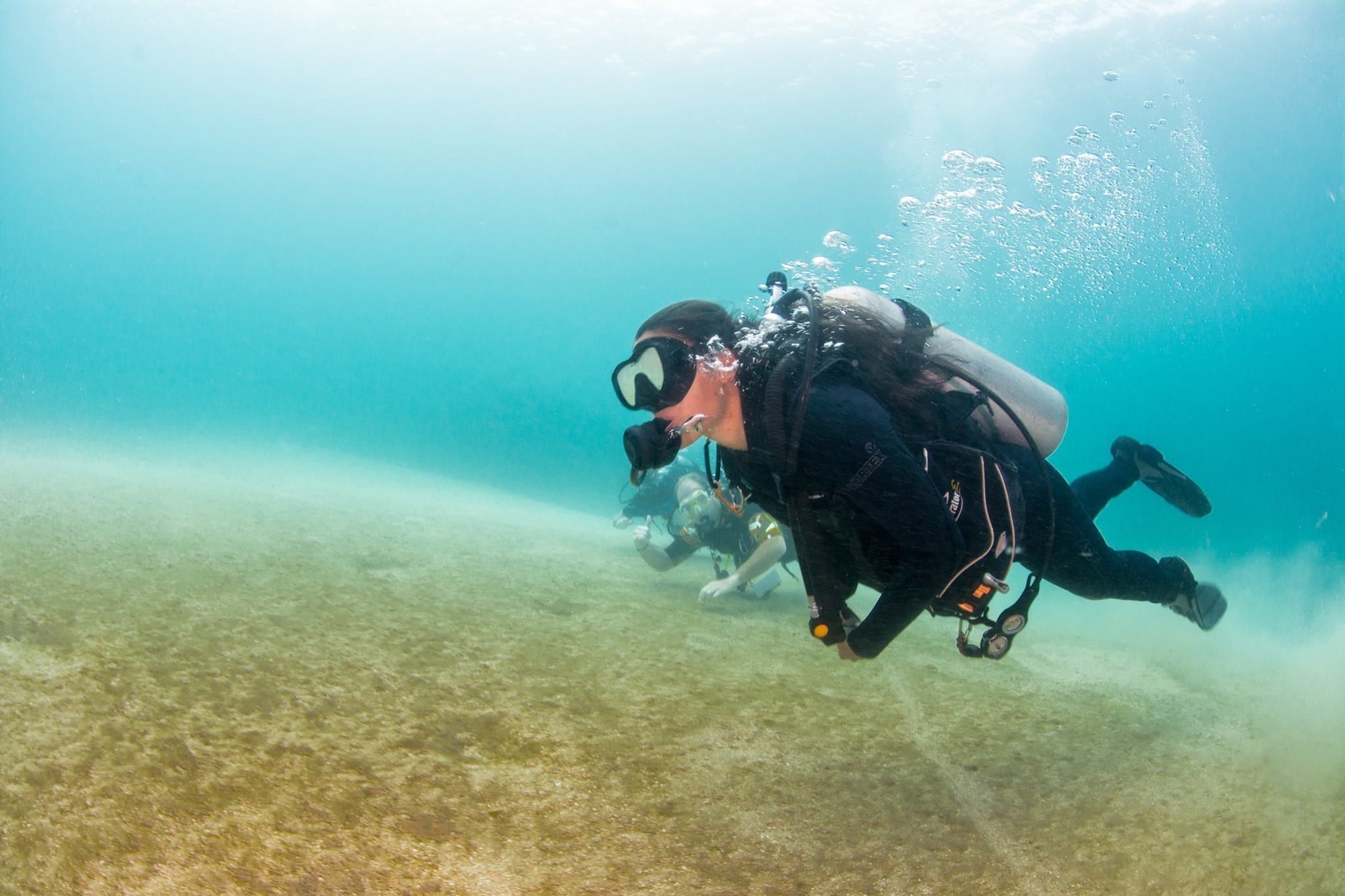
Let a local connect the landmarks.
Use a guided city, walking, or sightseeing tour to turn LA’s sprawl into a coherent story.
Explore boat tour →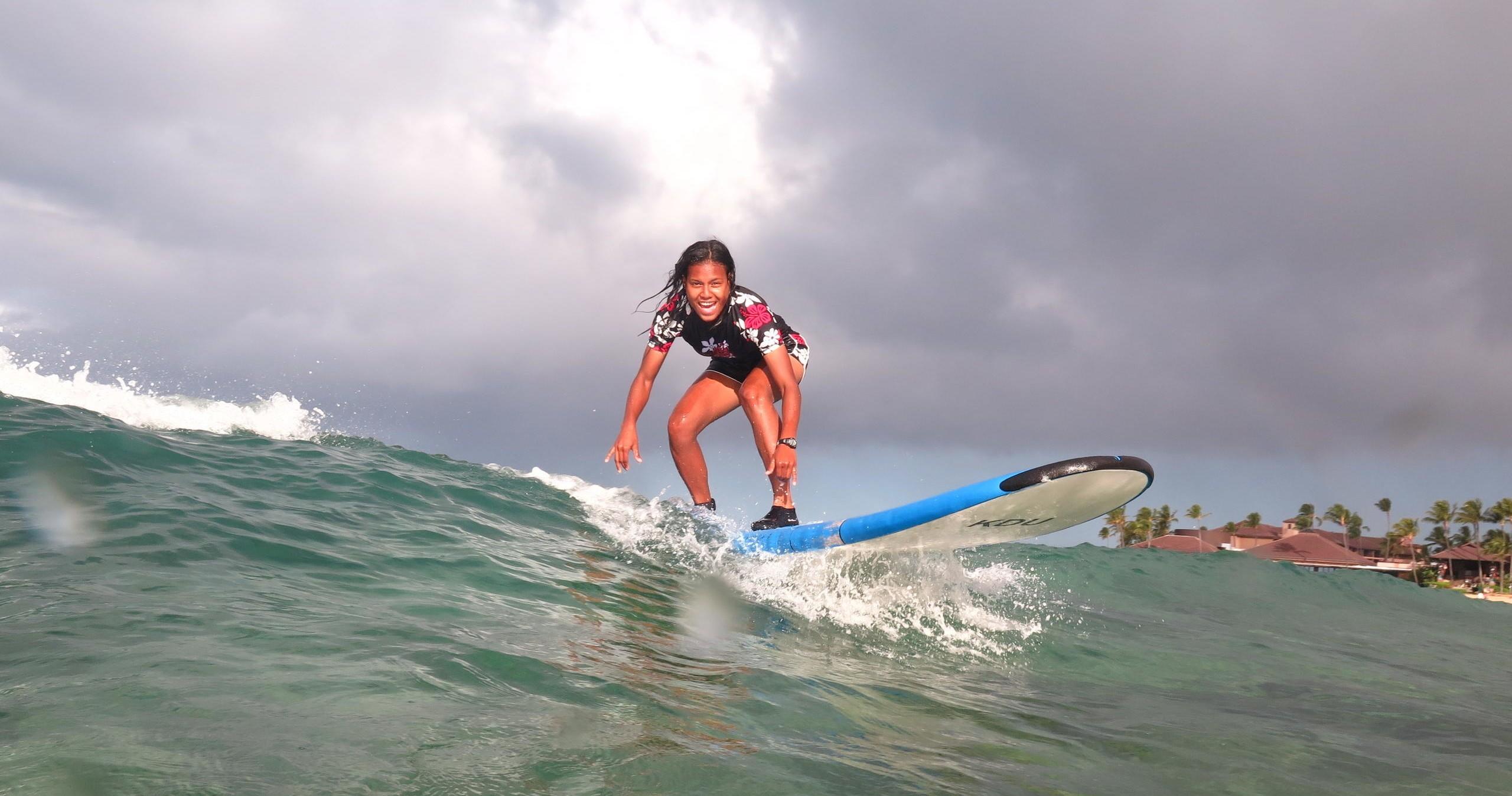
Ride the coast and the city.
Beach paths, river corridors, e-bikes, and ridge climbs reveal a more connected Los Angeles.
Explore surf →Choose your way into Kōloa
The top 15 Kōloa adventures.
Ranked by the number of currently listed trips. Each panel opens the complete local activity collection.
1Water Activities
Kōloa's shoreline compresses a surprising variety of ocean experiences into a few miles of polished coast: sheltered reef snorkeling, soft-sand swimming beaches, surf breaks that pulse with winter energy, and boat corridors that open to the dramatic cliffs of the Nā Pali Coast. This guide focuses on water activities native to Kōloa and the nearby Poʻipū coastline—where cultural history, marine ecology, and the mechanics of wind and swell shape everything from serene paddling mornings to high-adrenaline surf sessions.
Explore water activities →2Boat Tour
Kōloa’s south shore is a gateway to crystalline reefs, sheltered bays, and dramatic coastal cliffs. Boat tours here range from easy sunset sails to high-adrenaline zodiac runs along sea cliffs and guided snorkel trips that skirt vibrant coral gardens. This guide focuses on the on-water experiences that launch from Kōloa and nearby harbors—how to choose a trip, what to expect from the ocean, and practical tips to turn a single outing into the centerpiece of your Kauaʻi visit.
Explore boat tour →3Surf
Kōloa’s south shore folds the Pacific into a small, sunlit amphitheater where reef and sandbars sculpt waves for everyone—from first-time longboarders to local shortboard chargers. Warm water, consistent trade winds, and a mix of protected beginner breaks and exposed reef points make Kōloa a compelling surf base. This guide zeroes in on surf-specific planning: where to find forgiving whitewater, when the south shore pulses with performance swells, and how to layer complementary experiences—snorkel cruises, coastal hikes, and SUP sessions—into a surf-focused visit.
Explore surf →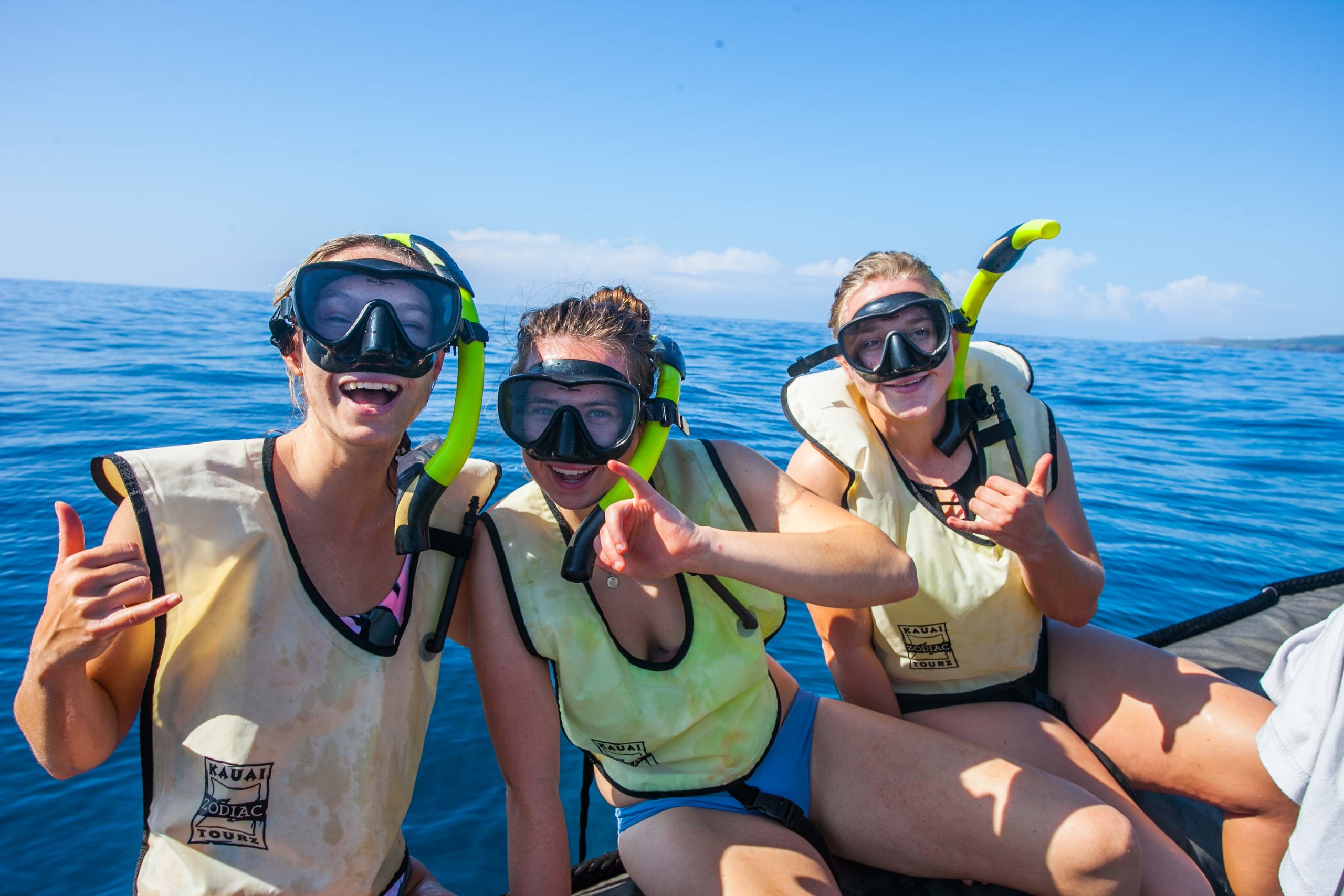 4
4Snorkel
Kōloa on Kauai’s sun‑kissed south shore is a snorkeling destination where turquoise shallows stage close encounters with honu (Hawaiian green sea turtles), colorful reef fish, and sculpted coral gardens. From easy shore entries at Poʻipū to chartered boat runs toward protected off‑shore reefs and sea‑cave ledges along the coast, snorkeling here balances effortless access with opportunities for discovery. This guide focuses on where to go, when to go, and how to plan a safe, low‑impact snorkel in Kōloa.
Explore snorkel → 5
5Scuba
Kōloa's south shore—anchored by Poipu's coral gardens and sheltered bays—offers some of Kauaʻi's most accessible and rewarding scuba diving. Expect warm water, friendly reef life, and a mix of gentle shore entries and short boat runs to offshore bommies. This guide focuses on how to plan dives here: when to go, what you'll see, and how to match trips to your certification level.
Explore scuba → 6
6Sightseeing Tour
Kōloa is a compact coastal tapestry where surf-sanded coves, sugar-plantation history, and raw sea cliffs sit within easy reach. Sightseeing tours here range from short cultural walks through the old town to boat cruises that skirt dramatic coastline and guided drives that trace the island's agricultural past. This guide focuses on how to choose the right sightseeing style—shoreline strolls, narrated land tours, small-boat excursions, and combo experiences that pair easy hikes or snorkeling—while giving practical tips on terrain, weather, access, and the complementary activities that make Kōloa an ideal base for coastal discovery.
Explore sightseeing tour → 7
7Boat Rental
Kōloa's southern shore on Kauaʻi punches well above its size when it comes to on-water experiences. From short, sheltered cruiser rentals for family snorkeling to full-day charters that chase the Nā Pali cliffs and offshore reefs, boat rentals in Kōloa are the easiest way to translate the island's volcanic coastline into a day of marine adventure. Expect clear waters, a chance at spinner dolphins and humpback whales in season, and access to snorkeling gardens and sea caves that are unreachable from land. This guide focuses on what to expect when renting a boat in and around Kōloa—terrain and conditions, what to pack, seasonal considerations, and how boat-based outings pair with kayaking, stand-up paddleboarding, reef snorkeling, and coastal fishing.
Explore boat rental → 8
8Hiking
Hiking around Kōloa is a study in contrasts: windswept coastal bluff walks that end at jagged lava outcrops, quiet valley trails that thread through old sugarcane country, and short access routes that connect beaches, tide pools, and cultural sites. This guide focuses on the best foot-powered ways to experience the south shore of Kauai—day hikes, coastal rambles, and accessible nature walks that pair naturally with snorkeling, birding, and cultural exploration.
Explore hiking → 9
9Catamaran
From sun-splashed morning sails to brooding sunset runs, catamarans are the easiest, most sociable way to read Kauaʻi’s coastal moods. Based from the Kōloa/Poʻipū stretch on the island’s sunnier south shore, catamaran trips stitch together snorkeling coves, offshore reefs, seasonal whale encounters, and—on calm days—long-distance passages toward the island’s jagged Nā Pali cliffs. This guide focuses on what to expect on a catamaran out of Kōloa: the rhythms of the water, the types of trips available, who they suit, and how to plan so your day on a multi-hull feels seamless and memorable.
Explore catamaran → 10
10Walking Tour
Kōloa condenses Kauaʻi’s layered past and coastal drama into short, walkable experiences. From historic plantation storefronts to wind-brushed bluff trails and sheltered beach promenades, walking tours here reveal geology, local craft, and a living cultural landscape.
Explore walking tour → 11
11Whale Watch
Between December and April the offshore swell and warm Hawaiian sun draw North Pacific humpback whales close to Kauai’s southern shores. Kōloa—anchored by Poipū’s golden coves and wind-sheltered harbors—serves as a practical, scenic launching point for boat-based whale watches and easy shore observation. This guide covers where to go, when to book, what operators offer, and how to plan a responsible, unforgettable encounter with kōholo (humpback whales).
Explore whale watch → 12
12Air Activities
Kōloa is where warm trade winds lift you over jagged green ridgelines, sandstone cliffs and sapphire seas. From whisper-quiet seaplanes that skim glassy bays to helicopter tours that thread the deep canyons and unreachable waterfalls of Kauaʻi, air activities here convert island geography into pure motion. Whether you want the small, intimate hum of a floatplane, the dramatic swoop of a helicopter, or the buoyant solitude of parasailing off the south shore, the sky above Kōloa is an invitation to see the island at scale—its geology, culture, and fragile ecosystems all laid out beneath you.
Explore air activities → 13
13Dolphin
Kōloa’s south shore opens onto warm Pacific waters where spinner and bottlenose dolphins carve morning lines through translucent blue. Here, dolphin encounters range from early-morning boat cruises that catch pods at their most active to smaller guided snorkel trips that emphasize respectful viewing and the rhythms of the reef. The experience blends cinematic ocean light, volcanic coastline, and a living marine culture—where sightings can be wild and unscripted, and the work of local naturalists keeps encounters thoughtful and sustainable.
Explore dolphin → 14
14Eco Tour
Kōloa is a compact gateway to Kauaʻi’s layered ecosystems—dry coastal scrub, ancient loʻi (taro terraces), sheltered reef, and steep canyon contours. Eco tours here are intimate: small-group shoreline walks, wetland birding with cultural interpretation, guided reef swims in protected marine zones, and day outings into native dry forest and former plantation land managed for restoration. Every tour foregrounds stewardship— explaining how local culture, invasive-species management, and marine conservation shape what you see. Expect focused, interpretive outings rather than high-volume sightseeing; the best operators trade spectacle for context, pairing natural history with practical ways visitors can support ongoing restoration and community-led conservation.
Explore eco tour → 15
15Sailing
Set along Kauaʻi's sunny south shore, Kōloa is where sheltered coves and coral gardens meet steady trade winds—the kind that make for effortless daysailers, glassy snorkeling stops, and golden-hour sunset runs. From gentle daytime charters that thread reef passes to adventurous offshore legs that tease the horizon, sailing here balances accessible calm with quick access to wild, panoramic coastline.
Explore sailing →The city and the sea
Why Kōloa Belongs on Your Adventure Shortlist
Variety without surrendering the day to long transfers.
Kōloa arrives as a compact percussion of island life: wind shaping the tops of ironwood trees, salt on the air, and a coastline that readouts both gentle and hungry in the space of a mile. The town itself is quiet—its neat storefronts and plantation markers a shorthand for a century of sugar history—yet beyond the roadside stands are a dizzying set of ways to move through ocean and land. Water Activities here feel inevitable; mornings are for surf and snorkel runs in sheltered coves, mid‑days for boat tours or a catamaran cruise down the coast, and evenings for sailing into a violet sunset. The variety is the point: you can swap a walking tour of Kōloa’s historic sites for a high‑octane air activities outing—helicopter vantage points that make the Nā Pali cliffs look like folded green paper—and still find time to book a local eco tour to learn how turtles, reef fish, and native plants intersect in living culture. The practical palette is broad. If you want to surf, Kōloa’s breaks reward timing and respect—local knowledge matters more than horsepower. Snorkel or scuba and you’ll be rewarded with coral gardens that host vibrant reef fish and, in season, curious dolphins. Boat rental and private charters give you freedom to chase calm bays for long swims or anchor near sea caves for a picnic. For families and mellow days, sightseeing tours and whale watch excursions (seasonal) offer up spectacle with minimal effort. Hikers can tuck inland to low ridgelines and coastal trails—the Māhāʻulepū Heritage Trail, for example—where you trade in surf noise for seabird calls and basalt outcrops. Each activity type—from boat rental to guided eco tour to independent hiking—reads like a different way to inhabit the same generous place. What keeps Kōloa from feeling like a checklist is its tempo: early mornings when surfers paddle out under a soft light, afternoons when catamarans stitch bow wakes across still water, and pockets of traditional life that surface at small markets and neighborhood festivals. Practicalities matter—book whale watch and scuba slots in winter, pick up reef‑safe sunscreen before a snorkel, and check surf reports and local advisories before you attempt any exposed break—but the logistics are do‑able. Kōloa rewards those who balance curiosity with a little preparation, delivering an accessible, memorable slice of Kauaʻi that blends adventure with slow, local rhythms.
Kōloa is small but strategic: plenty of outfitters offer boat tour and rental options from nearby harbors, while surf schools and snorkel shops concentrate around Poʻipū. That means you can layer activities—an early surf session, a mid‑morning snorkel, an afternoon hike—without long drives.
Cultural context enriches every outing. The town’s plantation past and Hawaiian heritage show up in place names, local markets, and interpretive trails like Makauwahi Cave. Pair your active days with time for local food and stories to round out the trip.
Conditions shape the day
The best time to visit Kōloa.
Kōloa enjoys warm, tropical weather year‑round. Winter months (December–March) bring larger surf and more rain inland; summer and shoulder months are drier and excellent for snorkeling and sailing. Trade afternoon wind for calmer mornings when planning boat, snorkel, or SUP outings.
Best all-around window
Spring + fall
Comfortable mixed-itinerary weather, thinner crowds at beaches and lookouts, and more room to improvise.
Beach season
Holiday weeks (December–January) and summer drive higher visitation—book lodging and popular boat tours in advance.
Surf + whales
Late spring and early fall offer fewer crowds, lower rates, and generally calm seas ideal for snorkel, scuba, and dolphin encounters.
Coast to inland
Cool marine mornings often give way to warmer inland afternoons and breezy evenings.
Beginner
Short, guided outings and easy shore‑snorkel spots make Kōloa accessible to newcomers. Many outfitters provide instruction and gear.
- Guided snorkel in a sheltered cove
- Beginner surf lesson at a protected break
- Sightseeing tour and walking tour of historic Kōloa sites
Intermediate
Longer hikes on coastal trails, private boat rentals for exploring remote coves, and independent surf sessions for practiced paddlers.
- Māhāʻulepū Heritage Trail hike and coastal exploration
- Half‑day boat rental for snorkeling and dolphin watching
- Catamaran cruise with snorkeling stops
Advanced
Exposed surf breaks, technical boat navigation, and advanced scuba or multi‑day sailing trips require skill or local guides.
- Open‑ocean surf sessions at seasonal breaks
- Advanced scuba dives with current and deeper reefs
- Multi‑day sailing or private charter along the south and west coasts
Field kit
What to bring.
Pack for sun, salt water, walking, and a meaningful temperature swing between coast and inland Kōloa.
Essential
Start here
- Reef‑safe sunscreen and a sun hat
- Quick‑dry layers and a light wind shell for ocean spray
- Daypack with water, snacks, and a basic first‑aid kit
- Water shoes or reef shoes for rocky coves
- Snorkel mask (if you prefer your own fit) and an underwater camera or phone in a waterproof case
Water days
Keep it dry
- Light wetsuit or rashguard for longer snorkel or scuba sessions
- Dry bag for valuables on boat tours
- Compact binoculars for whale season and seabird spotting
- Local guidebook or downloaded offline map for trails and cultural sites
Long days
Stay flexible
- Compact fishing kit if you plan to rent a boat (check local regs)
- Sea sickness remedies for open‑water trips
- Portable charger for long days taking photos
Insider note
Start early, then keep the geography tight.
Start early—mornings bring calmer seas and softer light for snorkel and boat tours. Use reef‑safe sunscreen and avoid touching coral; many local shops sell biodegradable options. If you plan to whale watch or scuba, reserve spots in winter; for catamaran and sailing trips, book a seat at least a few days out during peak holiday weeks. Respect Hawaiian cultural sites: Makauwahi Cave and plantation markers are fragile and meaningful. If you’re renting a boat, familiarize yourself with harbor rules and marine protected areas. Finally, ask locals where the quiet beaches are—Kōloa’s hidden coves reward curiosity but also require respect for private land and nesting birds.
Good to know
Frequently asked questions.
Can I snorkel right off Poʻipū Beach?
Yes—Poʻipū and nearby coves have easily accessible snorkel spots with clear water on calm days. Check local surf and shore conditions before entering; some shoreline areas are rocky.
Is surfing in Kōloa beginner‑friendly?
There are beginner lessons available at sheltered breaks, but many local breaks can be powerful. Take a lesson or consult a surf school, especially in winter when waves are larger.
When is whale season and how do I see them?
Humpback whale season is generally December through April. Book a whale watch boat tour or look from high coastal vantage points during peak months for reliable sightings.
Ready when you are
Find the trip that fits your Kōloa day.
Compare bookable experiences across the coast, city, and mountains—then save the ones that belong in your plan.
Explore all Kōloa adventures ↗