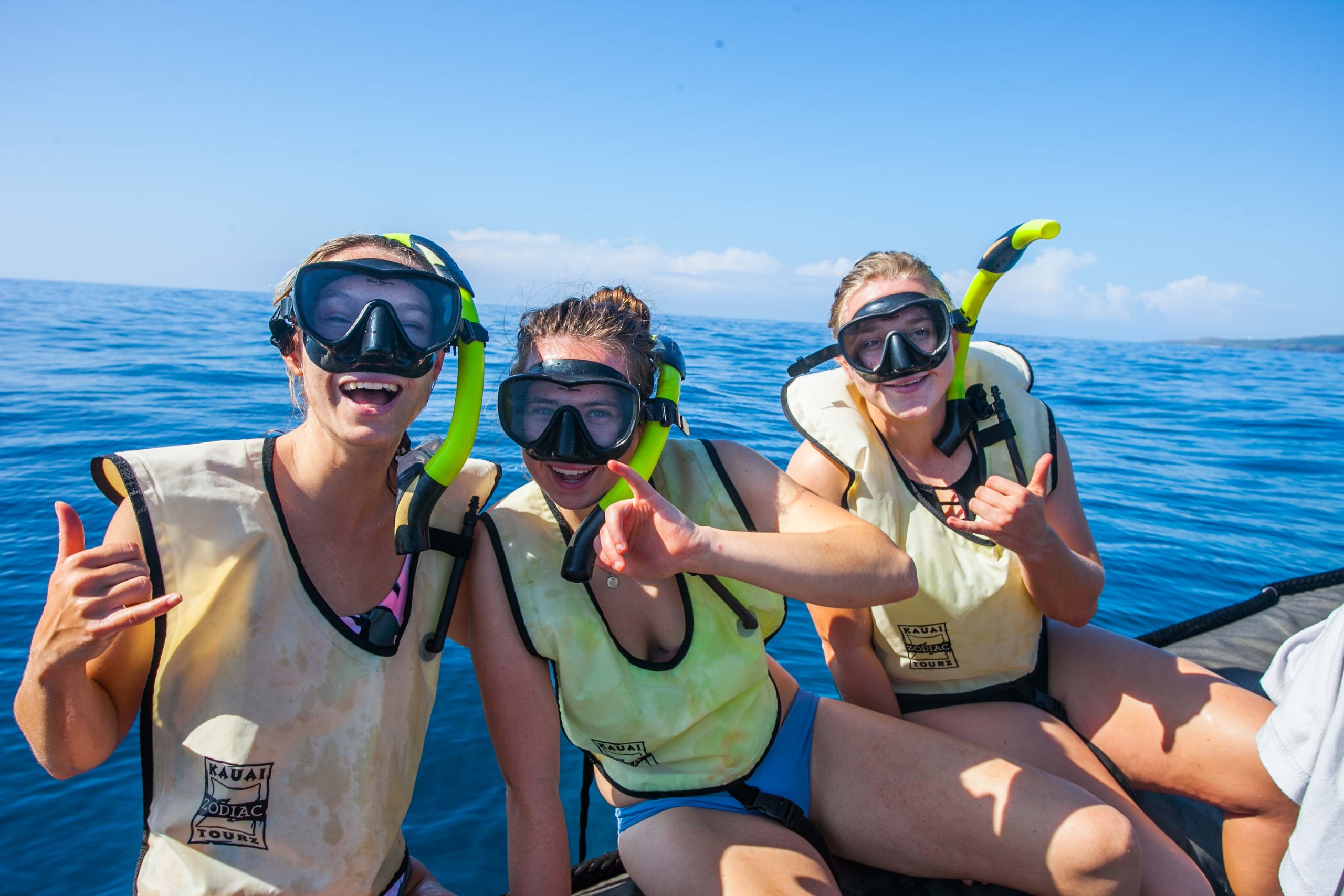
Top Snorkel Adventures in Kōloa, Hawaii
Kōloa on Kauai’s sun‑kissed south shore is a snorkeling destination where turquoise shallows stage close encounters with honu (Hawaiian green sea turtles), colorful reef fish, and sculpted coral gardens. From easy shore entries at Poʻipū to chartered boat runs toward protected off‑shore reefs and sea‑cave ledges along the coast, snorkeling here balances effortless access with opportunities for discovery. This guide focuses on where to go, when to go, and how to plan a safe, low‑impact snorkel in Kōloa.
Top Snorkel Trips in Kōloa
31 trips • Book with confidence • Instant confirmation
Why Kōloa Is Special for Snorkeling
Kōloa’s coastline is a compressed lesson in tropical marine variety: shallow fringing reef, pocketed coral gardens, and reef channels that funnel nutrient‑rich water and bring life close to the surface. The south shore’s exposed reefs break larger ocean energy offshore, creating calmer, sand‑bottomed lagoons and protected coves ideal for masked exploration. When the trade winds lull and the swell eases—most reliably in late spring through early fall—the water clarity around Poʻipū and nearby beaches often rivals the best in the state. You’ll see large members of the reef community here: grazing green sea turtles, schools of sergeant majors and parrotfish, and the occasional moray or squid slipping between coral fingers.
But snorkeling in Kōloa is more than a list of species. The shoreline is shaped by ancient lava flows and centuries of human stewardship; near‑shore channels and fishponds speak to Hawaiian knowledge of tides and fish behavior. That cultural layer is visible in small ways—place names, shoreline terraces, and local advocates who work to protect reef health. For a visiting snorkeler, that means the experience carries both natural spectacle and cultural context: you’re looking at living systems long tended by islanders and now managed through a patchwork of state marine reserves, county rules, and community stewardship.
Practically, Kōloa caters to a wide range of skill levels. Beginners can ease into shallow reefs off Poʻipū Beach with gentle sand entries and large, approachable turtles. Intermediate snorkelers will find value in short boat runs to offshore reef heads or guided tours that drift along the edge of underwater drop‑offs. Advanced snorkelers and freedivers can plan charters toward deeper reefs, channel drifts, and seasonal manta or squid gatherings—though these require calm sea conditions and an experienced skipper. Complementary activities—kayaking to quieter coves, a sunset hike along the coastline, or a boat trip to the Nā Pali cliffs—round out the day so you leave the water with both a marine memory and a sense of place.
Above all, Kōloa’s best underwater moments depend on timing and local knowledge: mornings deliver the calmest seas, tides define how much reef is exposed, and reef etiquette keeps wildlife wild. Plan around those rhythms and you’ll find snorkeling here is at once accessible, reliably rewarding, and quietly powerful.
Poʻipū is the snorkeling hub: easy parking, clear shallow reefs, and frequent turtle sightings make it ideal for families and first‑time snorkelers.
Boat and guided options extend access to deeper, less‑visited reefs—important during winter swell or when shore entries are rough.
Best Time to Visit
Best Months
Weather Notes
Kōloa’s climate is tropical and moderated by trade winds. Summer months tend to bring calmer seas and clearer water; winter (November–March) can produce large north and west swells that reduce nearshore visibility and make some shore entries hazardous.
Peak Season
Summer months and holiday periods (late May–August, mid‑December–early January) when calm water and visitor numbers are highest.
Off-Season Opportunities
Winter offers dramatic surf and whale watching from shore; quieter beaches and lower prices are possible, but shore snorkeling is often limited to sheltered coves or requires a boat.
Frequently Asked Questions
Do I need permits to snorkel at Kōloa beaches?
Most public beaches require no permits for casual snorkeling. However, some marine protected areas and private coves have restrictions or seasonal rules—always check local signage and respect closures.
Can I rent snorkel gear in Kōloa?
Yes. Poʻipū and nearby towns have multiple rental shops and operators offering masks, fins, snorkel sets, and guided tours. For best fit and hygiene, many seasoned snorkelers bring their own mask and snorkel.
Is snorkeling safe for children and non‑swimmers?
Yes, with precautions: choose sheltered, shallow sites, use flotation (snorkel vests), supervise closely, and avoid days with strong wind or surf. Guided tours are recommended for families and less experienced swimmers.
Choose Your Experience Level
Beginner
Calm, waist‑deep reefs with sandy entries and clear sightlines—ideal for children and first‑time snorkelers.
- Morning shore snorkel at Poʻipū Beach
- Guided shallow reef tour with a local operator
- Protected lagoon exploration near public beach parks
Intermediate
Short boat transfers to offshore reef heads, moderate currents, and deeper snorkeling where you’ll see larger fish and more complex coral structures.
- Half‑day boat trip to offshore reefs
- Guided drift snorkeling along protected ledges
- Kayak + snorkel to a nearby sheltered cove
Advanced
Longer swims, drift snorkels in channels, or boat charters to remote reefs; requires strong swimmers, good sea conditions, and local experience.
- Charter to deeper reef heads for freediving
- Guided channel drift with an experienced operator
- Seasonal night snorkel or specialty dives via charter
Insider Tips & Local Knowledge
Always verify ocean conditions, closures, and weather before going out. Respect local rules and marine life.
Go early—calmest water and best visibility are usually in the first few hours after sunrise before winds pick up and boat traffic increases. Check the daily surf and wind reports; a seemingly calm day can mask a strong current at the reef edge. If you’re unsure about a site, talk to lifeguards or local rental shops—operators know the tidal windows and which coves are sheltered on any given day. Use reef‑safe sunscreen and never touch or stand on coral: a single kick can destroy decades of growth. When swimming near turtles or monk seals, keep a respectful distance and give wildlife the right of way—approaching them is illegal and harmful. For maximum flexibility, combine a short shore session with a half‑day charter—this covers sheltered reefs when shore entries are rough and opens access to the Nā Pali coast for a broader marine experience. Finally, pack a small trash bag and take any debris with you; local reefs benefit immensely from simple visitor stewardship.
What to Bring
Essential
- Mask, snorkel, and fins (rental options available locally)
- Rashguard or lightweight wetsuit for sun and abrasion protection
- Reef‑safe sunscreen (ointment or mineral recommended)
- Water, snacks, and a waterproof ID/phone pouch
- Towel and change of clothes
Recommended
- Thin neoprene booties or water shoes for rocky entries
- Anti‑fog solution for masks
- Small surface marker buoy if snorkeling beyond the break
- Light snorkel vest for added buoyancy (especially for beginners)
- Underwater camera or action camera with float strap
Optional
- Full‑foot fins for longer swims or boat transfers
- Dry bag to keep gear and electronics safe on charters
- Compact first‑aid kit and sting relief (vinegar for jellyfish)
- Local tide table or app for planning low/high tide windows
Ready for Your Snorkel Adventure?
Browse 31 verified trips in Kōloa with instant booking
Explore Top 15 Kōloa, Hawaii Adventures →