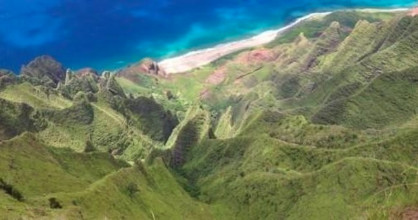
Top 12 Hiking Adventures in Kōloa, Hawaii

Kōloa, Hawaii

Hiking around Kōloa is a study in contrasts: windswept coastal bluff walks that end at jagged lava outcrops, quiet valley trails that thread through old sugarcane country, and short access routes that connect beaches, tide pools, and cultural sites. This guide focuses on the best foot-powered ways to experience the south shore of Kauai—day hikes, coastal rambles, and accessible nature walks that pair naturally with snorkeling, birding, and cultural exploration.

12
Activities
Seasonal (drier April–October)
Best Months

Top Hiking Trips in Kōloa

12 trips • Book with confidence • Instant confirmation

Why Kōloa Is a Standout Hiking Destination

Kōloa feels like an invitation to walk: to move slowly along a coastline that alternates between broad white-sand beaches and raw, wind-polished cliffs; to descend into green sinkholes and valleys that once fed the island's plantations; to trace the same shorelines that fishermen, voyagers, and early settlers used for generations. The hiking here is intimate rather than alpine—mostly day hikes and coastal loops that reveal geological transitions, coastal ecology, and cultural markers with every bend in the path. Trails unfurl across limestone benches, through pockets of native vegetation, and along eroded cliffs dotted with seabirds and endemic plants. Because the terrain is low-elevation, hikes are accessible to many fitness levels, but conditions—sharp lava, narrow bluff paths, and tidal exposure—ask for attention and good footwear.

Walks around Kōloa are particularly satisfying when paired with other outdoor pursuits. A morning coastal hike often segues into an afternoon of snorkeling in Poʻipū or a late-day photo session at a bluff-strewn beach. Birders will find seasonal highlights on quiet dunes and in sheltered gulches; botanists and curious travelers will appreciate native plants and the marks of plantation-era landscape alterations. The area’s human story—Kōloa’s role in Hawaii’s sugar history, small fishing communities, and culturally significant shoreline sites—gives many trails an extra layer of meaning. Local land stewardship and fragile coastal ecosystems mean hikers should stay on designated paths and respect signage; in many places, trails double as living classrooms for conservation and cultural preservation.

Seasonality matters here. The south shore tends to be drier than Kauai’s north shore, but winter storms and high surf can make coastal paths hazardous, while summer brings intense sun and trade winds. Tidal rhythm influences route choice on shore-hugging trails; several scenic stretches can be impassable or dangerous at high tide. Planning around tides, starting early to avoid midday heat, and bringing reef-safe sunscreen are practical habits that enhance safety and preserve the environment. Ultimately, hiking in Kōloa rewards curiosity: short efforts yield layered coastal panoramas and quiet historical moments—perfect for day-trippers and those looking to thread their hikes into broader island adventures.

The coastline is the headline: Maha'ulepu and surrounding bluff trails offer the clearest sense of place—raw Pacific exposure, dramatic rock formations, and access to hidden coves.

Kōloa's valley and plantation-era landscapes provide shaded walks and glimpses into the island's cultural and agricultural past; these routes pair well with visits to local farms, markets, and craft stops.

Because most hikes are low-elevation, they are approachable year-round, but conditions change fast—check surf and tide forecasts for coastal routes and expect slick limestone or muddy stretches after rain.

Activity focus: Coastal and low-elevation hiking
Popular half-day and short-loop options—few all-day ridge traverses in immediate area
Tide and surf conditions can close or alter coastal trails
Connect hikes with snorkeling, birding, and cultural site visits
Fragile coastal ecosystems—stay on marked paths

Best Time to Visit

Best Months

AprilMaySeptemberOctober

Weather Notes

Kōloa’s south shore is generally drier than Kauai’s northern slopes. Trade winds provide cooling breezes; winter months bring a higher chance of storms and larger surf that can close coastal trails. Sun is strong year-round—pack sun protection and start hikes early to avoid heat.

Peak Season

Winter (December–March) attracts more visitors to Poʻipū and the south shore for whale watching and favorable beach conditions; trails and parking can be busier.

Off-Season Opportunities

Late spring and early fall often offer quieter trails with pleasant temperatures; winter brings dramatic surf and waterfall displays but may limit coastal access.

Frequently Asked Questions

Do I need permits for most hikes?

Most day hikes around Kōloa do not require permits, though certain private-property access points and managed reserves may have rules—always check posted signs and local land manager guidance.

Are trails suitable for beginners?

Yes. Many of Kōloa's hikes are short and low-elevation, suitable for casual hikers. Coastal bluff paths can be exposed and uneven, so beginners should pick established trails and avoid cliff edges.

How do tides affect coastal hikes?

Tides can make shore-hugging sections impassable or hazardous at high tide. Consult tide charts and plan routes for low to mid tide windows, especially on Maha'ulepu and similar beach-adjacent trails.

Choose Your Experience Level

Beginner

Short, mostly flat walks—beach promenades, easy nature loops, and short coastal bluffs with well-marked paths.

  • Coastal stroll to tidepools
  • Short beach access walks
  • Heritage trail sections near Poʻipū

Intermediate

Longer coastal rambles and valley trails with mixed terrain, intermittent elevation change, and some route-finding on natural surfaces.

  • Maha'ulepu coastal traverse (shoreline sections)
  • Valley-to-beach loop trails
  • Ridgeline viewpoints above small coves

Advanced

Extended shoreline routes with exposed cliffs, loose rock, or sections that require careful navigation during high surf or storm runoff; longer back-and-forth treks where water and emergency planning are critical.

  • Multi-stop coastal day-hike with tide planning
  • Remote bluff traverses during low surf windows
  • All-day exploratory routes linking several coves

Insider Tips & Local Knowledge

Always verify trail access, tide and surf advisories, and any posted closures before you go.

Start hikes at first light to enjoy cooler temperatures, softer light for photography, and easier parking. Check tide charts for coastal paths—several beautiful stretches are best or only accessible near low tide. Wear sturdy shoes: limestone benches and lava rock are unforgiving on bare feet. Use reef-safe sunscreen and carry out all trash; many trails pass through sensitive habitat and culturally significant areas. If conditions look rough or water is running across a path, turn back—coastal erosion and unexpected surf can make routes dangerous. Finally, pair shorter hikes with snorkeling, farm visits, or a sunset stop at a beach park to make the most of a day on Kauai’s south shore.

What to Bring

Essential

  • Sturdy trail shoes with good grip (not just sandals)
  • Water (at least 1–2 liters per person for day hikes) and snacks
  • Sun protection: hat, sunglasses, reef-safe sunscreen
  • Light rain shell or wind layer
  • Tide schedule or app for coastal routes

Recommended

  • Trekking poles for slippery limestone and uneven descents
  • Small first-aid kit and blister care
  • Camera or binoculars for seabirds and coastal scenery
  • Compact towel and quick-dry layer if you plan to swim

Optional

  • Field guide to local plants and birds
  • Water shoes for rocky beaches and tidepools
  • Dry bag for electronics on exposed bluff walks

Ready for Your Hiking Adventure?

Browse 12 verified trips in Kōloa with instant booking

Explore Top 15 Kōloa, Hawaii Adventures →