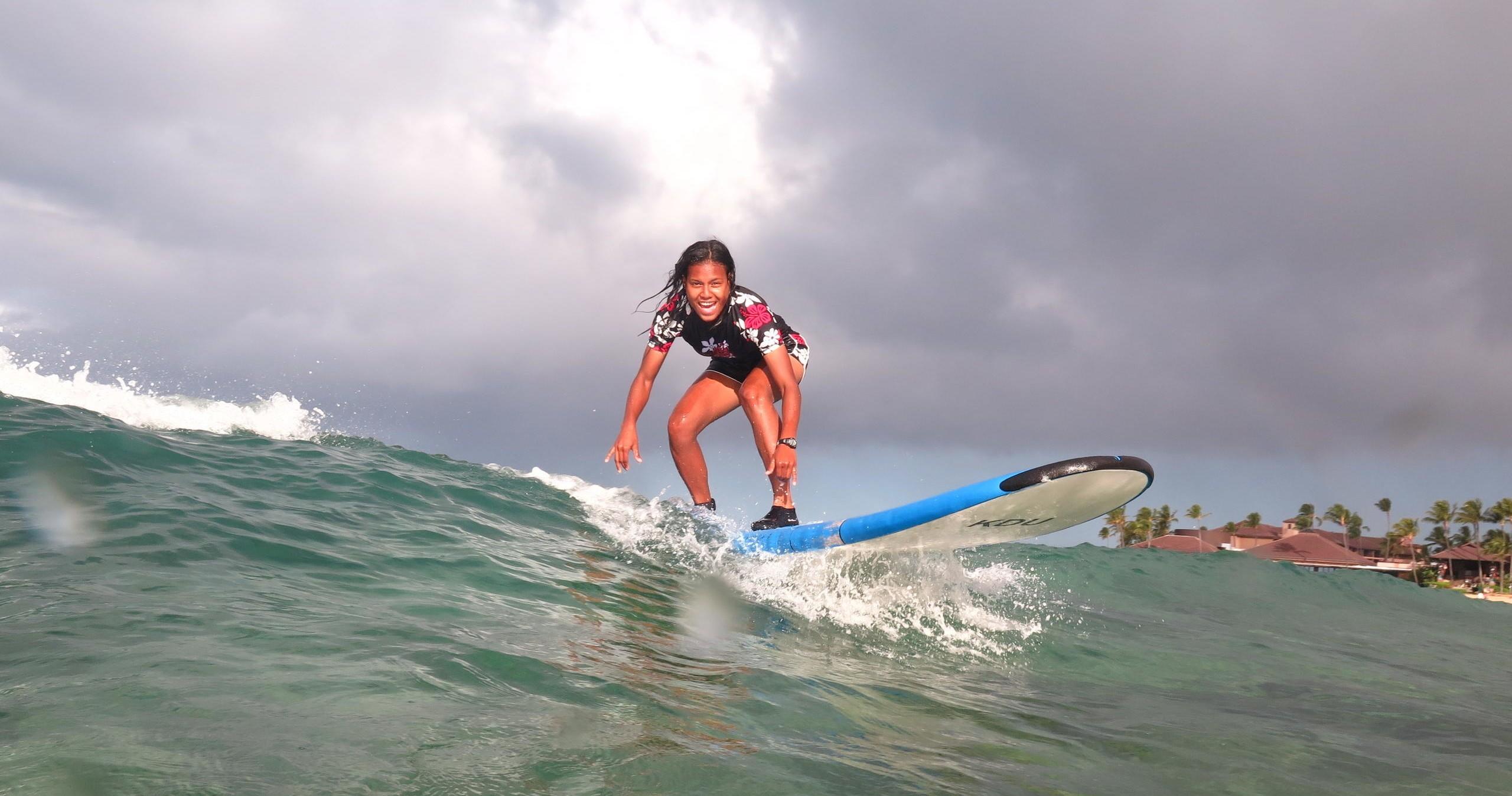
1

Top Surf Spots in Kōloa, Hawaii

Kōloa, Hawaii

Kōloa’s south shore folds the Pacific into a small, sunlit amphitheater where reef and sandbars sculpt waves for everyone—from first-time longboarders to local shortboard chargers. Warm water, consistent trade winds, and a mix of protected beginner breaks and exposed reef points make Kōloa a compelling surf base. This guide zeroes in on surf-specific planning: where to find forgiving whitewater, when the south shore pulses with performance swells, and how to layer complementary experiences—snorkel cruises, coastal hikes, and SUP sessions—into a surf-focused visit.

42
Activities
Best Months

Top Surf Trips in Kōloa

42 trips • Book with confidence • Instant confirmation

Why Kōloa Is a Standout Surf Destination

On Kauaʻi’s south shore the ocean behaves like a storyteller—its chapters written by swell angle, tide, and reef. Kōloa is where those stories become accessible. The coastline is a close-knit sequence of beaches and rocky points that translate the Pacific’s energy into wave types that suit a wide range of surfers. In the same morning you can session mellow, waist-high rollers teaching you the basics, then watch the horizon recompose into a clean, hollow series for experienced shortboarders as the swell and tide align. The water is warm year-round; currents and reef structure are the real tutors. Spot selection matters here: sandier pockets offer forgiving takeoffs and safer beach entries for learners, while shallow reef passes and point breaks produce faster, more technical rides for the practiced.

Culturally, surfing is woven into daily life. Local surf etiquette—yielding priority, respecting lineups, and giving room—is as important as knowing the tide chart. Respect for the reef and marine life is part of that etiquette, too: coral is living infrastructure that shapes wave patterns and supports the coastal ecosystem. Kōloa’s surf scene is quieter than Oʻahu’s North Shore spectacle but no less committed. You’ll find a mix of visiting instructors, family-oriented lessons at protected beaches, and local regulars charging the better days. That mix makes Kōloa attractive for travelers who want the authenticity of a working surf community without the congestion of bigger hubs.

Practical accessibility is another advantage. Many key beach breaks are a short drive from the historic plantation town, parking rarely requires an all-day hunt, and surf shops and rental outlets in Poʻipū keep logistics simple. If you’re planning a lesson, surf schools here favor small groups and teach reef awareness alongside basic technique—an essential combo given the area’s coral formations. Off-water, Kōloa offers complementary experiences that pair well with surf rhythms: wake up for a dawn session, then snorkel a nearby marine preserve or take a coastal hike that doubles as an active recovery day. Food options lean island-fresh—poke bowls, shave ice, and robust breakfasts—that refuel you without fuss.

Seasonality guides expectations more than rules. Winter months bring bigger, more powerful swells from the north and northwest that sometimes wrap into the south shore with enough southerly component to light up exposed reef. Summer calms the lines and fills in gentler south swells, ideal for progression and for families. Tides influence everything—many reef breaks only ride right at mid to high tide—so a good tide chart and local beta are indispensable. Finally, environmental stewardship shapes a safe and sustainable trip: reef-safe sunscreen, awareness of rip current signals, and an ethic of leaving the shore cleaner than you found it will keep Kōloa’s waves healthy and accessible for the next tide.

Varied wave palette: sandy beach breaks for beginners, protected coves for lessons, and reef passes/points for advanced surfers.

Compact logistics: short drives between spots, local shops for rentals and lessons, and easy access to food and lodging in Poʻipū.

Year-round warmth with seasonal swell patterns—plan around winter’s punch and summer’s mellow consistency.

Strong local surf etiquette and reef stewardship—respect the lineup and protect coral habitats.

Activity focus: Surfing (lessons, guided sessions, reef and beach breaks)
Total matching surf experiences: 42
Warm water year-round; reef presence requires reef-safe sunscreen and caution
Winter swells deliver more power; summer is more forgiving for learners
Tide timing often determines whether reef breaks are surfable

Best Time to Visit

Best Months

December–March (bigger swell energy, performance conditions)April–September (smaller, more consistent south swells; ideal for learners)

Weather Notes

Kōloa experiences steady trade winds that pick up in the late morning and afternoon—favorable for many sheltered south-shore breaks but can groom or cross-offshore at different spots. Brief tropical showers are common; the south shore tends to be drier than the north. Water temps are warm year-round, reducing cold-weather gear needs.

Peak Season

Winter swell season brings higher surf and more visiting surfers; holiday weeks (late December–early January) see increased demand for lessons and rentals.

Off-Season Opportunities

Summer’s calmer lines are perfect for progression and family lessons; quieter weekdays in shoulder seasons offer solitude and easier parking.

Frequently Asked Questions

Do I need permits to surf in Kōloa?

No general permits are required to surf public beaches. Special events or protected marine areas may have regulations; check local notices.

Are there surf schools for beginners?

Yes. Poʻipū and other nearby beaches host surf schools offering small-group and private lessons with an emphasis on safety and reef awareness.

What hazards should I be aware of?

Sharp coral, variable currents, and occasional strong shorebreaks are the primary hazards. Learn the local lineup etiquette, watch tide-dependent conditions, and ask a local or instructor about reef entry points and rip zones.

Choose Your Experience Level

Beginner

Gentle sand-bottom beach breaks with rolling whitewater—ideal for first-timers learning paddling, pop-ups, and board control.

  • Beginner lesson at a protected Poʻipū beach
  • Longboard rental and practice on mellow, waist-high waves
  • Stand-up paddle session in calm morning conditions

Intermediate

Learner-to-intermediate surfers progress to softer reef breaks and small points that require wave selection, bottom turns, and modest trim.

  • Guided surf session at a forgiving reef pass
  • Afternoon cross-training with SUP or coastal swim
  • Tide-aware sessions to practice entry/exit over reef

Advanced

Reef passes and exposed points with faster faces, occasional hollow sections, and stronger currents—demanding precise timing, quick reflexes, and local knowledge.

  • High-performance shortboard sessions on mid-to-high tide reef waves
  • Tow-in or bigger-swell day strategies (with experienced local partners)
  • Lineup charges on days when the south shore wraps with northwest energy

Insider Tips & Local Knowledge

Always verify current conditions, tide windows, and access notes before heading out.

Start early: mornings often bring cleaner conditions before trade winds build. Check tide charts—many reef breaks favor mid to high tide for safer takeoffs and longer rides. Prioritize reef-safe sunscreen and footwear; coral cuts are common and can be painful. When parking in small neighborhood lots, follow signage and local norms—some beaches have limited spaces and early arrival helps. If you’re new to reef breaks, book a lesson with a local instructor who can brief you on the safest entry/exit points and lineup etiquette. Diversify your surf days with snorkeling or a coastal hike to rest your shoulders while still experiencing the ocean habitat. Finally, abide by local etiquette: give way when required, keep lineups orderly, and leave the shore cleaner than you found it to support the community that keeps these waves accessible.

What to Bring

Essential

  • Board or arrangement for rentals (longboard for beginners, shortboard or fish for experienced surfers)
  • Rashguard or spring suit and reef-safe sunscreen
  • Leash rated for your board size
  • Tide chart or surf app with local break info
  • Water, quick snacks, and sun protection (hat, sunglasses for off-water time)

Recommended

  • Booties for sharp reef entries (optional, based on break)
  • Earplugs for sensitive ears in shorebreak conditions
  • Travel insurance that covers water sports
  • Small reef-awareness guide or local briefing from an instructor

Optional

  • Local SIM or offline map tiles for navigation to remote parking
  • Action camera or waterproof housing for photos
  • Compact first-aid kit for minor cuts or coral scrapes

Ready for Your Surf Adventure?

Browse 42 verified trips in Kōloa with instant booking

Explore Top 15 Kōloa, Hawaii Adventures →