
Keaukaha adventure guide
Find your way into Keaukaha.
Keaukaha sits like a coastal sentry to Hilo Bay—where black lava rock gives way to palm-fringed shorelines and a steady trade-wind pulse. This guide stitches quick shore-based wins—snorkel coves, photography-ready vistas, and warm morning hikes—into a compact list you can use to plan a half-day venture or a week of island immersion. Expect rainforest backdrops, volcanic horizon-lines, and water time that rewards a modest kit of reef-safe sunscreen, a mask, and curiosity.
Three ways into the city
Pick a landscape. Build a day around it.
Keaukaha is less a single destination than a collection of neighboring worlds. Start with the version of the city that matches your pace, then use the ranked guide below to fill in the details.
Begin where the city meets the sea.
Surf breaks, sheltered harbors, whale routes, and long beach paths make the coast LA’s most immediate outdoor playground.
Explore water activities →
Let a local connect the landmarks.
Use a guided city, walking, or sightseeing tour to turn LA’s sprawl into a coherent story.
Explore sightseeing tour →Ride the coast and the city.
Beach paths, river corridors, e-bikes, and ridge climbs reveal a more connected Los Angeles.
Explore water activities →Choose your way into Keaukaha
The top 15 Keaukaha adventures.
Ranked by the number of currently listed trips. Each panel opens the complete local activity collection.
1Sightseeing Tour
Keaukaha sits on Hilo’s eastern shore where lava bench meets banyan shade and the ocean keeps its own slow calendar. Sightseeing tours here are intimate—short coastal loops, tidepool explorations, cultural walks, and photo-focused drives that layer volcanic geology, living Hawaiian traditions, and wet‑tropical green vistas into a single afternoon. This guide focuses on that vantage: how to read the shore, move with the tides, connect with kūpuna‑led stories, and plan practical logistics for accessible, memorable sightseeing in and around Keaukaha.
Explore sightseeing tour →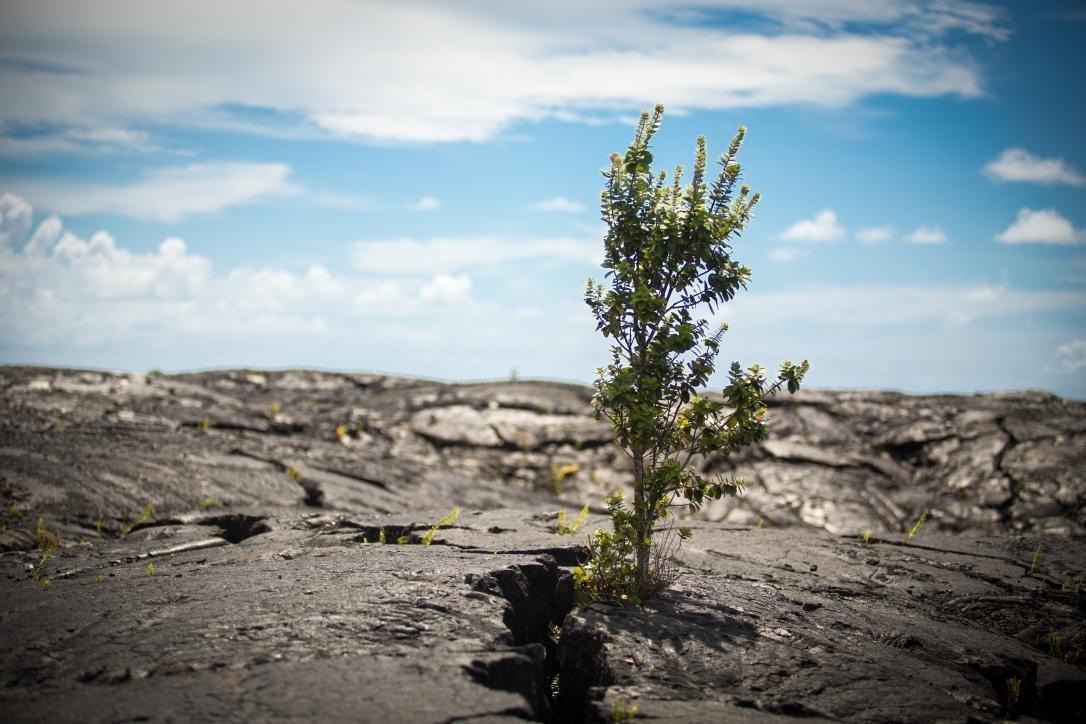 2
2Hiking
Where the rainforest meets the sea, Keaukaha delivers a compact but richly layered hiking playground. Trails thread across basalt shelves and palm-lined shorelines, curve through neighborhood greenways, and open onto tidepool-studded coves. This guide focuses on hiking in and around Keaukaha—short coastal walks, lava-shelf scrambles, easy family-friendly loops, and quieter urban routes that reveal both natural history and living Hawaiian culture.
Explore hiking →Water Activities
Keaukaha sits on Hilo’s eastern edge where black lava meets a famously restless sea. For travelers focused on water activities, it’s a compact, authentic stretch of coastline: sheltered tide pools and reef flats that invite snorkeling and bodyboarding, a broad public beach for morning stand-up paddles, and shoreline geometry that rewards tide-aware exploration. Expect native stone walls, winding lava benches, and pockets of calm water beside exposed reef—ideal for short excursions and skill-building sessions rather than big-ocean charters.
Explore water activities → 4
4Eco Tour
Keaukaha sits on Hilo’s windward shore, where the Pacific meets a narrative of living landscapes — reef, coastline, wetlands and cultivated land that together host a compact, approachable eco-tour scene. These guided and community-led experiences focus on coastal ecology, traditional Hawaiian stewardship, tidepool walks, birding in wetland pockets, and the quieter science of shoreline resilience. Expect short walks, hands-on learning, and a strong emphasis on responsible wildlife viewing and cultural context.
Explore eco tour →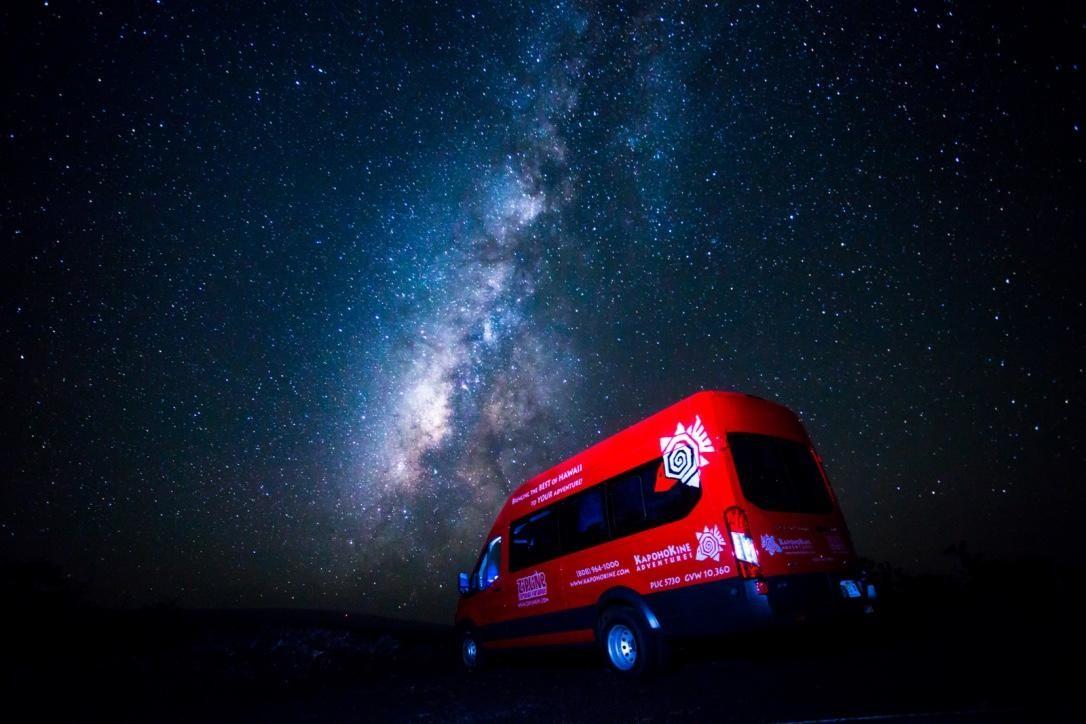 5
5Photography Tour
Keaukaha, the coastal neighborhood east of Hilo, is an intimate photographic playground where dynamic Pacific light, blackened lava outcrops, and everyday island life collide. This guide focuses on photography-specific tours and experiences—sunrise bayside frames, intimate cultural portraits, and coastal long exposures—plus practical planning advice to help you craft a shoot that balances creative ambition with local sensitivity.
Explore photography tour → 6
6Walking Tour
Keaukaha stretches along Hilo Bay as a low, coastal ribbon where walking tours reveal the island's layered stories: lava meeting the sea, trade winds shaping palms, and local life threaded between roadside ʻawa stands and tidepools. Walking here is intimate—short distances stitch together natural history, living Hawaiian culture, and the geological drama that defines the Big Island. This guide focuses on accessible coastal strolls, cultural neighborhood routes, and exploratory tidepool and shoreline circuits suited to visitors who want to move slowly and observe closely.
Explore walking tour → 7
7Boat Tour
Keaukaha's shoreline sits where volcanic geology meets the open Pacific, and its boat tours are intimate windows into that collision—coastal cruises that foreground lava-to-sea formations, reef ecosystems, seabird rookeries, and seasonal whale passages. From calm, guided snorkeling launches to longer offshore wildlife excursions and cultural tours led by local captains, the boat scene here favors small groups, knowledgeable operators, and an emphasis on place-based narration.
Explore boat tour → 8
8City Tour
Keaukaha is a quiet, oceanfront neighborhood on the edge of Hilo where the Pacific meets everyday Hawaiian life. City tours here are intimate affairs: short walking routes along lava benches and palms, cultural stops with local storytellers, market strolls that mingle produce and plate lunches, and easy bike or e-bike loops that connect shoreline views with neighborhood history. This guide focuses on walking and small-group city tours that reveal the lived rhythms of Keaukaha—its coastal terrain, community spaces, and the volcanic backdrop that frames every outing.
Explore city tour → 9
9Scuba
Keaukaha's eastern shore is a compact, wild-edged entry point into Hawaii Island's subtropical reefs. Scuba here means drifting along black-sand slopes and jagged lava outcrops, meeting dense schools of reef fish, native invertebrates and the occasional pelagic visitor. This guide focuses on the scuba experience itself—shore and short-boat dives, seasonal visibility and currents, skill considerations, and practical planning for divers traveling to Hilo's wetter but richly biodiverse waters.
Explore scuba →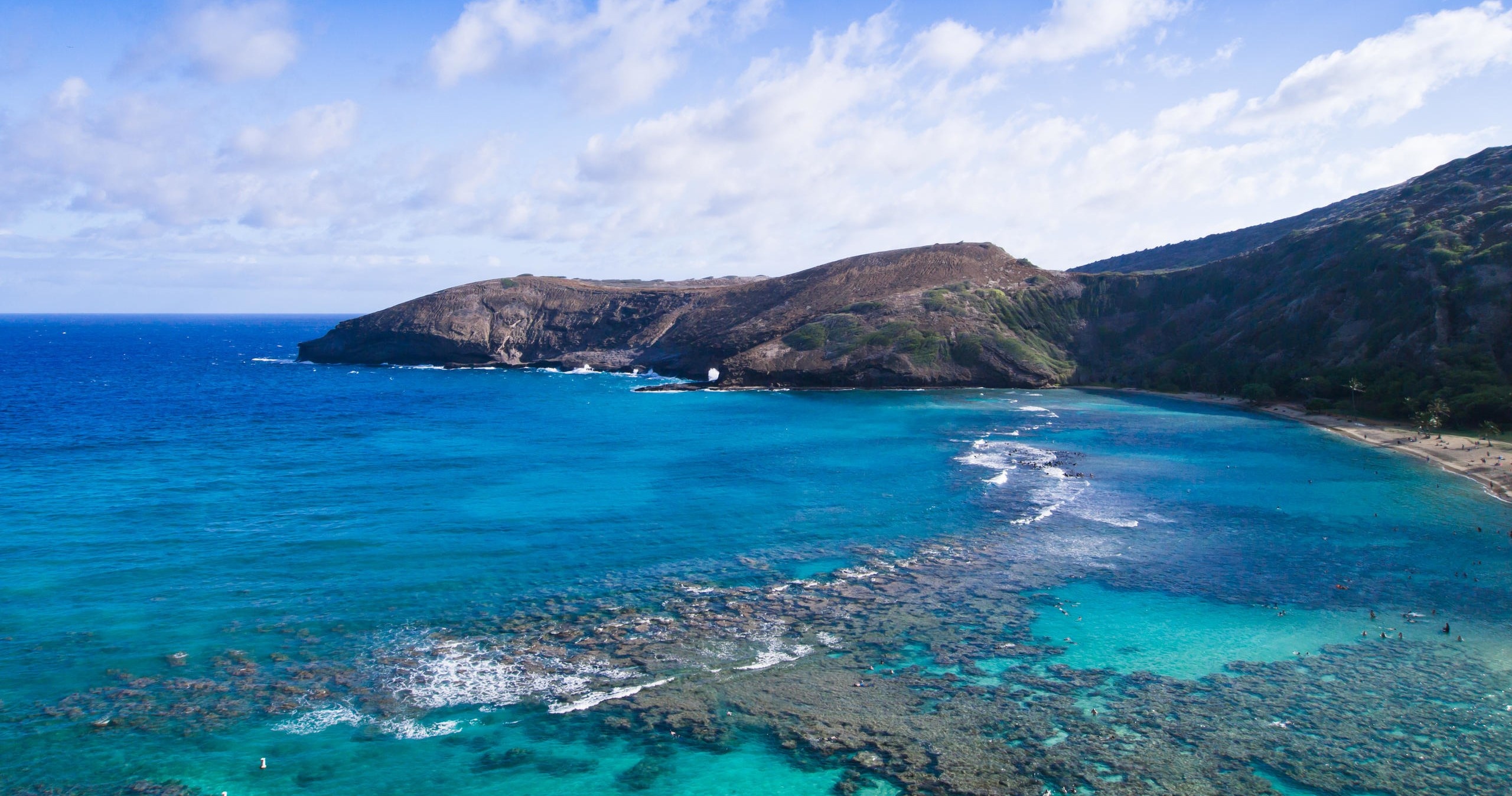 10
10Bus Tour
Bus tours in Keaukaha offer a different kind of Hawaiian intimacy: the slow arc of the coastline through rain-drenched palms, the theater of steam plumes and lava-scarred shorelines, and a local guide's cadence that stitches geology, history, and kuleana into each roadside stop. For travelers who want perspective without the strain of driving winding island roads, Keaukaha’s bus tours deliver accessible storytelling, curated access to waterfall viewpoints, cultural sites, and coastal vistas—plus the practical comfort of a sheltered seat when island weather shifts.
Explore bus tour →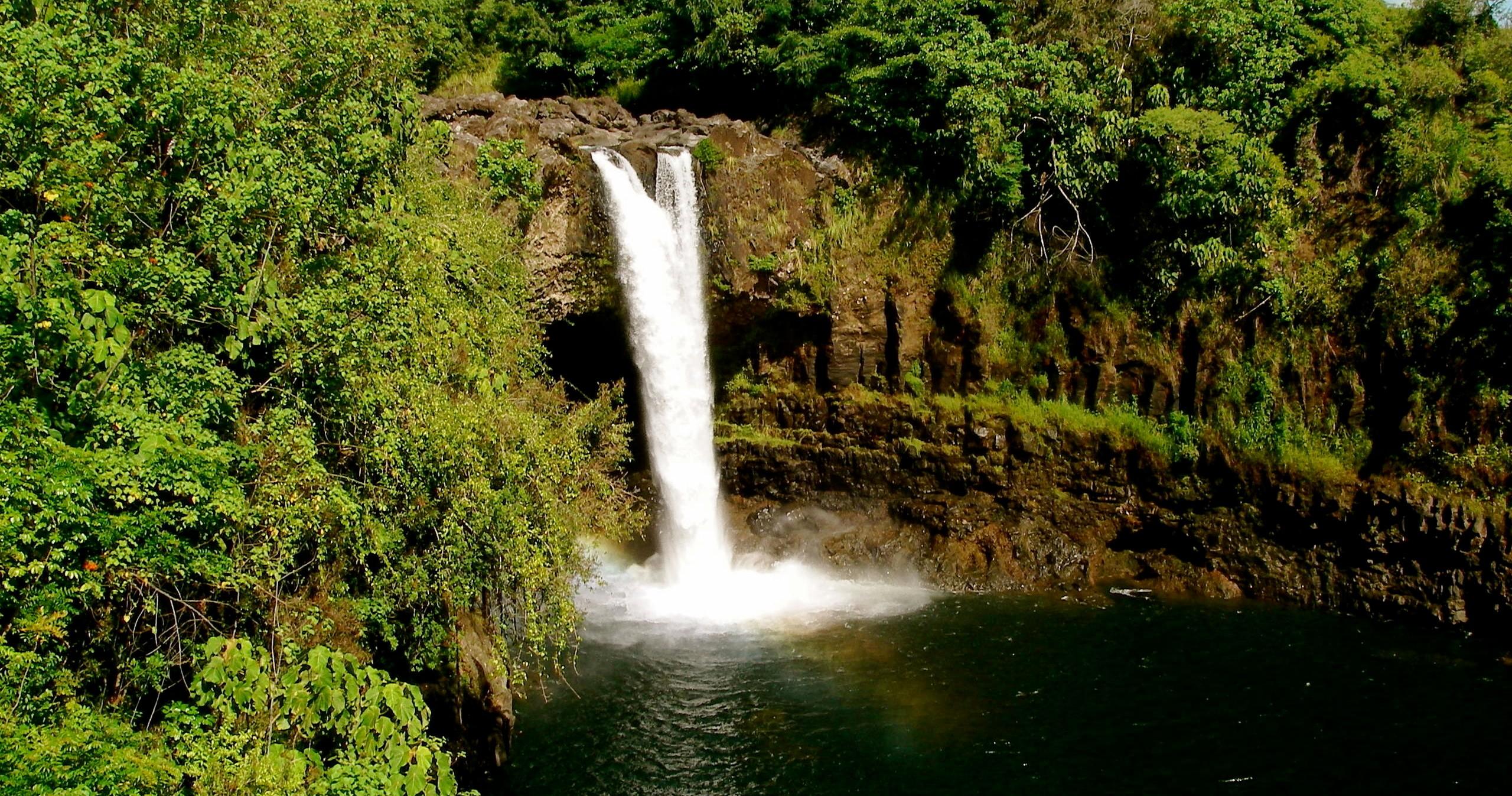 11
11Zipline
Ziplining around Keaukaha threads the boundary between Pacific surf and emerald rainforest. These canopy runs and cliff-spanning zips pair wind-swept ocean views with the scent of wet ferns and ʻōhiʻa — a short, cinematic way to experience the Big Island's dramatic coastal topography without a long approach hike.
Explore zipline →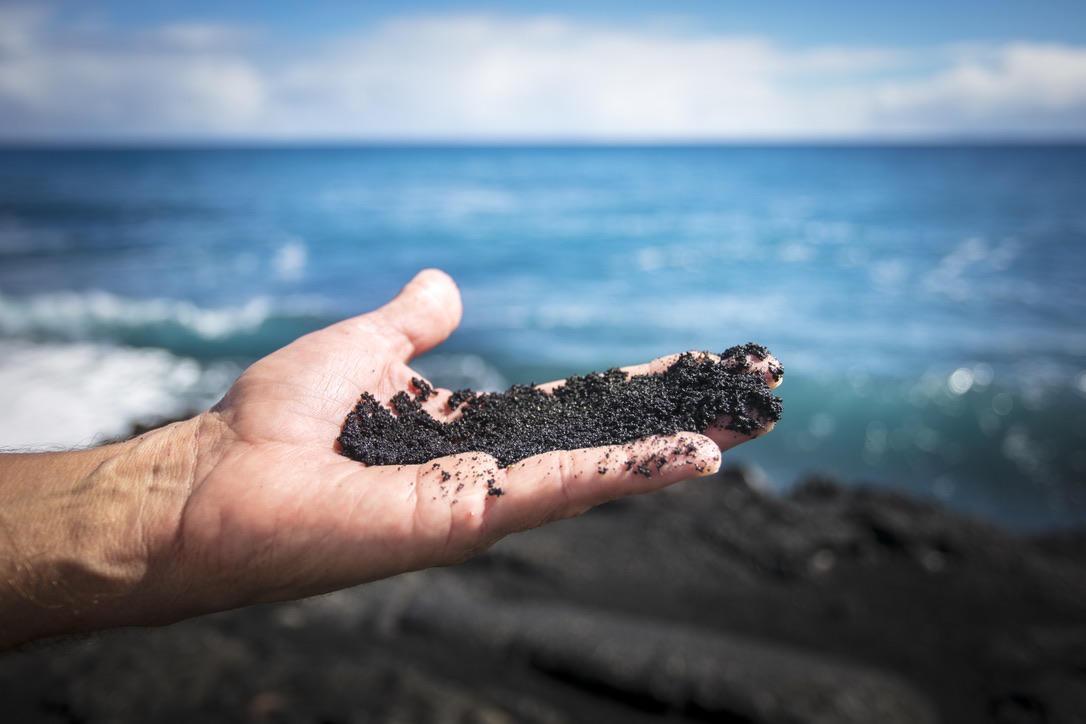 12
12Fishing
Keaukaha’s shoreline is volcanic, intimate, and surprisingly productive—the meeting point of reef flats, rocky points, and easy access to Hilo’s deeper waters. Whether you’re casting from the black lava or booking an early-morning charter from Hilo Bay, this pocket of east Hawaiʻi Island delivers diverse fishing experiences: light-tackle reef work, surfcasting, bottom fishing off nearby banks, and seasonal pelagic runs. This guide focuses on realistic planning, safety on sharp lava shorelines, and how to pair a fishing day with snorkeling, tidepool exploring, and local culture.
Explore fishing → 13
13Kayak
Keaukaha’s coastline is an intimate study in contrasts: glossy black lava benches sculpted by recent flows, palm-swept beach parks, patch reefs teeming with fish, and a horizon that often shimmers with offshore swell. For paddlers the area offers sheltered morning glass, accessible shore launches, and a front-row seat to Hilo’s marine life—turtles, spinner dolphins, and seasonal whales—plus direct access to snorkeling and coastal geology right off the bow.
Explore kayak → 14
14Snorkel
Keaukaha’s shoreline is a study in contrasts: jagged black lava framing calm pockets of coral reef, shallow tidepools alive with color, and long sand fringes that roll into clear Pacific water. For snorkelers, Keaukaha offers accessible shore entries, excellent visibility in sheltered coves, and encounters with endemic Hawaiian reef species and honu (green sea turtles). This guide focuses on snorkeling experiences along the Keaukaha coast—where to go, what to expect from the water and the shore, seasonal conditions, and how to plan a safe, culturally respectful outing.
Explore snorkel → 15
15Air Activities
Keaukaha sits at the meeting point of ocean, reef, and rainforest; from above it reads like a stitched map of emerald waterfalls, black lava fields, and patchwork taro lo‘i. Air activities here—short scenic hops, fixed-wing volcano loops, seaplane launches, and high-adrenaline tandems—are less about sheer altitude and more about intimacy: quiet corridors over coastal cliffs, low passes above cascade-fed valleys, and slow circling above bays that reveal hidden reefs and spinner dolphins. Expect weather to dictate your window, locals to share stories of Pele, and pilots to weave cultural and geological narration into the flight. This guide focuses on how to pick the right flight for your appetite—serene photography runs, waterfall-and-coastline surveys, or the rush of freefall—plus planning, packing, and practical tips for making an aerial morning out of Keaukaha.
Explore air activities →The city and the sea
Why Keaukaha Belongs on Your Adventure Shortlist
Variety without surrendering the day to long transfers.
There’s a paradox to Keaukaha: it feels intimately small—a neighborhood shoreline with local rhythm—yet it opens fast to the elemental forces that define Hawaiʻi Island. Mornings break over Hilo Bay in a quiet wash of gold and mauve; fishermen mend nets at the park, and surfers and SUP paddlers launch into long, forgiving lines. A short drive inland reveals rainforest gullies and waterfalls that spill from the wet slopes of Mauna Kea and Mauna Loa, while the island’s volcanic heart—Hawaii Volcanoes National Park—sits within easy reach for a full-day exploration. For travelers who like varied days, Keaukaha operates like a good basecamp: you can stack a lighthouse-side sunrise, a mid-morning snorkeling stop, an afternoon photo walk through town, and a slow evening sipping local coffee without losing momentum. Practicality shapes the adventures here. Unlike more remote coasts, Keaukaha anchors you to infrastructure—restaurants, gear shops, and friendly outfitters in Hilo who run guided snorkeling trips, eco tours, and boat outings. The trade winds temper heat and offer stable conditions for kayaking and small-boat work most days, but ocean safety is paramount: currents and channels change with swell and lunar cycles. On land, the wet microclimate breeds lush trails and dramatic microclimates—expect quick showers and saturated trails after heavy weather. That variability rewards light layering and waterproofs for small electronics. Keaukaha also invites quieter cultural curiosities; small family-owned farms and shoreline ʻilina (open spaces) reflect the living relationship between people and place. You don’t need a grand schedule here—an hour with a mask and fins at a protected cove or a slow walk through Hilo’s historic precinct yields as much memory as a long drive. But if you do want to expand, hikes, photography tours, and even air-activity options—helicopter or small-plane flights—are logical next steps from this shoreline neighborhood. For planners, Keaukaha’s virtue is flexibility. Its natural assets—easy water access, nearby rainforest corridors, and a hospitable town—make it ideal for repeat sampling: short morning hikes, midday water sessions, and evening cultural stops. The region’s mix of Sightseeing Tour options, eco-led walks, and guided Water Activities allows novices to plug in with local knowledge while giving experienced adventurers the freedom to self-guide. Pack reef-safe sunscreen, a reliable mask and snorkel, quick-dry layers, and a sense of pace; Keaukaha rewards patience and curiosity more than speed.
Close proximity to Hilo provides services and outfitters to turn coastal curiosities into full adventures—book a guided Photography Tour for golden-hour seascapes, or a Boat Tour that reaches sheltered reefs for Scuba and Snorkel.
Because the East Coast is wetter than the leeward side, plan for pop-up showers. Morning windows are often glassy for Kayak and Snorkel outings; afternoons can bring trade-wind cloud and dramatic light—perfect for Walking Tours and eco-focused fieldwork.
Conditions shape the day
The best time to visit Keaukaha.
Keaukaha is influenced by trade winds and orographic rainfall—expect warm, humid days with frequent short showers. Mornings often offer calmer ocean conditions; afternoons can see increased wind and clouds. Water visibility tends to be better in calmer spell windows; heavy rain upstream can affect nearshore clarity.
Best all-around window
Spring + fall
Comfortable mixed-itinerary weather, thinner crowds at beaches and lookouts, and more room to improvise.
Beach season
Winter holidays and spring break bring more visitors to Hilo and island-wide tour bookings—book guided Scuba, Boat, and Air Activities early.
Surf + whales
Late spring and early fall provide quieter marinas and better local rates; weekday bookings will have the best availability for guided Water Activities and Photography Tours.
Coast to inland
Cool marine mornings often give way to warmer inland afternoons and breezy evenings.
Beginner
Short, low-exposure shoreline strolls, protected cove snorkeling, and easy city/photography walks that require minimal gear and little navigation.
- Morning snorkel at a calm Keaukaha cove
- Sightseeing Tour of Hilo Bay and Richardson Ocean Park
- Photography Tour along the shoreline and Hilo’s waterfront
Intermediate
Longer hikes into wet-side trails, guided Kayak or boat outings, and half-day Scuba experiences that require basic fitness and comfort in open water.
- Guided Water Activities: kayaks to nearshore reefs
- Eco Tour exploring rainforest streams and waterfall approaches
- Half-day boat tour with snorkeling or fishing
Advanced
Multi-hour ocean sessions, technical SCUBA, extended photography missions, and air-activity adventures that demand experience and specialized gear.
- Boat-based Scuba or advanced reef dives
- Open-water Kayak expeditions to neighboring points
- Air Activities: small-plane or helicopter overflights for volcanic photography
Field kit
What to bring.
Pack for sun, salt water, walking, and a meaningful temperature swing between coast and inland Keaukaha.
Essential
Start here
- Reef-safe sunscreen and sun hat
- Mask & snorkel (rental available but fit matters)
- Light rain shell or packable windbreaker
- Water shoes or reef booties for lava and coral
- Hydration and electrolyte snacks
Water days
Keep it dry
- Quick-dry layers and swim/activewear
- Dry bag for phone and camera
- Basic first-aid supplies and blister prevention
- Compact binoculars for birding and coastal spotting
- Local maps or offline app for hikes
Long days
Stay flexible
- Underwater camera or action cam with float
- Light tripod for seaside photography
- Portable snorkel fins if you prefer your own gear
Insider note
Start early, then keep the geography tight.
Start early for calm seas and soft light; morning windows are often the best for Snorkel, Kayak, and Photography Tours. Ask outfitters about tide and current timing—what’s safe at low tide can be tricky at high. Always use reef-safe sunscreen; many operators require it to protect coral health. If you’re chasing volcanic views, verify National Park road statuses and expected hike conditions. Respect private property and cultural sites; approach shoreline access points thoughtfully and pack out what you pack in. For quieter experiences, favor weekday bookings and book guided Scuba or Boat Tours a few days in advance—local operators can route you to the best reefs or sheltered coves depending on swell. Finally, bring small bills for local parking or snack stands and leave extra time between activities—Hilo’s charm is best absorbed slowly.
Good to know
Frequently asked questions.
Can I do most activities without a guide?
Yes for shore hikes, beach snorkeling at protected coves, and simple photography walks. Choose a guide for unfamiliar offshore boat trips, Scuba, or when exploring channels—local guides know currents, marine life behavior, and access points.
Is snorkeling safe year-round?
Generally yes in protected coves, but conditions vary with swell, rain, and wind. Check daily reports and ask local outfitters about visibility and currents. Wear reef-safe sunscreen and a flotation device if you’re not a strong swimmer.
Do I need permits to visit nearby parks?
Park and access rules vary—Hawaii Volcanoes National Park charges entrance fees and may have closures; local beach parks may have parking rules. Confirm with official park sites and local authorities before visiting.
Ready when you are
Find the trip that fits your Keaukaha day.
Compare bookable experiences across the coast, city, and mountains—then save the ones that belong in your plan.
Explore all Keaukaha adventures ↗