4

Top 25 Hiking Adventures in Keaukaha, Hawaii

Keaukaha, Hawaii

Where the rainforest meets the sea, Keaukaha delivers a compact but richly layered hiking playground. Trails thread across basalt shelves and palm-lined shorelines, curve through neighborhood greenways, and open onto tidepool-studded coves. This guide focuses on hiking in and around Keaukaha—short coastal walks, lava-shelf scrambles, easy family-friendly loops, and quieter urban routes that reveal both natural history and living Hawaiian culture.

25
Activities
Year-round with wetter winter months and afternoon showers
Best Months

Top Hiking Trips in Keaukaha

25 trips • Book with confidence • Instant confirmation

Why Keaukaha Is a Standout Place to Hike

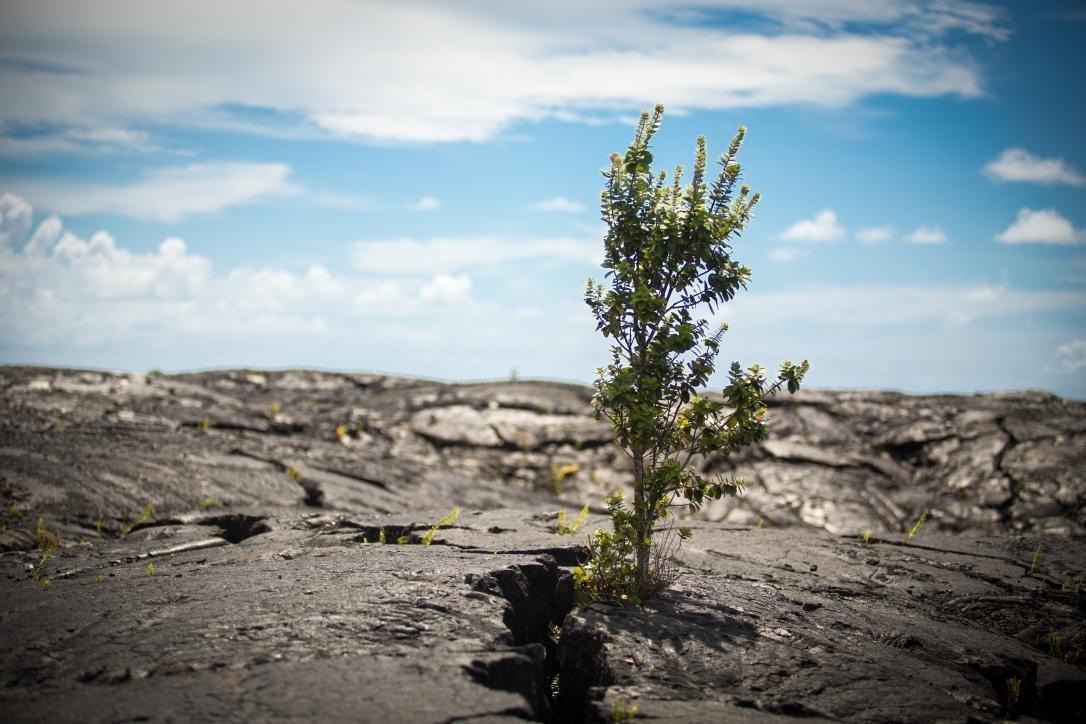
Keaukaha sits on the eastern edge of Hilo Bay where everyday life is punctuated by the steady audio of ocean surf and the scent of wet earth. Hikes here rarely require a long drive—trails begin under coconut palms beside neighborhoods and finish at lava shelves where the ocean hisses against black rock. That immediate contrast—lush, rain-fed vegetation backing up to raw volcanic coastline—creates a hiking experience that feels both intimate and elemental. When you set out from a small park or a street-end, you aren’t walking away from civilization as much as stepping sideways into an older landscape: reef flats that hold tidepool ecosystems, narrow tracks tracing ancient ahupuaʻa boundaries, and stretches of pahoehoe and ʻaʻā that record the island’s volcanic prose in texture and tone.

The terrain is unusually variegated for such a compact area. Expect well-maintained paved promenades and park paths that are ideal for families and morning walkers, granite-like lava shelves that demand deliberate foot placement, and short offshoots into hammock-like pockets of rainforest where showers drop quickly from the trade winds. On any given route you can cross from sun-baked coastal rock into a cool, fern-draped gulch in the space of a few minutes. That microclimate volatility is part of Keaukaha’s charm—and its planning imperative. Hikers here succeed by packing for sun, rain, and salt-lashed wind in a single day.

Culturally, Keaukaha is not a museum. It is a lived place: local fishermen checking lines, kids playing at the beach park, elders walking the shoreline. Hikes that pass through neighborhood access points offer a chance to observe daily Hawaiian coastal life and, if you’re respectful and curious, to learn. The coastline itself holds stories—submerged reef, traditional fishing spots, and scattered wahi pana (storied places) where local knowledge about tides and currents matters. That context colors every step and rewards a slower pace. Rather than chasing altitude or remoteness, Keaukaha hiking privileges detail: the call of an `elepaio in a roadside tree, the glassy mirror of a tidepool full of opihi and limpets, and the thin, distant line of rain pushing across the ocean.

For planners, Keaukaha is accessible. Trails don’t demand multi-day logistics, most routes are near parking and transit, and many options are ideal for sunrise or short evening walks. But conditions—sharp lava, unpredictable surf, and sudden showers—mean preparation is not optional. Footwear with good grip, water, and an eye on tide charts and weather are the small investments that turn a visit into a memorable, safe hike. Because Keaukaha’s hikes are mosaic—part nature, part neighborhood—they pair well with complementary activities: early-morning snorkeling at nearby tidepools, birdwatching in the nearby wet gulches, or a slow café breakfast in Hilo after a bracing shore walk. That variety, more than anything, explains why hikers who come for the coast leave having discovered a layered, hospitable corner of Hawaiʻi Island.

Short coastal routes and neighborhood paths make Keaukaha especially friendly to families and casual hikers.

Lava-shelf scrambles offer a technical texture that requires attention to footwear and tide knowledge rather than long approaches.

The proximity to Hilo means easy logistics—supplies, transit, and post-hike meals are minutes away.

Respect local customs and marine life—tidepools are fragile and many coastal areas are culturally significant.

Activity focus: Coastal and neighborhood hiking
Trail lengths: Mainly short walks and half‑day excursions
Terrain: Paved promenades, lava shelves, grassy coastal parks, short rainforest pockets
Accessibility: Many trailheads adjacent to parks and residential streets
Safety notes: Watch for sharp lava, sudden surf, and slick rock after rain

Best Time to Visit

Best Months

AprilMayJuneSeptemberOctober

Weather Notes

Keaukaha experiences Hawaiian tropical weather—warm, humid, and punctuated by trade-wind showers. Mornings are often calm and clearer; afternoons can bring brief, intense rain. Winter months (November–March) tend to be wetter and can produce larger ocean swells along the coast.

Peak Season

Weekends, holiday periods, and summer months see increased local and visitor use of shoreline parks and coastal walks.

Off-Season Opportunities

Weekday mornings during wetter months offer quieter trails and dramatic light for photography; just be prepared for slick surfaces after rain.

Frequently Asked Questions

Do I need permits for most hikes in Keaukaha?

No permits are required for the majority of coastal and neighborhood hikes. Permits may be necessary for protected marine reserves or guided excursions—check local authorities for specific regulations.

Are trails family-friendly?

Yes—many routes are short, paved, and stroller-friendly near parks. Exercise caution on lava shelves and tidepools; those sections are better for older kids and adults.

When is the best time of day to hike the shoreline?

Early morning offers calmer seas, cooler temperatures, and better light for tidepool viewing; arrive before high tide for the safest coastal exploration.

Choose Your Experience Level

Beginner

Short paved promenades, beach-park loops, and easy shoreline walks with minimal elevation and clear footing.

  • Keaukaha Beach Park stroll and tidepool viewing
  • Short neighborhood coastal promenade
  • Sunrise walk to a nearby lookout

Intermediate

Mixed-surface hikes that include brief stretches of uneven lava, short rock scrambles, and exposure to spray and wind.

  • Lava-shelf exploration at low tide (short scramble sections)
  • Coastline loop combining park paths and rocky shore
  • Half-day outing combining shoreline walking and a nearby gulch trail

Advanced

Longer coastal routes or exploratory scrambles across ʻaʻā and pahoehoe requiring careful route-finding, solid footwear, and strong awareness of tide and surf conditions.

  • Extended lava-shelf traverse where route-finding and careful footing are required
  • Remote shoreline exploration timed to a safe low-tide window
  • All-day combination of coastal hiking and nearby inland ridge walks

Insider Tips & Local Knowledge

Always check tide charts and local surf advisories before exploring lava shelves and tidepools. Be mindful of cultural sites and private property; ask before entering non-public areas.

Plan coastal hiking around low tides for safer tidepool access and to see more marine life. Wear shoes that protect against sharp lava and provide traction on wet rock—flip-flops are not recommended. Mornings are the best time for calmer seas and cooler temperatures; afternoons often bring showers and higher surf. Respect marine life: don’t disturb reef creatures or collect shells and rocks. If you encounter locals fishing or gathering, observe from a distance and follow their lead. Finally, pack out everything you bring in—Keaukaha’s shoreline is cherished by residents, and small actions keep these trails healthy for everyone.

What to Bring

Essential

  • Sturdy closed-toe shoes with good grip (for lava and wet rock)
  • Water (1–2 L depending on length) and high-energy snacks
  • Sun protection: hat, sunscreen, sunglasses
  • Light rain jacket or shell
  • Phone with offline map or local trail map

Recommended

  • Trekking poles for uneven lava shelves
  • Tide chart or tide app for coastal routes
  • Insect repellent for gulch and vegetated areas
  • Small first-aid kit and blister supplies

Optional

  • Reef shoes or water shoes for tidepool exploration
  • Binoculars for bird and seabird viewing
  • Compact camera with polarizer for shoreline photography

Ready for Your Hiking Adventure?

Browse 25 verified trips in Keaukaha with instant booking

Explore Top 15 Keaukaha, Hawaii Adventures →