Fishing in Keaukaha, Hawaii: Shorelines to Offshore
Keaukaha’s shoreline is volcanic, intimate, and surprisingly productive—the meeting point of reef flats, rocky points, and easy access to Hilo’s deeper waters. Whether you’re casting from the black lava or booking an early-morning charter from Hilo Bay, this pocket of east Hawaiʻi Island delivers diverse fishing experiences: light-tackle reef work, surfcasting, bottom fishing off nearby banks, and seasonal pelagic runs. This guide focuses on realistic planning, safety on sharp lava shorelines, and how to pair a fishing day with snorkeling, tidepool exploring, and local culture.
Top Fishing Trips in Keaukaha
6 trips • Book with confidence • Instant confirmation
Why Keaukaha Is a Standout Fishing Destination
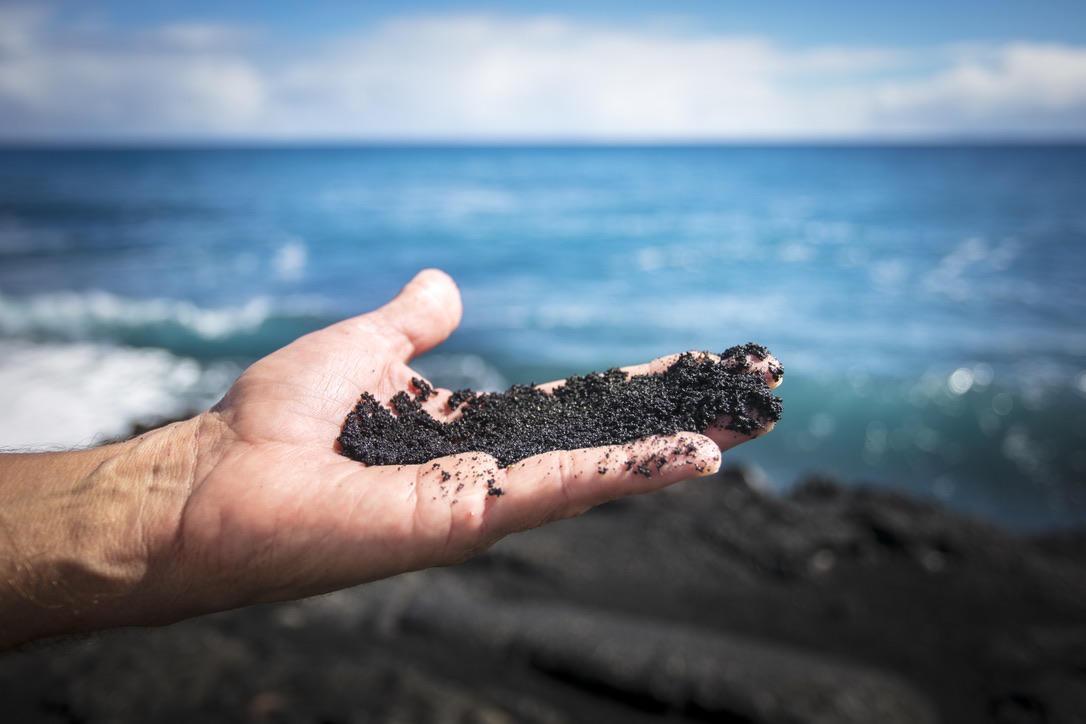
Keaukaha sits at the eastern edge of Hilo, where black lava meets the slow, steady churn of the Pacific—an interface that makes for concentrated marine life and a variety of angling settings within a small radius. Walk the shoreline at dawn and you’ll find families and fishers intermingling: cast-netting for akule in shallow flats, surfcasters waiting for ono cruising the breaker line, and reef anglers picking off reef-triggerfish and ulua on the nearshore lava heads. The volcanic substrate creates pockets of reef, channeling nutrients and baitfish in ways that flatter both shore and small-boat methods.
The true character of Keaukaha fishing is variety. From pocket reefs and tidepools that teach patience and finesse, to accessible rocky points that reward accurate long casts, to quick runs out of Hilo Bay for deeper-water bottom fishing, anglers can match their mood—and experience level—to the water and target species. For visitors, this means an efficient itinerary: spend a morning learning shore techniques and tide behavior, and an afternoon on a charter or a skiff exploring deeper structure. The proximity to Hilo’s services keeps logistics simple—fuel, ice, and bait are nearby—but the shorelines still feel remote enough to offer solitude and observation of coastal wildlife.
Culturally, fishing here is both livelihood and living tradition. Keaukaha and greater Hilo have long ties to Hawaiian fishing practices—an awareness of seasonal runs, taboos around certain places, and the importance of taking only what you need. As tourism and sport fishing coexist with subsistence patterns and reef stewardship efforts, visitors are best served by a low-impact approach: handle fish with care, follow local bag and size guidance, and pack out what you bring in. Keaukaha’s waters are home to reef fish, bottomfish, and seasonal pelagics—each group demanding different gear, timing, and respect for habitat.
From a planning perspective, Keaukaha is forgiving but not placid. Weather on the windward coast can pivot quickly: trade winds, passing squalls, and changing swell shape productive waves and current conditions. Shore anglers should pay attention to tide windows and local surf advisories; boaters and charter clients should plan for early departures to catch calm morning water and make the most of seasonal pelagic windows. Complementary pursuits—snorkeling on calm days, beachcombing, and visiting Hilo’s markets—pair naturally with a fishing trip, letting travelers balance adrenaline with local culture and cuisine. In short, Keaukaha rewards curiosity, preparedness, and a respect for the sea—offering authentic, varied fishing within a landscape that’s equally geological, cultural, and alive.
Small radius of diverse fishing: shore reef, rocky points, and quick offshore access via Hilo Bay.
Accessible for a range of skill levels—shore casting for beginners, charters for anglers seeking pelagics.
Strong local fishing culture and traditional Hawaiian practices inform sustainable use of resources.
Volcanic coastline creates structure and microhabitats that concentrate bait and gamefish.
Best Time to Visit
Best Months
Weather Notes
Keaukaha lies on Hilo’s windward coast—expect trade winds most days and brief afternoon showers. Mornings are typically calmer and are the best window for launching charters or shorecasting. Swell direction and size will affect shore access; check local surf reports before heading out.
Peak Season
Late spring through early fall for offshore pelagic species and calmer seas for charters.
Off-Season Opportunities
Winter months still offer reef and bottomfishing; shore anglers can find productive tidepooling and local catches when offshore conditions are rough.
Frequently Asked Questions
Do I need a license to fish in Keaukaha?
Hawaii has specific regulations for recreational fishing—different rules can apply for state waters, saltwater fishing, and certain species. Check the Hawai‘i Department of Land and Natural Resources (DLNR) for current license and bag-limit requirements before you fish.
Is shore fishing safe along the lava rock?
Lava rock is sharp and uneven; wear sturdy, closed-toe reef shoes or boots, and avoid fishing in high surf or when waves are running. Keep a safe distance from breaking waves and never turn your back on the ocean.
Are charters available from Keaukaha or Hilo?
Yes—Hilo Bay has a number of local operators offering half-day and full-day trips for bottomfish and offshore species. Contact operators in advance for availability and to confirm what gear and provisions they supply.
Choose Your Experience Level
Beginner
Introductory shore and reef fishing: learn to read tide pools, cast from lava headlands, and identify common reef species. Ideal for families and first-time anglers.
- Short shore-casting session at Keaukaha Beach Park
- Guided beginner reef fishing and tidepool exploration
- Learning knot-tying and basic rig setups
Intermediate
Confidence with varied shore conditions, some boat experience, and targeting larger reef species or nearshore pelagics with light tackle.
- Multi-site shore and point-casting tour
- Half-day charter for bottomfish and nearshore structure
- Night fishing for squid or local nocturnal species
Advanced
Experienced anglers comfortable with offshore tactics, live-baiting, and handling larger pelagics and bottomfish—often requires knowledge of currents, structure, and boat handling.
- Full-day offshore charter for mahi, tuna, and wahoo
- Targeted bottomfishing for deep-reef species outside Hilo
- Fishing multiple tide and swell windows to intercept migrating schools
Insider Tips & Local Knowledge
Respect local practices, check conditions, and leave no trace.
Start at first light—mornings are calmer and bait is most active. Scout lava edges for protected pockets where fish hold, and learn to read the water: surface birds and swirling bait are the quickest clues to subsurface activity. When shore fishing, choose locations where the reef drops into deeper pockets rather than exposed flats; those edges concentrate fish. If booking a charter, ask about gear included and whether the operator cleans and bags catch—this saves time and planning. Bring reef-safe sunscreen and minimize single-use plastics; community stewardship matters here. Finally, pair fishing with cultural context—visit the Hilo farmers’ markets for fresh produce and local knowledge, and consider hiring a local guide to deepen your understanding of seasonal runs, safe spots, and sustainable practices.
What to Bring
Essential
- Rod and reel suited to the target: medium-light for reef, medium-heavy for shore/jetty, heavy for pelagics
- Selection of terminal tackle: fluorocarbon leaders, weights, swivels, hooks, jigs
- Reliable footwear for lava rock (sturdy reef shoes or lightweight boots)
- Sun protection: hat, sunglasses with polarized lenses, reef-safe sunscreen
- Plenty of water and salty snacks; shade or a light shelter for long shore sessions
- Valid Hawaii fishing license if required—check current state regulations
Recommended
- Basic first-aid supplies and a pair of good fish-handling gloves
- Tide chart or tide app and a weather/radar app with alerts
- Small cooler with ice for storing catch
- Needle-nose pliers, dehooker, fillet knife in a protective sheath
- Lightweight life jacket for small-boat or charter trips
Optional
- Cast net for bait (where local rules allow)
- Underwater camera or small waterproof camera for tidepool and reef photos
- Binoculars for scanning offshore and locating bird or bait activity
Ready for Your Fishing Adventure?
Browse 6 verified trips in Keaukaha with instant booking
Explore Top 15 Keaukaha, Hawaii Adventures →