Top Photography Tours in Keaukaha, Hawaii
Keaukaha, the coastal neighborhood east of Hilo, is an intimate photographic playground where dynamic Pacific light, blackened lava outcrops, and everyday island life collide. This guide focuses on photography-specific tours and experiences—sunrise bayside frames, intimate cultural portraits, and coastal long exposures—plus practical planning advice to help you craft a shoot that balances creative ambition with local sensitivity.
Top Photography Tour Trips in Keaukaha
14 trips • Book with confidence • Instant confirmation
Why Keaukaha Is a Standout Spot for Photography Tours
Keaukaha sits at a crossroads of geological force, tropical light, and lived-in coastal culture—an environment that rewards patience and a practiced eye. Photographers come for the shoreline’s sculptural lava outcrops that catch early light and carve silhouette opportunities against Hilo Bay. They stay for the shifting moods: bright mid-day clarity, soft mist driven in by tradewinds, and dramatic storm-driven sunsets that can throw the sky into incandescent bands of color. The neighborhood’s scale is compact, which makes it ideal for tours that want to combine landscape frames with environmental portraiture and intimate cultural details without long drives between locations.
Because Keaukaha is part of Hilo’s eastern flank, it leans wetter than the western slopes of the island—this is both a creative asset and a logistical consideration. Moisture turns rocks glossy, saturates tropical foliage in rich greens, and expands the palette of reflections in tide pools and wet sand. It also means light can change rapidly: a clear pre-dawn may become filtered by cloud banks by mid-morning, and rain squalls can create dramatic, transient backdrops that reward quick adjustments in exposure and composition. For photographers and guides, mastering the local weather rhythm—when trades shift, when squalls reach the coast, and how tides sculpt the shoreline—is as important as technical gear choices.
Beyond landscape, Keaukaha’s human scale invites storytelling: fishermen checking nets, elders gathered at seaside parks, and county-maintained oceanfront stretches that reveal everyday island life. A well-run photography tour here is a layered experience—balancing respectful cultural context with ethical image-making, reading tide charts for safe and interesting vantage points, and using compactness to maximize golden- and blue-hour opportunities. Keaukaha rewards photographers who bring curiosity and restraint: shoot deliberately, seek permission when capturing people, and be ready to pivot when the island weather throws a new kind of light at your feet. The result is a portfolio of images that mixes raw volcanic geometry, luminous tropical color, and the small human moments that make place feel alive.
Keaukaha’s proximity to Hilo means logistical ease for photographers: short transfers from town, access to supplies, and a variety of coastal micro-environments within minutes of one another.
Weather variability is a creative advantage when anticipated—the same squall that limits hiking can create the dramatic, saturated skies and reflections that make portfolio-defining images.
Cultural respect is essential: approach portrait subjects and private property with clear communication, and prefer shoots in public spaces or with pre-arranged permission.
Best Time to Visit
Best Months
Weather Notes
Keaukaha experiences frequent moisture-laden trade winds and localized showers. Mornings often produce calmer seas and clearer light; afternoons can bring more cloud build-up. Tides and brief squalls significantly affect coastal access and the character of light.
Peak Season
Holiday periods and summer months draw more visitors to Hilo-area attractions; for photography tours, weekends and holiday mornings are busiest.
Off-Season Opportunities
Rainier months can offer dramatic skies and fewer people at popular shorelines. Midweek shoulder-season mornings often yield the best combination of quiet locations and favorable light.
Frequently Asked Questions
Do I need permits for on-location photography in Keaukaha?
Personal photography in public parks and shorelines typically requires no permit, but commercial shoots, large setups, or exclusive access requests may require county permits or landowner permission—check with Hawaii County or local site managers for formal shoots.
How close to the water can I shoot safely?
Tide charts and local knowledge matter. Rocks can be slippery, and sneaker waves occur. Never turn your back to the ocean; plan low-tide shoots for exposed tide pools and higher-tide long exposures from stable, higher ground.
Is Keaukaha good for night and astrophotography?
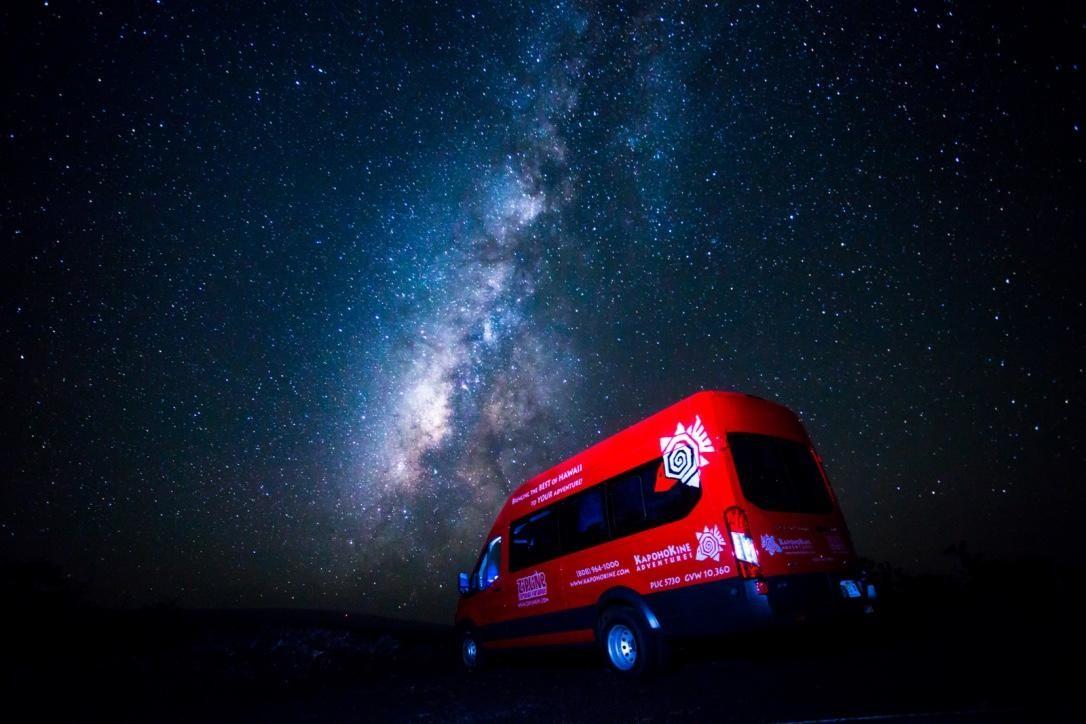
Keaukaha has some dark-sky pockets relative to Hilo, but coastal mist and scattered lighting can affect night work. For true high-elevation astrophotography, other island locations are more suitable; however, coastal nightscapes and star-reflection frames can work on clear, low-humidity nights.
Choose Your Experience Level
Beginner
Short, guided walks and basic seascape compositions focused on framing, exposure, and working with coastal light.
- Sunrise Hilo Bay shoreline shoot
- Tide-pool close-ups and macro studies
- Community park portrait session
Intermediate
Expanded half-day tours combining golden-hour landscape techniques, simple long exposures, and basic environmental portrait lighting.
- Golden-hour lava-rock silhouettes
- Long-exposure coastline sessions
- Cultural and street-listening portrait work in nearby Hilo
Advanced
Full-day or multi-dawn shoots that require complex exposure blending, weather-dependent planning, and advanced tide-and-safety awareness.
- Multi-light environmental portraits at coastal sites
- Complex long-exposure and HDR landscape sequences
- Location scouting for multi-day editorial projects
Insider Tips & Local Knowledge
Always check tide tables, weather forecasts, and local advisories before shooting on the shoreline.
Aim for pre-dawn arrival to scout angles and reserve compositions at popular vantage points. Bring rain protection for both yourself and gear—coastal mist can fog lenses quickly. Ask permission when photographing people and be mindful of private property lines along the coast. Use reef-safe sunscreen and leave no trace: Keaukaha’s shoreline ecosystems are fragile. Consider hiring a local guide for access, storytelling context, and tidesafety; guides can translate cultural context and shorten the scouting curve so you spend more time shooting and less time searching.
What to Bring
Essential
- Camera body and at least one versatile lens (wide-to-standard)
- Sturdy travel tripod with low-angle capability
- Spare batteries and multiple memory cards
- Waterproof rain cover for camera and pack
- Water, sun protection, and insect repellent
Recommended
- Neutral-density and polarizing filters for long exposures and reducing glare
- Lens cloths and silica packs to manage moisture
- Small reflector or portable diffuser for portraits
- Compact waterproof bag or dry sack for tide-line work
Optional
- Telephoto lens for compressed coastal frames
- Weather-sealed camera or protective housing for heavy spray
- Portable backup battery for phone/tablet-based tethering
Ready for Your Photography Tour Adventure?
Browse 14 verified trips in Keaukaha with instant booking
Explore Top 15 Keaukaha, Hawaii Adventures →