
Inglis adventure guide
Find your way into Inglis.
A compact Gulf Coast waypoint, Inglis is a water-first town where tides choreograph the day and wildlife punctuates every outing. Expect boat tours and boat rental options that put you on sheltered estuaries for kayak and canoe runs, SUP mornings, and guided snorkel or scuba trips. Fishing and dolphin watching are local rhythms; eco tours and environmental attractions frame encounters with marshes, shorebirds, and subtropical scrub. For travelers chasing simple, salt-scented adventure—paddle, cast, or step onboard—Inglis delivers a concentrated coastal program with practical access to both calm river paddles and open-water boat excursions.
Three ways into the city
Pick a landscape. Build a day around it.
Inglis is less a single destination than a collection of neighboring worlds. Start with the version of the city that matches your pace, then use the ranked guide below to fill in the details.
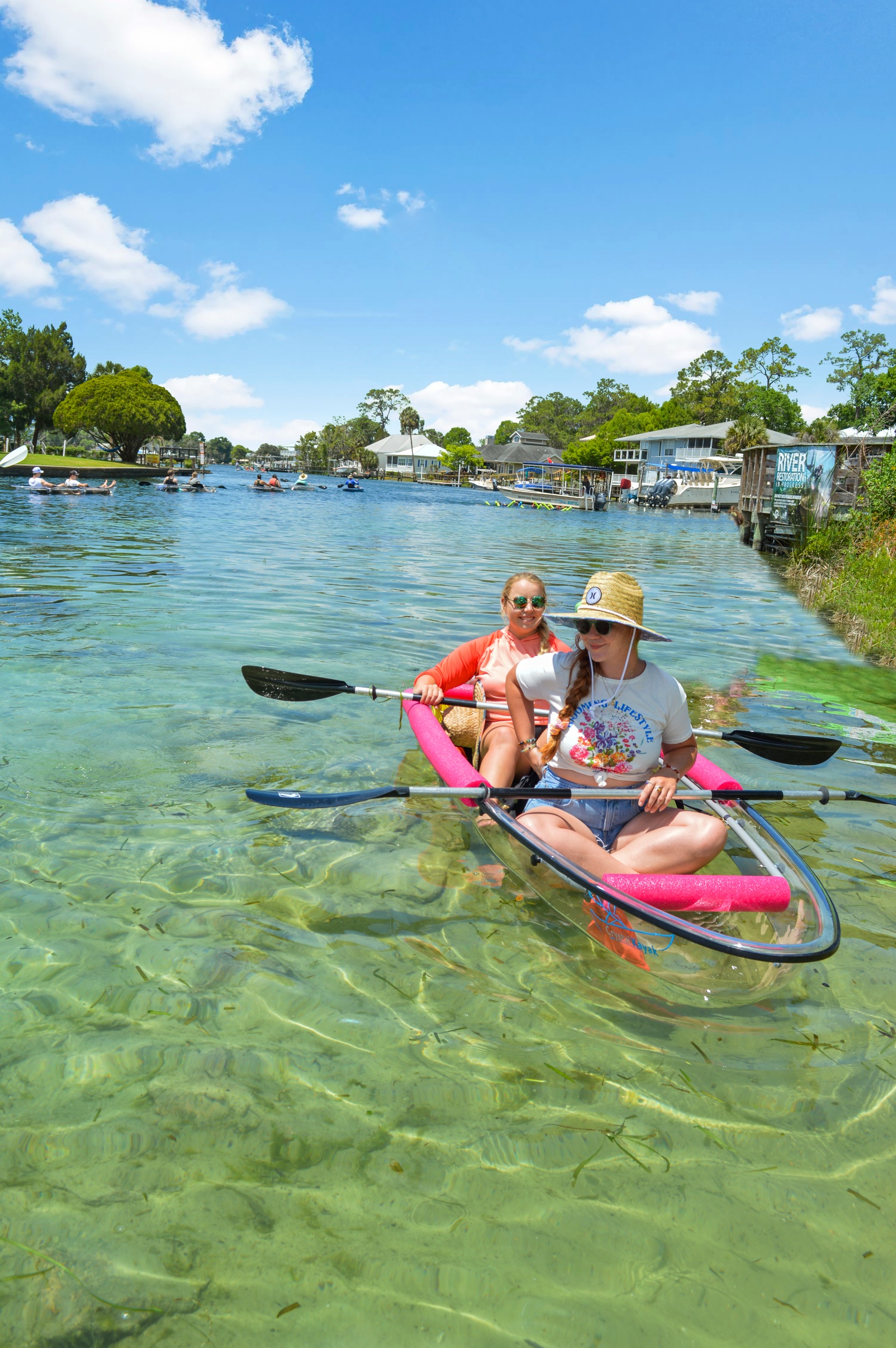
Begin where the city meets the sea.
Surf breaks, sheltered harbors, whale routes, and long beach paths make the coast LA’s most immediate outdoor playground.
Explore water activities →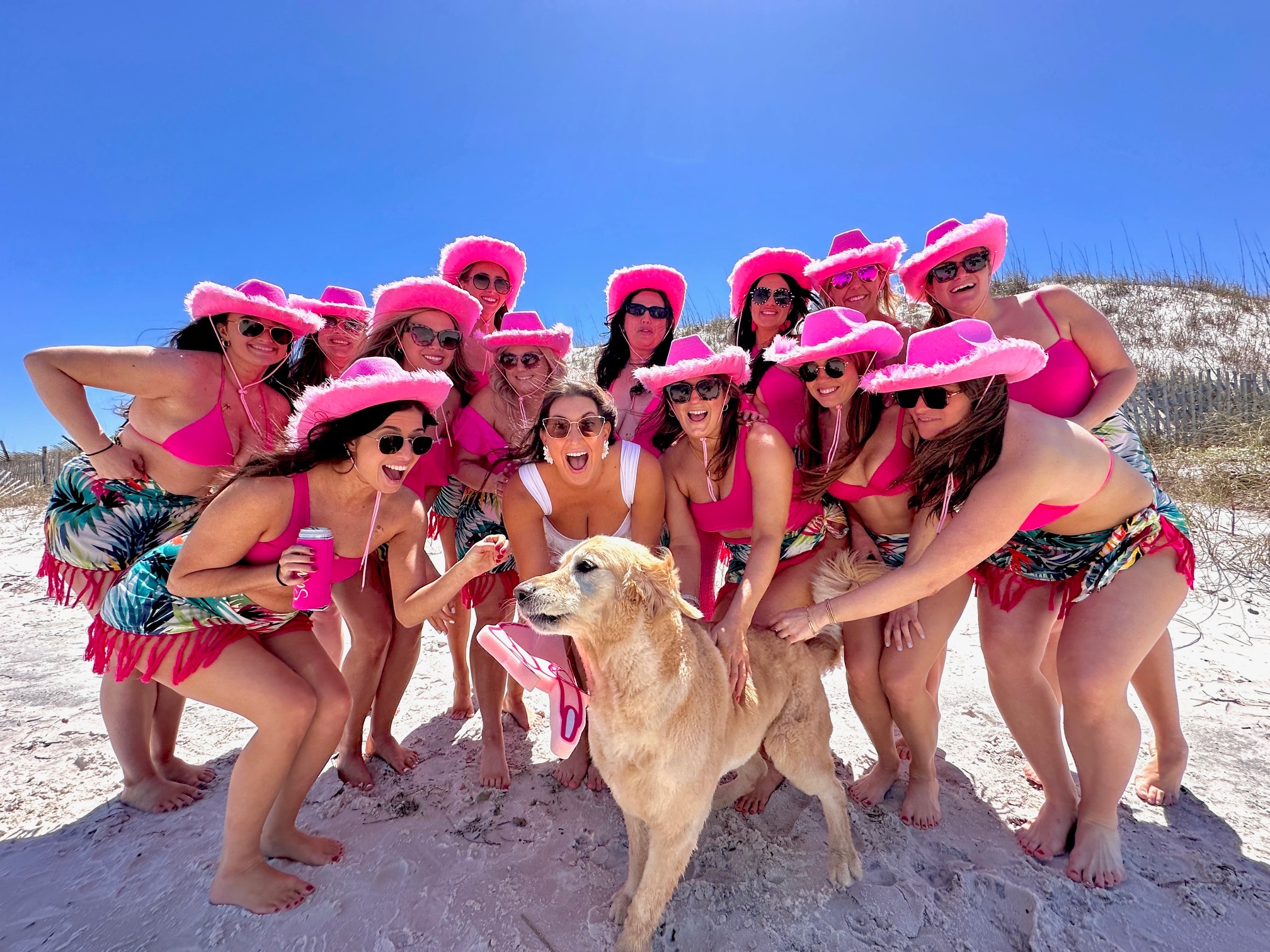
Let a local connect the landmarks.
Use a guided city, walking, or sightseeing tour to turn LA’s sprawl into a coherent story.
Explore boat tour →
Ride the coast and the city.
Beach paths, river corridors, e-bikes, and ridge climbs reveal a more connected Los Angeles.
Explore wildlife →Choose your way into Inglis
The top 15 Inglis adventures.
Ranked by the number of currently listed trips. Each panel opens the complete local activity collection.
1Water Activities
A pocket of Gulf Coast calm and current, Inglis is a launchpad for paddling, fishing, manatee viewing, and shallow-water snorkeling. The shoreline and estuaries here reward low-key exploration—think quiet mangrove mazes, broad oyster bars, and easy-access boat ramps that put Gulf islands, springs, and river bends within a short run. This guide focuses on water-based pursuits around Inglis: where to go, when to paddle or boat, and how to plan for tides, wildlife seasons, and local conditions.
Explore water activities →2Boat Tour
Where a languid river meets the Gulf, Inglis is a quietly rewarding place to set out by boat. Short wildlife cruises, half-day fishing charters, and guided estuary tours reveal mangrove tunnels, shorebirds, and the slow-motion rhythm of Florida’s coastal wetlands. This guide focuses on boat-based experiences—what to expect on the water, how to plan around tides and weather, and the practical gear and access notes that make a successful day afloat.
Explore boat tour → 3
3Kayak
Inglis sits where slow, tannin-dark inland rivers meet the Gulf's tidal breath—a small but strategic launching point for calm estuary paddles, mangrove-edged channels, and wide marsh flats. This guide focuses only on kayak experiences: from flatwater day loops to longer river-to-coast routes, seasonal wildlife viewing, and the practical planning details that turn a pleasant paddle into a confident day on the water.
Explore kayak → 4
4Fishing
Inglis sits where river, marsh, and Gulf meet — a compact coastal pocket where flats anglers, light-tackle casters, and kayak fishers come to chase adrenaline and quiet days alike. This guide focuses on fishing experiences: from early-morning flats stalking to tidal river runs and bonefish-style sight fishing in shallow estuaries. Practical and poetic, it maps the rhythms, access points, and planning details you need to turn a trip into a memorable day on the water.
Explore fishing → 5
5Boat Rental
Inglis sits where slow-moving river meets wide, shallow Gulf waters — a quiet gateway for boaters seeking flats fishing, scenic estuary exploration, and sunset runs along Florida’s Nature Coast. Renting a boat here is less about high-speed circles and more about measured discovery: poling the shallows, scanning mangrove edges for wading birds, drifting over eelgrass beds, and anchoring for a shell-strewn shoreline picnic. The area’s small-town ramps and sheltered waterways make it ideal for families, anglers, and anyone who wants to trade crowded marinas for salt-scented solitude.
Explore boat rental →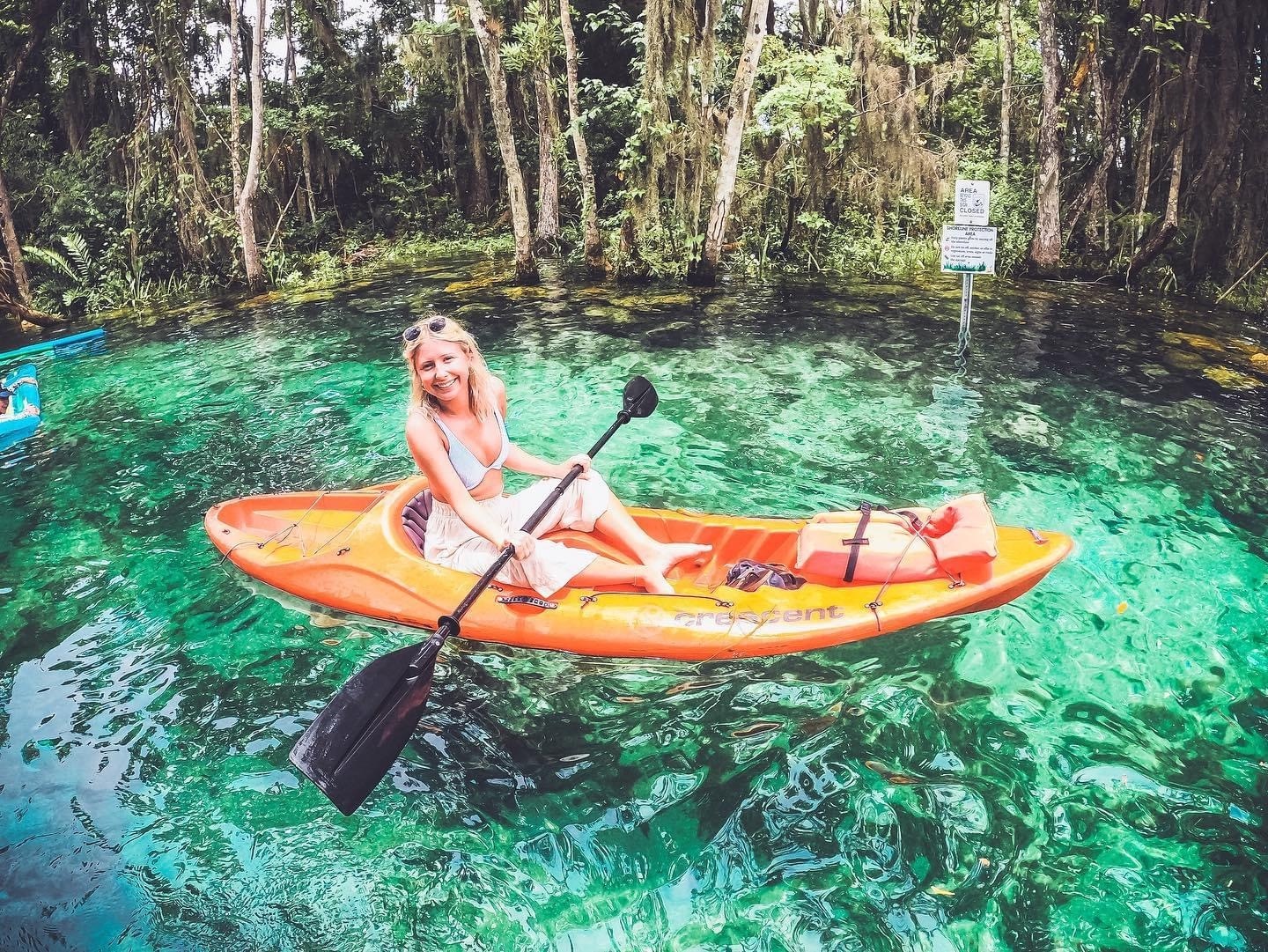 6
6Snorkel
Inglis sits on the quieter edge of Florida’s Gulf Coast—a place where shallow seagrass flats, mangrove-fringed creeks, and tidal channels create approachable snorkeling terrain. This guide focuses on getting you into the water safely and responsibly, whether you’re slipping off a county ramp for a calm bay snorkel or joining a local boat for a half-day trip to nearby grassbeds and oyster bars.
Explore snorkel →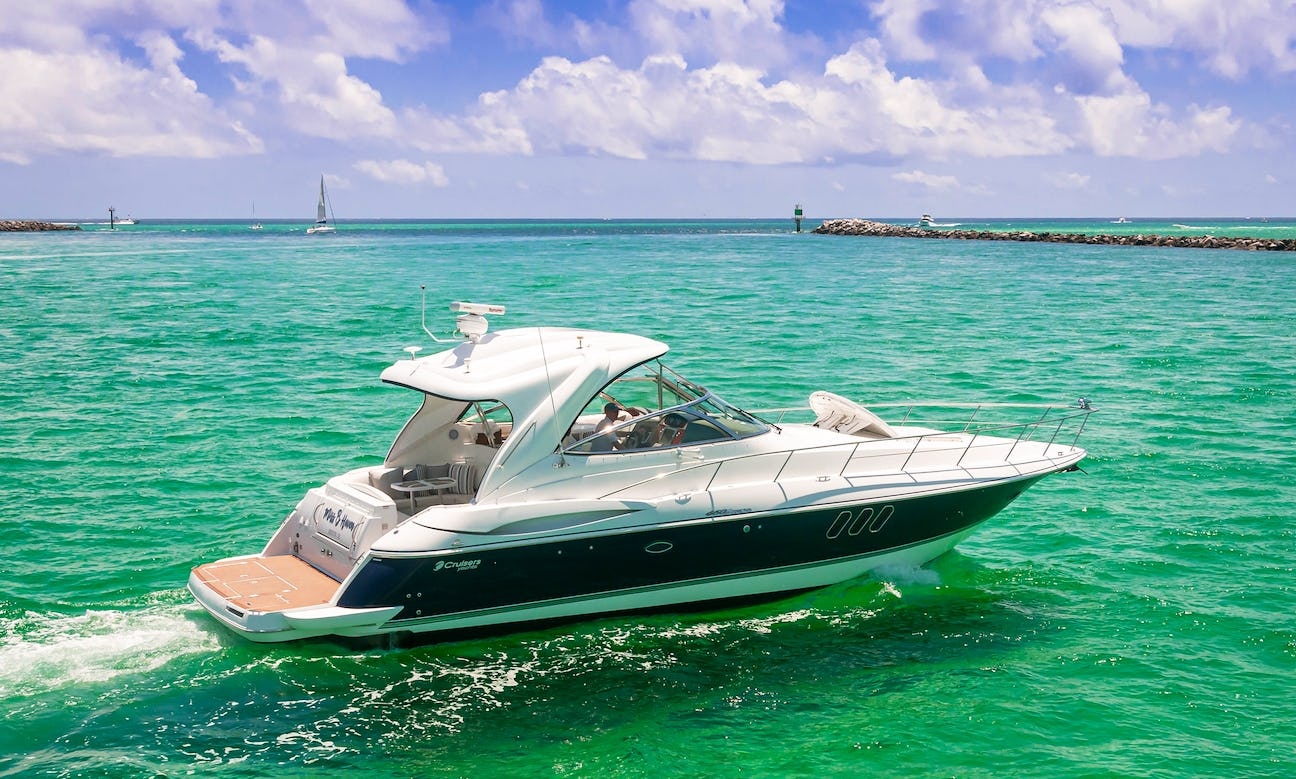 7
7Eco Tour
Inglis is a compact coastal town whose real draw is the water: a braided estuary of river, tidal marsh, and Gulf inlets that supports an outsized cast of wildlife. Eco tours here are intimate—kayak guides who know every oyster bar, boat naturalists who read the tides like a map, and birding walks that follow the migration corridors of shorebirds and raptors. This guide focuses tightly on eco-tour experiences: wildlife-focused boat tours, guided kayak and paddleboard trips through mangrove tunnels, volunteer restoration outings, and low-impact wildlife watching that connects you to Florida’s subtropical estuary systems.
Explore eco tour →8Wildlife
Inglis is a quiet doorway to Florida’s salt-and-river interface—brackish marshes, tidal creeks, and a wide coastal shelf that together make for high-value wildlife encounters. From dawn chorus wading birds and migratory songbirds to bottlenose dolphins, manatees, and the seasonal drama of shorebird migration, wildlife watching around Inglis rewards patience and a little local knowledge. This guide focuses on where to look, when to go, and how to plan trips that maximize sightings while minimizing impact.
Explore wildlife → 9
9SUP
Inglis sits where slow, tannin-dark rivers meet the Gulf’s shallow estuaries — an ideal stage for stand-up paddling that favors quiet exploration over big-surf drama. Expect glassy morning flats threaded with mangrove fingers, tidal creeks that open to broad mudflats at low tide, and meandering river reaches shaded by live oak canopy. This guide zeroes in on SUP-specific routes, seasonality, and planning notes so you can choose the right board, time your launch with tides and winds, and connect paddling with local fishing, birding, and coastal photography.
Explore sup → 10
10Scuba
Inglis sits where small-town Gulf Coast rhythms meet a hidden underwater landscape of seagrass meadows, artificial reefs and shallow wrecks. For divers seeking warm-water outings with easy entry options and a high chance of close encounters with coastal marine life, Inglis is a practical base for short boat runs and shore-access dives. This guide focuses on scuba experiences around Inglis—what the water feels like, when visibility is at its best, how to plan charters and shore dives, and which complementary adventures (snorkeling, kayaking, birding) pair well with time below the surface.
Explore scuba → 11
11Canoe
Inglis is a low-slung, salt-sweet edge of Florida where clear spring runs meet tannin-stained rivers and the Gulf's tidal breath. Canoeing here is intimate: flatwater paddles past salt marshes, glassy spring-fed runs that invite gentle poling, and estuary routes where tides choreograph wildlife showings. Expect short put-ins, car-top launches, and a calming rhythm that rewards slow travel and a willingness to notice—wading birds, manatees near springs, and the quiet geometry of oyster reefs at low tide.
Explore canoe →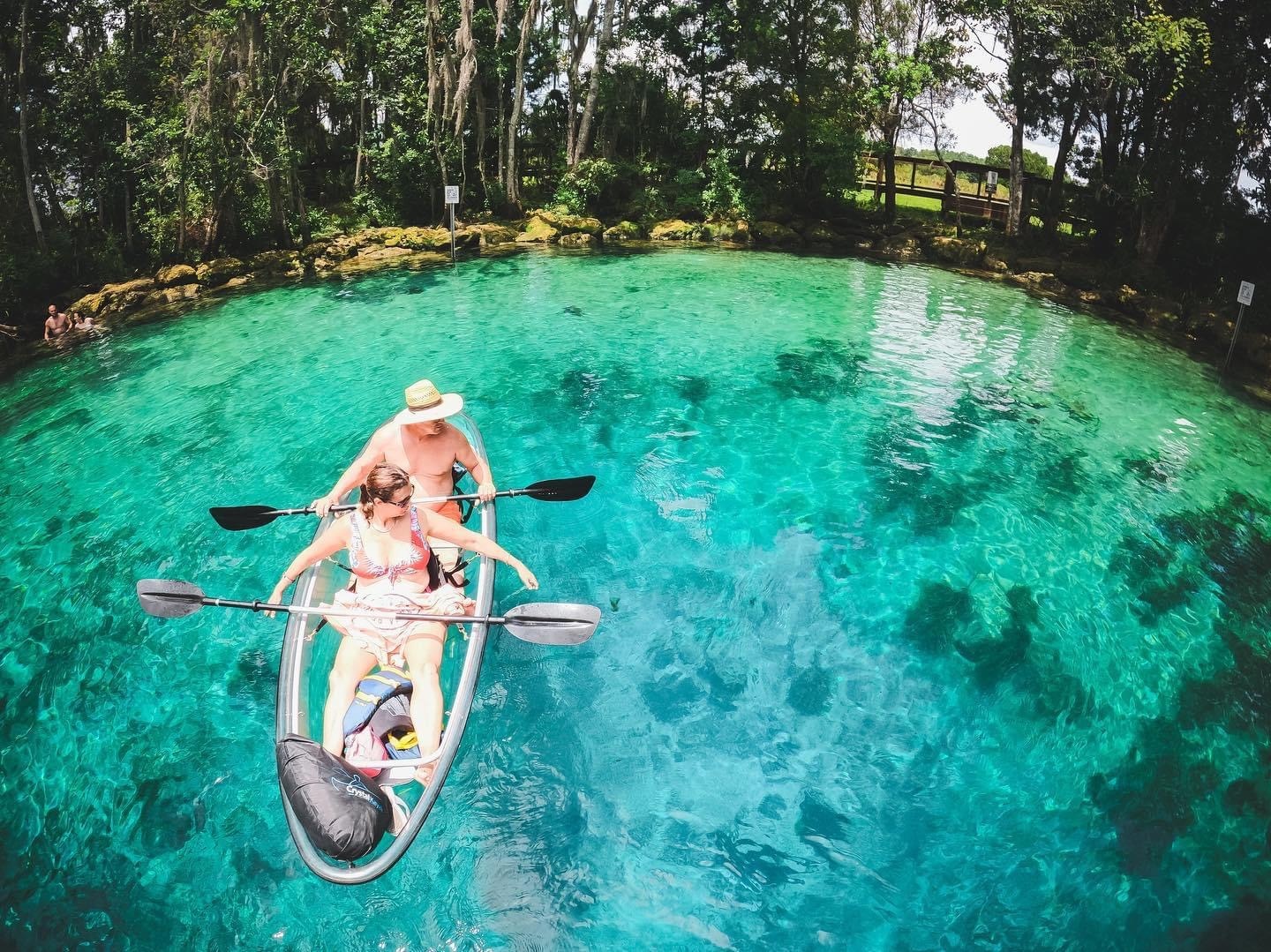 12
12Dolphin
Along Florida’s quiet Nature Coast, Inglis offers a salt-sweet shortcut to encounters with one of the sea’s most eloquent animals: the bottlenose dolphin. Whether you’re scanning the horizon from a kayak, drifting on a small chartered skiff, or watching from a low, sandy shoreline, dolphins here shape the coastal day. This guide focuses on dolphin-centered outings—watching pods ride tidal edges, joining small-group eco-tours that prioritize wildlife behavior, and pairing dolphin viewing with complementary experiences like coastal birding, shallow-water snorkeling, and estuary paddles. Expect accessible, low-key trips geared toward observation and photography rather than high-volume commercial operations. Practical details and season-aware planning are woven throughout so you can trade guesswork for an intentional, respectful encounter.
Explore dolphin → 13
13Environmental Attraction
Inglis is quiet from the highway but loud where land meets sea: a chain of tidal creeks, salt marshes, and hammock fragments that stitch the Gulf Coast into a living classroom. Environmental attractions in and around Inglis emphasize the slow, patient pleasures of wildlife watching, low-impact paddling, and shoreline exploration—experiences shaped by tides, wind, and season. This guide focuses on how to encounter those places thoughtfully, when to go, and how to plan for conditions that matter to every outdoor traveler.
Explore environmental attraction → 14
14ATV/UTV
Inglis sits where salt air and scrub pines meet lowland rivers, and that edge creates accessible, variety-rich terrain for ATVs and UTVs. Expect flat expanses of sand and shell, narrow riverbank runs, farms with private tracks, and mud slots that come alive after a storm. This guide focuses on the riding experience here—where to go, when to head out, what to bring, and how to pair a day on the throttle with fishing, beachcombing, or a sunset campfire.
Explore atv/utv → 15
15City Tour
Inglis is the kind of coastal Florida town that invites slow discovery. City tours here are intimate—walks along riverfront docks, bike loops past weathered storefronts, and culinary detours at seafood shacks where the day's catch appears on the menu. The tempo is relaxed but rich with texture: local maritime history, migratory birds that stage in the salt grasses, and a rhythm shaped by tides and fishing seasons. This guide focuses on exploring Inglis on foot, by bike, and by local-guided excursions—blending cultural snapshots with outdoor experiences like kayaking and birding that naturally pair with a city tour.
Explore city tour →The city and the sea
Why Inglis Belongs on Your Coastal Adventure List
Variety without surrendering the day to long transfers.
The first thing you notice about Inglis is how the horizon feels usefully close. From low, marsh-cut shorelines to the broader sweep of the Gulf, the town is less about a single destination and more about a series of small, generative experiences: a morning paddle through mangrove fingers, an afternoon aboard a slow boat scanning for dolphins, and a twilight cast where shrimp boats stitch the inlet lights into the dark. This is a place where water activities guide the tempo. Kayak and canoe trips fold neatly into half-day escapes, and stand-up paddleboarding lets you negotiate warm, shallow flats at your own pace. Boat tours and boat rental keep larger groups comfortable and flexible — you can be anchored over sandbars for snorkel and scuba recon, drifting on a glassy channel while egrets patrol the shallows, or making a beeline for productive fishing grounds. Eco tours thread natural history into every outing, translating saltmarsh science and seabird behavior into actionable moments: where to look for feeding dolphins, what to expect from the tide, and which mangrove keys are nesting hotspots. Practical travel here is uncomplicated but specific. Outfitters and local captains run the necessary risk checks and share the area’s seasonal rhythms, from shellfish closures to ideal winds for SUP in the morning. Because Inglis sits on the Gulf Coast’s quieter flank, you get many of the region’s highlights—snorkeling, wildlife viewing, accessible canoe runs—without the lines or the five-star price tag of bigger hubs. That doesn’t mean a lack of options: guided trips range from family-friendly wildlife cruises to specialty scuba dives, while land-based choices like ATV/UTV tours and short city tours give non-paddlers a way to engage with the area’s history and hinterland. Bring curiosity and basic preparation. Tides change what’s possible on a daily timetable; a low tide can reveal sandbars that are perfect for a picnic and a quick swim, while a higher tide opens mangrove channels to explore. Weather follows the Florida script—gentle winters, lively springs, a humid summer that rewards early starts, and an autumn punctuated by storm considerations—so plan around conditions and ask outfitters about shuttle options for longer paddles. Whether you arrive for a focused weekend of fishing and diving or a relaxed week of paddle-surf-sit exploration, Inglis rewards modest ambitions with reliable, water-first adventure that feels local, immediate, and endlessly repeatable.
Access is straightforward: small-town roads, nearby boat ramps, and local outfitters who will rig you for a morning on the water or a multi-hour eco tour. Rentals are available for kayaks, canoes, SUPs, and small motorboats, making it easy to mix independent days with guided experiences.
Wildlife is a chief draw—shorebirds, wading birds, and regular dolphin sightings—and many operators emphasize low-impact viewing and conservation-friendly practices. With options for snorkeling and scuba, Inglis is also an entry point for exploring nearshore reefs and submerged habitats that punch above their size in biodiversity.
Conditions shape the day
The best time to visit Inglis.
Cooler, drier months (late fall through spring) offer the most comfortable conditions for full days on the water. Summer brings heat, humidity, and afternoon storms; hurricane season is June–November—monitor forecasts and be flexible with boating plans.
Best all-around window
Spring + fall
Comfortable mixed-itinerary weather, thinner crowds at beaches and lookouts, and more room to improvise.
Beach season
Late fall through early spring when snowbird traffic and charter demand increase—book guided trips and boat rentals in advance.
Surf + whales
Summer weekdays provide quieter ramps and potential value pricing; early-morning paddles avoid the heat.
Coast to inland
Cool marine mornings often give way to warmer inland afternoons and breezy evenings.
Beginner
Short, sheltered paddles, guided boat tours, and family-friendly fishing excursions are accessible to first-timers and anyone seeking low-commitment outdoor time.
- Guided boat tour for dolphin and birdwatching
- Short SUP or kayak loop in protected estuaries
- Intro snorkeling trip in calm, shallow sites
Intermediate
Longer paddles with tidal considerations, half-day fishing trips, and DIY boat rentals for exploring sandbars and nearshore reefs.
- Mid-length kayak or canoe between tidal channels
- Half-day fishing charter for nearshore species
- Self-guided boat rental to snorkel and beach on sandbars
Advanced
Extended coastal crossings, targeted scuba dives on submerged structure, and technical fishing excursions that demand experience and planning.
- Open-water scuba dives with local dive operators
- Full-day offshore fishing or multi-leg boat runs
- ATV/UTV guided trails requiring prior vehicle experience
Field kit
What to bring.
Pack for sun, salt water, walking, and a meaningful temperature swing between coast and inland Inglis.
Essential
Start here
- Reef-safe sunscreen and a wide-brim hat
- Light waterproof layer and quick-dry clothing
- Water shoes or sturdy sandals for rocky/shallow landings
- Dry bag for phone, wallet, and spare layers
- Personal flotation device if you prefer your own (many outfitters provide PFDs)
Water days
Keep it dry
- Compact binoculars for bird and dolphin spotting
- A small first-aid kit and blister care
- Reusable water bottle and electrolyte mix
- Fishing license if you plan to fish from shore or boat (verify local rules)
Long days
Stay flexible
- Underwater camera or snorkel mask with prescription lenses
- Lightweight hammock for sandbar siestas
- Compact inflator for SUPs or spare paddle for tandem trips
Insider note
Start early, then keep the geography tight.
Start early for calm water and cooler temperatures—mornings are prime for clear snorkel and SUP conditions. When renting boats, confirm fuel policies and shallow-water experience; local captains can recommend sheltered routes and the best sandbars for a safe beach stop. Practice low-impact wildlife viewing: keep distance from dolphin groups and nesting birds, and never feed wildlife. If you plan to snorkel or scuba, opt for reef-safe sunscreen and check visibility reports; guided dives often access the best structure and include safety briefings. For land-based diversions, book ATV/UTV tours on designated trails only and ask operators about the most responsible routes to avoid sensitive habitats. Finally, map your exit points and parking—some put-ins and ramps are small and fill early on weekends.
Good to know
Frequently asked questions.
Do I need a guide for kayaking or SUP?
No—many calm estuaries and protected channels are suitable for self-guided paddling. Rent gear from a local outfitter and ask about tide windows and route suggestions. Choose a guide if you’re new to tidal navigation, want wildlife interpretation, or plan a longer crossing.
Are fishing charters and licenses required?
Fishing charters supply gear and captain services and handle permits for chartered trips. If you fish from shore or a privately rented boat, you may need a Florida saltwater fishing license—check Florida Fish and Wildlife regulations before you go.
Can I snorkel or scuba year-round?
Yes, though visibility and water temperatures vary. Spring and summer often have warmer water and good visibility; winter months can bring cooler temperatures but still yield productive dives. Local operators will advise on current conditions and recommended sites.
Ready when you are
Find the trip that fits your Inglis day.
Compare bookable experiences across the coast, city, and mountains—then save the ones that belong in your plan.
Explore all Inglis adventures ↗