7

Top Snorkel Adventures in Inglis, Florida

Inglis, Florida

Inglis sits on the quieter edge of Florida’s Gulf Coast—a place where shallow seagrass flats, mangrove-fringed creeks, and tidal channels create approachable snorkeling terrain. This guide focuses on getting you into the water safely and responsibly, whether you’re slipping off a county ramp for a calm bay snorkel or joining a local boat for a half-day trip to nearby grassbeds and oyster bars.

37
Activities
Year-Round with seasonal peaks
Best Months

Top Snorkel Trips in Inglis

37 trips • Book with confidence • Instant confirmation

Why Inglis Is a Special Spot for Snorkeling

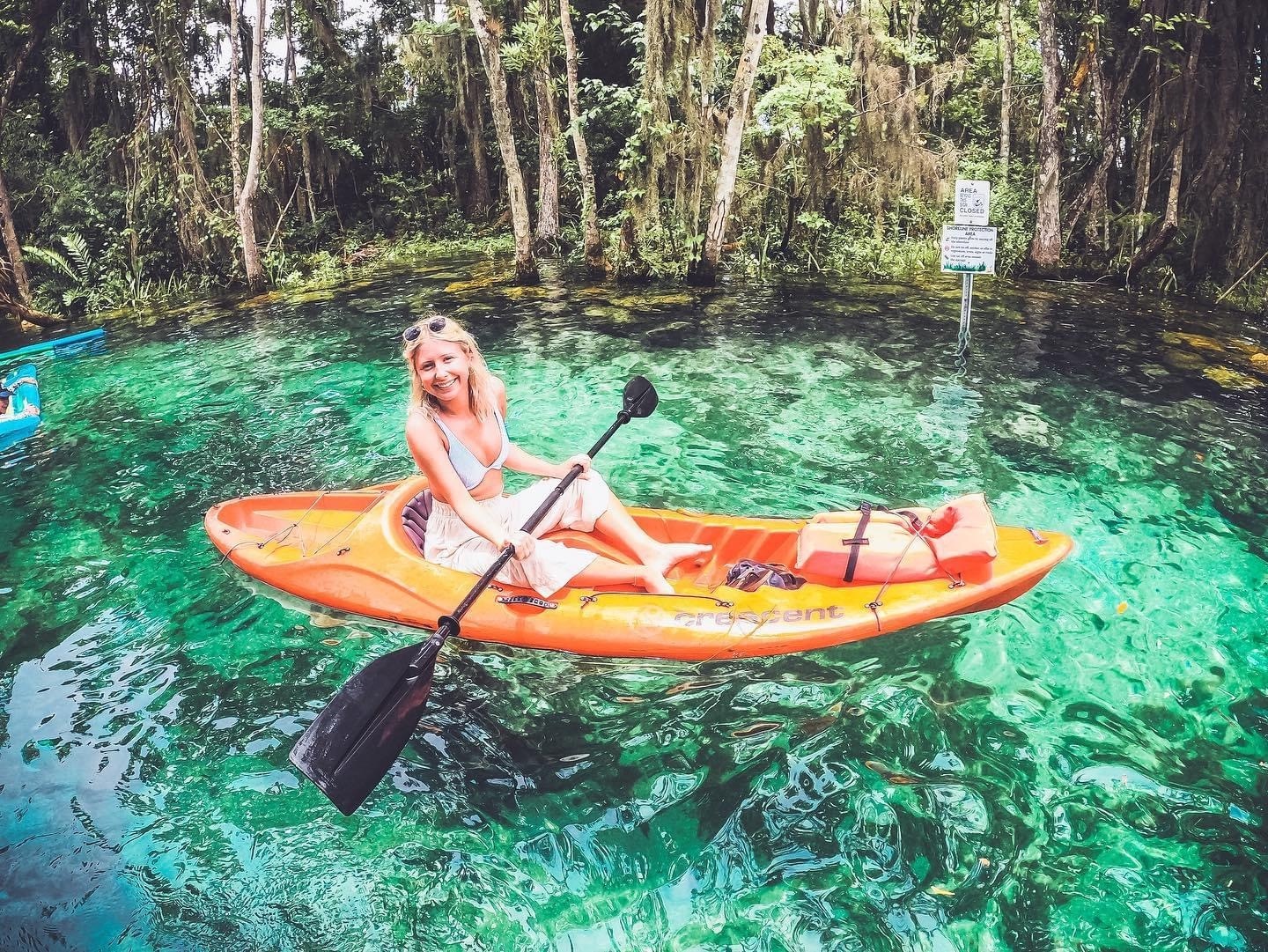
Inglis may not shout its credentials like a developed resort town, but for snorkelers who prefer intimacy with coastal ecosystems, it offers something increasingly rare: accessible, shallow-water exploration in a working coastal landscape. Here the shoreline is a collage of salt marsh, mangrove thickets, and seagrass meadows—habitats that support juvenile fish, crustaceans, and the eelgrass beds that make Florida’s Gulf Coast both productive and fragile. Snorkeling in and around Inglis is less about dramatic coral walls and more about the subtler rewards of a healthy estuary: darting pipefish, arches of oyster formations, schools of juvenile snapper and trout, and the slow ballet of rays gliding over sandy flats.

Tides and wind shape the experience. On glassy mornings the shallow flats become living aquariums—visibility can be excellent and the light reveals the intricate colors of seagrass and shell. After heavy rains, runoff from rivers and canals can muddy the water, so timing and local knowledge matter. Many of Inglis’s best spots are reached by small boat or paddlecraft, which also allows snorkelers to access offshore grassbeds and protected oyster bars that sit beyond the immediate shoreline. These sites are ideal for snorkelers who want diversity: a morning among mangrove prop roots and mud crabs, then a short trip to a grassy flat where rays and juvenile fish congregate.

The human story is part of the experience. Inglis and the surrounding Citrus County towns are maritime places—fishing, small marinas, and quiet coastal communities shape the shoreline. That mix of people and habitat means visitors should come with a stewardship mindset: avoid trampling seagrass, never handle marine life, and use reef-safe sunscreen. The area pairs naturally with other low-impact adventures: paddleboarding through mangrove tunnels, birding along tidal creeks, or a guided boat trip that combines snorkeling with coastal history and naturalist interpretation. For travelers seeking a snorkel trip that balances accessibility, wildlife encounters, and quiet coastal character, Inglis is an understated choice that rewards curiosity and considerate behavior.

The variety of shallow habitats makes Inglis beginner-friendly. Mangrove arms and sheltered bays provide calm conditions and shallow water where you can acclimate to snorkeling before venturing to deeper grassbeds. These areas are especially good for families and newer snorkelers because they reduce exposure to current and boat traffic.

Seasonality matters. Warm months generally bring clearer, warmer water ideal for lingering swims and spotting juvenile fish. Winter concentrates manatees in nearby warm springs—an incredible wildlife spectacle that carries its own set of regulations and best-practice behaviors. Local operators often shift their offerings with the seasons, so booking a boat or guided trip can both enhance safety and increase wildlife sightings.

Conservation is central to the experience. Seagrass meadows are nursery grounds; oysters filter water; mangroves protect shorelines. Snorkelers who tread lightly—staying off grass, keeping distance from wildlife, and packing out trash—help maintain the clarity and life that make Inglis worth visiting.

Activity focus: Shallow bay, mangrove, and seagrass snorkeling
Most prime sites are reached by boat or paddlecraft
Visibility fluctuates with tides, wind, and freshwater runoff
Nearby spring systems draw manatees in winter months
Ideal for families, beginners, and nature-focused snorkelers

Best Time to Visit

Best Months

AprilMayJuneJulyAugustSeptemberOctober

Weather Notes

Warm months generally offer the best water temperatures and comfortable snorkeling conditions, but afternoon thunderstorms are common in summer—plan early-morning outings. Tropical storm and hurricane season runs June through November and can affect visibility and access. Winter brings cooler water and concentrated manatee activity in nearby springs; visibility may be reduced in winter but wildlife viewing can be exceptional.

Peak Season

Summer holiday weekends and early fall are the busiest for bay recreation; winter attracts visitors to nearby springs for manatee viewing.

Off-Season Opportunities

Late fall and winter provide quieter beaches and different wildlife windows; early spring often delivers good visibility as runoff decreases and water begins to warm.

Frequently Asked Questions

Do I need a guide to snorkel around Inglis?

No—there are accessible shore entries and calm flats suitable for independent snorkelers—but local guides add value for navigation, safety, and wildlife interpretation. Guides and boat operators can take you farther to offshore grassbeds and oyster bars where encounters are more consistent.

Are there strong currents or hazards to worry about?

Tidal channels can produce noticeable currents; shallow flats often remain calm but can become choppy with onshore wind. Watch for boat traffic, oyster beds (sharp shells), and submerged vegetation. Check local tide windows and err on the side of shorter excursions if wind or current picks up.

Can I see manatees here?

Manatees are present in the region, particularly in winter when they gather at nearby warm springs. Viewing regulations often apply in spring systems—if seeing manatees is a priority, book with a permitted operator and follow all local guidelines for safe and ethical viewing.

What level of swimmer do I need to be?

Many sites suit beginners who are comfortable with basic swimming and using a mask and snorkel. Weak swimmers should use a flotation device or snorkel vest and consider guided trips for added safety.

Choose Your Experience Level

Beginner

Shallow, protected bays and mangrove-lined creeks with minimal current and easy shore access. Ideal for building skills and confidence.

  • Calm bay snorkel adjacent to Inglis shoreline
  • Mangrove creek exploration on a slack tide
  • Guided family snorkel in shallow seagrass flats

Intermediate

Longer outings that may require paddling or a short boat ride to reach grassbeds and oyster bars; moderate attention to tides and wind is needed.

  • Kayak-and-snorkel combo to offshore grassbeds
  • Half-day boat trip to nearby oyster bars
  • Sunrise snorkel for morning light and calmer water

Advanced

Open-water grassbed or channel snorkels that require navigation skills, stronger swimming ability, and experience reading tides and weather.

  • Drift snorkel across an offshore seagrass flat
  • Tidal-channel navigation with changing currents
  • Multi-site snorkel including deeper edges of grassbeds

Insider Tips & Local Knowledge

Always check tides, wind, and local advisories before launching. Respect habitats and wildlife—especially seagrass and manatees.

Get on the water early for the calmest conditions and best visibility—midday sun also helps with underwater clarity. If you’re unsure about a launch site or conditions, ask at a local marina or bait shop: operators know which flats clear quickly after rain and which channels run strong. Use a snorkel vest if you plan to explore offshore grassbeds; they make multi-hour floats far more comfortable. Never stand on seagrass or reefs—fin marks, trampling, and anchors damage critical habitat. Finally, pack a small floatable marker and communicate your plan to someone on shore when heading out alone.

What to Bring

Essential

  • Snorkel mask, snorkel, and fins (well-fitted)
  • Rashguard or short wetsuit for sun and cooler months
  • Reef-safe sunscreen and sun protection
  • Floatation aid or snorkel vest if you’re not a strong swimmer
  • Towel, dry bag, and plenty of water

Recommended

  • Light booties for rocky or oyster-strewn shore entries
  • Anti-fog solution for your mask
  • Waterproof camera or housing
  • Small first-aid kit and blister supplies
  • Local tide chart and wind forecast

Optional

  • Reef-safe insect repellent for launch areas
  • Snorkel marker buoy for open-water safety
  • Polarized sunglasses for spotting fish before you enter

Ready for Your Snorkel Adventure?

Browse 37 verified trips in Inglis with instant booking

Explore Top 15 Inglis, Florida Adventures →