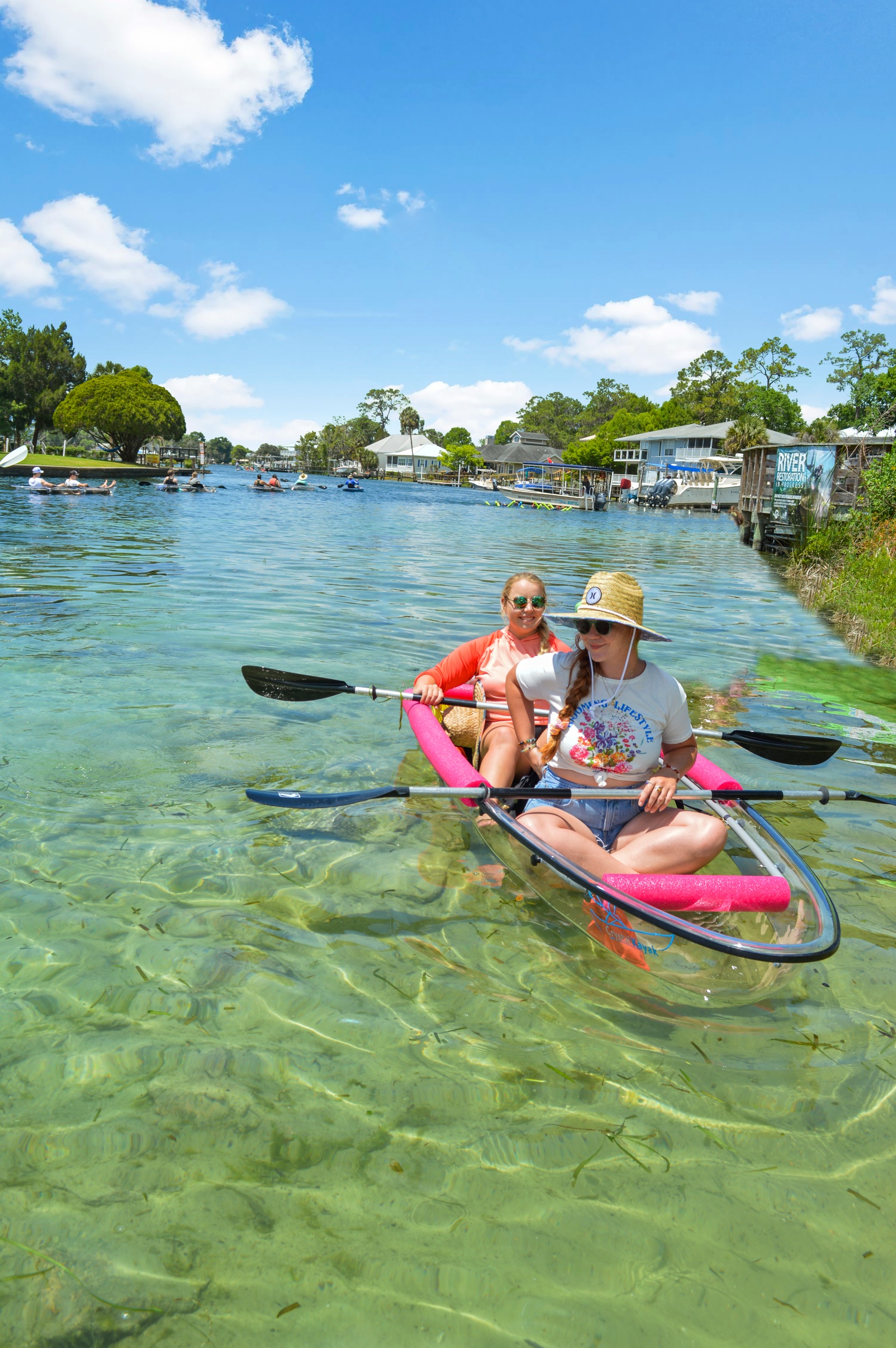
Water Activities in Inglis, Florida
A pocket of Gulf Coast calm and current, Inglis is a launchpad for paddling, fishing, manatee viewing, and shallow-water snorkeling. The shoreline and estuaries here reward low-key exploration—think quiet mangrove mazes, broad oyster bars, and easy-access boat ramps that put Gulf islands, springs, and river bends within a short run. This guide focuses on water-based pursuits around Inglis: where to go, when to paddle or boat, and how to plan for tides, wildlife seasons, and local conditions.
Top Water Activities Trips in Inglis
94 trips • Book with confidence • Instant confirmation
Why Inglis Is a Standout Water Activities Destination
Inglis sits where rivers slow into the Gulf—a threshold between tannin-stained estuaries and the shallow, shell-strewn nearshore. The landscape is intimate rather than epic: mangrove-lined creeks that curl inland, tidal flats that glow at low water, and a patchwork of islands and oyster bars that invite slow exploration. That scale makes Inglis unusually approachable; you don’t need to commit to an all-day expedition to feel like you’ve left ordinary life behind. A morning paddle can mean dolphins at the bow, wading birds working the flats, and the soft, metallic clack of clam shells as you cross a shallow bar.
The human story here is tied to water. Small fishing communities, boatyards, and seafood docks shape both economy and identity. That history shows in practical things—well-placed boat ramps, bait shops that double as local information centers, and guides who read wind and current with the same fluency they read tides. For travelers this means access: guided eco-tours, kayak and SUP rentals, charter fishing, and manatee-watching trips are all within easy reach. Inglis also functions as a quiet gateway to busier nodes—Crystal River’s springs are a short drive away, and the broader Citrus County coast is reachable by boat, expanding options without forcing you to camp in crowds.
Ecologically, the region is resilient and varied. Salt marsh and mangrove fringes buffer the shore while seagrass beds and oyster reefs support fisheries and shorebirds. Seasonal rhythms matter: winter pulls manatees into warm springs and sheltered channels; spring and summer brighten water clarity and open up snorkeling, scalloping, and clear-day island runs; hurricane season reshapes currents and visitation. Practical planning is straightforward but essential—tide tables, wind forecasts, and a respect for rapid weather changes turn a good day on the water into a safe, memorable one. Whether you’re learning to paddle in protected channels, dropping a line for snapper offshore, or floating quietly while manatees move through a warm backchannel, Inglis delivers intimate coastal experiences that are equal parts accessible and wild.
Scale and accessibility are the draw: short paddles, half-day charters, and easy snorkel runs make it a great place for family outings and first-time water adventurers.
Wildlife is a constant companion—shorebirds, otters, dolphins, and seasonal manatee congregations—so bring binoculars as readily as reef shoes.
Local operators focus on stewardship; many guided trips double as eco-lessons about seagrass restoration, oyster reef function, and sustainable fishing practices.
Best Time to Visit
Best Months
Weather Notes
Inglis has a humid subtropical climate: hot, humid summers and mild winters. Summer brings higher water temperatures, clearer nearshore conditions for snorkeling, and afternoon sea breezes. Winter is cooler and draws manatees to nearby springs and sheltered channels. Hurricane season runs June–November and can affect sea conditions—always check marine forecasts before heading out.
Peak Season
Spring and summer for snorkeling, scalloping, and general boating; winter sees localized peaks for manatee viewing.
Off-Season Opportunities
Winter weekdays offer quieter waterways for paddling and guided wildlife tours; early autumn can be pleasant between tropical systems if winds are calm.
Frequently Asked Questions
Do I need permits for boating, fishing, or scalloping near Inglis?
Regulations vary by activity and season. Recreational fishing usually requires a Florida fishing license for residents and nonresidents; scalloping and shellfishing have seasonal and area-specific rules. Check Florida Fish and Wildlife and local authorities for current permits and seasonal closures.
How close can I get to manatees?
Manatees are a protected species. Maintain a respectful distance, avoid touching or encircling them, and follow guidance from licensed guides and posted rules at springs and waterways. Operators will brief you on appropriate behavior to minimize disturbance.
Are there boat ramps and rental shops in Inglis?
Yes. Inglis and nearby towns have public boat ramps, private marinas, and outfitters offering kayak, SUP, and small-boat rentals. Rental availability can be seasonal—book ahead on weekends and during holiday periods.
Choose Your Experience Level
Beginner
Protected estuaries, calm backchannels, and guided eco-paddles make Inglis ideal for first-time paddlers and families. Most launches are short and forgiving with easy exit points.
- Guided mangrove kayak tour
- Flat-water paddle on a sheltered creek
- Short SUP trip around a protected inlet
Intermediate
Longer coastal paddles, nearshore island runs, and half-day fishing charters require basic navigation, tide awareness, and the ability to handle light chop or gusty winds.
- Half-day paddle to nearby barrier islands
- Nearshore reef snorkeling and swim stop
- Half-day inshore fishing charter
Advanced
Open-Gulf crossings, long-distance paddles against wind or current, offshore fishing, and scalloping at night call for experience, reliable gear, and attention to weather and tides.
- Open-water paddle between coastal points
- All-day offshore fishing or multi-stop boat runs
- Advanced navigation through tidal flats at changing tides
Insider Tips & Local Knowledge
Always verify access, rental availability, and current regulations before you go.
Launch during mid to high tide for easier entry and fewer exposed oyster bars. Monitor wind forecasts—morning hours are usually calmer before sea breezes build in the afternoon. Talk to local bait shops and rental operators: they know tide shortcuts, quiet anchorages, and where seagrass beds are healthiest. Respect wildlife—especially manatees and shorebirds—by keeping distance and following guide instructions. If you plan to scallop or collect shells, check seasonal rules and area closures in advance. Finally, pack a simple spare-comms plan (charged phone in waterproof case and a backup battery) and let someone know your route when paddling solo or on a long run.
What to Bring
Essential
- Personal flotation device (PFD) — required for most rental craft
- Sun protection: hat, sunscreen, UV shirt
- Waterproof bag for phone and essentials
- Light, quick-dry layers and water shoes
- Tide and wind forecast app or printed tide table
Recommended
- Shaded, insulated water bottle and snacks
- Compact first-aid kit and whistle
- Binoculars for bird and dolphin spotting
- Dry change of clothes and zip-top bag for wet items
Optional
- Underwater mask/snorkel for shallow nearshore reefs
- Small camera or action-cam with float tether
- Microspikes or reef shoes for walking oyster flats at low tide
Ready for Your Water Activities Adventure?
Browse 94 verified trips in Inglis with instant booking
Explore Top 15 Inglis, Florida Adventures →