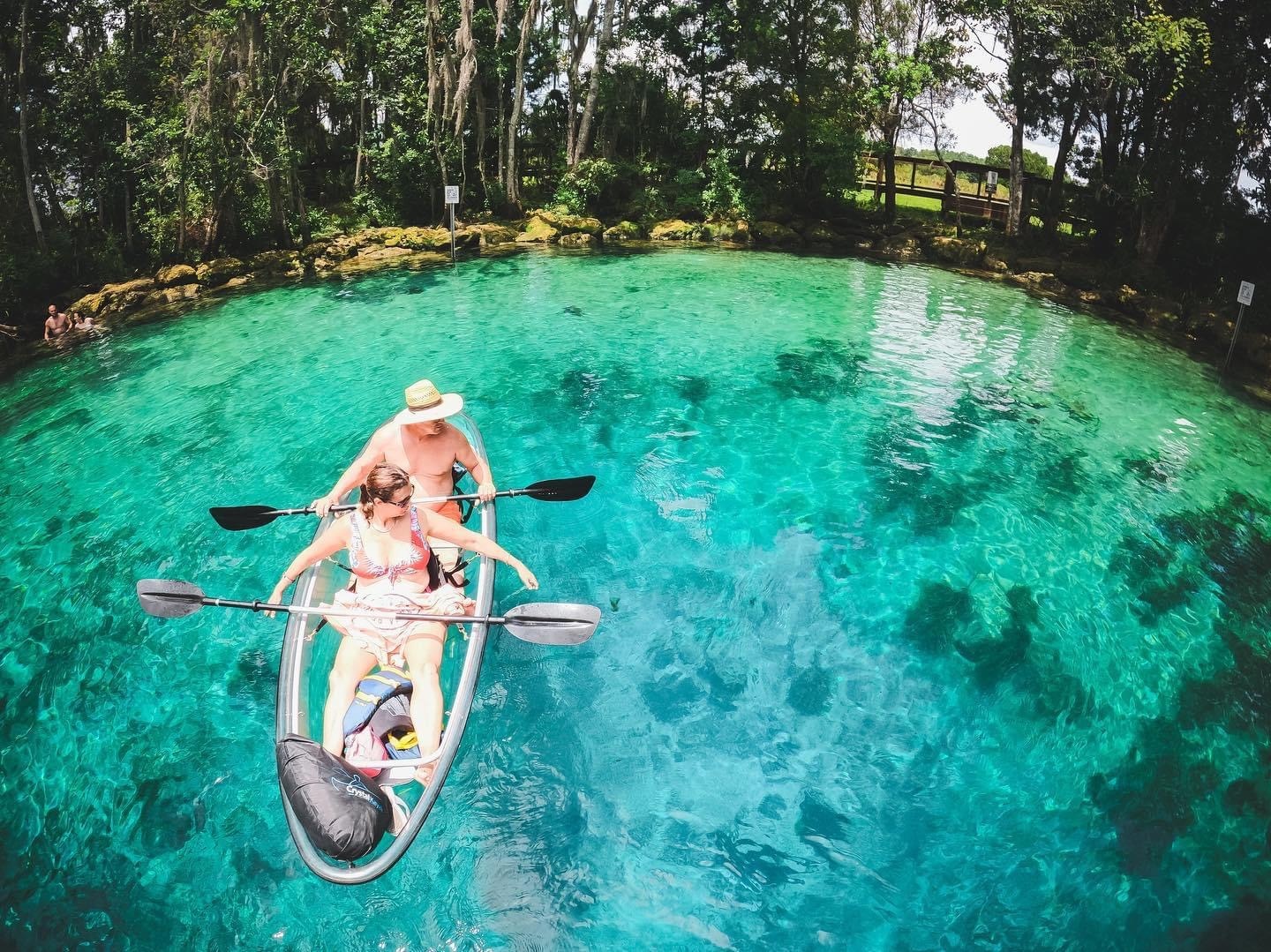
Top Dolphin Experiences in Inglis, Florida

Inglis, Florida

Along Florida’s quiet Nature Coast, Inglis offers a salt-sweet shortcut to encounters with one of the sea’s most eloquent animals: the bottlenose dolphin. Whether you’re scanning the horizon from a kayak, drifting on a small chartered skiff, or watching from a low, sandy shoreline, dolphins here shape the coastal day. This guide focuses on dolphin-centered outings—watching pods ride tidal edges, joining small-group eco-tours that prioritize wildlife behavior, and pairing dolphin viewing with complementary experiences like coastal birding, shallow-water snorkeling, and estuary paddles. Expect accessible, low-key trips geared toward observation and photography rather than high-volume commercial operations. Practical details and season-aware planning are woven throughout so you can trade guesswork for an intentional, respectful encounter.

11
Activities
Year-Round with seasonal patterns
Best Months

Top Dolphin Trips in Inglis

11 trips • Book with confidence • Instant confirmation

Why Inglis Is a Standout Dolphin Destination

Inglis sits on the gentle fringe where estuary and open Gulf mix, and that mixing bowl of currents and shallow water creates prime foraging and travel routes for dolphins. The animals you see off Inglis are typically coastal bottlenose dolphins—curious, social, and often visible just beyond the breakers or in the channels that thread salt marshes and tidal flats. For travelers who want encounters that feel intimate rather than industrial, Inglis delivers a quieter, small-scale experience: local outfitters run low-capacity skiffs and guided kayak trips that emphasize reading animal behavior over chasing a photo opportunity.

The character of dolphin outings here is shaped by place. Low, exposed shorelines and shallow seagrass beds concentrate fish and crustaceans at certain tides, and dolphins follow. That means the best sightseeing windows are a function of tide and light as much as season; early morning and late afternoon sessions often bring calmer seas, better lighting for photography, and more predictable dolphin movements. Because Inglis isn’t built for heavy tourism, encounters tend to involve smaller pods and more natural behavior—spinning, bow-riding when boats travel responsibly, and quiet foraging runs through channels.

Beyond the animal sightings, dolphin-focused trips in this part of Florida pair naturally with a handful of complementary activities. A typical day can combine a short estuary paddle to approach quiet channels, a shallow-water snorkel over seagrass flats (where permitted), and a low-key skiff ride across calm flats for open-water watching. Birding is a reliable side benefit—wading birds and raptors concentrate on the same tidal edges as fish, offering layered wildlife viewing on a single outing. Importantly, the local ethic leans toward conservation-minded operations: many guides follow NOAA interaction guidelines and local rules, prioritizing non-intrusive observation and educating guests about habitat pressures such as water quality and boat disturbance.

For planners, Inglis rewards modest expectations and nimble timing. The coolest, most rewarding experiences come from tuning into tide tables, choosing smaller group operators, and arriving at sunrise when the light, sound, and sea align. Whether you’re after a soft, photogenic encounter or a full day of coastal ecology, the town’s scale and shoreline geography make it a deceptively rich base for dolphin-focused exploration.

Smaller local operators: look for small skiff and kayak tours that enforce respectful viewing distances and limit group size.

Tidal timing matters: high and outgoing tides often concentrate prey in channels, which draws dolphins closer to shore.

Complementary activities: pair dolphin watching with birding, estuary paddles, and shallow snorkeling for a fuller coastal day.

Activity focus: Dolphin watching, dolphin-centered kayak and boat tours, wildlife photography
Number of curated dolphin experiences nearby: 11
Common species: Coastal bottlenose dolphins (typical behavior: bow-riding, foraging, socializing)
Best viewing strategy: small-group tours, early morning or late afternoon
Responsible viewing: keep distance, avoid feeding or chasing, follow NOAA and local guidelines

Best Time to Visit

Best Months

MarchAprilMaySeptemberOctoberNovember

Weather Notes

Dolphins are present year-round, but calmer seas and clearer light in spring and fall improve visibility. Summer brings warmer water and more afternoon thunderstorms; winter can be cooler with occasional fronts that push dolphins closer to protected channels.

Peak Season

Spring and fall shoulder seasons offer the best combination of weather, visibility, and smaller crowds.

Off-Season Opportunities

Winter months can provide quieter outings and unique behaviors as fish and bird migration patterns shift. Expect cooler mornings and the potential for choppier seas during frontal passages.

Frequently Asked Questions

Are dolphin encounters guaranteed?

No. Wild dolphin sightings cannot be guaranteed. Good operators increase your odds through local knowledge of tides, channels, and recent sightings, but patience and flexible timing are important.

Can I swim with wild dolphins?

Swimming with wild dolphins is discouraged and regulated in many areas. Always follow local and federal guidelines—maintain distance, do not feed or pursue animals, and book with operators who prioritize animal welfare.

Do I need a boat license or permit to join a tour?

Guests do not need a license to join guided dolphin tours; licensed captains provide vessels, safety gear, and local expertise. If you plan to go out on your own boat, check state and local regulations for required equipment and any wildlife interaction rules.

Choose Your Experience Level

Beginner

Casual shore-based spotting, short guided skiff tours, or calm-water kayak trips suitable for first-time paddlers and families.

  • Short morning skiff dolphin watch
  • Protected estuary kayak outing with sighting stops
  • Shoreline photography session at a calm inlet

Intermediate

Longer paddle tours that require basic kayaking skills, half-day eco-cruises, and trips that combine birding with dolphin viewing.

  • Half-day estuary paddle with wildlife interpretation
  • Eco-cruise that explores nearby flats and channels
  • Guided snorkeling over seagrass (operator-dependent)

Advanced

Extended boat charters or multi-activity days that require experience with coastal navigation, rougher sea conditions, or independent small-boat operation.

  • Private charter to offshore glassy waters for active pod encounters
  • Independent boat excursions requiring tide and current navigation
  • Combined photography and research-style observation trips

Insider Tips & Local Knowledge

Follow responsible wildlife guidelines and choose operators who protect animal welfare.

Book small-group tours and ask operators about their approach to wildlife distance and education. Dawn and late afternoon visits are typically quieter and offer better behavior for observation and photos. Check tide tables—outgoing and high tides often concentrate prey and increase the chance of close sightings. Keep gear simple and secure on boats: polarized lenses, a dry bag for electronics, and a strap for cameras make the trip smoother. Never feed or attempt to touch wild dolphins; aside from legal concerns, feeding alters natural behavior and can be harmful. Lastly, listen to local guides—their knowledge of currents, shallow flats, and seasonal shifts is the single best predictor of a meaningful, ethical dolphin encounter.

What to Bring

Essential

  • Waterproof daypack or dry bag
  • Personal flotation device (PFD) if paddling; most outfitters provide them
  • Sunscreen (reef-safe) and sun protection (hat, sunglasses)
  • Reusable water bottle and light snacks
  • Binoculars for spotting distant pods

Recommended

  • Polarized sunglasses for glare-free viewing
  • Light windbreaker—coastal mornings can be breezy
  • Camera with zoom lens or waterproof housing
  • Quick-dry layers and water shoes for shore access

Optional

  • Small tripod or monopod for stabilized photos on a skiff
  • Snorkel gear if planning shallow-water swims where allowed
  • Field guide or app for local birds and marine life

Ready for Your Dolphin Adventure?

Browse 11 verified trips in Inglis with instant booking

Explore Top 15 Inglis, Florida Adventures →