
Hawaii Kai adventure guide
Find your way into Hawaii Kai.
Hawaii Kai is a stitched-together edge of reef, lava, and aloha—an intimate coastal playground where yacht moorings meet jagged headlands and coral gardens. This guide steers you from glassy-surf mornings on local breaks to late-afternoon snorkel laps over vibrant reefs; it lines up boat tour and boat rental options, suggests calm SUP sessions in Maunalua Bay, and points to shore-based photography and sightseeing tour routes that capture the coastline’s volcanic geometry. Whether you want to surf the spit, scuba down to reef pinnacles, join a whale watch in season, or take an eco tour that explains reef restoration, these are the 15 things that frame Hawaii Kai’s best days in the sun.
Three ways into the city
Pick a landscape. Build a day around it.
Hawaii Kai is less a single destination than a collection of neighboring worlds. Start with the version of the city that matches your pace, then use the ranked guide below to fill in the details.

Begin where the city meets the sea.
Surf breaks, sheltered harbors, whale routes, and long beach paths make the coast LA’s most immediate outdoor playground.
Explore water activities →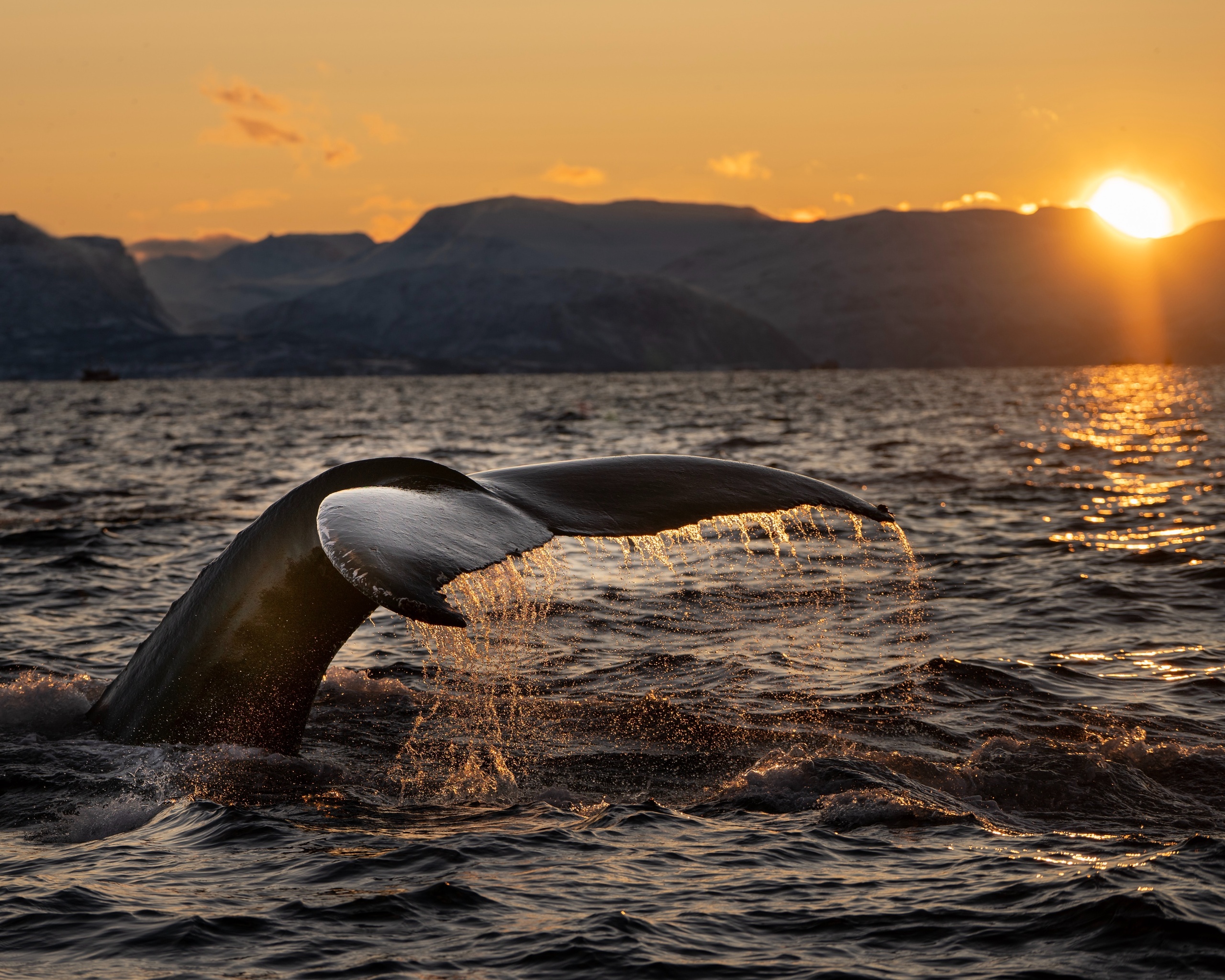
Let a local connect the landmarks.
Use a guided city, walking, or sightseeing tour to turn LA’s sprawl into a coherent story.
Explore boat tour →Ride the coast and the city.
Beach paths, river corridors, e-bikes, and ridge climbs reveal a more connected Los Angeles.
Explore snorkel →Choose your way into Hawaii
The top 15 Hawaii Kai adventures.
Ranked by the number of currently listed trips. Each panel opens the complete local activity collection.
1Water Activities
Sheltered by Koko Head and framed by the long, shallow sweep of Maunalua Bay, Hawaii Kai is a microcosm of Hawaiʻi’s ocean culture: coral gardens metres from launch points, calm lagoons for first-time stand-up paddlers, and a marina that puts charter captains within minutes of deep-water game fishing. This guide focuses on the water—snorkeling, SUP, kayaking, small-boat outings, spearfishing and shore-based experiences—pairing immersive descriptions with practical advice for timing, safety, and local etiquette.
Explore water activities →2Boat Tour
Hawaii Kai’s sheltered Maunalua Bay is a launchpad for boat tours that trade bustle for blue horizons: calm waters, coral gardens close to shore, and a chance at sighting humpback whales in winter. From sunrise snorkeling runs and glass-bottom cruises to private sunset sails and nearshore fishing charters, boat-based experiences here are as much about the Pacific’s intimate moments—spinning dolphins, gliding honu, phantom reefs beneath transparent water—as they are about the ride itself. Operators range from small family-run skiffs to comfortable catamarans, and trips can be tailored for snorkelers, anglers, wildlife watchers, or travelers looking for a quiet sea-route away from the busy Waikīkī corridor.
Explore boat tour →Snorkel
Hawaii Kai's shoreline is a concise syllabus in coastal snorkeling: short shore entries into clear reef gardens, lava-formed coves that shelter juvenile fish, and channels where sea turtles glide near the surface. This guide focuses on snorkeling in and around Hawaii Kai—how to read conditions, where to find calm water and abundant life, and how to plan a day that balances safety, stewardship, and the best possible viewing.
Explore snorkel → 4
4Sightseeing Tour
Hawaii Kai is a compact coastal neighborhood on Oʻahu’s southeastern flank where the Pacific plays a starring role. Sightseeing tours here fold the island’s marine life, volcanic shorelines, and local history into short, approachable experiences—ideal for travelers who want an immediate sense of place without a long drive. From gentle harbor cruises that peer into coral gardens to guided coastal drives with cultural stops and short hikes to dramatic lookouts, the sightseeing tour category in Hawaii Kai blends waterborne and land-based discovery. Expect close-up views of Koko Crater’s cliffs, the protected reef systems of Maunalua Bay, and occasional surf-line spectacles at Makapuu. Operators range from small family-run outfitters to established coastal cruisers; many combine interpretive natural history with easy snorkeling or photo stops, while others focus strictly on scenic transit, shore stories, and sunrise or sunset light. With 239 matching experiences, the neighborhood is a hub for half-day outings, accessible boat tours, and curated cultural walks that deliver panoramic payoff without deep technical demands.
Explore sightseeing tour → 5
5Surf
Hawaii Kai’s southeastern edge favors raw, immediate surf: explosive shorebreaks, reef-sculpted peaks, and sheltered coves that offer everything from adrenaline-charged bodysurfing to mellow longboard mornings. Close to Honolulu yet distinctly coastal, the area stitches together powerful beach breaks and protected bays—making it a compelling base for surf-focused travelers who want proximity to both challenging waves and complementary ocean adventures.
Explore surf →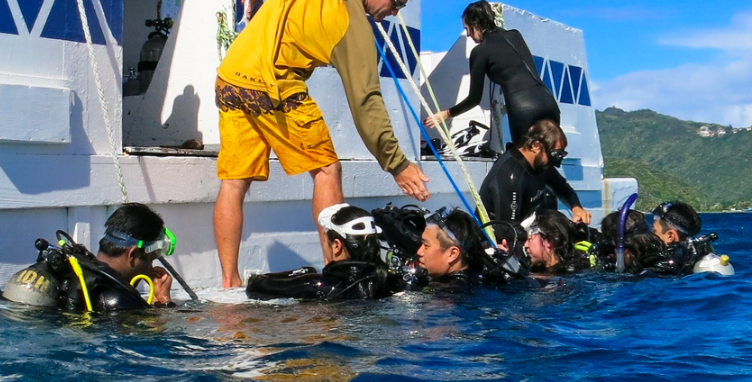 6
6Scuba
Hawaii Kai, on the southeastern edge of Oahu, is a compact, reef-rich gateway to warm Pacific waters where clarity, coral gardens, and a lively cast of fish make for accessible and rewarding scuba. From calm bay shore dives among protected reef flats to deeper boat trips along lava slopes and pinnacles, the area offers experiences suited to new certs and seasoned divers alike. Expect comfortable water temps, typically steady conditions under trade winds, and excellent opportunities to pair dives with snorkeling, standup paddleboarding, coastal hikes, and cultural exploration in nearby Honolulu.
Explore scuba → 7
7Sailing
Hawaii Kai sits at the sheltered eastern lip of Oʻahu’s Maunalua Bay—a pocket of luminous water, steady tradewinds, and dramatic volcanic skyline. For sailors, it’s a gateway: short hops to calm snorkeling coves, sunset runs beneath Koko Head, and longer days chasing windward swells or exploring adjacent reefs and islands. Expect warm water, reef-strewn anchorages, and a local maritime culture that blends laid-back weekend charters with serious coastal cruising. This guide focuses on sailing here—how to choose a craft, where to go, seasonal wind and swell patterns, and practical planning so your day on the water is as safe as it is scenic.
Explore sailing → 8
8Bus Tour
Hawaii Kai's sunlit shoreline, volcanic ridgelines, and sheltered bays make it a natural launching point for bus-based sightseeing: short narrated shuttles, coastal loop tours, and combined snorkel-and-sightseeing excursions. This guide focuses on bus tours that deliver panoramic ocean views, cultural context, and easy access to hiking trailheads and marine highlights without the hassle of driving or parking.
Explore bus tour →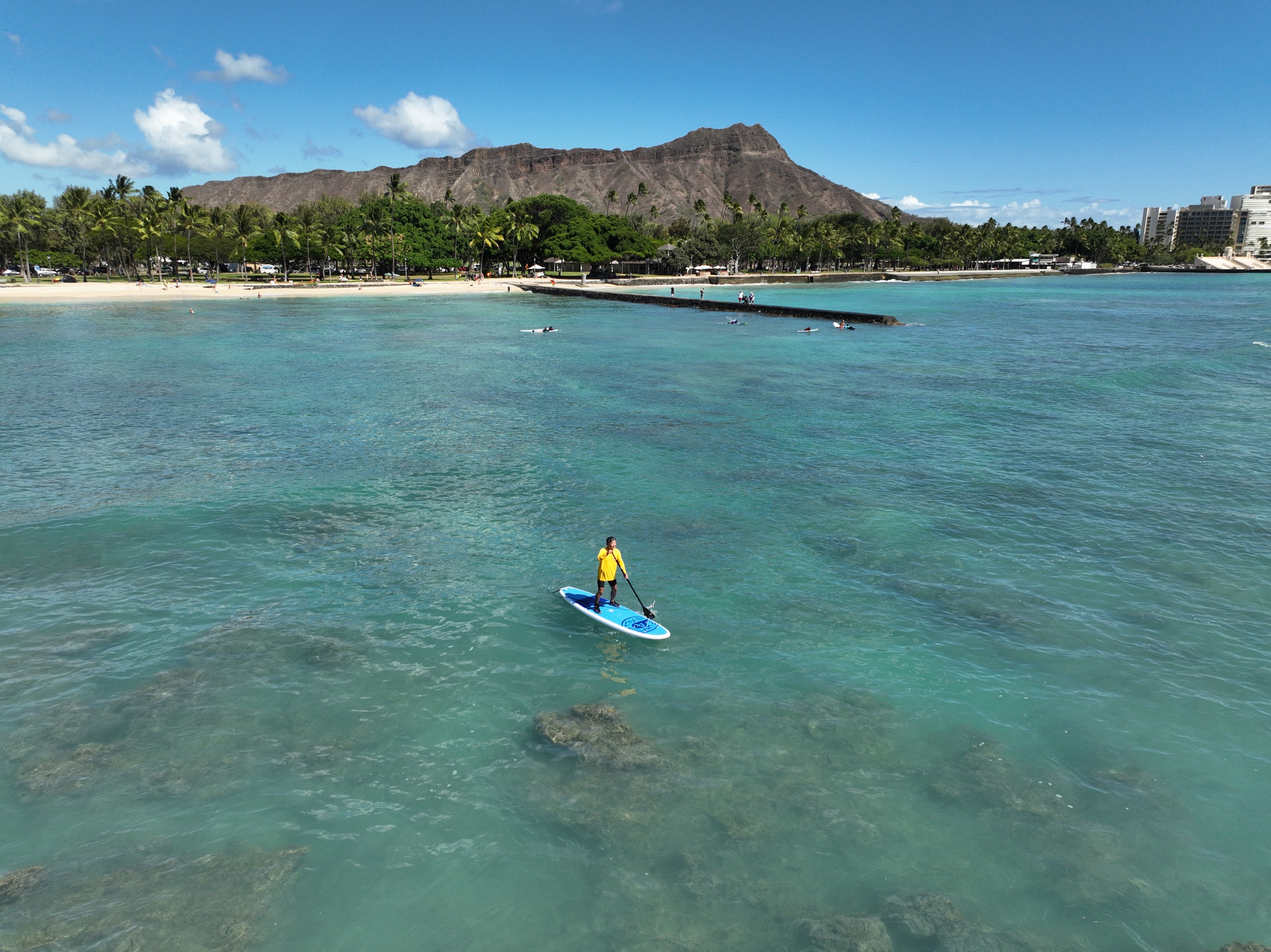 9
9SUP
Hawaii Kai is Oʻahu’s sunny, sheltered gateway to long glassy bays, reef-lined paddling, and close-to-shore ocean runs. Paddlers find something for every skill level here—calm flatwater cruises inside Maunalua Bay, reef-edge snorkeling paddles, and seasonal open-ocean challenges along the Makapuʻu coast. This guide focuses on stand-up paddleboarding (SUP) and folds in complementary adventures—snorkeling, coastal hikes, and guided ocean safety tours—that amplify the experience while keeping safety and local stewardship front and center.
Explore sup →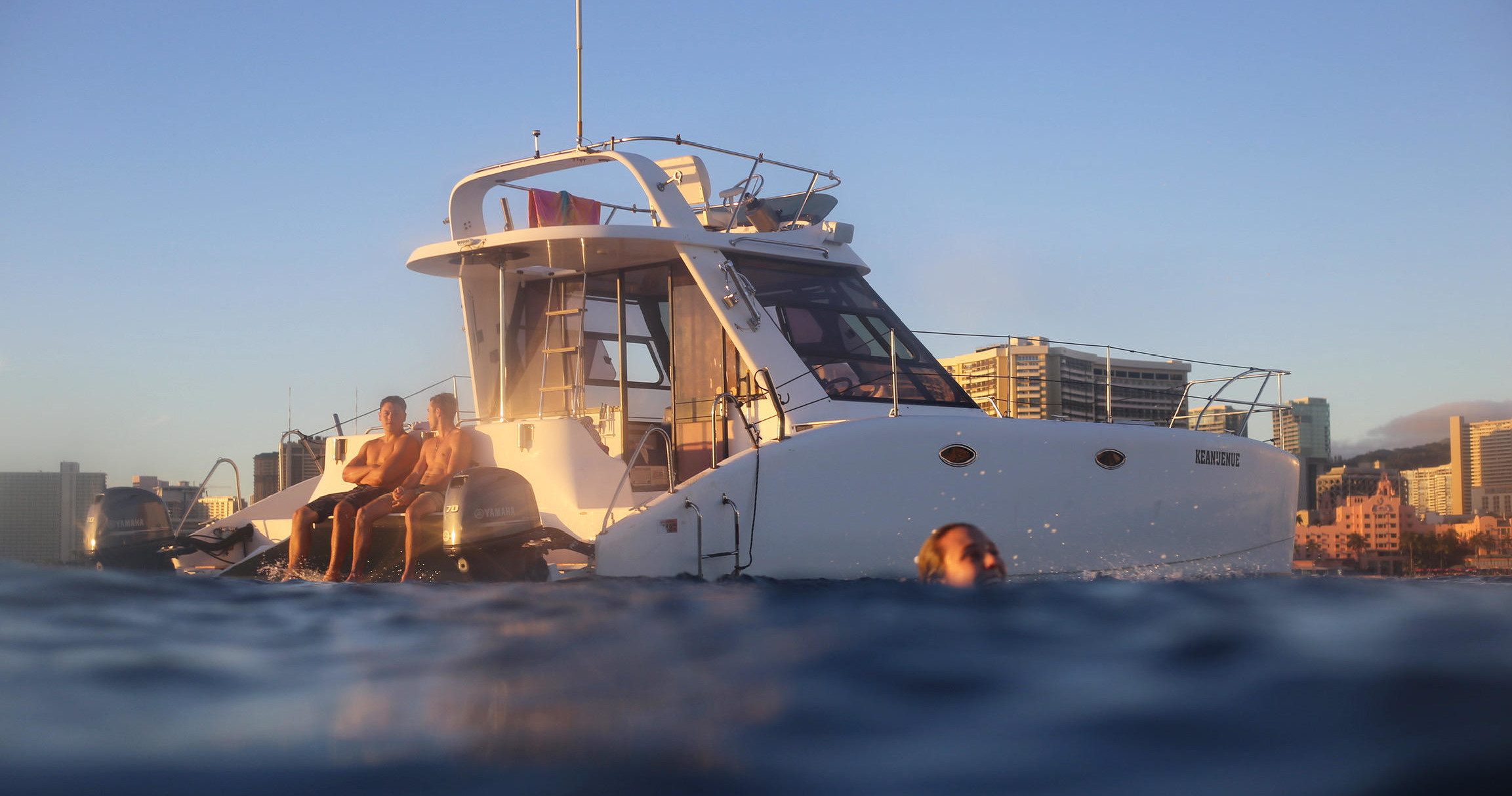 10
10Whale Watch
Sheltered by the eastern flank of Oʻahu and facing the deep channels of the Pacific, Hawaii Kai is a launch point for some of the most intimate humpback-watching on the island. From sunrise cruises out of Koko Marina to shore-based vantage points along Kalanianaʻole Highway, the area offers accessible encounters with the winter visitors that return to Hawaiian waters each year.
Explore whale watch →City Tour
Hawaii Kai compresses big-island allure into a compact coastal neighborhood: shimmering bays, roadside stands, lava-rock outcrops, and a living cultural tapestry that unfolds at a neighborhood pace. City tours here trade high-rise skylines for seaside villages, blending short hikes and shoreline stops with food, history, and marine viewpoints. Whether you prefer guided walking routes, bike-and-boat combinations, or self-led culinary rambles, the best tours highlight how urban and natural edges interlock in Maunalua Bay’s micro-region.
Explore city tour → 12
12Photography Tour
Hawaii Kai packs the drama of Oʻahu’s eastern rim into a compact, photogenic stretch of coast: volcanic tuff cones, reef-framed bays, and a working marina that contrasts island serenity with quotidian life. Photography tours here range from seaside golden-hour sessions to boat-based reef and wildlife shoots, and urban harbor portraits. This guide profiles the terrain, light, logistics, and practical tips you need to plan a memorable shoot in one of Oʻahu’s most light-rich corners.
Explore photography tour → 13
13Dolphin
Hawaii Kai’s sheltered Maunalua Bay and the lee of Koko Head are one of Oahu’s most reliable places to see spinner and bottlenose dolphins at play. Whether you’re on a guided boat, paddling a kayak, or slipping into the water with a snorkel, dolphin experiences here are intimate, marine—always best approached with patience, good timing, and a strong ethic of respect for wildlife.
Explore dolphin → 14
14Eco Tour
From glassy dawn paddles through mangrove-edged inlets to guided reef walks that translate coral cryptic language into an easily savored story, Hawaii Kai offers eco tours that read like a primer in living islands. These outings foreground coastal marine ecosystems, native and introduced species dynamics, and community-led restoration efforts. Expect short, interpretive trips ideal for families and immersive multi-hour experiences for people hungry to learn about reef resilience, shoreline bird life, and culturally grounded stewardship practices.
Explore eco tour → 15
15Boat Rental
Hawaii Kai is Oʻahu’s quietly efficient gateway to warm Pacific rollers, protected snorkel coves, and sapphire-water cruising. From slip-side motorboats you can drive yourself to guided charter yachts, the marina at Koko Marina launches everything from small skiffs to comfortable cabin cruisers. This guide focuses on renting a boat here — how to choose the right craft, where to go from the marina, seasonal considerations for winds and swell, and how to pair a rental with snorkeling, fishing, and coastline exploration.
Explore boat rental →The city and the sea
Why Hawaii Kai Belongs on Your Coastal Adventure List
Variety without surrendering the day to long transfers.
Hawaii Kai sits at the gentle intersection of urban convenience and immediate ocean access. On any clear morning the first light rakes the basalt ridges above the marina while stand-up paddlers and snorkelers slip into Maunalua Bay’s sheltered water. The reef lies shallow and richly colored—home to surgeonfish, parrotfish, and the occasional sea turtle—and it’s a calling card for people who want authentic proximity to marine life without an all-day commitment. Boat tours and boat rental options make the nearshore islands and offshore pinnacles an easy half-day outing; for those who want to go deeper, scuba charters run frequent trips to reefs that ring the island. This is a place you can pin a single theme to—water activities—but it quickly unfolds into many. Surf sessions at nearby breaks can bookend an afternoon of whale-watch cruising in winter or a dolphin encounter in calm seas. Photography tours and sightseeing tours find composition in the rugged coastline and glossy yacht silhouettes at sunset. Eco tours and community initiatives add context: local groups work on reef restoration and invasive-species outreach, so any visit you make can be layered with stewardship as well as sightseeing. Practical infrastructure matters, too: Hawaii Kai’s proximity to Honolulu means guided trips, gear rentals, and quick supply runs are rarely far away, making it a sane basecamp for families, photographers, and committed adventurers alike. While the water defines the place, the land routes offer a counterpoint. Makapuʻu Point’s short hike rewards you with sweeping sea vistas and seasonal whale sightings; Koko Head’s railway stairs are a commitment, but they deliver a summit panorama that frames the whole bay. Even simple city tours and bus tours can turn into lessons in geology and culture: the modern marina is set against a long human story of fishponds, reef stewardship, and how people work with, and protect, delicate nearshore ecosystems. That balance—high-adrenaline water days and reflective shore-based afternoons—makes Hawaii Kai a compact, actionable coastal destination for travelers who want to maximize time on and in the ocean without sacrificing convenience.
Access is a practical advantage: short drives to launch points and a range of boat rental and guided-boat options let you tailor a morning snorkel into a full-day sailing or scuba trip. Outfitters handle logistics for everything from SUP and snorkel gear to certified scuba charters.
The seasonality is forgiving—warm water year-round—yet timing matters. Winter months bring whale watch opportunities and larger surf at exposed breaks; summer offers the calm seas best for SUP, beginner snorkel sessions, and gentle sailing.
Conditions shape the day
The best time to visit Hawaii Kai.
Hawaii Kai enjoys warm, stable conditions most of the year. Trade winds can freshen in summer and create choppier conditions offshore. Winter increases swell at exposed surf breaks and brings the best whale-watching season.
Best all-around window
Spring + fall
Comfortable mixed-itinerary weather, thinner crowds at beaches and lookouts, and more room to improvise.
Beach season
Winter holiday weeks and spring break see higher local visitation—book boat tours and rentals early.
Surf + whales
Late spring and early fall offer fewer crowds and excellent snorkeling; weekday mornings are quietest for SUP and photography tours.
Coast to inland
Cool marine mornings often give way to warmer inland afternoons and breezy evenings.
Beginner
Short, supervised outings that minimize exposure to open ocean: sheltered SUP, guided snorkel visits to coral gardens, and short sightseeing or city tours.
- Calm SUP in Maunalua Bay
- Guided snorkel over nearshore reef gardens
- Half-day photography tour of coastline and Hālona Blowhole
Intermediate
Longer water days and light navigation: self-guided boat rentals in sheltered conditions, surf sessions at local breaks, or multi-sport days that combine sailing and snorkeling.
- Boat tour to offshore reef pinnacles with snorkeling
- Stand-up paddleboard crossing to a nearby point on a calm day
- Guided eco tour focusing on reef health and local conservation
Advanced
Technical or commitment-heavy outings requiring skill and planning: ocean-crossing sails, deeper scuba dives on reef walls, and surfing at exposed breaks in larger swell.
- Certified scuba charter to deeper reef structures
- Full-day sailing or private boat rental navigating open channels
- Surfing exposed points at higher swell, paired with tide and current knowledge
Field kit
What to bring.
Pack for sun, salt water, walking, and a meaningful temperature swing between coast and inland Hawaii.
Essential
Start here
- Reef-safe sunscreen and hat
- Light technical layers and a quick-dry shirt
- Water shoes or reef-safe fins for snorkel entries
- Waterproof phone case or dry bag
- Reusable water bottle and salty-snack stash
Water days
Keep it dry
- Compact travel snorkel set (mask, snorkel, travel fins)
- Daypack with hydration and light wind layer
- Lightweight beach towel and change of clothes
- Small first-aid kit and blister-care items
Long days
Stay flexible
- Underwater camera or action cam with float leash
- Binoculars for whale and bird watching
- Long-sleeve rashguard for extended sun protection
- Compact field guide for reef fish and seabirds
Insider note
Start early, then keep the geography tight.
Arrive early to secure street parking and morning light for photography tours. For snorkeling, pick mid-tide and calm-wind windows—early mornings often offer the clearest water. If you rent a boat, confirm fuel and safety kit inclusions and ask about protected zones to avoid damaging coral. Join a local eco tour to learn how you can support reef restoration efforts while visiting. Finally, pack for shade and sun protection—even brief shore breaks can burn quickly in Hawaiian sun.
Good to know
Frequently asked questions.
Can I do most activities without a guide?
Yes for basic SUP, shore snorkel, and beach surf sessions in sheltered spots, but guides are strongly recommended for scuba, open-ocean snorkeling, whale watches, and any boat trips to offshore pinnacles.
Is snorkeling around Hawaii Kai safe for beginners?
Many nearshore reefs are shallow and accessible for novices, but currents and surge can be hazardous at certain points. Choose sheltered bays (like Maunalua Bay), avoid reef-touching, and consider a guided snorkel if you’re inexperienced.
Are boat rentals available by the hour?
Yes—boat rental options ranging from small skiffs to guided sailing charters are common out of the marina. Expect seasonal pricing and required safety briefings.
Ready when you are
Find the trip that fits your Hawaii Kai day.
Compare bookable experiences across the coast, city, and mountains—then save the ones that belong in your plan.
Explore all Hawaii Kai adventures ↗