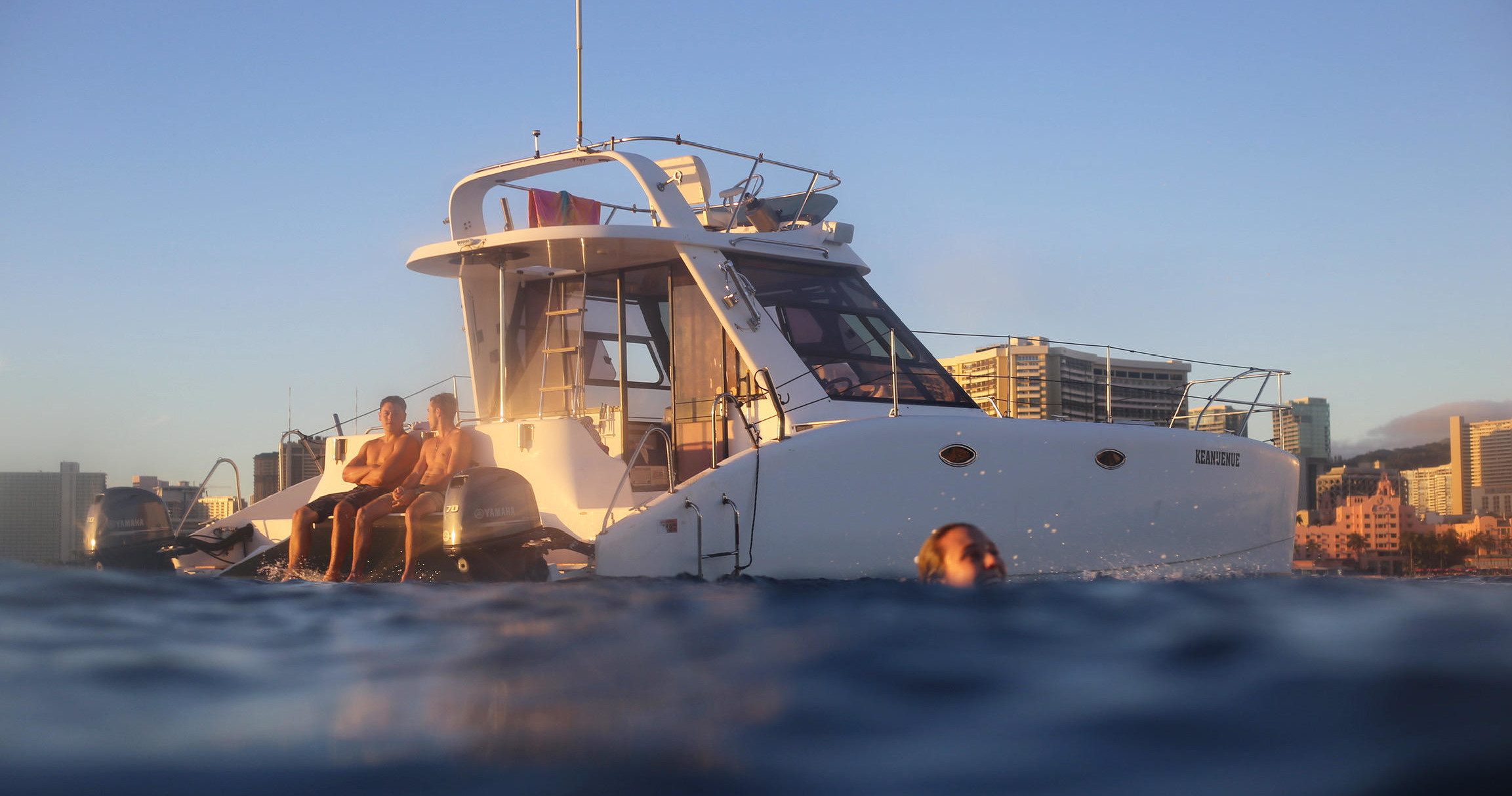
Whale Watch Adventures in Hawaii Kai, Hawaii
Sheltered by the eastern flank of Oʻahu and facing the deep channels of the Pacific, Hawaii Kai is a launch point for some of the most intimate humpback-watching on the island. From sunrise cruises out of Koko Marina to shore-based vantage points along Kalanianaʻole Highway, the area offers accessible encounters with the winter visitors that return to Hawaiian waters each year.
Top Whale Watch Trips in Hawaii Kai
77 trips • Book with confidence • Instant confirmation
Why Hawaii Kai Is a Standout Whale-Watching Base
A morning out of Hawaii Kai feels like stepping into a different scale of time: the reef-framed harbor gives way to open swell, and the horizon becomes a stage for the largest animals on the planet. Each winter, North Pacific humpbacks migrate into Hawaiian waters to breed, calve, and nurse in relatively warm, predator-sparse seas. Hawaii Kai sits on the leeward edge of a corridor where deep water runs close to shore—the Kaiwi Channel—so whale behavior often unfolds within minutes of the harbor, offering boaters and shore-watchers alike a concentrated chance to see spouts, rolling bodies, and, on the most generous days, full breaches.
Beyond the spectacle, the place feels layered with meaning. Native Hawaiian relationships with the ocean frame these visits not as a tourist event but as a seasonal return—'kohola' (humpback) holds cultural resonance in chants, stories, and contemporary stewardship work. The marine sanctuary network and local volunteer groups guide responsible viewing practices, and many operators in Hawaii Kai emphasize education: identifying tail flukes, explaining song, and describing mother-calf behavior. Those context-rich outings transform a simple sighting into a deeper appreciation of life-history, oceanography, and conservation challenges that humpbacks face across the Pacific.
The practical advantages of Hawaii Kai are straightforward. Launch points like Koko Marina minimize transit time to whale zones compared with western Oʻahu harbors, increasing the odds of multiple behavioral sightings within a single trip. Shorelines near Makapuʻu and Halona Blowhole offer accessible alternatives when sea states keep boats in port. And because Hawaii Kai sits next to a cluster of complementary experiences—snorkeling in Hanauma Bay, the Koko Head Crater Trail, and coastal kayak routes—an encounter with whales can be paired with a full-day coastal itinerary. That combination makes Hawaii Kai ideal for travelers who want both a marine wildlife highlight and a broader outdoor day: morning whale watch, afternoon snorkel, and an evening ridge overlook to watch the light fall across the islands.
Still, conditions matter. The Kaiwi Channel can be fickle and, on offshore wind days, fast-moving. Choosing the right operator, timing departures for calmer morning seas, and packing for both sun and spray are the small details that turn a good whale watch into an exceptional one. Above all, the best experiences here balance wonder with restraint—keeping respectful distances, supporting companies that follow federal and local regulations, and treating these visits as a chance to witness, learn, and protect.
The Kaiwi Channel’s proximity to deep water concentrates humpback activity close to shore, shortening transit times for Hawaii Kai departures.
Operators emphasize naturalist-led trips and education; pairing whale watch with Hanauma Bay snorkeling or a Koko Head hike makes for a full coastal day.
Responsible viewing and NOAA/Marine Sanctuary guidelines are central—expect operators to brief passengers on distance, noise, and interaction rules.
Best Time to Visit
Best Months
Weather Notes
Winter months bring the humpback migration and generally calmer early-morning seas; trade-wind patterns can pick up in afternoons. Summer is warmer and clearer but sees fewer humpbacks and more local recreational traffic.
Peak Season
January–March (highest concentration of mother-calf pairs and dramatic surface behaviors)
Off-Season Opportunities
Late spring and summer offer quieter harbors and better snorkeling in Hanauma Bay. Off-season is ideal for combined marine and reef-focused trips rather than dedicated whale watches.
Frequently Asked Questions
When is the right time of day to go whale watching from Hawaii Kai?
Early mornings typically offer the calmest seas and better visibility; operators often schedule first departures to maximize time on the water and return before afternoon winds rise.
Can I watch whales from shore in Hawaii Kai?
Yes—Makapuʻu Lookout and stretches along Kalanianaʻole Highway can yield sightings on active days, though binoculars help and shore viewing lacks the up-close perspective of a boat.
Are boats required to follow specific whale-watch rules?
Yes. Federal and local guidelines set approach distances and behavior to avoid disturbing whales. Reputable operators follow these rules and brief passengers before departure.
Choose Your Experience Level
Beginner
Low-commitment options suitable for families and casual travelers: short sheltered cruises and shore-based viewing points with minimal sea time.
- 1–3 hour harbor and nearshore whale-watch cruise from Koko Marina
- Shore-based spotting at Makapuʻu Lookout or Halona Blowhole
- Half-day combo: morning whale watch plus Hanauma Bay snorkeling (seasonal)
Intermediate
Longer boat excursions or trips on larger vessels with naturalist guides, offering extended time in primary whale zones and educational interpretation.
- 4–5 hour open-water whale behavior-focused cruise
- Naturalist-led trips emphasizing ID and bioacoustics
- Small-group zodiac or RIB trips for closer but regulated viewing
Advanced
Specialized outings for experienced mariners and marine enthusiasts—pelagic or multi-day research cooperations that require comfort with open-ocean conditions.
- Long-range pelagic surveys coordinating with research teams (by arrangement)
- Volunteer or citizen-science programs tied to sanctuary monitoring
- Private charter trips tailored to photography or biological study
Insider Tips & Local Knowledge
Book early during peak months, prioritize morning departures, and choose licensed operators who brief passengers on responsible viewing.
If you want higher odds of seeing active behavior (breaches, tail slaps), target trips from January through March and choose providers that keep transit time short. Mornings are usually the calmest; if you’re prone to seasickness, sit in the middle of the boat and take preventative meds beforehand. For shore-based watching, bring binoculars and a scope if possible—look for spouts and rolling backs first, then flukes. Respect marine-mammal distance rules and avoid cheering or loud noises that can disturb calves. Pair a whale-watch with a visit to Hanauma Bay, the Koko Head Trail, or a sunset cruise to make the most of the coastal day. Finally, support businesses that contribute to local conservation or sanctuary education—many operators donate time or resources to monitoring and outreach programs.
What to Bring
Essential
- Light waterproof jacket or windbreaker (spray and ocean breeze)
- Binoculars for distant behavior and tail/fluke ID
- Sun protection: hat, sunglasses (polarized preferred), reef-safe sunscreen
- Motion-sickness medicine if you’re prone (take before boarding)
- Reusable water bottle and small snacks
Recommended
- Telephoto-capable camera or long lens for fluke and breach shots
- Light layers—mornings can be cool on-deck, afternoons warm
- Small dry bag for phone and essentials
- Copy of operator contact and reservation confirmation
Optional
- Field guide or app for marine mammal ID
- Notebook for recording sightings and fluke patterns
- Small pair of waterproof binoculars for kids
Ready for Your Whale Watch Adventure?
Browse 77 verified trips in Hawaii Kai with instant booking
Explore Top 15 Hawaii Kai, Hawaii Adventures →