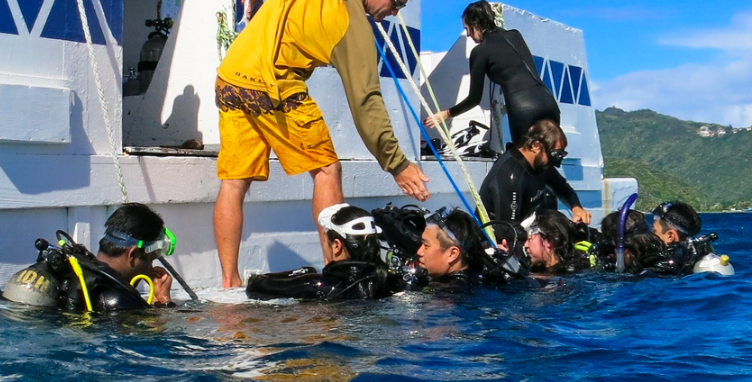
Scuba Adventures in Hawaii Kai, Hawaii
Hawaii Kai, on the southeastern edge of Oahu, is a compact, reef-rich gateway to warm Pacific waters where clarity, coral gardens, and a lively cast of fish make for accessible and rewarding scuba. From calm bay shore dives among protected reef flats to deeper boat trips along lava slopes and pinnacles, the area offers experiences suited to new certs and seasoned divers alike. Expect comfortable water temps, typically steady conditions under trade winds, and excellent opportunities to pair dives with snorkeling, standup paddleboarding, coastal hikes, and cultural exploration in nearby Honolulu.
Top Scuba Trips in Hawaii Kai
141 trips • Book with confidence • Instant confirmation
Why Hawaii Kai Is a Standout Scuba Destination
Hawaii Kai's coastline is a study in approachable ocean access. Maunalua Bay, hemmed by the broad arc of Koko Head and the shelter of offshore reefs, creates conditions that often favour gentle entries, predictable surge, and long sightlines through clear water. For a diver stepping from pool training into the Pacific, those conditions matter: shallow reef gardens give new certificants a chance to practice buoyancy over coral, orient themselves with a compass and current, and meet the region's signature residents—surgeonfish, butterflyfish, and the occasional moray—without the anxiety of strong surf or complicated logistics.
But approachable does not mean small. Move beyond the bay and the seafloor topology changes. Old lava flows, eroded pinnacles, and reef drop-offs host schools of jacks, graceful eagle rays, and sometimes larger pelagics as the season allows. Boat operators based in Hawaii Kai run short charters to dramatic underwater features where depth, structure, and cooler upwellings attract diverse life. Night dives are an understated specialty here—blackwater opportunities are a short run away, and shallow reef night-navigations reveal slumbering reef fish, hunting octopus, and the ghostly fluorescence of corals.
Culturally and practically, Hawaii Kai sits close to Honolulu's amenities without losing a neighborhood feel. That proximity is a practical advantage for international and mainland travelers: gear shops, quick shore access, and dive centers that offer a range of services from guided reefs for beginners to multi-tank trips for experienced divers. The area also underscores conservation-minded diving: many operators prioritize reef-safe practices, reef restoration projects are visible in community programs, and visitors are encouraged to carry reef-safe sunscreen and a respectful approach to marine life.
Seasonality is forgiving—diving is viable across the year—yet the experience changes. Summer months often bring calmer seas and excellent visibility, while winter swells can funnel bigger animals closer to shore but also bring stronger surface conditions. Weather patterns, local currents, and lunar cycles shape the best days to dive, so planning with a local shop or guide pays dividends. Beyond diving, Hawaii Kai invites a layered trip: pair a morning dive with an afternoon coastal hike on Koko Head Battery Trail, an evening at a beachfront café, or a half-day paddle to the protected reef for snorkeling and turtle watching. For travelers who want their ocean time diverse, Hawaii Kai compresses access to reef gardens, drop-offs, night dives, and cultural touchpoints into a single, easy-to-navigate corner of Oahu.
Dives range from sheltered shore entries for beginners to short boat runs to pinnacles and lava outcrops favored by more advanced divers.
Local operators emphasize small-group guided dives and conservation best-practices—book a guide for unfamiliar sites and to maximize safety and sightings.
Best Time to Visit
Best Months
Weather Notes
Trade-wind seasons generally produce steady surface conditions and good visibility. Winter months can bring larger swell and cooler water pockets; plan dives with a local operator when swell is present. Expect warm air temps year-round and occasional brief showers.
Peak Season
December–March and summer holiday periods see increased visitor traffic and higher demand for guided trips.
Off-Season Opportunities
Shoulder months (spring and fall) often offer the best balance of calmer seas, fewer crowds, and competitive pricing on charters.
Frequently Asked Questions
Do I need certification to scuba dive in Hawaii Kai?
Yes. Open Water certification is required for most guided dives; many operators offer discover-scuba or introductory dives for uncertified beginners under direct supervision, but certification is required for independent diving.
Are shore entries or boat dives better here?
Both have merits. Shore dives in Maunalua Bay and near Makai Pier are accessible and great for beginners. Boat dives provide access to deeper pinnacles and less-visited reefs—book a boat if you want bigger structure or pelagic sightings.
Are there seasonal hazards I should know about?
Winter swell and occasional strong surge can make shore entries challenging. Sun and UV reflection can be intense—use reef-safe sunscreen and hydration. Always check local briefings and dive with a guide if unfamiliar with the site.
Choose Your Experience Level
Beginner
Calm, shallow reef gardens with easy shore entries and gentle slopes—ideal for new certificants and refresher dives.
- Guided reef dive in Maunalua Bay
- Discover Scuba experience off Hawaii Kai Harbor
- Night shore dive near protected reef flats
Intermediate
Longer dives on sloping reef, moderate currents, and short boat rides to pinnacles that require good buoyancy and comfort with deeper profiles.
- Boat trip to nearby lava outcrops and pinnacles
- Multi-site half-day charters with drift segments
- Night dives with advanced buoyancy and light use
Advanced
Deeper work on pinnacles, blackwater and pelagic-focused outings, and dives that require experience with current, navigation, and extended bottom times.
- Advanced boat dives to offshore pinnacles
- Blackwater or deep pelagic sighting trips
- Navigational and drift dive routes along lava walls
Insider Tips & Local Knowledge
Book early for weekend and holiday slots, dive with a local guide for unfamiliar sites, and prioritize reef-friendly practices to protect fragile coral.
Arrange pickup or parking details ahead—Hawaii Kai can fill quickly on weekends. Talk to local dive shops about current conditions; microclimates and moon phase can change visibility and animal behavior. If you're new to the area, opt for a guided first dive to learn exit points, anchor locations, and subtle current lines. Respect wildlife—do not chase turtles or harass fish; use hands-free cameras where possible. Finally, combine a morning dive with an afternoon coastal hike or a paddle session to see the area from both below and above the water; it’s the easiest way to round out a day in Hawaii Kai.
What to Bring
Essential
- Dive certification card and photo ID
- Mask, snorkel, fins (or rent locally)
- Wetsuit or rashguard (1–3 mm usually sufficient)
- Dive computer or timing device and depth gauge
- Reef-safe sunscreen and sun protection
Recommended
- Surface marker buoy (SMB) and whistle
- Small repair kit and personal regulator mouthpiece
- Waterproof slate or dive light for night dives
- Light-weight logbook or digital logging app
Optional
- Underwater camera or action-cam with housing
- Boots for rocky launches (for shore entries)
- Umbrella or light windbreaker for boat rides
Ready for Your Scuba Adventure?
Browse 141 verified trips in Hawaii Kai with instant booking
Explore Top 15 Hawaii Kai, Hawaii Adventures →