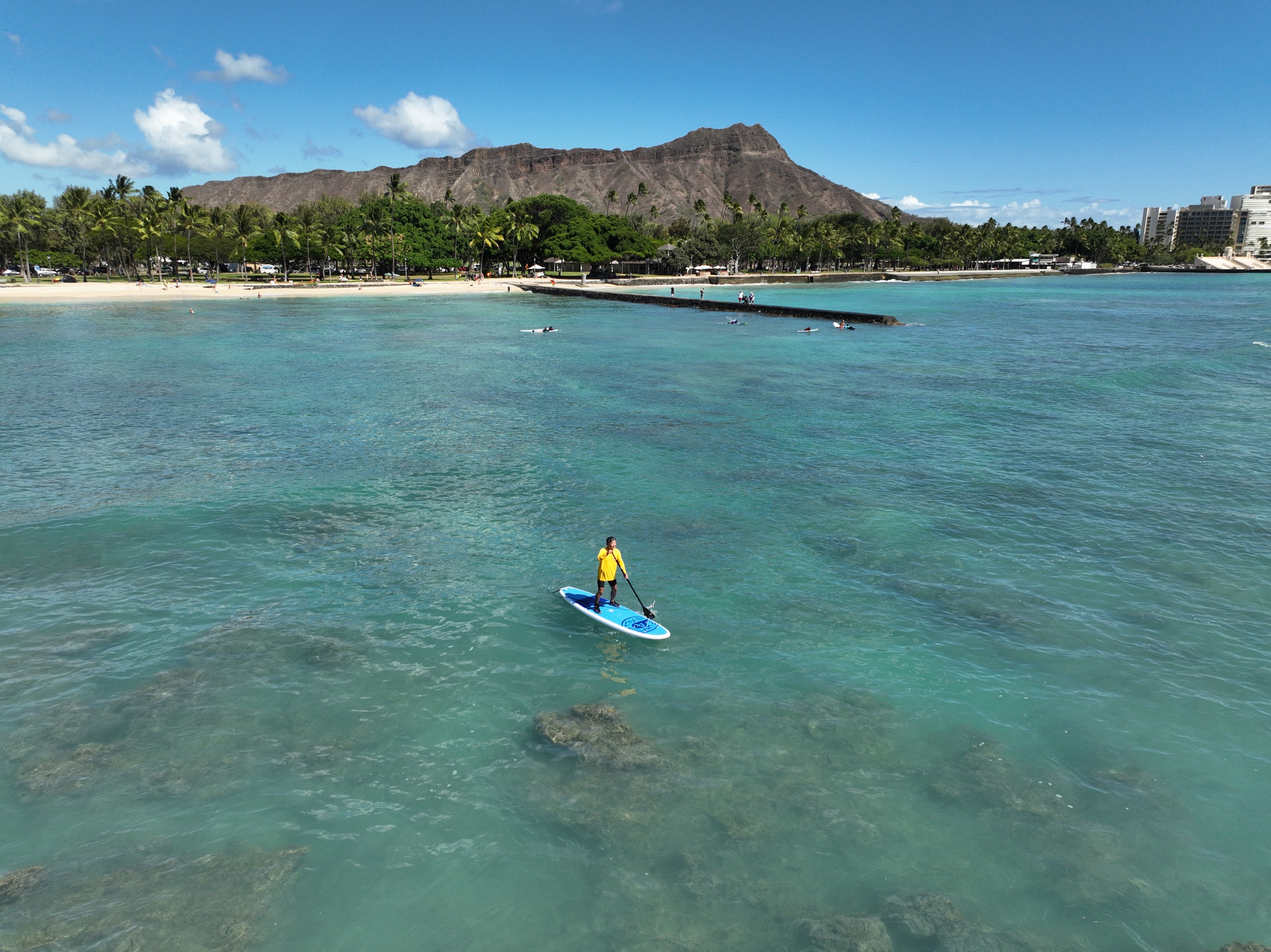
Top 15 Stand-Up Paddle (SUP) Adventures in Hawaii Kai, Hawaii

Hawaii Kai, Hawaii

Hawaii Kai is Oʻahu’s sunny, sheltered gateway to long glassy bays, reef-lined paddling, and close-to-shore ocean runs. Paddlers find something for every skill level here—calm flatwater cruises inside Maunalua Bay, reef-edge snorkeling paddles, and seasonal open-ocean challenges along the Makapuʻu coast. This guide focuses on stand-up paddleboarding (SUP) and folds in complementary adventures—snorkeling, coastal hikes, and guided ocean safety tours—that amplify the experience while keeping safety and local stewardship front and center.

81
Activities
Year-Round (best spring & fall)
Best Months

Top SUP Trips in Hawaii Kai

81 trips • Book with confidence • Instant confirmation

Why Hawaii Kai Is a Stand-Up Paddle Destination

Hawaii Kai sits on Oʻahu’s sunlit southeastern shelf, a rare combination of protective reefs, clear bays, and accessible coastlines that make it a natural hub for stand-up paddleboarding. From the sheltered arms of Maunalua Bay to the protected slips of Koko Marina, paddlers can choose routes that match confidence and appetite: calm flatwater lessons and sunrise mindfulness paddles for beginners; reef-edge snorkel runs and rolling ocean swells for intermediates; and, on the right days, long coastal crossings that interact with real open-ocean energy for experienced riders.

The geography matters. A fringing reef runs parallel to much of the shore here, softening swell and producing glassy water on the leeward side. That same reef creates pockets of vibrant marine habitat—turtle feeding grounds, schools of reef fish, and bright coral gardens—that reward slow, respectful exploration. Because the area is so accessible from town, SUP often blends easily with other short excursions: a morning paddle followed by snorkeling, a coastal walk around Kuliʻouʻou or Makapuʻu Lighthouse, or a sunset picnic at a nearby beach park.

But Hawaii Kai’s magic is tempered by practical realities: changing trade winds, seasonal swell patterns, and reef etiquette are part of the learning curve. Trade winds can whip up afternoon chop in summer months, while winter swells push energy around headlands and create surfable lines that attract experienced paddlers and surfers. Conditions shift with the tides; lower tides expose reef but also improve snorkeling visibility in some coves, while higher tides can make crossings and channel passages simpler. Local knowledge—knowing which launch to pick, what tide window to aim for, and where to skirt reef—makes the difference between a breezy half-day and an uncomfortable outing.

Cultural and environmental context is woven into the experience. Hawaii Kai sits on ʻāina (land) with deep Hawaiian connections; paddlers are encouraged to operate with aloha, respect no-landing zones, and use reef-safe sunscreen. Many local outfitters teach ocean-safety basics, including currents, self-rescue, and spotting signs of changing conditions. Together these elements—accessible bays, living reef, seasonal variability, and a culture of stewardship—create a SUP scene that’s both inviting and earnest: ideal for travelers who want a memorable, teachable day on the water without compromising safety or the fragile marine environment.

Protected bays like Maunalua are ideal for learners and mixed-ability groups, while the outer reef and Makapuʻu-facing coast offer more dynamic conditions for experienced paddlers.

Combine SUP with snorkeling or a scenic coastal hike to Makapuʻu Lighthouse for a full-day adventure that highlights both ocean and land.

Local rental shops and guided tours are plentiful in Hawaii Kai; opt for a guided paddle if you’re unfamiliar with reef passages, currents, or shark-safety protocols.

Activity focus: Stand-Up Paddleboarding (SUP) — flatwater, reef paddles, and coastal runs
Number of SUP-specific experiences: 81 listed adventures and tours
Primary terrain: sheltered bay water, reef edges, and nearshore open ocean
Common marine life: green sea turtles (honu), reef fish, occasional spinner dolphins offshore
Watch the trade winds—morning paddles are often calmer than afternoons

Best Time to Visit

Best Months

AprilMaySeptemberOctober

Weather Notes

Trade winds pick up in late spring through early fall, producing afternoon breeze and chop—great for wind-adjacent SUP skills but less ideal for learners. Winter months bring larger north and east swells that can energize exposed coastlines; mornings are typically the calmest daily window year-round. Expect temperatures to stay warm year-round, but always check marine forecasts for wind, swell, and small craft advisories.

Peak Season

Summer (June–August) and holiday weekends draw local paddlers and visitors; expect busier launch sites and parking.

Off-Season Opportunities

Shoulder months (spring and fall) offer quieter water, more predictable glassy conditions in the mornings, and excellent visibility for reef paddles.

Frequently Asked Questions

Do I need a permit to launch a SUP in Hawaii Kai?

Most public beach parks allow SUP launches without a permit, but private marinas and slips require permission. Check signage at your chosen launch and confirm any restrictions with local authorities or rental operators.

Are there rental shops and guided SUP tours in Hawaii Kai?

Yes. Several outfitters in Hawaii Kai offer hourly board rentals, lessons, and guided reef or coastal paddles—booking a guided tour is a good choice if you’re unfamiliar with reef channels, currents, or local etiquette.

Is SUP safe around the reef and marine life?

SUP is safe when you respect reef boundaries and wildlife. Keep distance from turtles and other animals, avoid standing on coral, use reef-safe sunscreen, and avoid launching at low tide where reef becomes exposed.

Can beginners try SUP here?

Yes. Sheltered areas like the inner Maunalua Bay and Koko Marina are excellent beginner zones—calm, warm water with short paddle distances and easy exits.

Choose Your Experience Level

Beginner

Flatwater paddles in protected bays, short guided lessons, and slow snorkel-SUP loops. Ideal for first-timers and families.

  • Maunalua Bay sunrise calm-water lesson
  • Koko Marina harbor paddle and beginner clinic
  • Short reef-edge paddle with guided snorkel stop

Intermediate

Longer reef-edge tours, paddles that skirt headlands, and sessions in light trade-wind conditions. Requires confident board control and basic self-rescue skills.

  • Reef-slope paddle from Hawaii Kai to a nearby snorkeling cove
  • Makapuʻu coastal run on a calm trade-wind day
  • Mixed SUP/snorkel day trip with tide-window navigation

Advanced

Open-ocean crossings, paddles in stronger winds or swell, and navigational routes that require current reading, weather forecasting, and reliable self-rescue experience.

  • Offshore run with occasional swell lines and channel crossings
  • Long coastal traverse to neighboring headlands on an agreed tide window
  • Seasonal surf-to-flat transitions requiring dynamic board skills

Insider Tips & Local Knowledge

Always check local conditions, respect reef etiquette, and consider a guided session if you’re new to Hawaii Kai waters.

Aim for early morning launches—the water is typically the calmest and parking is easier. Watch the tide table: higher tides can simplify passage over shallow reef, while lower tides expose coral and require careful route-finding. Talk to local rental shops about current conditions and recommended routes; their daily briefings and tide-aware plans are invaluable. Use reef-safe sunscreen and avoid stepping on coral—tiny actions protect the bay’s living systems. If you see turtles or monk seals, give them space and never chase; both are protected. For lunch or post-paddle refreshments, Koko Marina has several cafes and gear shops where you can rinse gear and rehydrate. Finally, always file a float plan with someone on shore and bring a whistle or signaling device—cell service can be spotty offshore and conditions change quickly.

What to Bring

Essential

  • USCG-approved personal flotation device (PFD) or alternative approved device
  • SUP leash appropriate for board and conditions
  • Reef-safe sunscreen and sun-protective clothing (rashguard, hat)
  • Waterproof phone case and ID
  • Hydration and small snacks

Recommended

  • Board suitable for conditions (inflatable for travel, hardboard for stability in wind)
  • Lightweight dry bag and spare dry layer
  • Water shoes for shallow reef launches and exits
  • Basic first-aid kit and reef-safe sting relief
  • Local tide and wind app or guidebook

Optional

  • Mask and snorkel for reef stops
  • Compact camera or action cam with floatation tether
  • Small hand pump or repair kit for inflatable boards
  • Binoculars for offshore wildlife spotting

Ready for Your SUP Adventure?

Browse 81 verified trips in Hawaii Kai with instant booking

Explore Top 15 Hawaii Kai, Hawaii Adventures →