
Haleiwa adventure guide
Find your way into Haleiwa.
A sun-baked surf town with a sleepy main street and ocean conditions that change by the hour, Haleiwa is the gateway to Oahu's famed North Shore. Mornings can be glassy and gentle for SUP and snorkeling; winter brings towering surf and world-class boat tours and whale-watch opportunities. This guide pairs the island’s water-forward rhythms—surf, scuba, snorkel, sailing, and boat rental—with practical tips for photographers, eco-tourists, and anyone chasing a day on the water or a slow afternoon of sightseeing and shave ice.
Three ways into the city
Pick a landscape. Build a day around it.
Haleiwa is less a single destination than a collection of neighboring worlds. Start with the version of the city that matches your pace, then use the ranked guide below to fill in the details.
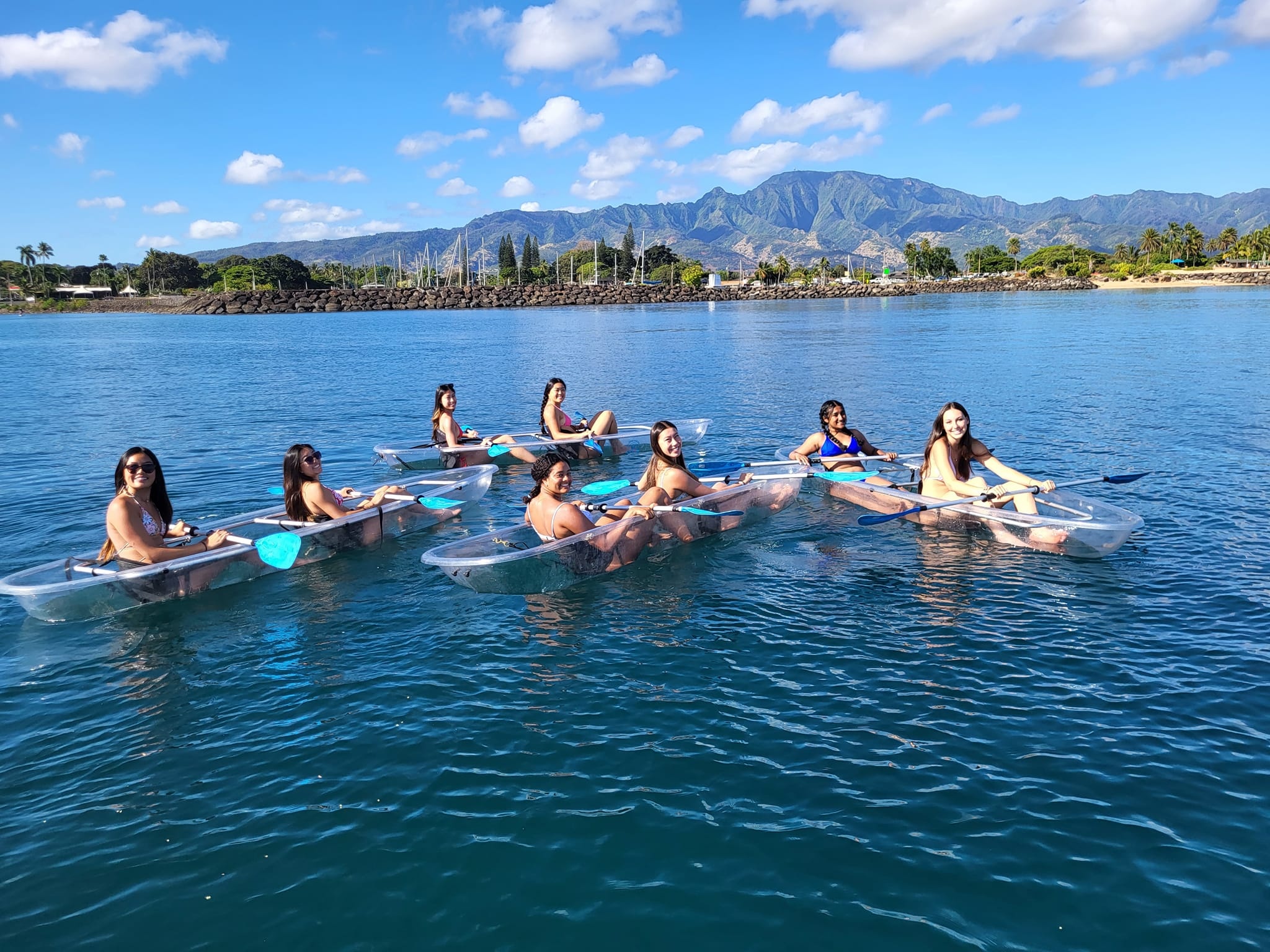
Begin where the city meets the sea.
Surf breaks, sheltered harbors, whale routes, and long beach paths make the coast LA’s most immediate outdoor playground.
Explore water activities →
Let a local connect the landmarks.
Use a guided city, walking, or sightseeing tour to turn LA’s sprawl into a coherent story.
Explore boat tour →
Ride the coast and the city.
Beach paths, river corridors, e-bikes, and ridge climbs reveal a more connected Los Angeles.
Explore snorkel →Choose your way into Haleiwa
The top 15 Haleiwa adventures.
Ranked by the number of currently listed trips. Each panel opens the complete local activity collection.
1Water Activities
Haleiwa is the heart of Oʻahu's North Shore, a place where big-wave legend and tranquil blue-calm mornings coexist within a short drive. This guide focuses on water-based adventures—from the town’s historic surf breaks and winter spectacle at Waimea, to summer snorkeling in protected coves, estuary paddle trips along the Anahulu, and chartered boat excursions for offshore fishing and whale watching. Expect a mix of high-adrenaline surf culture and approachable water experiences perfect for first-timers, families, and seasoned ocean-goers alike.
Explore water activities →2Boat Tour
Haleiwa’s boat tours compress the myths and realities of the North Shore into a single moving frame: limestone cliffs sliding past, reef gardens shimmering in shallow blue, and the distant choreography of surfers or whales riding winter swells. Whether you’re after surf-spot viewing, reef snorkeling from a glass-bottom boat, sunset sails, or seasonal whale-watching runs, Haleiwa’s harbor is the gateway to maritime experiences that balance adrenaline and aloha. This guide focuses on choosing the right boat tour for your appetite—family-friendly cruises, active snorkelers, small-group eco trips, and high-speed coastal jaunts—while outlining the practicalities that make a trip smooth, safe, and unforgettable.
Explore boat tour →3Snorkel
Haleiwa's North Shore is a study in contrasts: winter brings towering surf for surfers while spring through fall opens the reef-fringed coves and lava-sculpted tide pools that make for world-class snorkeling. This guide focuses on snorkeling specifics—where calm water collects, how conditions shift with swell and tide, what marine life you're likely to see, and how to plan a safe, responsible half-day or full-day exploring the nearshore reefs around Haleiwa.
Explore snorkel → 4
4Sightseeing Tour
Haleiwa is the intimate, salt-etched gateway to Oʻahu’s North Shore—where historic plantation streets meet pounding winter surf and placid summer reefs. Sightseeing here is less about skyscrapers and more about transmission of place: vintage storefronts, reef-studded coves, roadside shrimp trucks, and the rhythms of surf culture. The best tours thread those elements together—coastal boat trips that bring you eye to eye with spinner dolphins, guided walks that decode the town’s plantation and Native Hawaiian history, and scenic drives that end at cliffside overlooks. This guide focuses on curated sightseeing experiences that let you move slowly through landscape, culture, and sea, with practical notes for planning, accessibility, and seasonality.
Explore sightseeing tour → 5
5Surf
Haleiwa is the beating heart of Oʻahu’s North Shore surf culture — where winter swells sculpt legendary waves and summer days offer forgiving rollers that welcome learners. This guide breaks down where to go, how to read the lineup, and what to bring so you can ride the right waves for your skill level while savoring one of the world’s most storied surf towns.
Explore surf →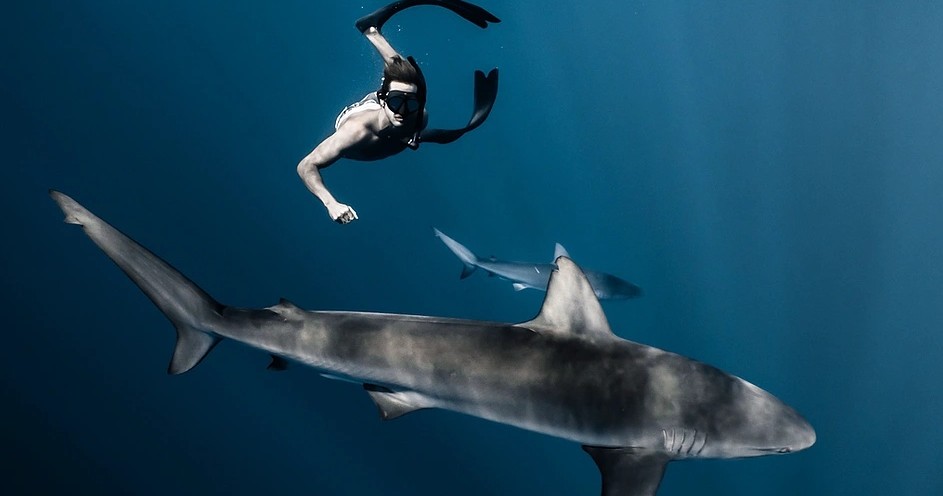 6
6Scuba
Haleiwa’s coastline is where Pacific drama and serene underwater gardens live side-by-side: winter surf sculpts the shore while summer seas open a window into clear reefs, caverns, and abundant marine life. This guide focuses on scuba diving around Haleiwa—shore-entry sites, short boat runs to sheltered reefs, and seasonal specialties—equipping you with place-specific context and practical planning advice.
Explore scuba → 7
7Sailing
Haleiwa is the slow-breathing seaside town at the heart of Oahu’s North Shore, where trade winds, turquoise channels, and winter swell define the rhythm of the ocean. For sailors the area offers a rich, variable palette: lazy summer trade-wind days perfect for coastal cruising and downwind runs, technical nearshore sailing when swell and wind interact around reefs, and seasonal opportunities for long-distance passagemaking escorted by spinner dolphins. This guide focuses on sailing-specific experiences—chartered day sails, private captains, keelboat lessons, and multiday coastal cruises—while threading in complementary activities like snorkeling at tide pools, surf-spot hopping, and seaside dining that round out an authentic North Shore sailing trip.
Explore sailing → 8
8Bus Tour
Haleiwa’s bus tours are less about getting from A to B and more about easing into the island’s rhythms—coastal panoramas, legendary surf breaks, roadside food culture, and pockets of Hawaiian history. Whether you want a slow, interpretive loop that pauses for beachwalks and local eats or a commuter-style hop-on/hop-off that links surf vantage points, shrimp trucks, and botanical short walks, bus tours provide an accessible, low-stress way to experience the North Shore’s landscapes and stories.
Explore bus tour → 9
9SUP
Haleiwa is where classic Hawaiian shoreline meets an adventurous paddler’s playground: glassy bays for flatwater explorations, reef-protected coves that reveal coral gardens, a lazy river that threads through plantation-era landscapes, and a surf culture that transforms winter swells into arena-sized waves. This guide focuses on stand‑up paddleboarding (SUP) across those micro-environments — from easy, family-friendly launches to adrenalin-charged surf sessions — and lays out the practical how‑to for planning paddles, choosing conditions, and leaving the water better than you found it.
Explore sup →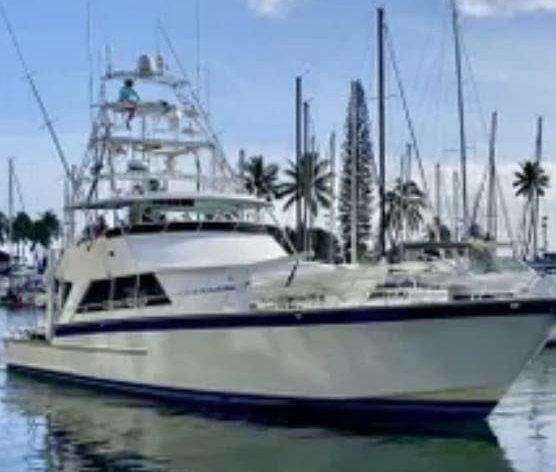 10
10Whale Watch
Haleiwa sits at the gentle hinge between surf culture and marine life spectacle—each winter the offshore channels fill with migrating humpback whales, and the town becomes a frontline laboratory of sight, sound, and ocean-breeze memory. Whether you choose a quiet shore vantage, a purpose-built catamaran, or a small zodiac that noses close to blowholes and tail slaps, whale watching here mixes intimate viewing with the easy aloha of a classic Hawaiian seaside village. Expect dramatic breaches, fluke-up dives, and playful mother-calf interactions framed by sea cliffs, surf breaks, and volcanic headlands.
Explore whale watch → 11
11City Tour
Haleiwa is the story of surf, salt, and small-town aloha rewritten on each storefront window and ocean-splashed sidewalk. A city tour here is less about a checklist of monuments and more about the rhythms of place—slow coffee at a garage-turned-cafe, a roadside shrimp plate steaming under tropical sun, the hiss of a longboard trimming a nearshore swell. This guide focuses on walking, biking, and curated drive-and-stroll tours that reveal Haleiwa’s cultural threads: Native Hawaiian history, plantation-era architecture, and a living surf culture that still shapes the town’s pace and look.
Explore city tour →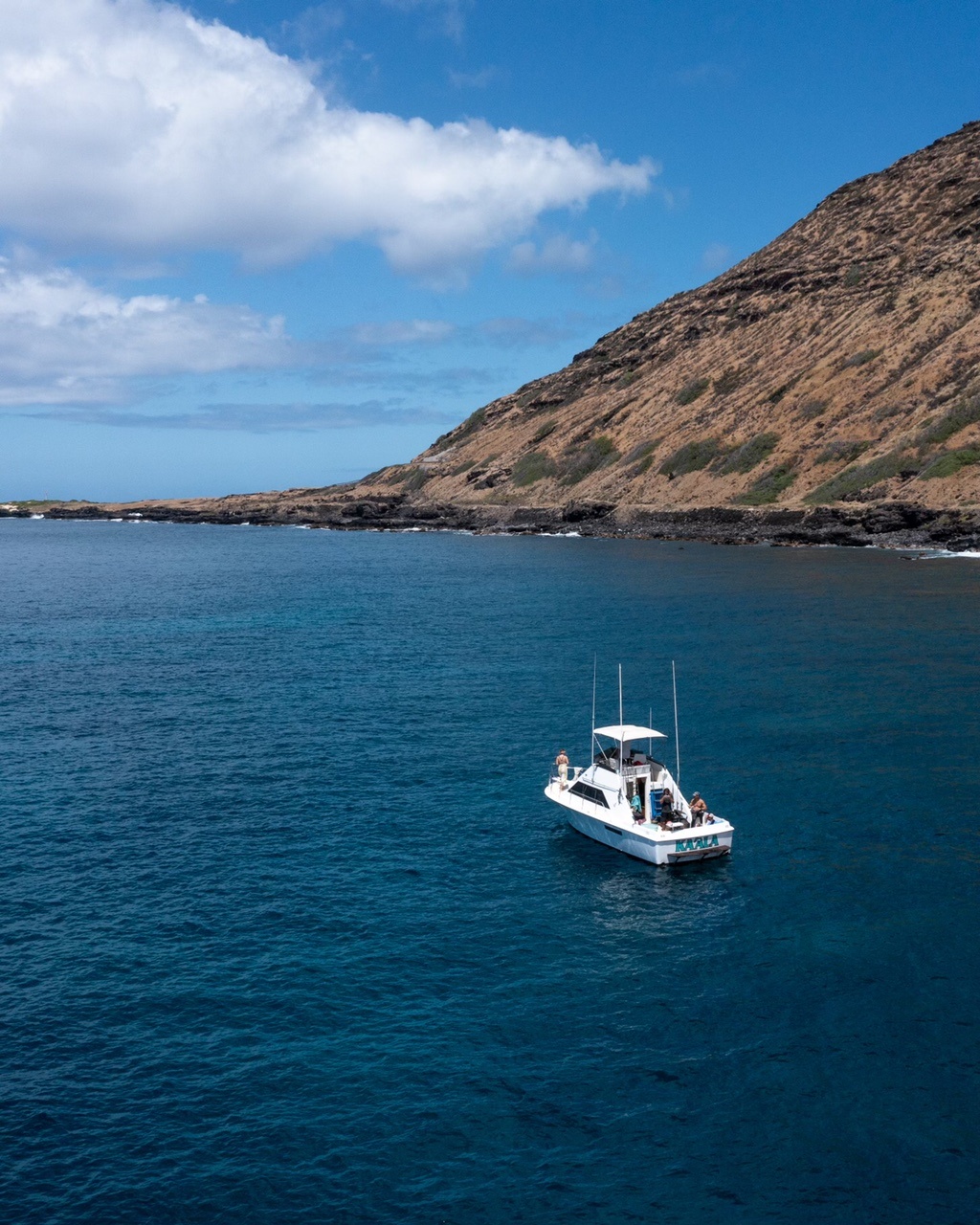 12
12Dolphin
Haleiwa’s shoreline is a doorway to the Pacific’s most charismatic residents. Whether you want a shoreline glimpse from a surf break, a gentle paddle alongside a pod on a stand-up board, or a guided snorkel swim with curious dolphins, the North Shore’s clear, reef-sculpted waters deliver intimate encounters framed by the island’s coastal panoramas.
Explore dolphin → 13
13Photography Tour
Haleiwa’s North Shore compresses a photographer’s dream into a few wind-swept miles: towering winter surf, glassy summer seas, lava-born rock shelves, reef tide pools, and a small-town surf culture that reads beautifully in portrait and street work. This guide focuses on photography tours — guided and self-led — that help you chase ideal light, capture surf action, and photograph marine life and local culture with purpose and respect.
Explore photography tour → 14
14Eco Tour
Haleiwa is where North Shore surf culture meets intimate encounters with coastal ecosystems. Eco tours here range from guided kayak and paddleboard trips past sea turtle hangouts to shore-based cultural walks and marine biology-focused snorkeling excursions. Expect accessible half-day outings that emphasize education, low-impact practices, and encounters with the unique flora and fauna of Oahu’s leeward and nearshore environments.
Explore eco tour → 15
15Boat Rental
Haleiwa's boat rentals put you at the edge of two very different Pacific moods: the winter swell that sculpts world-class surf and the summer glass that opens coral gardens and quiet bays. From single-day kayak trips around sheltered coves to private charters for snorkeling, fishing, or sunset cruising, the small harbor and nearby launch points are the practical heart of North Shore ocean access. This guide focuses on renting the right craft for the conditions, reading seasonal sea patterns, and planning experiences that respect fragile reefs and local communities.
Explore boat rental →The city and the sea
Why Haleiwa Belongs on Your Adventure Shortlist
Variety without surrendering the day to long transfers.
Haleiwa arrives softly in the rearview—palm fronds, a squeeze of surf wax in the air, and a main street that still moves at a local’s pace. But for travelers looking for a compact, water-rich palette of experiences, it’s deceptively big: a single day can stitch together a morning snorkel in a protected bay, an afternoon on a rented boat chasing reef sights or dolphins, and an evening watching the surf lights ride into the headlands. The town’s identity is braided from surf culture and ocean stewardship, so you get equal parts adrenaline and respect for fragile marine life. That makes Haleiwa as suitable for a first-time snorkeler and family-friendly SUP outing as it is for the seasoned surfer chasing winter swells or a scuba diver seeking reef topography. Geography matters here. The North Shore’s reef and sandbars create microclimates of ocean conditions—windward spots that fill with waves in winter and sheltered coves that offer glassy clarity in summer. That variety means Haleiwa functions like a tiny adventure hub: book a boat tour or rent a small craft to reach offshore snorkeling and dolphin encounters, join a whale watch between December and April, or climb aboard a sailing trip at golden hour for photographable light and calm seas. On land, the town is compact but culturally rich; city-tour vibes meet surf-town grit, and eco tours and photography tours frequently weave local history into shoreline itineraries. Practical appeal is part of the draw. Outfitters in Haleiwa specialize—surf lessons, SUP rentals, boat rental, guided scuba trips, and family-friendly dolphin excursions are all available within a few blocks—so you can pivot on weather or mood without a long drive. That infrastructure also makes it a smart base for mixing guided and DIY days: take a guided eco tour to learn reef-safe practices, then rent a paddleboard and practice those skills yourself. For photographers and travelers who want texture, Haleiwa gives you contrasts: wide, surf-smashed beaches; quiet tide pools with snorkelable life; and a town core that ages slowly and tastes like local shave ice and poke. In short, Haleiwa is an island microcosm of adventure—equal parts play and pausing, set against some of the Pacific’s most storied waves.
Access is immediate: Honolulu is an hour drive (less with light traffic), and multiple outfitters make equipment rentals, boat charters, and guided tours easy to book the same day. That translates to flexibility—swap a planned surf lesson for a snorkel if conditions shift.
Haleiwa balances active days with relaxed evenings: local eats and galleries offer a cultural counterpoint to water activities. Eco-conscious travelers will find community-led conservation efforts and interpretive tours that deepen appreciation for the reefs and marine mammals you’ll likely see.
Conditions shape the day
The best time to visit Haleiwa.
Summer months (April–October) generally bring calmer seas, clearer snorkel conditions, and warm, stable weather. Winter (November–March) brings larger surf—spectacular for watching and for experienced surfers—plus the highest odds of humpback sightings during the December–April whale season.
Best all-around window
Spring + fall
Comfortable mixed-itinerary weather, thinner crowds at beaches and lookouts, and more room to improvise.
Beach season
December–April for surf spectacle and whale watching; holiday travel increases crowds and prices.
Surf + whales
Late spring and fall shoulder months offer calmer waters for SUP, snorkeling, and fewer crowds at popular boat tours and beach access points.
Coast to inland
Cool marine mornings often give way to warmer inland afternoons and breezy evenings.
Beginner
Family-friendly and low-commitment options that introduce ocean skills with minimal exposure to strong currents.
- Learn-to-surf lesson in a gentle bay
- Guided snorkel in a protected cove
- Short SUP rental and lesson near the shore
Intermediate
Activities that require basic water skills or comfort with variable conditions, plus some local knowledge.
- Half-day boat tour with dolphin or reef sightings
- Self-guided snorkeling at a mid-coast reef with current awareness
- Photography tour focusing on surf, tide pools, and coastal portraits
Advanced
For experienced water users: strong surf, full-day ocean charters, and technical scuba requiring certifications.
- Offshore scuba trips to deeper reef and drop-offs
- Joining a winter big-wave surf session with a certified instructor or local team
- Multi-hour sailing or expedition-style boat charter
Field kit
What to bring.
Pack for sun, salt water, walking, and a meaningful temperature swing between coast and inland Haleiwa.
Essential
Start here
- Reef-safe sunscreen and a hat
- Light layers (coastal mornings can be cool, afternoons warm)
- Water shoes or reef-safe sandals for tide pools
- Quick-dry clothing and a small dry bag for phones
- Reusable water bottle and snacks
Water days
Keep it dry
- Mask and snorkel (many outfitters rent gear, but personal fit matters)
- Waterproof phone case or action camera with float leash
- Light wind shell for early mornings or boat decks
- Small reef-friendly toiletries and a compact first-aid kit
Long days
Stay flexible
- Polarized sunglasses for spotting fish and reading surface conditions
- Light tripod or camera gear for photography tours
- Compact binoculars for whale and dolphin spotting from shore or boat
Insider note
Start early, then keep the geography tight.
Start early to beat traffic and secure parking near popular launch points. On calmer days, book boat rentals or sailing sunsets—these sell out fast in peak season. Respect reef and wildlife rules: avoid stepping on coral, use reef-safe sunscreen, and maintain distance from dolphins and whales. If surf is big, watch from shore and follow lifeguard advice; never enter unfamiliar shorebreak. Finally, plan a flexible day: weather dictates the best water activity, so allow room to swap a surf lesson for a snorkel or a photography tour if light and seas favor them.
Good to know
Frequently asked questions.
Can I do most activities without a guide?
Yes for many rentals and sheltered water days—SUP, calm-bay snorkeling, and short boat rentals are commonly done without a guide. Choose a guide for scuba, open-ocean boat tours, whale watches, and when local conditions are new to you.
When is the best time to see whales?
Humpback whale season runs broadly December through April, with peak sightings often between January and March. Book whale-watch tours early in peak months.
Are beaches safe for swimming year-round?
Not always. Summer offers safer, calmer swim conditions at many North Shore coves; winter months produce large shorebreaks and strong currents. Heed local signage and lifeguard guidance.
Ready when you are
Find the trip that fits your Haleiwa day.
Compare bookable experiences across the coast, city, and mountains—then save the ones that belong in your plan.
Explore all Haleiwa adventures ↗