Top Scuba Adventures in Haleiwa, Hawaii
Haleiwa’s coastline is where Pacific drama and serene underwater gardens live side-by-side: winter surf sculpts the shore while summer seas open a window into clear reefs, caverns, and abundant marine life. This guide focuses on scuba diving around Haleiwa—shore-entry sites, short boat runs to sheltered reefs, and seasonal specialties—equipping you with place-specific context and practical planning advice.
Top Scuba Trips in Haleiwa
141 trips • Book with confidence • Instant confirmation
Why Haleiwa Is a Standout Scuba Destination
Haleiwa is often spoken about in terms of surf—the north shore’s winter swells are iconic—but beneath the cresting waves there’s a quieter, intimate world where lava-sculpted reefs, kelp-like algae forests, and schools of reef fish create paragraph after paragraph of marine story. For divers, Haleiwa offers contrasts: in summer the Pacific calms, visibility lengthens into the high teens or beyond, and shallow reef systems that fringe the coastline reveal intricacies of coral growth, small critters and resident honu (sea turtles). In the shoulder months visibility can be excellent and dive operators run frequent morning trips that thread along protected ledges and into lava tubes carved by millennia of volcanic activity.
The diving here isn’t about massive drop-offs or ultra-deep walls; it’s an exploration of structure and life. Lava shelves and bommies create pockets for crustaceans and octopus, while expansive reef flats support parrotfish, unicornfish, and the occasional eel. Because Haleiwa sits on Oʻahu’s north shore, the dive experience is yoked to ocean temperament: winter swells reshape the shoreline and can limit access to many sites, while summer ushers in calmer water and safer shore entries. That rhythm shapes both the conservation ethic and the local dive culture—operators prioritize site-appropriate scheduling, and many sites are inside or adjacent to marine-managed areas where responsible diving practices are emphasized.
Culturally, the water around Haleiwa is ancestral terrain. Native Hawaiian relationships with the sea are woven into place names, fishing practices, and stewardship traditions like kapu and mālama ʻāina. Divers who surface with a bit of historical context will find the experience richer: reefs are not just habitat, they are part of living islands, and many local operators fold cultural education and conservation messaging into briefings. Complementary activities—snorkeling for families in calmer bays, freediving clinics to sharpen breath-hold skills, and shoreline hikes that reveal tidepool ecology—pair naturally with scuba, offering multiple ways to engage with the marine environment depending on ability and comfort.
Practically, Haleiwa is accessible from Honolulu in under an hour by car, which makes it an excellent base for repeat dives across a season. Local dive shops provide guided shore dives, small-boat runs to nearby protected spots, and specialty trips for underwater photography and night dives—when conditions allow. For travelers planning a scuba-focused trip, the key considerations are seasonality, operator choice, and a clear understanding of your certification and experience relative to currents and entry technicality. The reward—quiet reefs, curious turtles, and lava-formed underwater topography—makes the attentiveness worth it.
The North Shore’s seasonal swing defines access: summer brings calm, reliable visibility and more sheltered shore entries; winter’s surf can make diving limited to protected pockets or require boat transport.
Haleiwa’s reefs are biologically productive but not congested; many sites are best experienced with a local guide who knows subtle current patterns and micro-habitats.
Complementary activities include snorkeling at shallower protected spots, guided freedives, coastal hikes with tidepool viewing, and surf-watching from shore when the swell picks up.
Best Time to Visit
Best Months
Weather Notes
Summer months bring smaller north swells, calmer seas and the best visibility for reef dives. Winter (roughly November–March) produces large surf and stronger currents that can close many shore-entry sites—boat trips to protected locations may still run but conditions are more variable.
Peak Season
Summer and early fall are busiest for dive bookings due to calmer conditions and clearer water.
Off-Season Opportunities
Winter offers dramatic shorelines and fewer tourists; skilled divers can find protected pockets and specialty trips, but expect limited site availability and more conservative operator scheduling.
Frequently Asked Questions
Do I need a certification to scuba dive in Haleiwa?
Yes. Operators generally require at least an Open Water certification for guided dives. Some shops offer introductory discovery dives with additional restrictions and closer supervision—check with your chosen operator.
Are there shark risks while diving on the North Shore?
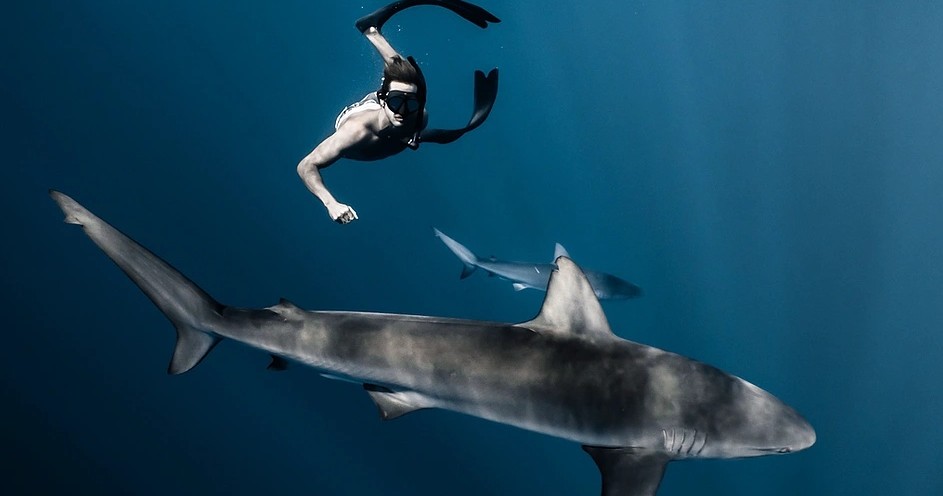
Shark encounters are possible but uncommon on reef dives. Operators brief guests on animal behavior and safety; follow guide instructions and avoid provocative behavior. Many dives focus on reef fish and turtles rather than pelagic interactions.
Can beginners dive from shore in Haleiwa?
Shore entries vary—some sites are suitable for confident beginners with a guide, others have rocky or sloping lava entries and stronger surge. Book a guided shore dive that matches your certification and experience.
Is night diving available?
Night dives are offered by a limited number of operators when conditions allow. They require additional planning and suitable conditions—ask local shops about schedules and requirements.
Choose Your Experience Level
Beginner
Protected shore entries and shallow reef dives under guided supervision. Ideal for newly certified divers or discovery dive participants when sea state is calm.
- Guided 30–60 minute shallow reef shore dive
- Discovery Scuba experience in protected bay
- Introductory boat runs to calm nearshore reefs
Intermediate
Longer guided dives to ledges, small overhangs, and varied topography. Divers should be comfortable with minor currents and uneven entries.
- Guided drift or ledge dives along lava formations
- Underwater photography-focused reef dives
- Twice-daily boat trips to nearby protected sites
Advanced
Deeper reef walls, dives that require advanced buoyancy control, wreck or cavern-like features, and trips scheduled around narrow tide windows. Experience with currents and navigation is helpful.
- Advanced deep reef or structure dives
- Night dives and specialty macro expeditions
- Current-sensitive shore entries and surge-exposed sites
Insider Tips & Local Knowledge
Check surf and swell forecasts, confirm operator cancellation policies, and always listen to local briefings.
Book morning dives—sea conditions are typically calmer and visibility is best. Choose an operator that conducts short surface checks and briefings specific to each site; the North Shore changes quickly. Wear booties for shore entries—the lava and coral can be sharp. Carry your certification card and a recent logbook or proof of recent dives if you plan to rent gear. Respect local stewardship: use reef-safe sunscreen, maintain buoyancy to avoid contact with coral, and follow no-touch policies for turtles and other wildlife. If you want a specialty experience (underwater photography, night diving, or small-group pelagic trips), reserve in advance—operators often prioritize regular clients and small groups. Finally, pair dives with surface activities—snorkeling, coastal hikes, and a visit to local conservation centers can round out your understanding of Haleiwa’s marine systems.
What to Bring
Essential
- Valid scuba certification card (Open Water minimum) and logbook or recent dive history
- Mask, snorkel, fins (comfort and fit are important for rocky shore entries)
- Exposure protection—shorty or 3mm full suit depending on season and personal tolerance
- Reef-safe sunscreen and sun protection for surface intervals
- Dive insurance if you travel internationally and plan multiple dives
Recommended
- Surface marker buoy (SMB) and whistle if you own them—useful for congested surface conditions
- Underwater camera or compact housing for macro and wide-angle reef shots
- Lightweight booties for shore entries and slips on volcanic rock
- Small first-aid kit and antihistamine for minor stings or scratches
Optional
- Personal dive computer (rental available from many shops) for dive profile management
- Gloves for photography macro work (check local operator rules—some sites discourage gloves to protect life)
- Mesh bag for carrying fins or wet gear between shop and water
Ready for Your Scuba Adventure?
Browse 141 verified trips in Haleiwa with instant booking
Explore Top 15 Haleiwa, Hawaii Adventures →