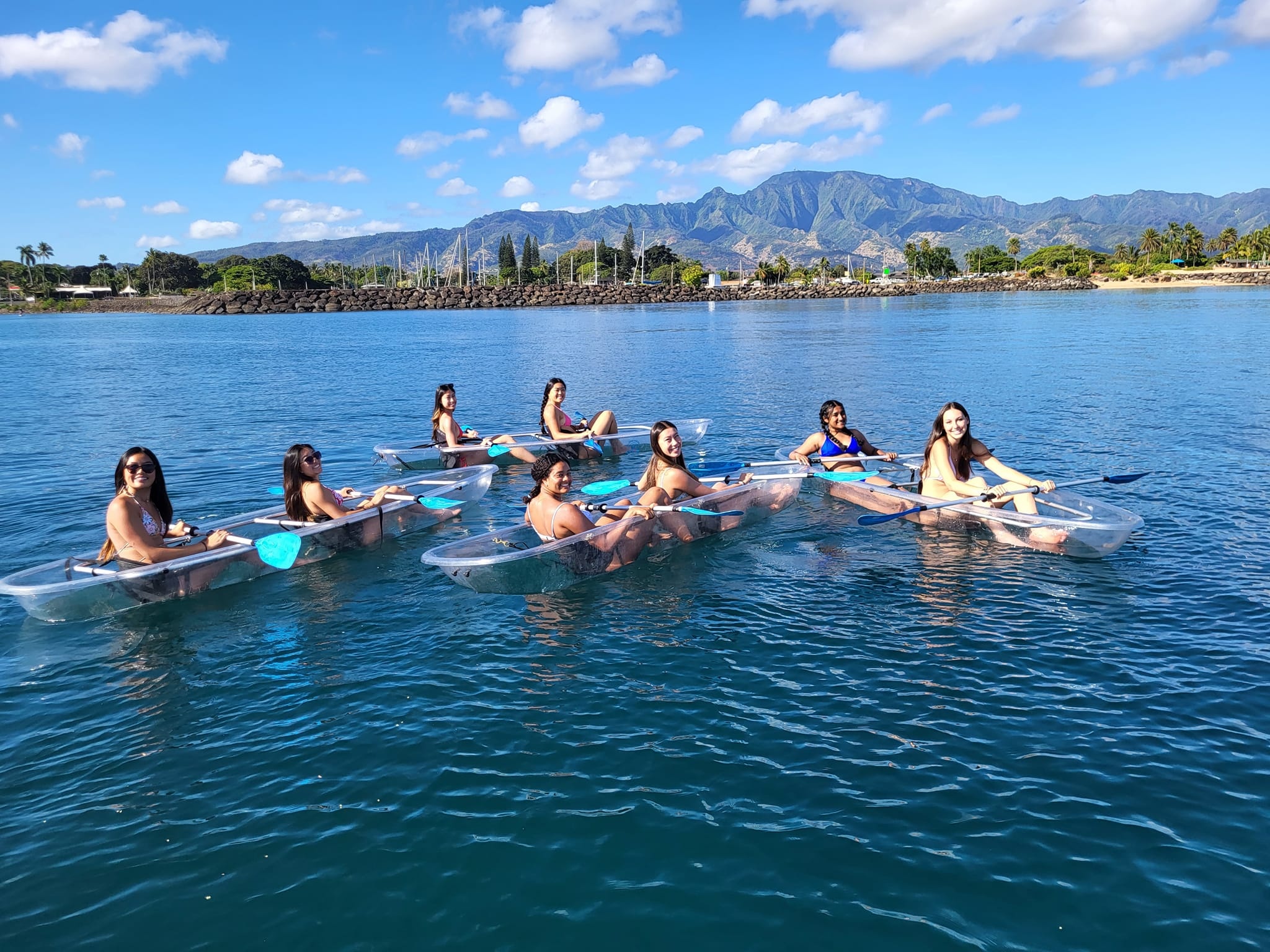
Top Water Activities in Haleiwa, Hawaii
Haleiwa is the heart of Oʻahu's North Shore, a place where big-wave legend and tranquil blue-calm mornings coexist within a short drive. This guide focuses on water-based adventures—from the town’s historic surf breaks and winter spectacle at Waimea, to summer snorkeling in protected coves, estuary paddle trips along the Anahulu, and chartered boat excursions for offshore fishing and whale watching. Expect a mix of high-adrenaline surf culture and approachable water experiences perfect for first-timers, families, and seasoned ocean-goers alike.
Top Water Activities Trips in Haleiwa
526 trips • Book with confidence • Instant confirmation
Why Haleiwa Is a Water-Activities Mecca
Haleiwa sits at a geological and cultural junction where ocean, reef, river, and human history fold together into a compact playground. Walk through town and you meet surfboards propped against plantation storefronts and fishing boats bobbing in the harbor; tilt your head toward the sea and the coastline reads like a weather chart—calm coves and glassy reefs in summer, towering walls of water in winter. That seasonal duality is the town’s signature. From May through September, the North Shore’s exposure to trade winds and distant swell subsides, opening sheltered pockets—Shark’s Cove, Haleiwa Beach Park, and the river mouth—where snorkeling, paddleboarding, and gentle kayak runs feel like private moments with the Pacific. Come November through February and the horizon rearranges itself: storm swells travel unimpeded across the ocean, and breaks like Banzai Pipeline and Waimea Bay become living arenas for big-wave surfcraft and international competition.
Beneath the surface, Haleiwa’s nearshore reefs and channels host a lively cast of marine life—green sea turtles (honu) loaf on shallow reefs, reef fish paint the shallows, and humpback whales pass offshore in winter. The Anahulu River slinks behind town as a contrasting freshwater corridor, perfect for calm estuary paddles through native vegetation and birdlife. Combined, these landscapes support a micro-economy of outfitters, instructors, and guides who specialize in everything from rescue-level surf coaching to family-friendly boat trips. That local expertise makes Haleiwa unusually accessible: novices can get upright on a SUP with a few guided strokes in placid conditions, while experienced surfers and freedivers can test hard-earned skills against powerful winter surf or deep reef drops.
Culturally, water here is woven into daily life. Native Hawaiian stewardship values, modern surf lore, and a revival of fishing and canoe traditions are visible if you know where to look—canoe clubs, reef-protection initiatives, and community beach cleanups are part of the rhythm. For travelers, that means opportunities for layered experiences: learn surf etiquette from a local shaper, join a guided snorkel that doubles as a reef-conservation lesson, or time a boat charter to catch the end of a whale migration and the start of a seasonal fish run. Practically, the area’s compact geography makes multi-activity days easy—surf a mellow morning break, paddle the river at midday, and step onto a sunset boat for an evening fish roast or photo session of the coast’s silhouette. With mindful planning around tides, swell, and respect for local rules, Haleiwa is a water-activity destination that rewards curiosity with powerful ocean moments and quiet, blue-water reprieves.
Seasonality shapes everything: summer invites sheltered snorkeling and learning, winter demands respect and skill as big surf transforms the coastline into a global spectacle.
Local knowledge is invaluable. Outfitters, lifeguards, and surf schools help translate ocean conditions into safe, rewarding experiences—and many integrate cultural and environmental awareness into their offerings.
Best Time to Visit
Best Months
Weather Notes
Summer months generally bring calmer seas and clearer water—ideal for snorkeling, SUP, and family paddles. Winter ushers in large, powerful swell and cooler air temperatures; surf viewing and big-wave activities peak then but many in-water activities become unsafe.
Peak Season
Winter big-wave season (Nov–Feb) draws international surf competitions and spectators; expect higher visitation along key shore access points.
Off-Season Opportunities
Late spring and summer weekdays offer quieter water access, lower swell, and better visibility for snorkeling. Early mornings minimize wind and crowds.
Frequently Asked Questions
Do I need permits to snorkel or paddle in Haleiwa?
No general permits are required for recreational snorkeling, SUP, or kayak use. Specialized activities (commercial charters, group tours, or certain conservation access points) may need permits—check with local authorities or your outfitter.
Are there shark risks while swimming or snorkeling?
Sharks are part of the ecosystem. Incidents are rare. Reduce risk by avoiding dawn/dusk swims, not entering the water with open wounds, and following local signage and lifeguard guidance.
Can beginners learn to surf in Haleiwa?
Yes—many surf schools operate in and near Haleiwa and choose sheltered summer breaks for learners. Winter surf locations are not suitable for beginners; always book certified instruction and check conditions.
Choose Your Experience Level
Beginner
Calm, protected conditions for first-time snorkelers, family-friendly kayak routes, and SUP sessions on sheltered mornings.
- Guided reef snorkel at Haleiwa Beach Park or Shark’s Cove (summer only)
- Beginner SUP lesson and harbor paddle
- Estuary paddle on the Anahulu River
Intermediate
Larger surf sessions on manageable breaks, independent snorkel or freedive trips along reefs, and half-day fishing charters.
- Paddle out to moderate reef drops with a local guide
- Dawn surf on point breaks during shoulder seasons
- Inshore sportfishing or reef-fishing charters
Advanced
Winter big-wave surfing, deep-water freediving, and technical boat handling for offshore trips—these require experience, specialized gear, and local expertise.
- Guided big-wave escort and shore safety for experienced surfers
- Deep freediving excursions with a certified guide
- Offshore blue-water sportfishing charters
Insider Tips & Local Knowledge
Respect local rules, currents, and reef ecosystems; when in doubt, ask a lifeguard or local outfitter.
Plan around tides and swell—many great snorkeling and tidepool experiences only work at lower tides, while surf sessions depend on specific swell angles. Early mornings are generally the calmest and least crowded; afternoons bring onshore winds that can chop small craft. Hire local guides for unfamiliar spots: they provide not just safety but cultural context and often point out seasonal wildlife. Always use reef-safe sunscreen, avoid standing on coral, and carry out any trash. If you’ll be driving to multiple beaches, know that parking fills quickly in peak season—arrive early or consider bike and shuttle options. Finally, learn basic surf etiquette before paddling out: give right-of-way to riders already on the wave and avoid dropping in on a line. Small courtesies keep the lineup friendly and safer for everyone.
What to Bring
Essential
- Reef-safe sunscreen and a wide-brim hat
- Swimwear, quick-dry layers, and a rash guard
- Water shoes with good grip for rocky entry points (Shark's Cove, reefs)
- Light dry bag for phone, keys, and snacks
- Reusable water bottle and electrolyte drink
Recommended
- Mask/snorkel and fins (many outfitters rent gear)
- Light wetsuit or springsuit for cooler winter mornings or extended snorkeling
- Waterproof camera or action camera with floating strap
- Small first-aid kit and blister/abrasion patches
- Local tide chart app and reef-safety guide
Optional
- Compact binoculars for whale and seabird watching
- Dive certification card if planning guided dives
- Portable reef-safe insect repellent for shoreline evenings
- Light microfiber towel and quick-change poncho
Ready for Your Water Activities Adventure?
Browse 526 verified trips in Haleiwa with instant booking
Explore Top 15 Haleiwa, Hawaii Adventures →