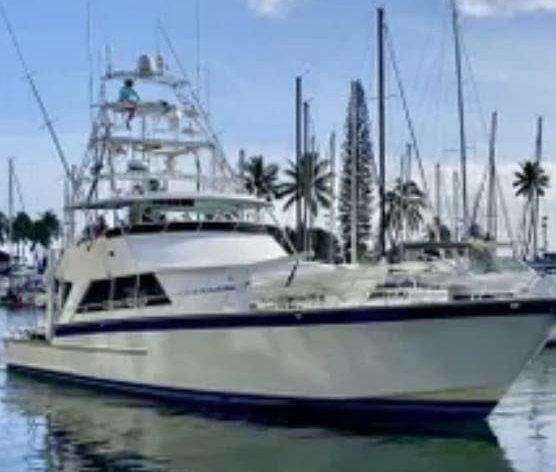
Whale Watching in Haleiwa, Hawaii
Haleiwa sits at the gentle hinge between surf culture and marine life spectacle—each winter the offshore channels fill with migrating humpback whales, and the town becomes a frontline laboratory of sight, sound, and ocean-breeze memory. Whether you choose a quiet shore vantage, a purpose-built catamaran, or a small zodiac that noses close to blowholes and tail slaps, whale watching here mixes intimate viewing with the easy aloha of a classic Hawaiian seaside village. Expect dramatic breaches, fluke-up dives, and playful mother-calf interactions framed by sea cliffs, surf breaks, and volcanic headlands.
Top Whale Watch Trips in Haleiwa
78 trips • Book with confidence • Instant confirmation
Why Haleiwa Is a Standout Whale-Watching Base
Haleiwa’s charm as a whale-watching destination begins with geography and ripples outward through culture, weather, and a surprisingly complex ecosystem. Tucked on Oʻahu’s North Shore, Haleiwa is closer to the deep-water migratory corridor than many other island towns: wide continental shelves and steep drop-offs offshore encourage humpbacks to linger in the calmer, nutrient-rich pockets near the coast. That proximity turns a routine winter day into a possibility of repeated close encounters—breaches flushing spray into the air, slaps that carry through the hull of a boat, and the slow, theatrical rolls of massive bodies that could be mistaken for sculptures moving deliberately through water.
But the experience is never only biological. Haleiwa’s long relationship with the sea—surfing culture born of the very same waves, fishing traditions, and decades of small-boat charters—means whale watching feels local rather than industrial. Operators here know where to read the water, when to hold back for a respectful distance, and how to translate a distant spout into a story about migration routes, birthing grounds, and the fragile balance between whales and the coastal environment. Onshore, a lookout at Haleiwa Beach Park or Kawailoa Bay provides a quieter alternative: binoculars, thermos, and patience can yield long, languid views of dorsal fins and mother-calf pairs moving parallel to the shore.
Seasonality shapes everything. The whale season, roughly December through April, is driven by migration from Alaskan feeding grounds to Hawaiian breeding and calving waters. Peak months bring higher probabilities of surface activity—breaches and spyhops increase when whales engage in social behavior and mating displays. Weather plays a helpful role: winter swells and calmer trade-wind windows both carve different viewing conditions, and early-morning departures often catch glassy seas and softer light ideal for photography. Complementary activities—surf lessons at nearby breaks, snorkeling around tide pools at Shark’s Cove, coastal hikes, and visits to the Haleiwa town market—make this a multi-dimensional trip. You can pair a morning zodiac whale watch with a midday reef snorkel, then end in town with shaved ice and sunset light on the reef.
Finally, responsible tourism matters here. The best Haleiwa operators balance intimacy with regulation: they maintain distance when mothers and calves are present, limit boat numbers around active pods, and educate visitors on the laws and etiquette that protect these animals. That blend of proximate wildlife viewing, local culture, and conservation-minded practice is what sets Haleiwa apart—giving travelers both a front-row seat and an ethical blueprint for how to watch, not disturb.
Geography: Continental shelf and offshore drop-offs concentrate migrating humpback whales close to the North Shore coast.
Culture: Haleiwa’s small-boat heritage and surf-town vibe create relaxed, knowledgeable operators and a low-key viewing vibe.
Seasonality: December–April is the whale season; peak surface activity often occurs in mid-winter months.
Conservation: Local operators follow federal and state guidelines to minimize disturbance—pick companies that prioritize distance and education.
Best Time to Visit
Best Months
Weather Notes
Winter months bring cooler air, occasional trade-wind breaks, and larger swell windows; mornings are often calmer for boat departures, while afternoons can see more wind and chop. Light rain is possible; dress in quick-drying layers.
Peak Season
January–March is the busiest period for active surface behaviors and highest tour demand.
Off-Season Opportunities
May–November offers fewer whales but calmer seas and availability for surf lessons, snorkeling, and coastal hikes with lower crowds.
Frequently Asked Questions
Do I need permits to go whale watching?
No personal permit is required to join commercial whale-watch tours; operators carry necessary vessel and commercial permits. For shore-based viewing, no permits are required, but adhere to posted coastal access rules.
How close do boats get to whales?
Federal and state guidelines set minimum approach distances for whales. Responsible operators maintain respectful distances—often 100 yards for most interactions—and use trained naturalists to interpret whale behavior. Small-boat, no-approach formats or regulated viewing corridors are used when mothers and calves are present.
Are tours suitable for families and children?
Yes. Many operators welcome families; choose a larger catamaran for stability if traveling with young children or those prone to seasickness. Bring sun protection and plan for variable weather.
What if I get seasick?
Take over-the-counter motion-sickness medicine at least an hour before departure, pick a morning trip when seas are calmer, sit midships for the most stable ride, and focus on the horizon rather than close, moving objects.
Can I photograph whales from shore?
Yes—shore-based vantage points like Haleiwa Beach Park or headlands provide good opportunities during close coastal passes, but a long lens (300mm+) or binoculars will improve results.
Choose Your Experience Level
Beginner
Casual shore-based spotting and short, stable-boat tours. Ideal for families, first-timers, and those who prefer minimal time on the water.
- Shore lookout at Haleiwa Beach Park
- 2-hour catamaran whale watch
- Short coastal walk combined with binocular spotting
Intermediate
Half-day small-boat tours, zodiac excursions, and combo trips that pair whale watching with snorkeling or coastal wildlife viewing.
- Zodiac whale-watch with naturalist commentary
- Half-day boat trip plus afternoon reef snorkel
- Photography-focused departure at golden hour
Advanced
Extended marine-focused excursions, citizen-science trips, and private charters for dedicated photographers or researchers seeking less-crowded viewing and tailored itineraries.
- Private charter with a marine biologist
- Multi-day marine survey or photo-expedition
- Advanced wildlife photography workshop on the water
Insider Tips & Local Knowledge
Book early in the whale season and choose operators that emphasize safe viewing and education.
First light is often the most productive: mornings deliver calmer seas, cleaner light, and fewer tour-boat passes. If you’re prone to seasickness, opt for larger catamarans with shaded seating and indoor cabins. Small zodiacs offer intimacy but can be bumpy—ask operators about sample itineraries and likely sea states before booking. Support local guides: Haleiwa operators are often family-run businesses with deep knowledge of local waters and marine behavior—pick companies that contribute to monitoring and conservation. Respect mother-calf pairs by keeping distance; if a pod shows agitation, operators should back off. Bring cash for food trucks and local shops in Haleiwa town—post-tour shave ice and poke bowls are a rite of passage. Combine activities: Pair a morning whale-watch with midday tide-pool exploration at Shark’s Cove or a late-afternoon surf lesson at beginner-friendly breaks. If photography is the goal, schedule trips around golden hour and request guidance on camera settings—experienced crew can help you time shots for breaches and spyhops. Logistics: Parking in Haleiwa can fill quickly during peak season—arrive early. Check cancellation policies: winter weather can close ports unexpectedly. Finally, pack with leave-no-trace in mind—reduce plastics, follow crew instruction, and treat the ocean with the quiet reverence it deserves.
What to Bring
Essential
- Binoculars or a long lens camera for distant sightings
- Motion-sickness medication if prone to seasickness
- Waterproof or quick-dry layers and a windbreaker
- Sunscreen, hat, and polarized sunglasses
- Reusable water bottle and small snacks
Recommended
- Compact travel tripod or monopod for photography
- Waterproof phone case and spare battery
- Light dry bag for valuables
- Cash or card for town purchases after tours
Optional
- Compact spotting scope for shore-based watching
- Field guide to Hawaiian marine mammals
- Light binocular harness to reduce neck strain
Ready for Your Whale Watch Adventure?
Browse 78 verified trips in Haleiwa with instant booking
Explore Top 15 Haleiwa, Hawaii Adventures →