
Cedar Key adventure guide
Find your way into Cedar Key.
A low-slung cluster of islands and docks on Florida’s Big Bend, Cedar Key feels like a salt-scrub postcard where boat tours, bonefishing, and sunset SUP sessions are the rhythm of the day. This guide threads practical planning — rentals, best seasons, and suggested itineraries — through the sensory pleasures of shell-strewn beaches, wide estuaries, and tidal creeks. Expect eco tours that bring you face-to-face with wading birds and dolphins, fishing mornings that follow the tide, and slow afternoons exploring the town’s galleries and seafood shacks between kayak drops and boat rentals.
Three ways into the city
Pick a landscape. Build a day around it.
Cedar Key is less a single destination than a collection of neighboring worlds. Start with the version of the city that matches your pace, then use the ranked guide below to fill in the details.

Begin where the city meets the sea.
Surf breaks, sheltered harbors, whale routes, and long beach paths make the coast LA’s most immediate outdoor playground.
Explore boat tour →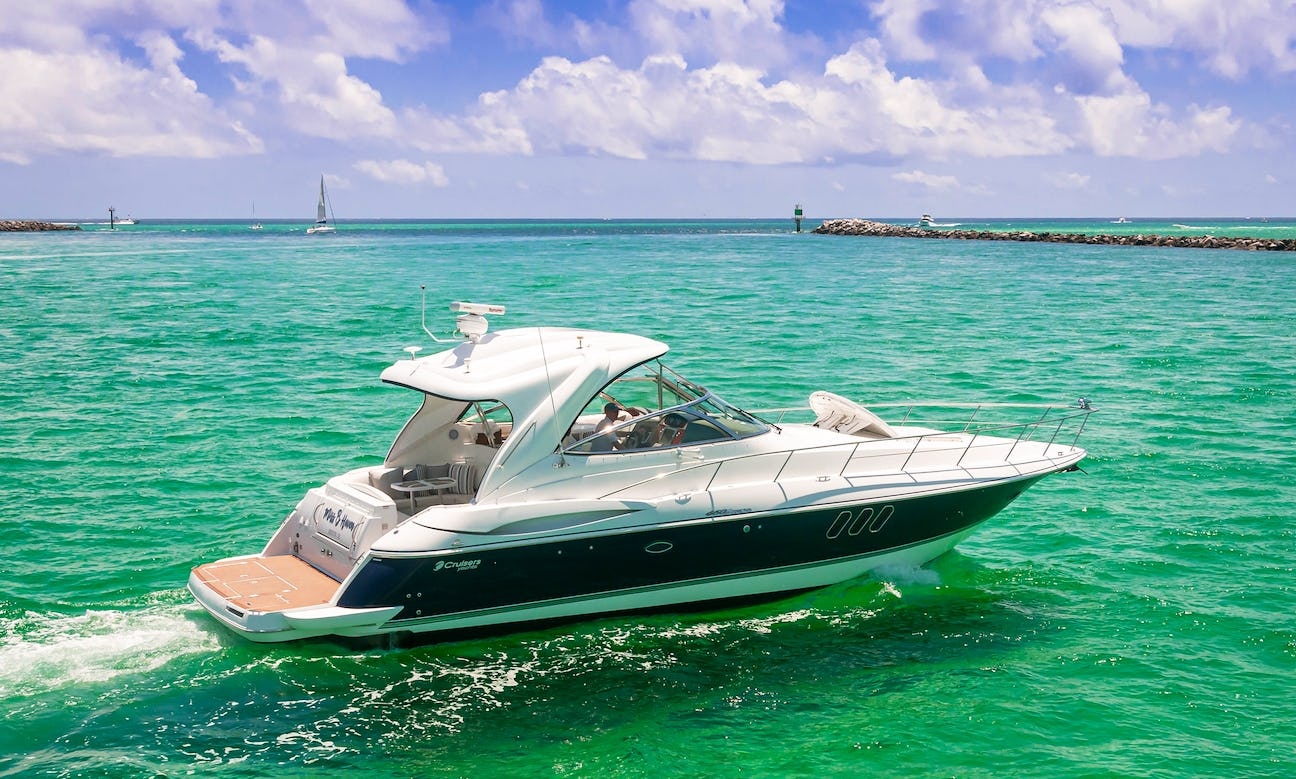
Let a local connect the landmarks.
Use a guided city, walking, or sightseeing tour to turn LA’s sprawl into a coherent story.
Explore eco tour →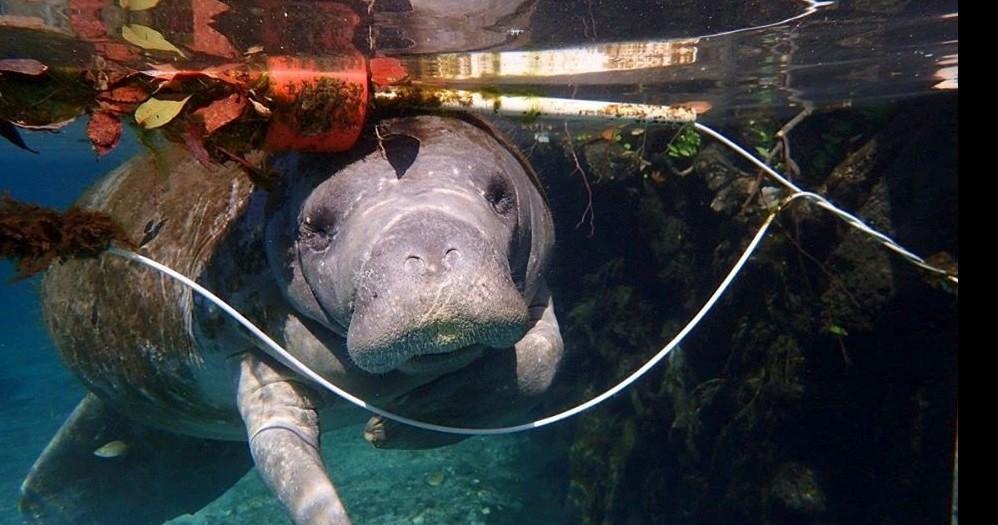
Ride the coast and the city.
Beach paths, river corridors, e-bikes, and ridge climbs reveal a more connected Los Angeles.
Explore wildlife →Choose your way into Cedar
The top 15 Cedar Key adventures.
Ranked by the number of currently listed trips. Each panel opens the complete local activity collection.
1Boat Tour
Small, salt‑stung, and serenely slow, Cedar Key is where intimate boat tours reveal the Gulf’s quieter rhythms: flats alive with shellfish, low islands that host wading birds by the dozen, and sunsets that seem engineered for silence. This guide focuses on boat-based adventures—eco-tours, birding trips, fishing charters, and sunset sails—designed for travelers seeking close encounters with marine life, local culture, and the wide, shallow seascape that defines Florida’s Big Bend.
Explore boat tour →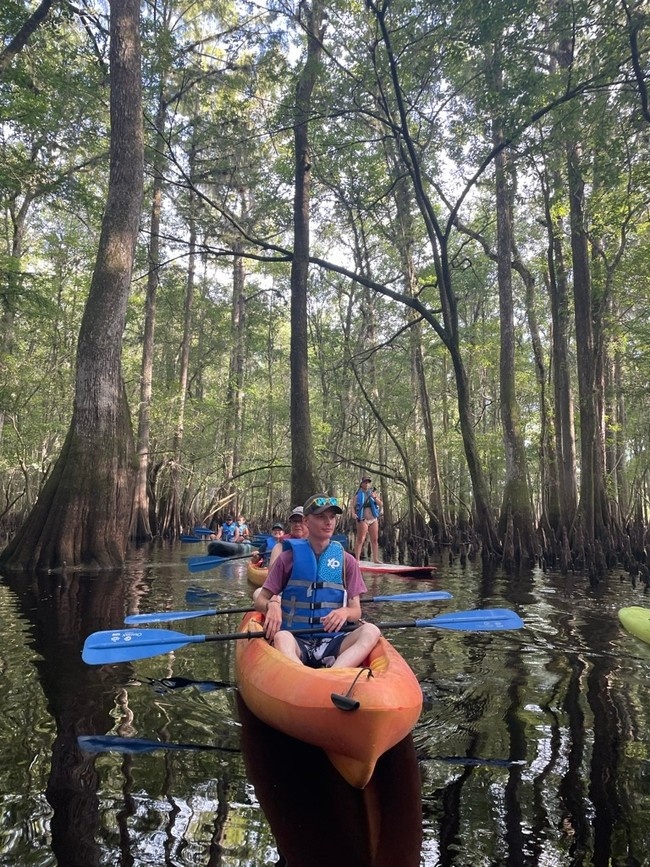 2
2Water Activities
A tight cluster of low, shell-scarred islands and wide estuaries, Cedar Key is a tidal landscape built for slow, sensory water adventures. The air smells of salt and wading birds; the water alternates between glassy flats at low tide and churning channels at the edges of the Gulf. Kayakers and paddleboarders weave through mangrove tunnels, anglers fish the skinny-water guts for redfish and trout, and small-boat captains island-hop to secluded beaches. This guide focuses on the water—how to move through it safely, when to go, and how to fold in fishing, birding, and snorkeling for a full Cedar Key experience.
Explore water activities → 3
3Fishing
Shell-scalloped docks, shallow blue-green flats, and a tide-driven rhythm define fishing in Cedar Key. This compact island town is a nexus for backcountry anglers, flats skiffs, and inshore charters chasing redfish, speckled trout, tarpon, and the occasional permit. Expect salt-scented air, low-slung oak hammocks, and water access that feels intimate—ideal for anglers who prize shallow-water sight fishing, fall and spring migrations, and hands-on local culture.
Explore fishing → 4
4Kayak
Shallow flats, a scatter of low-lying islands, and a small, salt-splashed town make Cedar Key an intimate paddling landscape. This guide focuses on the kayak experiences that define the place: quiet marsh channels braided with mangroves, open-water crossings to research islands, and evening paddles that thread between oyster bars and fishing skiffs. Ideal for sea-kayak day trips and relaxed exploration, Cedar Key rewards paddlers who read tides, watch wind forecasts, and come ready for wildlife.
Explore kayak →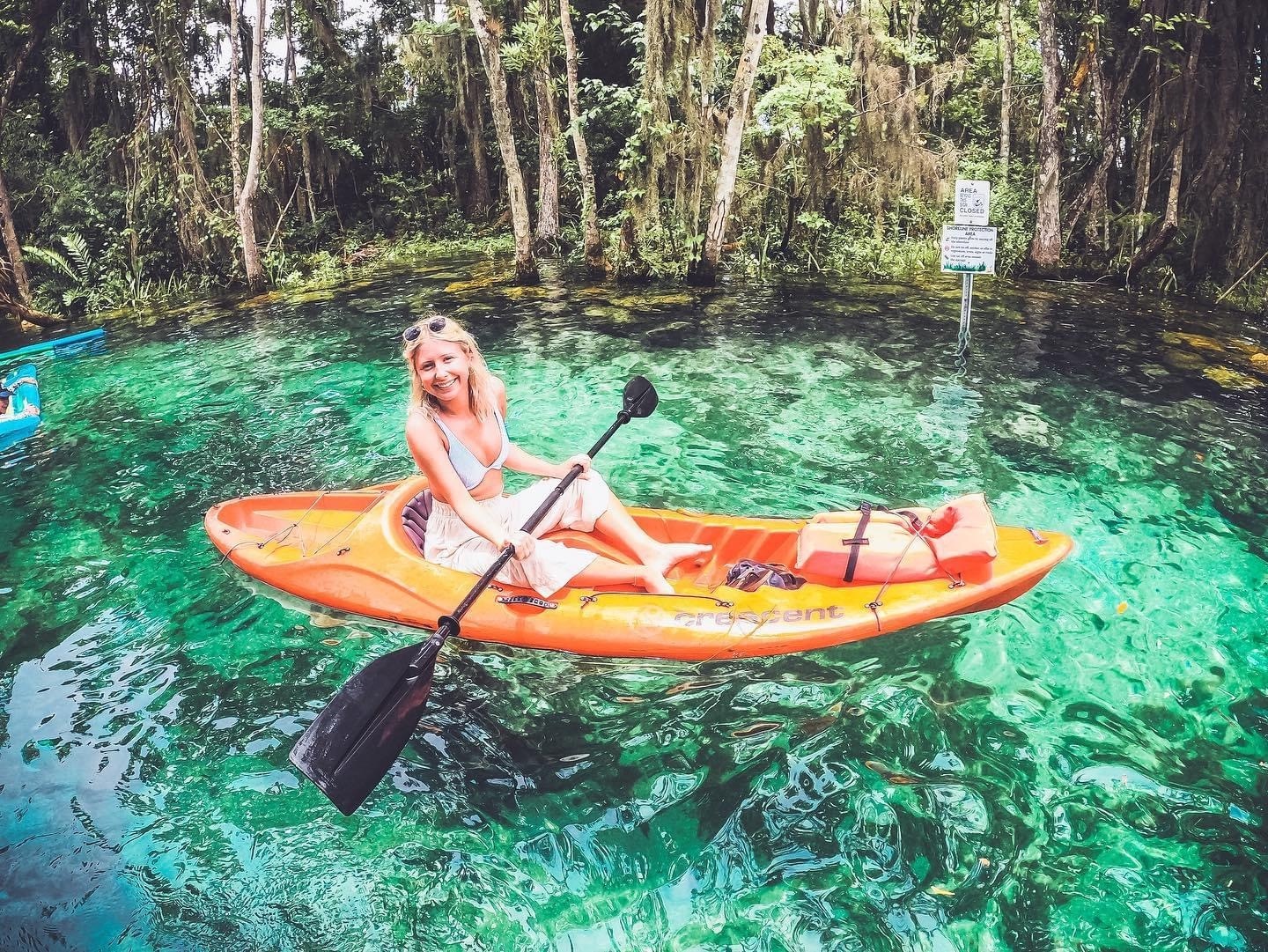 5
5Snorkel
Cedar Key’s shallow, warm waters and sheltered flats create an approachable, intimate snorkeling experience unlike Florida’s offshore reef dives. Here you’ll float above seagrass meadows, thread around oyster bars busy with life, and peek into quiet channels where rays, juvenile fish, and turtles forage. This guide focuses on snorkeling options—shore-access, kayak-assisted, and short boat runs—plus seasonal rhythms, safety, and how to read tides and weather for the best visibility.
Explore snorkel → 6
6Boat Rental
Cedar Key is a low-key Gulf Coast town built for shallow-water wandering. Boat rentals here are not about high-speed wakes or big-game bluewater runs—they're about skimming quiet flats, threading tidal creeks, and island-hopping to shell-strewn beaches and bird-filled rookery islets. Rentals run the gamut from single kayaks and stand-up paddleboards to shallow-draft skiffs and small pontoons, making this a friendly launch point for families, anglers, birders, and anyone seeking a close look at Florida’s salt-marsh ecology.
Explore boat rental →7Wildlife
A slender string of islands, tidal flats and maritime forests on Florida’s Big Bend, Cedar Key is where salt, sky, and bird song conspire to make wildlife the town’s true north. This guide catalogs the best ways to encounter shorebirds, wading birds, dolphins, manatees and the subtle drama of tidal flats—by kayak, boat, or shoreline stroll—while offering pragmatic planning advice for timing, terrain, and responsible viewing.
Explore wildlife →8Eco Tour
Cedar Key's grid of tidal creeks, seagrass flats, and low-lying islands is a living classroom — one best explored slowly. Eco tours here emphasize close-up encounters: wading among oyster bars with an interpreter, gliding a kayak past gleaning shorebirds at dawn, or drifting with a naturalist to watch dolphins thread channels between mangrove islands. These experiences fold natural history, conservation context, and local culture into outings that are accessible to curious travelers and richly rewarding for seasoned naturalists.
Explore eco tour → 9
9Scuba
Cedar Key’s shallow Gulf waters hold a subtler kind of underwater drama: sprawling seagrass meadows, oyster-lined flats, and small wrecks that attract a quietly resilient community of fish, crustaceans, and curious divers. For those who favor intimate encounters over dramatic drop-offs, Cedar Key offers approachable, year-round diving suited to beginners and technical divers seeking macro life, calm conditions, and a strong local stewardship ethic.
Explore scuba →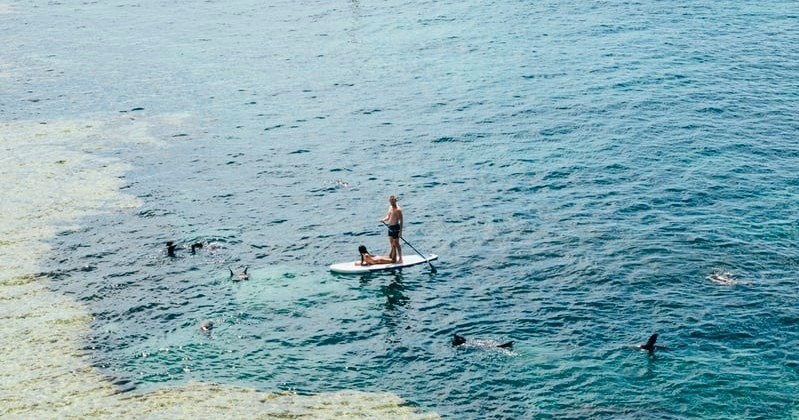 10
10SUP
Cedar Key compresses the Gulf Coast into a low, luminous landscape of tidal creeks, oyster bars, and sleepy barrier islands—perfect terrain for stand-up paddleboarding. Expect long, glassy flats for confident beginners, narrow winding channels threaded through mangroves for exploratory paddling, and exposed points where steady Gulf breezes test edging and downwind technique. This guide focuses solely on SUP: where to launch, when the water is most forgiving, how to read tides and wind here, and which complementary adventures—birding, fishing, island camping—pair naturally with a day on the board.
Explore sup →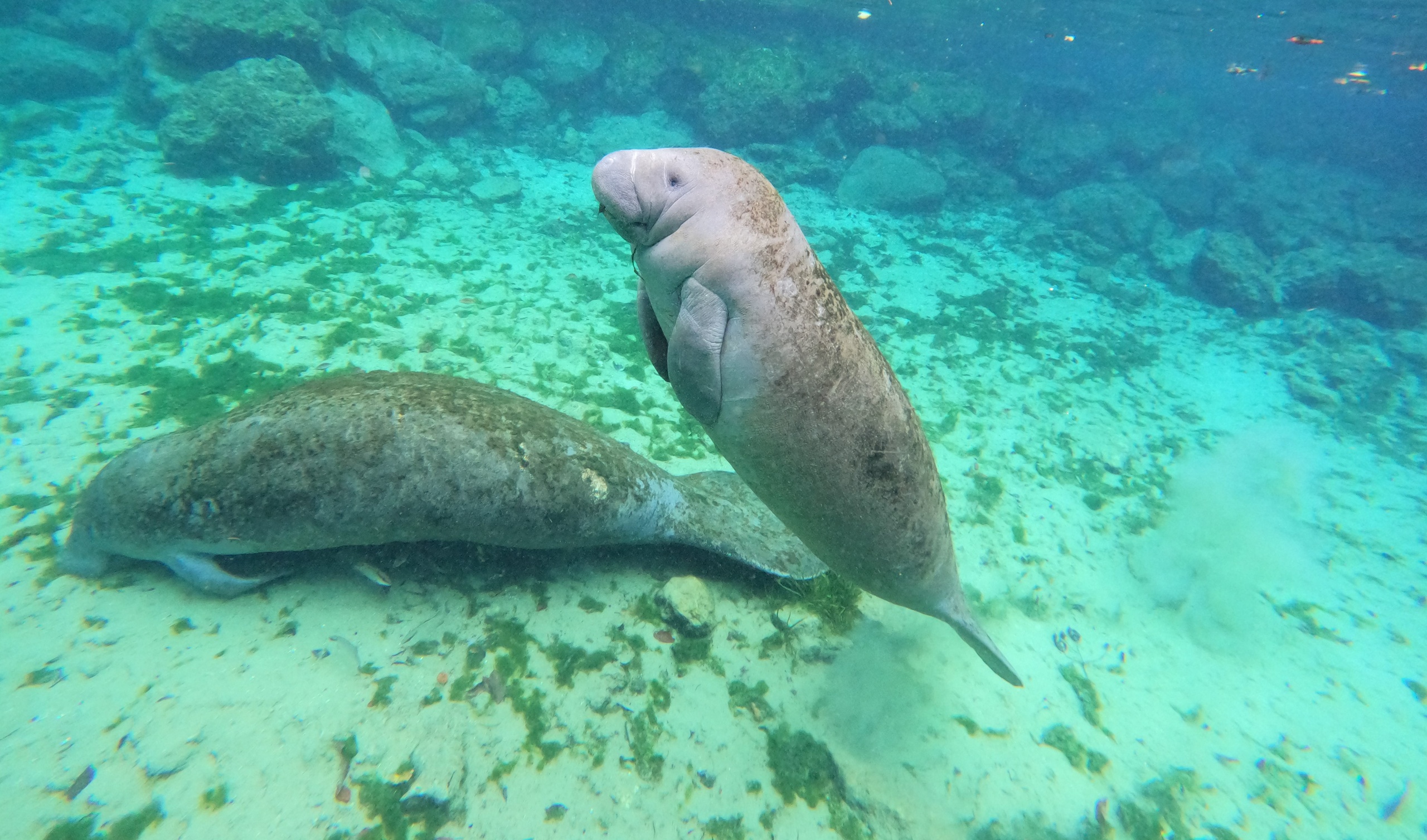 11
11Dolphin
Cedar Key's shallow Gulf waters, intertidal flats, and labyrinth of tidal creeks create an intimate stage for bottlenose dolphins. From quiet kayak trips that bring you close to bow-riding families to small-group boat outings that thread between oyster bars and bird rookeries, dolphin watching here feels both personal and wild. This guide focuses on dolphin-centered experiences—how to find them, how to approach them responsibly, and how to layer your trip with shelling, birding, and local seafood culture for a full Cedar Key coastal adventure.
Explore dolphin → 12
12Canoe
Cedar Key is a shallow-water canoeist’s dream: a coastline of soft mudflats, fingered islands, and seagrass meadows where tides sculpt the route and wildlife claims the quiet. Short paddles between keys turn into full-day explorations when wind and tide align—dolphins slip the channels, wading birds drift across the flats, and the sky opens in unobstructed coastal light. This guide focuses on canoe-specific experience around Cedar Key—how to read tides, where to find sheltered lanes, what seasons serve up the best wildlife viewing, and how to plan paddles from calm estuaries to exposed barrier edges.
Explore canoe → 13
13City Tour
Cedar Key is a slow-simmered coastal town where salt, seabirds, and history shape a walking tour as much as any curated route. City tours here are small, tactile experiences: boardwalk strollers, seafood-focused culinary walks, birding-focused wanderings, and mixed-mode half-day sorties that combine bike, boat, and foot. Expect low buildings, big sky, and a pace that invites attention—perfect for travelers who want a city tour that feels like a long conversation with place rather than a checklist.
Explore city tour → 14
14Sightseeing Tour
Low-slung islands, pastel sunsets, and a rhythm measured in tides—not traffic—define sightseeing in Cedar Key. Here, the best tours are intimate: guided skiffs that thread mangrove labyrinths, narrated birding cruises that follow migrating flocks, and gentle walking loops through a compact historic town. This guide focuses on the tours that reveal Cedar Key's ecological nuance and cultural backstory: where seafood and shell middens meet salt flats and osprey nests, and where a single morning can pair dolphin sightings with century-old storefronts.
Explore sightseeing tour → 15
15Aquarium
Cedar Key’s aquarium experiences are intimate, tactile windows into a fragile Gulf ecosystem. In a town where working docks and low-slung marshes meet a weathered seafaring culture, aquaria and marine education centers amplify the rhythms of tides, the architecture of seagrass beds, and the surprising diversity packed into shallow coastal water. Expect small exhibits, hands-on touch tanks, interpreters who know the names of local shorebirds and shellfish, and a strong conservation ethic woven into every visit. These experiences pair naturally with outdoor activities—paddle a kayak through eelgrass for a live field lesson, time a low‑tide walk with a touch‑tank demonstration, or plan an early morning birding loop then duck into a marine lab to learn what the birds eat. This guide focuses on the practical—what the aquaria offer, how to time your visit, accessibility and terrain notes, seasonality, and sensible packing—so you come prepared to learn, touch, and leave with a clearer sense of why Cedar Key’s coastline matters.
Explore aquarium →The city and the sea
Why Cedar Key Belongs on Your Adventure Shortlist
Variety without surrendering the day to long transfers.
Cedar Key arrives softly: a low horizon, a scattering of docks, and the persistent soundtrack of gulls, shrimp boats, and distant motor hum. There’s no one signature summit here—no mountain to conquer or alpine ridge to traverse—but what the place lacks in vertical drama it makes up for in intimate waterways and an old-Florida pace that privileges the kinds of small, perfect adventures that travel-planning apps forget to measure. The town grew where the tides and the railway met, a history that left wharves, weathered clapboard, and a culture of working watermen. Today, that living connection to the sea is your trailhead. From the same slip you can book a narrated boat tour that sketches the coastline and islands, rent a skiff to chase redfish, shove off by kayak into a mangrove-lined creek, or sign up for an eco tour that deciphers the estuary’s food web. Early mornings are for anglers and SUP devotees who reward the glassy water with wakes and the occasional leaping dolphin; afternoons tilt toward snorkeling and short scuba drops when visibility and tide permit, and evenings are for low-slung sunsets and waterfront fish dinners that taste like the place they came from. The best trips here are flexible: trade a long hike for a long tide chart, balance one guided wildlife cruise with an afternoon of independent boat rental, or plan a day of city-tour browsing through galleries and natural-history exhibits between floating sessions. Cedar Key’s ecosystem—salt marshes, oyster bars, and shallow flats—teems with birds and marine life, so quiet, respectful travel yields the richest encounters. Practically, the town is a small basecamp: outfitters handle gear, launches, and guided drift trips; short ferry runs and shallow-draft skiffs make islands accessible; and the calendar tilts with migration and spawning cycles. That means the most rewarding itineraries are simple to build: match the tide and the weather to your chosen activity—fishing, kayaking, birding, or snorkeling—pack for sun and sudden showers, and leave extra time for the serendipity that defines Cedar Key: a sandbar picnic, an impromptu dolphin sighting from the pier, an afternoon nap to the sound of wind in the marsh grass. In short, Cedar Key is a place to slow down into the details—tidal flows, feathered flocks, and salt-sweet air—and to plan practical, repeatable outings that reward your attention with distinct, local memories.
Access is refreshingly straightforward: small marinas and outfitters in town provide boat rentals, guided fishing charters, and kayak shuttles, which means you can pair a morning cast for redfish with an afternoon eco tour or snorkeling session. Seasonal variations—bird migration and summer spawning—change the tenor of the day and are worth checking with local outfitters before you commit.
Cedar Key’s human scale is an asset. You can time tide charts and lunch reservations without a long drive between adventures. The town’s galleries, museum, and community calendar round out the water-driven itinerary, giving you quiet cultural stops to buffer a full day on the bay.
Conditions shape the day
The best time to visit Cedar Key.
Spring and fall offer mild temperatures, calm seas, and productive birding; summers are warm and best for snorkeling and long days on the water but can bring afternoon thunderstorms; winter is mild and quieter, with good clarity for cold-front dives and fishing.
Best all-around window
Spring + fall
Comfortable mixed-itinerary weather, thinner crowds at beaches and lookouts, and more room to improvise.
Beach season
Spring (migratory birding) and summer weekends—book guided tours and rentals ahead.
Surf + whales
Late fall and winter weekdays offer quieter marinas, discounted charters, and excellent birding with fewer crowds.
Coast to inland
Cool marine mornings often give way to warmer inland afternoons and breezy evenings.
Beginner
Short, low-exposure outings that rely on calm weather and basic instruction—good for families and new paddlers.
- Half-day guided boat tour of the islands
- Intro kayak on protected backwaters
- SUP on a calm morning near the dock
Intermediate
Longer paddles, guided fishing trips, and eco tours that require comfort with tides and basic navigation.
- Guided inshore fishing charter
- Full-day kayak loop through mangrove channels
- Stand-up paddle to nearby sandbars at low tide
Advanced
Offshore trips, technical shallow-water snorkeling/scuba, and multi-leg boat itineraries demanding strong boating or diving skills.
- Chartered offshore fishing or scalloping outings (seasonal)
- Scuba dives coordinated with a local operator and boat support
- Independent shallow-water navigation along tidal flats at varying currents
Field kit
What to bring.
Pack for sun, salt water, walking, and a meaningful temperature swing between coast and inland Cedar.
Essential
Start here
- Light, quick-dry layers and a wind/sun shell
- Waterproof daypack or dry bag for cameras and phone
- Robust sun protection: wide-brim hat, polarized sunglasses, SPF 30+
- Water and snacks—on-island services are limited and often cash-friendly
- Tide chart or app and a basic navigation plan if you’re renting a boat or paddling
Water days
Keep it dry
- Water shoes for shallow flats and oyster-strewn shorelines
- Binoculars for shorebird and wading-bird spotting
- Compact reef-safe sunscreen and a small first-aid kit
- Phone with offline maps and a portable battery
Long days
Stay flexible
- Snorkel mask and reef booties for shallow-site exploring
- Underwater camera or action cam with float leash
- Light packable rain jacket for sudden coastal showers
Insider note
Start early, then keep the geography tight.
Book boat rentals and guided fishing or eco tours in advance during spring and holiday weekends. Plan water time for early morning or late afternoon to avoid midday heat and to time with favorable tides. Respect shellfish beds and marked conservation areas—local fisheries and refuges are protected and changeable. Bring hard-soled shoes for oyster-strewn shorelines, and carry cash for small-town seafood shacks and marina services. If you want quieter waters, aim for weekdays in shoulder seasons; if you want to see the most birds, coordinate visits with spring and fall migration windows. Finally, slow down: Cedar Key rewards patience—some of the best wildlife and light come when you stop to listen and watch rather than cross the map aggressively.
Good to know
Frequently asked questions.
Can you do these activities without a guide?
Yes—many walks, SUP and kayak outings, and sightseeing tours can be self-guided if you have basic navigation skills. For offshore fishing, complex tide work, scuba, or unfamiliar waterways, a guide or charter is recommended.
Are there safe spots for snorkeling and scuba?
Shallow snorkeling over shell beds and nearshore grass flats is common; scuba opportunities depend on local visibility and depth—check with certified local dive operators for conditions, permits, and tide timing.
How important are tides for planning?
Very. Many flats, channels, and oyster beds change dramatically with the tide; outfitters and locals plan launches and fishing around the tide so check charts before you go.
Ready when you are
Find the trip that fits your Cedar Key day.
Compare bookable experiences across the coast, city, and mountains—then save the ones that belong in your plan.
Explore all Cedar Key adventures ↗