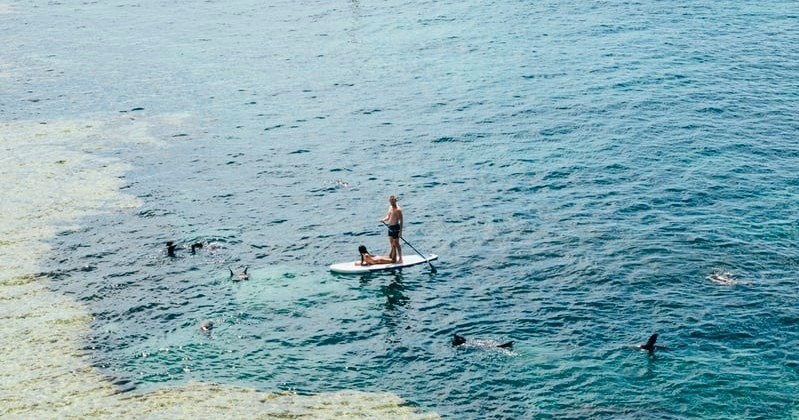
Standout SUP Adventures in Cedar Key, Florida
Cedar Key compresses the Gulf Coast into a low, luminous landscape of tidal creeks, oyster bars, and sleepy barrier islands—perfect terrain for stand-up paddleboarding. Expect long, glassy flats for confident beginners, narrow winding channels threaded through mangroves for exploratory paddling, and exposed points where steady Gulf breezes test edging and downwind technique. This guide focuses solely on SUP: where to launch, when the water is most forgiving, how to read tides and wind here, and which complementary adventures—birding, fishing, island camping—pair naturally with a day on the board.
Top SUP Trips in Cedar Key
12 trips • Book with confidence • Instant confirmation
Why Cedar Key Is a Standout SUP Destination
Cedar Key feels like a place designed for a paddle: low horizons, slow tides, and a scattering of tiny islands that suggest endless micro-adventures. Here, SUP is less about brute athleticism and more about reading subtle water, tuning into birdlife, and tracing the coastline where sand, shell, and seagrass meet. The town itself is a string of wooden docks, weathered clapboard, and fishing boats, but the real draw is the fragile, flat landscape of flats and channels that stretches in all directions. On any calm morning you can launch from a public ramp, skirt oyster reefs, ghost past mangrove fingers, and find yourself on a sandbar so quiet you can hear the wind washing shells. That intimacy is the “why” of SUP at Cedar Key: it’s a place that rewards slow, focused movement, where wildlife encounters feel immediate—herons and egrets stalking the shallows, roseate spoonbills in season, and the occasional manatee cruising over seagrass meadows.
Practically, Cedar Key’s geography makes it beginner-friendly but endlessly varied. There are protected backwater routes that act as natural classrooms for balance and steering, and there are exposed points along the Gulf where wind and current become manageable training grounds for edging, trim, and downwind runs. The tidal flats mean you’ll often be paddling in ankle- to waist-deep water that glows turquoise in sunlit afternoons; that shallow profile is forgiving but also demands attention to tides and route choice. The cultural side of Cedar Key—the fishing docks, small seafood clam shacks, and slow-town vibe—adds to the experience. Paddlers can pair a morning on the board with local clam chowder, an afternoon of fly-fishing, or an island picnic on a sandbar. For photographers and naturalists, the light is mercilessly beautiful: low-angled sun, long reflections across flats, and wide skies full of migrating birds. Whether you come to refine technique, seek wildlife, or simply drift with the current, SUP in Cedar Key is about small, resonant moments and the practical knowledge that lets you find them safely.
Cedar Key’s sheltered backcountry is ideal for early learners and paddlers who prefer flat-water tours; local outfitters can link you to guided loops that emphasize safety, bird ID, and route-reading.
Wind and the open Gulf create playgrounds for more advanced paddlers—downwind runs and exposed point-to-point routes test board control and surf skills on the right days.
Tides shape everything: many sandbars and launch options change dramatically between low and high, so planning with a tide chart makes the difference between a relaxed day and a long carry.
Best Time to Visit
Best Months
Weather Notes
Spring and fall combine moderate temperatures, calmer Gulf conditions, and abundant wildlife. Summer brings higher humidity, afternoon thunderstorms, and stronger sea breezes; winters are generally mild but can feature cold fronts and brisk north winds.
Peak Season
Late spring and early fall draw the most paddlers and birders; plan for limited rental availability and busy ramps on weekends.
Off-Season Opportunities
Winter weekdays offer solitude on flat-water routes; watch for cold fronts that can produce choppy water and strong north winds.
Frequently Asked Questions
Do I need a permit to paddle in Cedar Key waters?
Most inshore paddling routes do not require a permit. Specific activities like commercial guides, organized races, or overnight camping on some state-managed islands may have regulations—check local authorities or outfitters before organizing events.
Are there places to rent SUP gear and get guided tours?
Yes. Local outfitters offer rentals, guided flats tours, and instruction tailored to tides and wind. Reservations are recommended in peak months.
How important are tides and wind for planning a SUP day here?
Very important. Tides determine which sandbars and channels are accessible and affect current strength in passes. Wind can transform calm flats into challenging conditions quickly—check both tide tables and wind forecasts before launching.
Is wildlife a concern—manatees, sharks, or nesting birds?
Wildlife encounters are a feature, not a threat: maintain respectful distance from manatees and nesting birds, avoid disturbing nesting sites, and follow local guidelines. Sharks are occasionally present nearshore but are not a typical hazard for paddlers in shallow flats.
Choose Your Experience Level
Beginner
Protected tidal creeks, wide shallow flats, and short guided loops make an ideal classroom for balance, basic stroke mechanics, and shallow-water navigation.
- Morning flats loop from downtown launch
- Mangrove channel skills session
- Sandbar picnic and shallow-water practice
Intermediate
Longer point-to-point paddles, exposed island hops, and variable wind conditions offer opportunities to build endurance, edging, and route planning skills.
- Island-hopping to Low-Key Isle and surrounding sandbars
- Downwind runs when Gulf breeze is moderate
- Combined SUP + snorkeling over seagrass meadows
Advanced
Open-Gulf crossings on steady days, longer downwind sessions, and technical tidal runs through narrow passes test board control, surf skills, and navigation under changing conditions.
- Extended coastal run with prevailing wind
- Tidal-pass timing and current management training
- Multi-day SUP camping and logistics
Insider Tips & Local Knowledge
Check tides, respect wildlife closures, and keep an eye on wind forecasts. Local knowledge transforms a good day into a great one.
Launch at first light for glassy water and active wildlife; mid-morning sea breezes tend to pick up and can make return trips harder. Use tide charts to plan sandbar stops and avoid long carries at low tide. When paddling near oyster bars and mangroves, keep momentum and avoid sharp turns that could push you into shallow, shell-strewn ground. If you’re new, book a guided tour—local guides know the current patterns and hidden channels. Pack a simple checklist: PFD, leash, sun protection, phone in a dry bag, and a printed tide chart. Finally, pair a SUP day with local experiences—fresh seafood, a bike ride on quiet county roads, or a sunset from a sandbar—and you’ll leave Cedar Key with more stories than miles paddled.
What to Bring
Essential
- USCG-approved PFD (personal flotation device)
- Board leash rated for open-water or tidal use
- Waterproof phone/ID case and a charged mobile phone
- Sun protection: hat, SPF-rated clothing, sunglasses with retainer
- Hydration and simple snacks
Recommended
- Light dry bag for layers and camera
- Tide and wind app (or printed tide chart) and local launch map
- Lightweight reef shoes for sandbar walking and rocky launches
- Whistle and basic first-aid kit
Optional
- Binoculars for birding
- Inflatable or epoxy board with cargo straps for overnight island camping
- Small anchor or stake for beach-side picnics
- Fishing gear for inshore flats angling
Ready for Your SUP Adventure?
Browse 12 verified trips in Cedar Key with instant booking
Explore Top 15 Cedar Key, Florida Adventures →