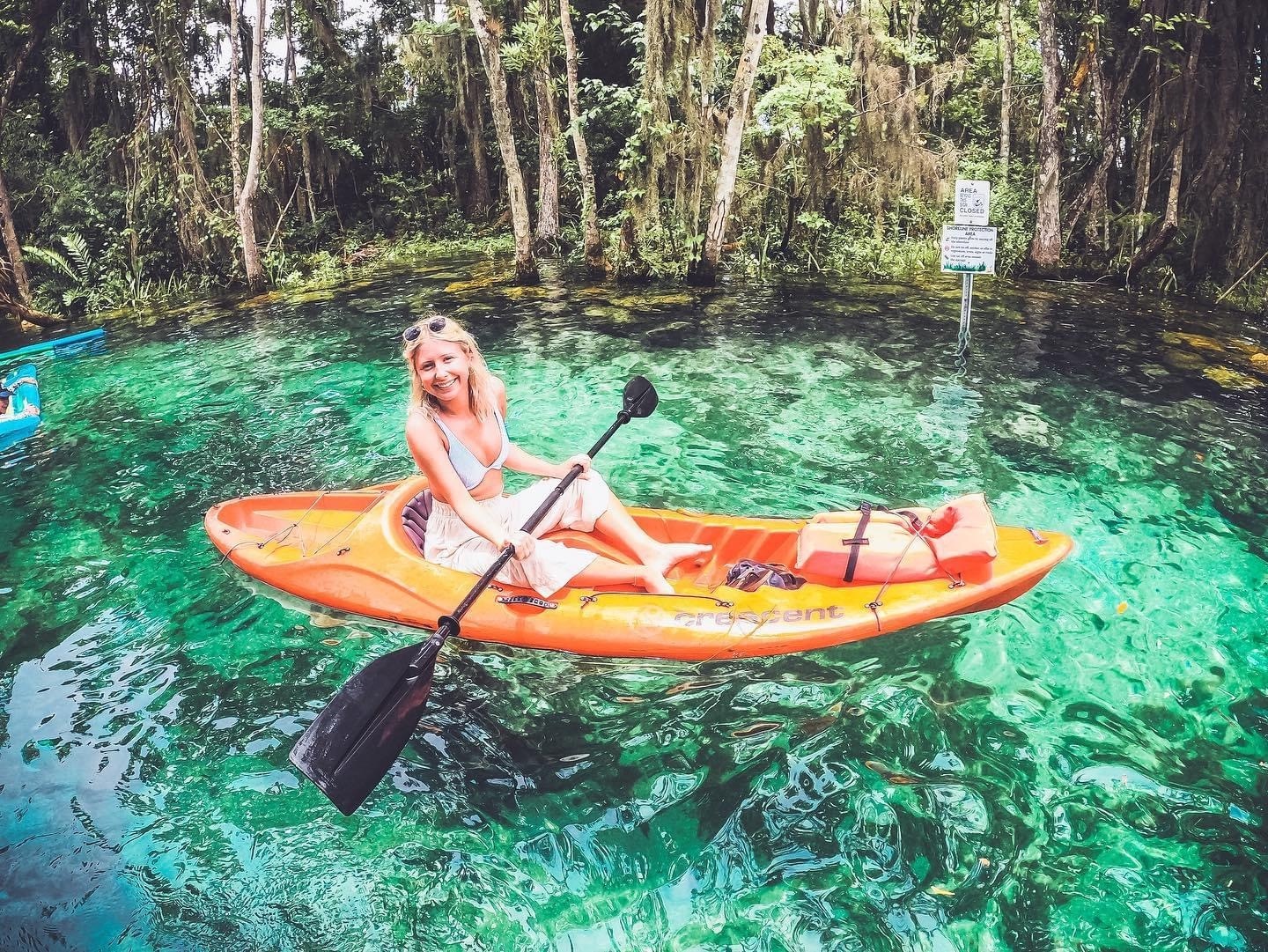
Snorkel Cedar Key, Florida
Cedar Key’s shallow, warm waters and sheltered flats create an approachable, intimate snorkeling experience unlike Florida’s offshore reef dives. Here you’ll float above seagrass meadows, thread around oyster bars busy with life, and peek into quiet channels where rays, juvenile fish, and turtles forage. This guide focuses on snorkeling options—shore-access, kayak-assisted, and short boat runs—plus seasonal rhythms, safety, and how to read tides and weather for the best visibility.
Top Snorkel Trips in Cedar Key
37 trips • Book with confidence • Instant confirmation
Why Cedar Key Is a Standout Snorkeling Destination
Cedar Key is not about dramatic drop-offs, towering coral gardens, or blue-water pelagic encounters. It’s a place where the Gulf of Mexico slows to an intimate pace and the world under a thin ribbon of surface becomes legible—the slow shuffle of a ray through seagrass, the glassy silhouette of a turtle, schools of baitfish blinking like string lights in the shallows. The islands sit on a mosaic of flats and channels that warm quickly in spring and stay mild into autumn; visibility is often best on calm, low-wind days when tannins settle and the sun heats the shallow bottom. That combination makes Cedar Key ideal for travelers who want accessible, family-friendly snorkeling that rewards patient observation rather than adrenaline.
The cultural setting enhances the experience. Cedar Key’s working waterfront, old Florida town center, and tidy marinas mean you can pair a morning of snorkeling with an oysters-and-late-afternoon fisheries conversation at a local eatery. The historical rhythm of the place—saltworks, netting, and small-boat fisheries—remains visible. The marine life you see ties directly to those traditions: seagrass supports mullet and pinfish that feed local birds and anglers, while oyster bars act as living breakwaters and nurseries. Snorkeling here is as much about reading an ecosystem as it is about spotting fish.
Practically, Cedar Key offers a spectrum of ways to get wet. Shore access near low-traffic beaches and parks suits beginners and kids; kayak or SUP launches let you reach nearby bars and channels without needing a motorboat; charter skiffs run short trips to deeper pockets where stone bottom and scattered hard substrate concentrate life. Because most routes are shallow and close to shore, trips are short, logistics simple, and the threshold for entry low—no scuba certification, minimal boat time, and a high payoff for minimal gear. That accessibility also means the place can be busy in fair weather, and conditions are tidal and wind-dependent: a quiet morning can be transformed by an afternoon blow or incoming tide.
If you’re imagining dramatic reef pictures, Cedar Key will reframe that expectation into something quieter and closer. The prize here is nuance: the color palette of seagrass, the choreography of small communities of fish, the way a juvenile goliath grouper or a loggerhead silhouette suddenly appears in a channel. Snorkeling in Cedar Key is an invitation to slow observation, to pair a simple skill set with curiosity, and to leave with a clearer sense of how coastal Gulf ecosystems function and why they matter.
The shallow geometry and extensive seagrass beds create habitats that favor juvenile fish, rays, turtles, and invertebrates. Expect to spend more time watching behavior than searching for rare species.
Tides and wind have an outsized effect—choose low-wind mornings and check tide tables. Visibility can improve dramatically on an incoming or slack tide, depending on the site.
Cedar Key pairs well with other low-impact water activities: kayak tours, birding on the marsh edge, and guided eco-cruises that provide context for the species you’ll see underwater.
Best Time to Visit
Best Months
Weather Notes
Late spring through early fall offers warm water and comfortable surface temperatures. Summer brings afternoon thunderstorms and higher humidity; hurricane-season vigilance (June–November) is advised. Fall can produce excellent water clarity after stable high-pressure periods.
Peak Season
Summer months (June–August) are busiest for water activities and town tourism.
Off-Season Opportunities
Winter and early spring bring quieter beaches, easier parking, and pleasant birding—water is cooler but snorkeling is still possible on warm, calm days.
Frequently Asked Questions
Do I need a permit to snorkel in public waters around Cedar Key?
No general permit is required to snorkel from public beaches or launch from public boat ramps. Special regulations may apply for collecting marine life or visiting protected reserves—check local rules before collecting or disturbing wildlife.
Are there boat charters or guided snorkel trips?
Yes. Local outfitters offer short skiff trips, guided paddle-sport snorkels, and eco-tours that combine wildlife interpretation with snorkeling access. Book ahead in summer.
What hazards should snorkelers know about?
Pay attention to currents in channels, stingrays buried in sand, and occasional jellyfish. Shallow flats can have sharp oyster shell and hard bottom; wear water shoes and move slowly.
Is the water warm enough year-round?
Water temperatures stay milder than northern climates but cool in winter. Most snorkelers prefer spring through fall; a thin wetsuit or neoprene top helps in colder months.
Choose Your Experience Level
Beginner
Protected shore entries and shallow flats with minimal boat time. Good visibility days allow comfortable surface swims over seagrass for wildlife viewing.
- Shallow grass-flat snorkel near low-traffic beach
- Kayak-assisted half-day to an oyster bar within paddling distance
- Guided shore-based snorkel with an instructor
Intermediate
Longer paddles or short skiff runs to channels and mixed bottoms; requires comfortable finning and basic tide-reading skills.
- Kayak or SUP to nearby channels and sandbars
- Charter skiff to nearshore hard-bottom pockets
- Tide-timed snorkel focusing on ray and turtle foraging areas
Advanced
Open-water swims or drift snorkels in changing currents, deeper nearshore pockets, or multi-site boat days requiring strong boat/sea confidence.
- Guided drift snorkel through a tidal channel
- Long boat-assisted runs to offshore hard substrate
- Multi-site day combining snorkeling with fishing or diving
Insider Tips & Local Knowledge
Tides, wind, and local shellfish beds dictate the best days for snorkeling—check all three before you go.
Aim for calm mornings on a mid-to-high tide when channels are accessible and the surface is glassy. Ask local outfitters or bait shops about recent visibility and where osprey and gulls are working—their feeding often pins down active bait and, by extension, good snorkeling pockets. Respect private docks and shellfish leases; many productive areas sit near working oyster bars. If paddling, bring a flag or float for visibility and tuck fins into a carry bag when walking over oyster-strewn shorelines. Finally, practice passive observation: move slowly over seagrass, keep your fins raised to avoid churning sediments, and never chase or harass turtles, rays, or fish. A quiet approach yields better sightings and keeps the ecosystem healthy.
What to Bring
Essential
- Mask and snorkel with a good-fit mask skirt
- Protective reef-safe sunscreen and a sun shirt (UPF-rated)
- Neoprene or thin wetsuit/rashguard if you run cold or in early spring/late fall
- Water shoes or fins appropriate for shallow, grassy bottoms
- Towel, fresh water, and a dry bag for electronics
Recommended
- Snorkel vest or flotation device for less confident swimmers
- Surface signaling device (whistle and brightly colored cap or float)
- Small mesh bag for collecting non-living debris
- Waterproof camera or phone case for quick documentation
Optional
- Light glove for moving shells safely (know regulations before handling wildlife)
- Mask defog and spare mask straps
- Binoculars for post-snorkel birdwatching from shore
Ready for Your Snorkel Adventure?
Browse 37 verified trips in Cedar Key with instant booking
Explore Top 15 Cedar Key, Florida Adventures →