3

Top 20 Wildlife Adventures in Cedar Key, Florida

Cedar Key, Florida

A slender string of islands, tidal flats and maritime forests on Florida’s Big Bend, Cedar Key is where salt, sky, and bird song conspire to make wildlife the town’s true north. This guide catalogs the best ways to encounter shorebirds, wading birds, dolphins, manatees and the subtle drama of tidal flats—by kayak, boat, or shoreline stroll—while offering pragmatic planning advice for timing, terrain, and responsible viewing.

20
Activities
Best Spring–Fall
Best Months

Top Wildlife Trips in Cedar Key

20 trips • Book with confidence • Instant confirmation

Why Cedar Key Is a Standout Wildlife Destination

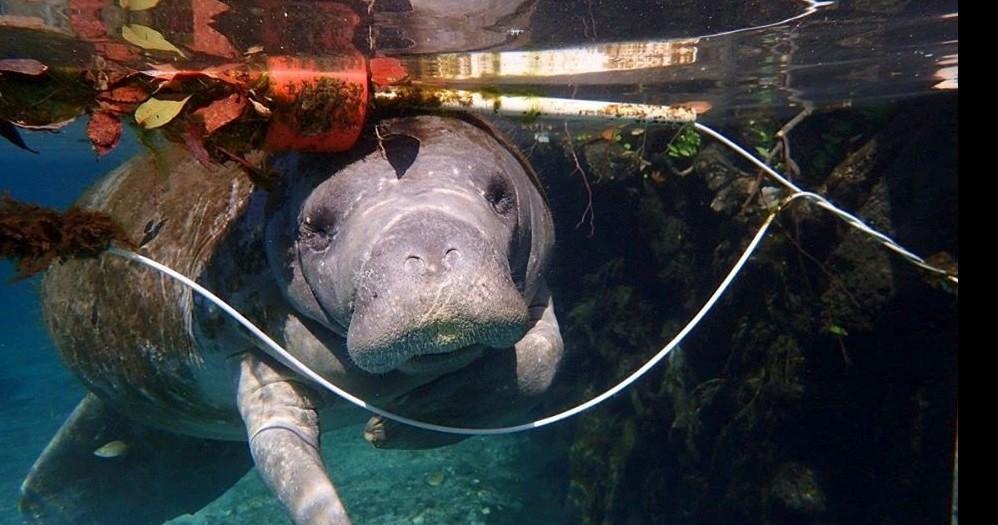
Cedar Key reads like a naturalist’s postcard: low-slung islands stitched by tidal creeks, salt marshes that breathe with the tides, and a sky so open that migrating flocks register like punctuation. The town’s genius for wildlife viewing is simple geography—positioned where the Gulf’s warm waters meet expansive intertidal flats, Cedar Key functions as a feeding station, a nursery, and a migratory pit stop. In spring and fall the sky becomes a conveyor belt of warblers, shorebirds and raptors; in quieter months the flats expose vast foraging grounds where mixed flocks probe for crustaceans and mollusks. Wading birds—egrets, herons, and the stately limpkin—are almost theatrical in their coastal choreography, while terns and skimmers flash as punctuation along the shoreline. Offshore, bottle-nose dolphins often trail fishing boats and bay skiffs, and manatees cruise the shallow channels in search of seagrass beds.

This is a place where the method of approach matters as much as the species list. The best wildlife encounters are intimate: a kayak gliding under mangrove roots to flush out skulking rails, a low-tide walk across the flats where sandpipers feed in tight, vibrating lines, or a dawn skiff trip that places you on the windward side of a rookery. Cedar Key’s human history—saltworks, small-scale fishing, the old railroad’s imprint—has left a delicate cultural overlay. Locals still rely on the sea for livelihood; clammers and shrimpers read the same tides as birders. That culture yields practical advantages for wildlife travelers: experienced guides with small boats, rental outfitters for kayaks, and a network of informal launch points that put you close to birds without trampling sensitive ground.

Conservation is woven into the experience. Many of the best viewing spots are protected as refuges or state-managed properties; at the same time, the Big Bend’s low-lying coasts face chronic threats from sea-level rise, changing salinity, and episodic storms, which underscore the value of low-impact travel. Responsible viewing—staying on marked paths, keeping distance from nesting sites, timing visits to avoid high-disturbance periods—keeps encounters authentic. For photographers and birders alike, patience pays: tidal rhythms and shifting thermals dictate where birds concentrate, and a well-timed outing around a spring tide, sunrise, or an incoming cold front can transform an average day into an unforgettable run of sightings. Cedar Key isn’t about high-altitude spectacles or dramatic mountain trails; it’s a slow, richly textured coastal theater where subtlety and timing reveal a surprisingly diverse cast of wildlife.

Cedar Key’s mosaic of habitats—mudflats, mangroves, maritime hammocks, and open Gulf water—supports species that rely on both land and sea, making short trips productive for varied sightings.

Guided kayak and boat trips concentrate sightings while minimizing disturbance; local outfitters balance access with conservation knowledge.

Tide charts, early starts, and a focus on low-impact methods (kayak, shorewalks, small skiffs) will reliably increase encounter rates.

Activity focus: Wildlife viewing & birding
20 curated wildlife experiences around Cedar Key
Best viewed by kayak, small boat, or shoreline walks
Top species: shorebirds, wading birds, dolphins, manatees, raptors
Tide timing heavily influences sighting quality

Best Time to Visit

Best Months

MarchAprilMaySeptemberOctoberNovember

Weather Notes

Cedar Key has a warm, humid subtropical climate. Spring and fall deliver mild temperatures and peak migratory movement. Summers are hot, humid and prone to afternoon thunderstorms; hurricane season runs June–November and can affect coastal access. Winters are mild and can be excellent for shorebird concentrations on exposed flats.

Peak Season

Spring migration (March–May) and fall migration (September–November) bring the highest birding activity and most guided trips.

Off-Season Opportunities

Winter offers quieter roads and good shorebird and raptor watching on exposed flats; summer is less crowded and ideal for low-light kayaking at dawn and dusk despite heat and afternoon storms.

Frequently Asked Questions

Do I need a permit to visit wildlife refuges or launch a kayak?

Most public refuges and state lands near Cedar Key are open without a general entrance permit, but specific activities (research, commercial operations) may require authorization. Launch sites are often public ramps or private rental access—confirm with local outfitters for launch rules.

Is hiring a guide worth it for wildlife viewing?

Yes—local guides know tidal timing, hidden launch points, and where species concentrate, which increases sightings and reduces disturbance. Guided kayak or skiff trips are especially helpful for photographers and first-time visitors.

Are wildlife tours family-friendly?

Many tours are family-friendly but check age and weight limits for kayaks or small skiffs. Choose morning departures to avoid heat and afternoon storms, and bring life jackets for all participants.

Choose Your Experience Level

Beginner

Accessible shoreline walks, short boardwalks, and guided boat trips that require minimal gear and no technical skills.

  • Shorebird walk at low tide
  • Short guided skiff trip to nearshore rookeries
  • Town pier and marsh-edge birding

Intermediate

Half-day kayak loops, photography-focused skiff trips, and multi-habitat walks that require basic paddling skills and moderate fitness.

  • Morning kayak to mangrove islands
  • Half-day boat charter for dolphin and manatee viewing
  • Tidal flats foraging walk with a naturalist

Advanced

Independent multi-tide expeditions across exposed flats, extended kayak crossings, and photography sessions requiring advanced paddling, tide navigation, and low-impact field craft.

  • Full-day kayak circumnavigation of nearby islands
  • Low-tide exploration of remote mudflats and sandbars
  • Dawn-to-dusk birding and photography around multiple habitats

Insider Tips & Local Knowledge

Respect tides and wildlife: many birds feed in concentrated areas and are easily disturbed.

Plan trips around tide charts—low tides concentrate shorebirds and expose foraging flats; high tides push birds into mangrove roosts and make them easier to photograph from a boat. Sunrise and the two hours after are the most productive for active feeding and quiet wildlife activity. Use small, quiet skiffs or kayaks rather than large boats to minimize disturbance. Talk to local outfitters about recent sightings and sensitive nesting areas; they’ll steer you toward rich viewing zones while advising on access and safety. Finally, pack out what you pack in—plastic and discarded fishing gear are real hazards to wildlife in the flats.

What to Bring

Essential

  • Binoculars (8–10x) and a field guide or bird ID app
  • Sun protection: wide-brim hat, sunscreen, polarized sunglasses
  • Waterproof shoes or sandals for mudflat and shoreline access
  • Reusable water bottle and snacks
  • Light, quick-dry layers and rain shell

Recommended

  • Camera with a telephoto lens or a long-lens adapter
  • Compact spotting scope for distant rookeries
  • Small dry bag for electronics on kayak/boat trips
  • Tide chart or app and a local map of launch points

Optional

  • Wading stick for uneven tidal flats
  • Insect repellent for mangrove and marsh edges
  • Notebook for species lists and field notes

Ready for Your Wildlife Adventure?

Browse 20 verified trips in Cedar Key with instant booking

Explore Top 15 Cedar Key, Florida Adventures →