About this landmark
Majestic Peaks: Lhotse Mountain
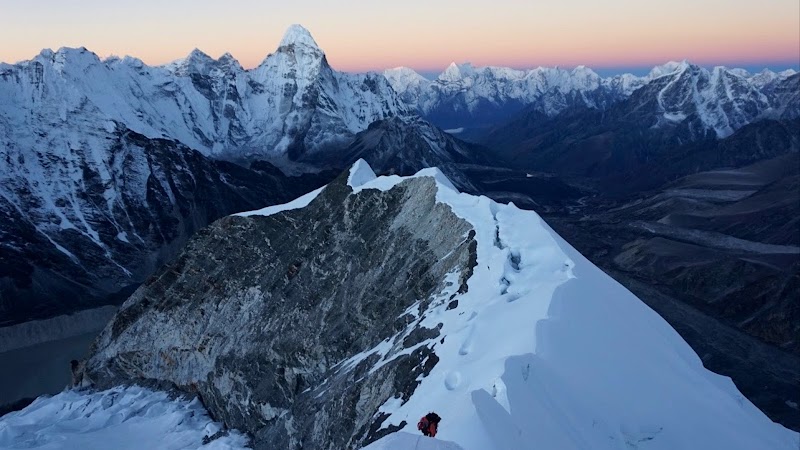
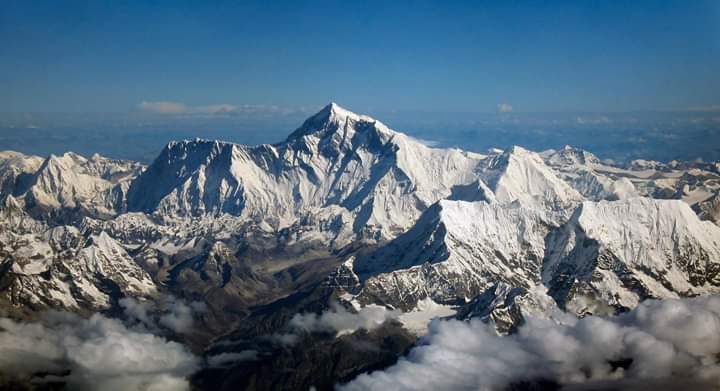
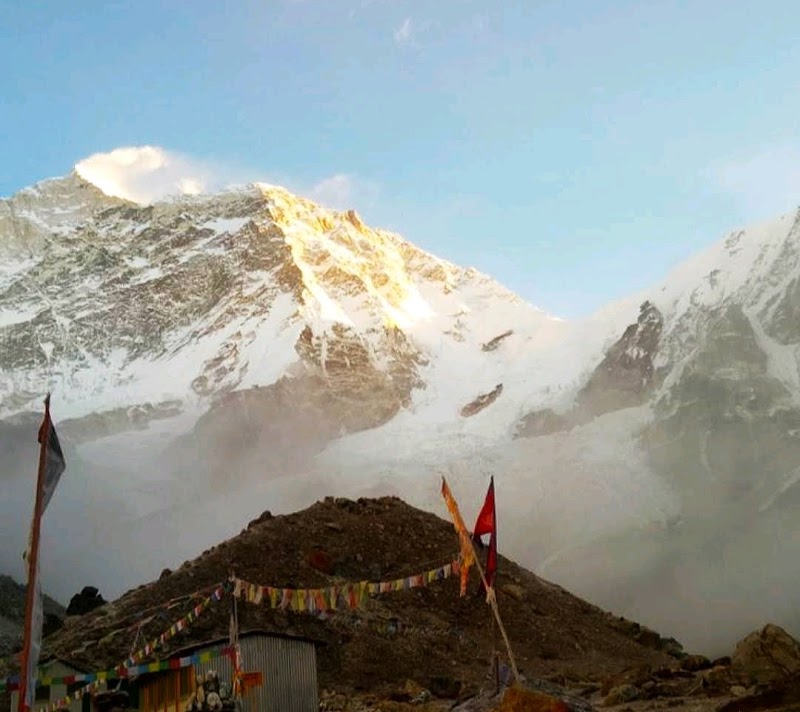
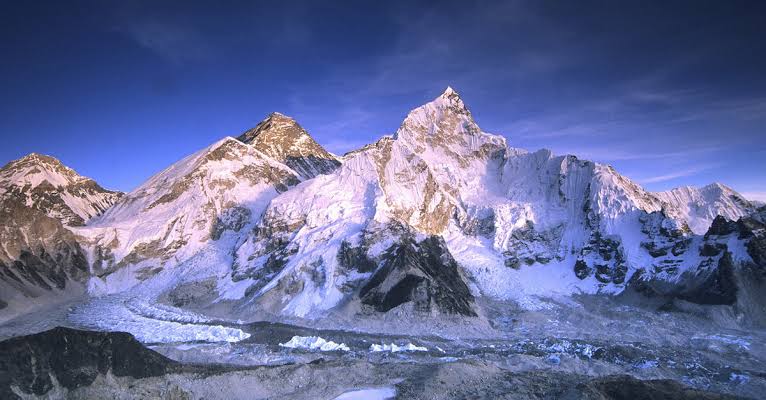
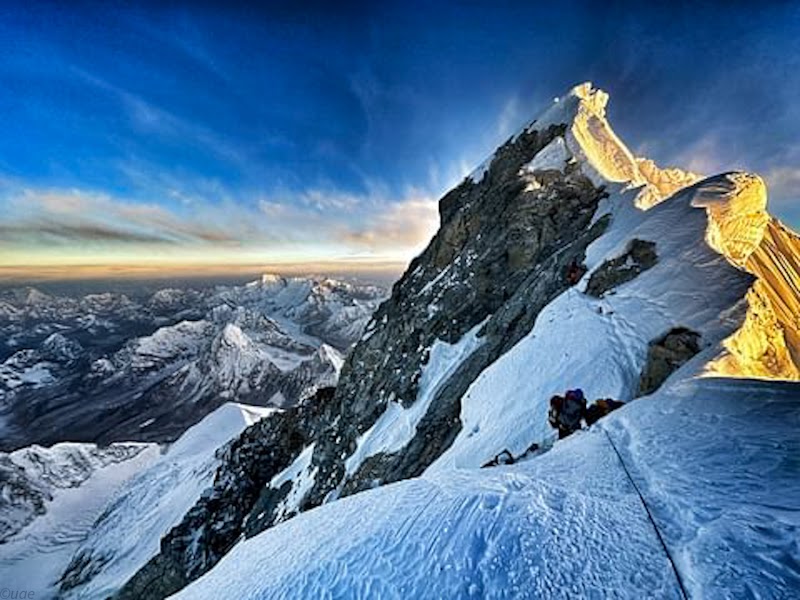
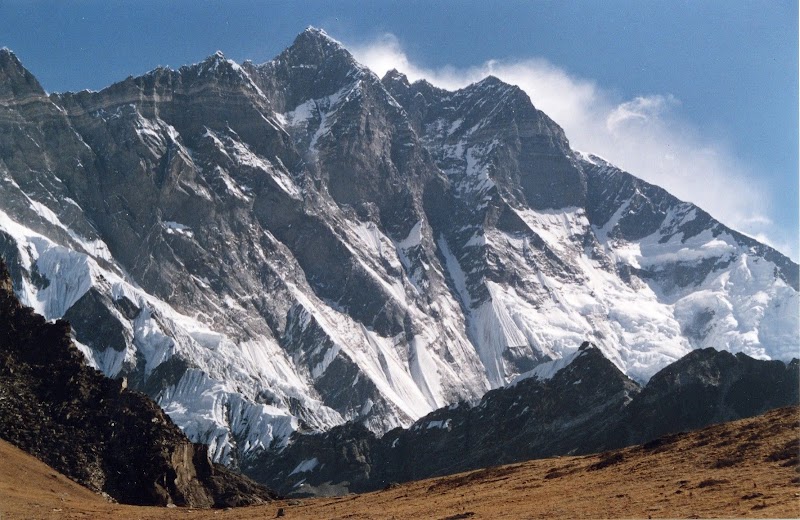
Lhotse proudly stands in the Mahalangur range of the Nepalese Himalayas, mere kilometers away from the world-famous Mount Everest. This imposing peak reaches a triad of summits, with its main peak towering at 8,516 meters, making it the fourth highest mountain on Earth. Lhotse's dramatic ridges and formidable south face offer climbers a riveting challenge, distinguishing it from its lofty neighbor. The mountain's name, translating to 'South Peak' in Tibetan, is a tribute to its companionship with Everest, but it's Lhotse's unique features that make it truly captivating. The South Face, considered one of the most arduous inclines globally, tempts seasoned mountaineers while revealing breathtaking vistas of rock and ice formations. Beyond its physical allure, Lhotse holds cultural significance as part of the majestic backdrop of the Sagarmatha National Park, a UNESCO World Heritage site renowned for its wildlife and Sherpa heritage.
Adventure Guide
Adventure Guide To Lhotse
Lhotse Climbing Expedition
- What makes it special: Lhotse offers climbers an exhilarating mix of technical rock climbing and high-altitude challenge that few mountains provide.
- Key features: The imposing South Face tests skill and endurance, demanding precise navigation and acclimatization techniques.
- Local Insights: Lhotse shares its base camp with Everest, offering unique insights into mountaineering culture.
- Visitor Tips:
- Best times to visit: Optimal climbing seasons are pre-monsoon (April to May) and post-monsoon (late September to October).
- What to bring: High-altitude gear, including insulated clothing, oxygen systems, and technical climbing equipment.
- Directions: Begin with a flight to Lukla, followed by a trek through the Khumbu Valley towards Everest Base Camp, approximately 10-14 days trek.
Treks in the Khumbu Valley
- What makes it special: Trekking in the Khumbu Valley offers sweeping vistas and cultural immersion on the path to Everest Base Camp.
- Key features: Traversing past Sherpa villages, monasteries, and the Sagarmatha National Park.
- Visitor Tips:
- Best times to visit: Spring (March to May) and Autumn (September to November) are ideal for trekking.
- What to bring: Sturdy trekking boots and layered clothing for variable conditions.
Exploring Sagarmatha National Park
- What makes it special: Home to rare wildlife like snow leopards and red pandas, this park is a haven for biodiversity.
- Cultural tips: Respect the local customs and seek guidance from Sherpa guides familiar with the terrain.
- Visitor Tips:
- Best times to visit: Spring and autumn allow for comfortable hiking and wildlife observation.
- What to bring: Binoculars and a camera for wildlife and landscapes.
Visitor Tips
- Best Times:Spring and Fall for favorable conditions and optimal lighting.
- What to Bring:Plenty of water, sun protection, a camera, and respectful Leave-No-Trace mindset.