THE ADVENTURE COLLECTIVE® · Independent discovery and booking for outdoor travel

Walk the historic Jiri-to-Everest route on a 26-day classic trek that moves from alpine forests to the ice-strewn approaches of Everest Base Camp. Expect teahouse nights, high-altitude acclimatization, and Sherpa villages punctuated by monasteries and prayer flags.
Walk the historic Jiri-to-Everest route on a 26-day classic trek that moves from alpine forests to the ice-strewn approaches of Everest Base Camp. Expect teahouse nights, high-altitude acclimatization, and Sherpa villages punctuated by monasteries and prayer flags.
Dusty market stalls in Jiri fold away as the trail rises into rhododendron and pine. At first the path is the work of villagers and pack animals, then it tightens into switchbacks above glacial streams. Prayer flags appear on ridge-lines and the air thins; by the time you peer up at the Khumbu icefalls the landscape has altered from green terraces to scree and blue ice.
Verified experiences and guided adventures in the surrounding area.
Operated by Travel Max Guide · Lukla, Province No. 1
Dusty market stalls in Jiri fold away as the trail rises into rhododendron and pine. At first the path is the work of villagers and pack animals, then it tightens into switchbacks above glacial streams. Prayer flags appear on ridge-lines and the air thins; by the time you peer up at the Khumbu icefalls the landscape has altered from green terraces to scree and blue ice.
The Jiri-to-Everest route is the original overland gateway to Everest used before Lukla’s airstrip existed. Geologically, you cross young Himalayan suture zones—steep valley walls, moraines, and fast-moving rivers that trace the mountain-building forces at work. Culturally, Sherpa villages and Buddhist monasteries punctuate the ascent; mani stones and gompas mark both faith and safe passage.
Practical guidance is straightforward: plan for acclimatization and flexible days to reduce altitude sickness risk—Everest Base Camp sits around 5,364 m. Typical itineraries run about 24–28 days from Kathmandu (this offering lists 26), combining public bus or jeep to Jiri, weeks of teahouse trekking through changing vegetation zones, and a return flight from Lukla to Kathmandu. Expect basic overnight lodgings, full-board local meals on the trail, and the need to carry or hire warm layers for nights above 3,500 m.
Timing matters—spring and autumn bring the clearest views and busiest trails; winter is cold and quieter; summer monsoon routes are green but wet. Carry extra cash, a water-treatment method, and patience—the trail moves at the mountain’s pace.
challenging.
26 days.
Good cardiovascular fitness and stamina for consecutive long days; experience with multiday trekking beneficial
Yes—trekkers require TIMS and Sagarmatha (Everest) National Park permits for the Everest region; these are normally arranged prior to or at the start of your trek.
Everest Base Camp is approximately 5,364 meters (17,598 feet); allow time to acclimatize before reaching this altitude.
Not strictly, but prior multi-day trekking experience and good fitness significantly improve safety and enjoyment; be prepared for sustained uphill days.
Basic teahouses and guesthouses with twin-share rooms and shared bathrooms are typical; facilities become more basic the higher you go.
Jiri served as the traditional overland gateway to Everest for early mountaineers before Lukla’s airstrip opened in the 1960s; the route still preserves older village-to-village connections.
Visitors should follow Leave No Trace practices; increasing trekking traffic stresses local water and waste systems—use managed teahouses and carry out non-biodegradable trash.
Travel Max Guide operates guided outdoor trips and adventures with an emphasis on safety, stewardship, and memorable experiences.
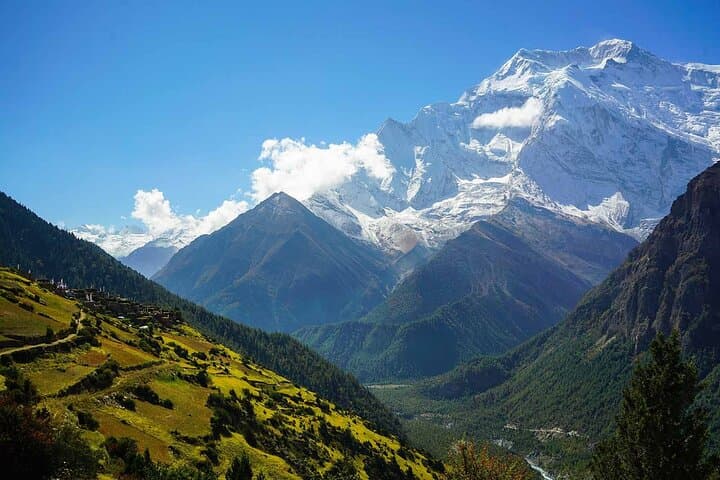
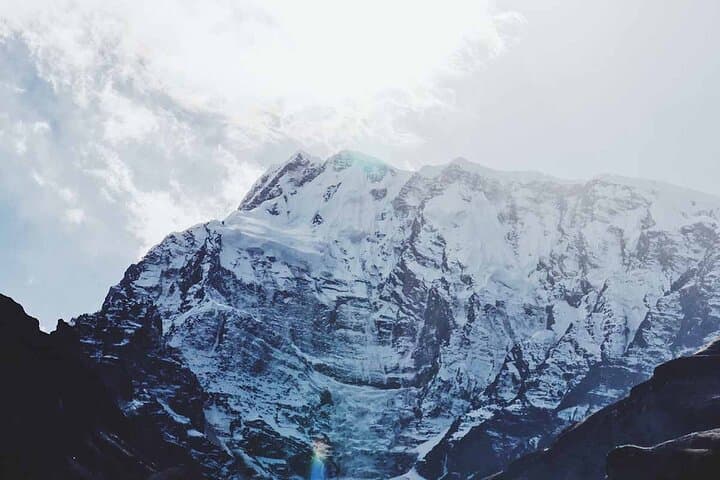
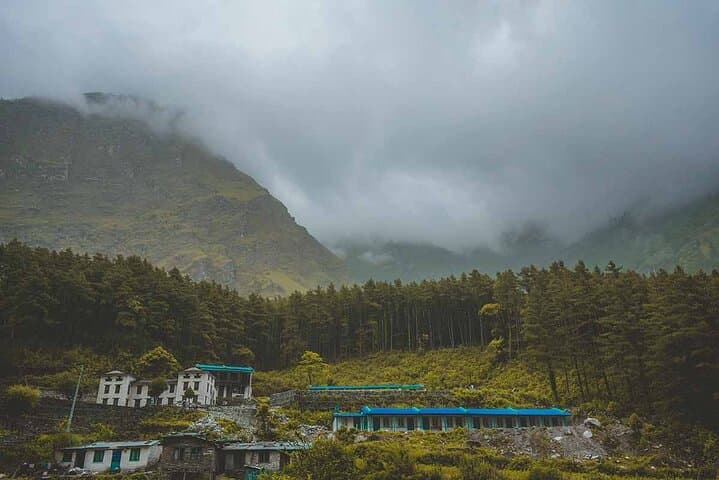
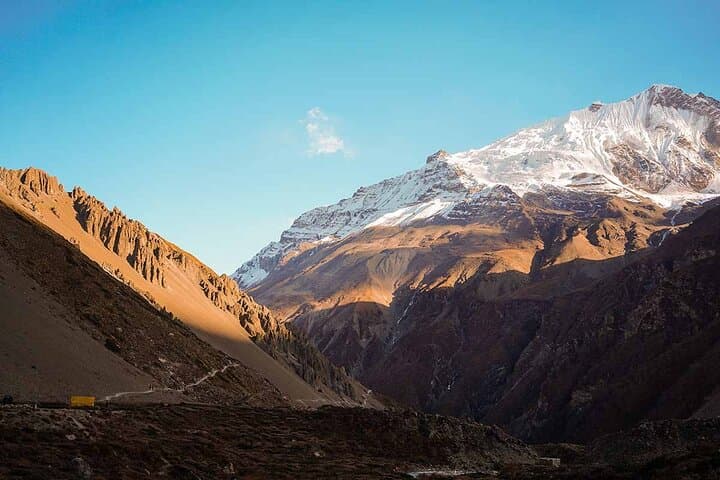
Dusty market stalls in Jiri fold away as the trail rises into rhododendron and pine. At first the path is the work of villagers and pack animals, then it tightens into switchbacks above glacial streams. Prayer flags appear on ridge-lines and the air thins; by the time you peer up at the Khumbu icefalls the landscape has altered from green terraces to scree and blue ice.
Dusty market stalls in Jiri fold away as the trail rises into rhododendron and pine. At first the path is the work of villagers and pack animals, then it tightens into switchbacks above glacial streams. Prayer flags appear on ridge-lines and the air thins; by the time you peer up at the Khumbu icefalls the landscape has altered from green terraces to scree and blue ice.
The Jiri-to-Everest route is the original overland gateway to Everest used before Lukla’s airstrip existed. Geologically, you cross young Himalayan suture zones—steep valley walls, moraines, and fast-moving rivers that trace the mountain-building forces at work. Culturally, Sherpa villages and Buddhist monasteries punctuate the ascent; mani stones and gompas mark both faith and safe passage.
Practical guidance is straightforward: plan for acclimatization and flexible days to reduce altitude sickness risk—Everest Base Camp sits around 5,364 m. Typical itineraries run about 24–28 days from Kathmandu (this offering lists 26), combining public bus or jeep to Jiri, weeks of teahouse trekking through changing vegetation zones, and a return flight from Lukla to Kathmandu. Expect basic overnight lodgings, full-board local meals on the trail, and the need to carry or hire warm layers for nights above 3,500 m.
Timing matters—spring and autumn bring the clearest views and busiest trails; winter is cold and quieter; summer monsoon routes are green but wet. Carry extra cash, a water-treatment method, and patience—the trail moves at the mountain’s pace.