THE ADVENTURE COLLECTIVE® · Independent discovery and booking for outdoor travel

A 16-day private expedition combining the classic Everest Base Camp trek with a technical summit of Island Peak (6,189 m). Expect teahouse nights, glacier travel, and a summit push that rewards climbers with sweeping Himalayan panoramas.
A 16-day private expedition combining the classic Everest Base Camp trek with a technical summit of Island Peak (6,189 m). Expect teahouse nights, glacier travel, and a summit push that rewards climbers with sweeping Himalayan panoramas.
You step out of the small Lukla airstrip into thin, bright air and a corridor of prayer flags—this is where the Himalayan climb begins. Over the next days the trail climbs through rhododendron forests, tea-house villages and glacial moraines, pushing altitude steadily from Lukla (2,840 m) toward Island Peak’s summit at 6,189 m.
Verified experiences and guided adventures in the surrounding area.
Operated by Outdoor Himalayan Treks P Ltd. · Chhukung, Province No. 1
You step out of the small Lukla airstrip into thin, bright air and a corridor of prayer flags—this is where the Himalayan climb begins. Over the next days the trail climbs through rhododendron forests, tea-house villages and glacial moraines, pushing altitude steadily from Lukla (2,840 m) toward Island Peak’s summit at 6,189 m.
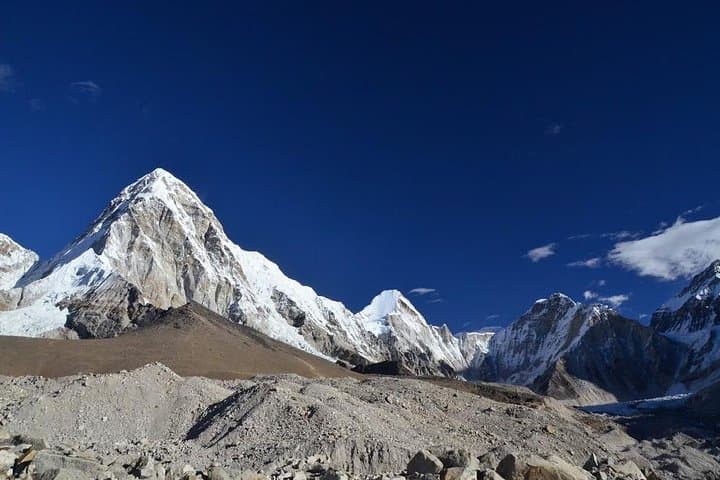
The route follows classic Khumbu ground: Namche Bazaar’s bustling trade routes and Tengboche’s monastery offer cultural pauses before the high-altitude work begins. Geologically this is young fold-and-thrust Himalayan range—steep ridges, moraine-strewn valleys and the blue-white grammar of glacier ice around Imja and Khumbu glaciers. Sherpa history threads the trip; long-standing mountaineering support culture shapes logistics, from porters to high-altitude climbing techniques.
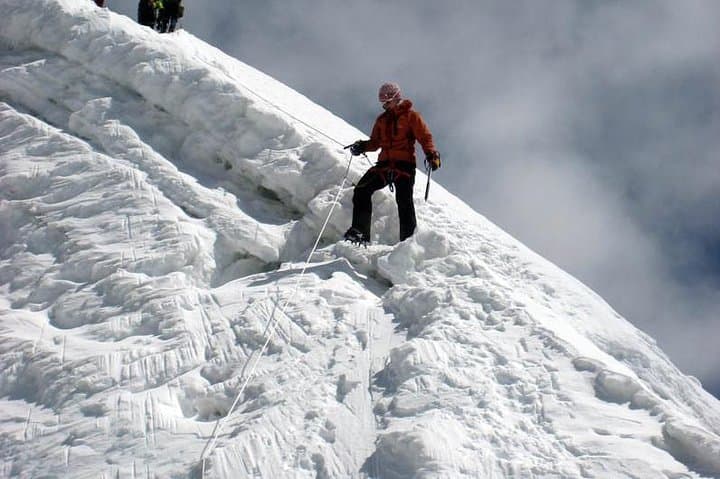
Practically, expect 12–16 days of trekking plus summit push days: typical nights in teahouses to 5,200 m, then tented high camps above 5,600 m. Technical climbing on Island Peak requires crampons, ice axe and fixed-rope sections; guides handle rope systems but climbers should be comfortable with basic rope and glacier travel. Weather windows in pre-monsoon (spring) and post-monsoon (autumn) are prime; whiteouts and strong winds are possible at 5,500 m and above.
Prepare with layered clothing, tested boots and a staged acclimatization plan. Hydrate early, monitor for altitude symptoms, and carry evacuation insurance and spare days for weather holds. The summit reward is panoramic Himalayan skyline—Everest, Lhotse, Makalu—earned through steady pacing, local knowledge and respect for high-altitude terrain.
challenging.
16 days.
Good aerobic fitness with prior multi-day trekking experience and ability to carry a daypack for 6–8 hours at altitude.
Pre-monsoon (late March–May) and post-monsoon (late September–November) offer the most stable windows for visibility and safer climbing conditions.
You should have prior multi-day trekking experience and basic familiarity with crampon and ice-axe use; guided trips train clients but comfort on snow and heights is necessary.
Climbers need Island Peak/Lalitpur special climbing permits, Sagarmatha National Park fees, and TIMS; operators usually arrange these as part of the package.
Operators use helicopter evacuation for serious altitude illness or injury; confirm insurance covers high-altitude helicopter rescue before departure.
The Khumbu has long been home to Sherpa communities whose trade and mountaineering expertise became integral to Himalayan exploration and modern expedition logistics.
Trail and waste management are ongoing issues—support local teahouses, pack out non-biodegradables where possible, and follow local rules for toilet and greywater disposal.
Outdoor Himalayan Treks P Ltd. operates guided outdoor trips and adventures with an emphasis on safety, stewardship, and memorable experiences.
You step out of the small Lukla airstrip into thin, bright air and a corridor of prayer flags—this is where the Himalayan climb begins. Over the next days the trail climbs through rhododendron forests, tea-house villages and glacial moraines, pushing altitude steadily from Lukla (2,840 m) toward Island Peak’s summit at 6,189 m.
You step out of the small Lukla airstrip into thin, bright air and a corridor of prayer flags—this is where the Himalayan climb begins. Over the next days the trail climbs through rhododendron forests, tea-house villages and glacial moraines, pushing altitude steadily from Lukla (2,840 m) toward Island Peak’s summit at 6,189 m.
The route follows classic Khumbu ground: Namche Bazaar’s bustling trade routes and Tengboche’s monastery offer cultural pauses before the high-altitude work begins. Geologically this is young fold-and-thrust Himalayan range—steep ridges, moraine-strewn valleys and the blue-white grammar of glacier ice around Imja and Khumbu glaciers. Sherpa history threads the trip; long-standing mountaineering support culture shapes logistics, from porters to high-altitude climbing techniques.
Practically, expect 12–16 days of trekking plus summit push days: typical nights in teahouses to 5,200 m, then tented high camps above 5,600 m. Technical climbing on Island Peak requires crampons, ice axe and fixed-rope sections; guides handle rope systems but climbers should be comfortable with basic rope and glacier travel. Weather windows in pre-monsoon (spring) and post-monsoon (autumn) are prime; whiteouts and strong winds are possible at 5,500 m and above.
Prepare with layered clothing, tested boots and a staged acclimatization plan. Hydrate early, monitor for altitude symptoms, and carry evacuation insurance and spare days for weather holds. The summit reward is panoramic Himalayan skyline—Everest, Lhotse, Makalu—earned through steady pacing, local knowledge and respect for high-altitude terrain.