THE ADVENTURE COLLECTIVE® · Independent discovery and booking for outdoor travel

A 3-week ascent of Island Peak blends high-altitude trekking through the Khumbu with a technical, rope-assisted summit day. This guide outlines what to expect on the trail, local context and the practical kit and skills you’ll need to reach the airy summit ridge.
A 3-week ascent of Island Peak blends high-altitude trekking through the Khumbu with a technical, rope-assisted summit day. This guide outlines what to expect on the trail, local context and the practical kit and skills you’ll need to reach the airy summit ridge.
The morning light on Imja Glacier hardens the snow into a bright, clean surface that seems to dare you forward; behind it, the angled face of Lhotse watches every step. Climbers begin in Kathmandu, thread the high, pine-lined villages of the Khumbu and arrive at Chhukung and Island Peak base camp, where the mountain’s compact, tooth-like summit comes into focus.
Verified experiences and guided adventures in the surrounding area.
Operated by Nepal Nomad Trekking · Chhukung, Solukhumbu
The morning light on Imja Glacier hardens the snow into a bright, clean surface that seems to dare you forward; behind it, the angled face of Lhotse watches every step. Climbers begin in Kathmandu, thread the high, pine-lined villages of the Khumbu and arrive at Chhukung and Island Peak base camp, where the mountain’s compact, tooth-like summit comes into focus.
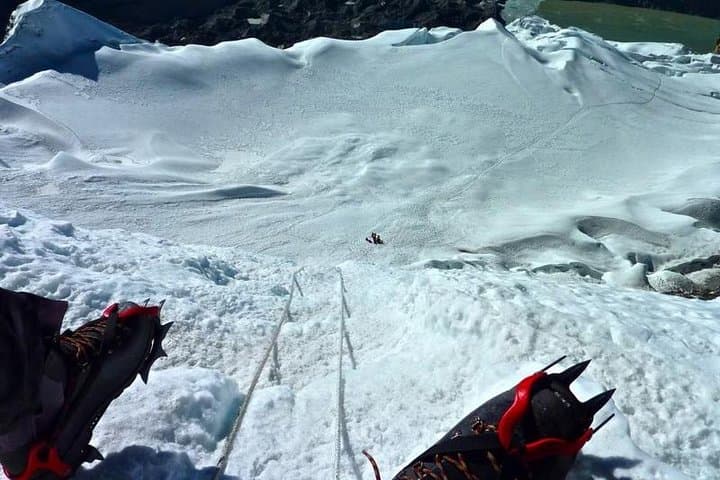
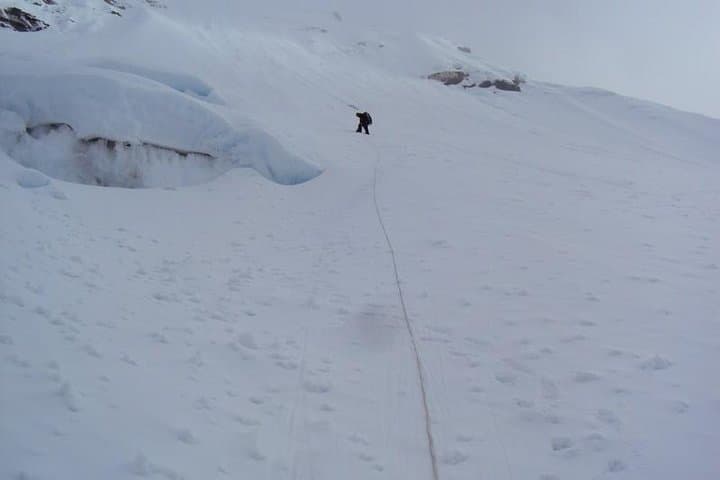
Island Peak (Imja Tse) sits on moraines and glaciers carved by the high Himalaya; the route mixes rocky gullies, easy-angled glacier travel and a steep, technical headwall where crampons and rope are mandatory. The Khumbu valley carries a long Sherpa trade history—tea houses, prayer flags and monasteries reflect a living mountaineering culture that grew alongside early Everest expeditions and the Lukla airstrip built during the 1960s.
Expect cold nights, thin air and sudden alpine weather shifts; glaciers creak and ice seracs loom like quiet machinery. The climb demands acclimatisation, patience on exposed ridge traverses and a measured rhythm on steep snow.
Practical guidance: prepare with multi-day altitude hikes, glacier-travel practice and a solid layering system; plan for a high-camp push from ~5,600 m with a spare summit day. Respect local porters and park rules—Sagarmatha National Park requires permits—and pack out all non-biodegradable waste. Footwear with rigid soles, proven crampon fit and simulated steep-snow practice will reduce risk. In short: the route is technically accessible for climbers with Alpine II experience, but the environment will test endurance and judgment every step of the way.
challenging.
3 weeks (≈20 days).
High aerobic fitness, multi-day trekking experience and prior high-altitude exposure; able to carry a 10–16 kg pack.
Yes—this route is graded Alpine 2B; prior glacier travel, crampon and rope-team experience is highly recommended or you should climb with certified guides who provide training.
Climbers need Sagarmatha National Park entry, a TIMS card and an Island Peak climbing permit issued through the Nepal Mountaineering Association or an operator.
Expect 6–10 hours round trip from high camp (~5,600 m) depending on conditions and group pace, with a spare summit day built into typical itineraries.
Pre-monsoon (April–May) and post-monsoon (September–November) offer the most reliable weather and firm alpine snow conditions for climbing.
The Khumbu has long been a Sherpa trade corridor; modern climbing infrastructure grew after mid-20th-century Everest expeditions and the construction of the Lukla airstrip.
Island Peak sits within Sagarmatha National Park—permits fund conservation, and climbers are urged to pack out waste and support local lodges employing sustainable practices.
Nepal Nomad Trekking operates guided outdoor trips and adventures with an emphasis on safety, stewardship, and memorable experiences.
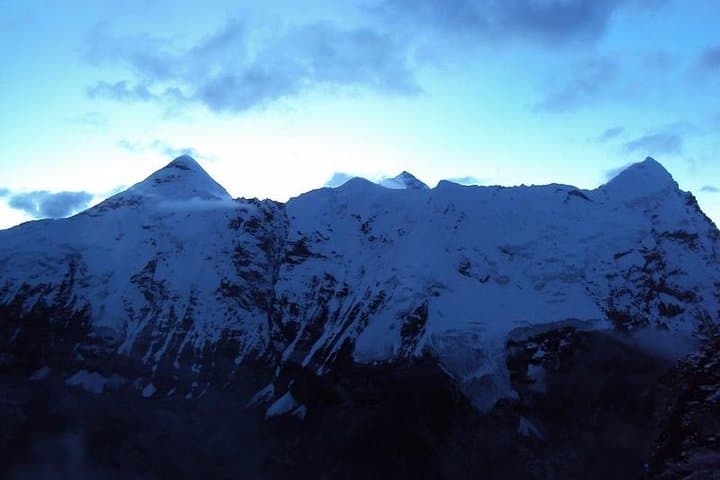
The morning light on Imja Glacier hardens the snow into a bright, clean surface that seems to dare you forward; behind it, the angled face of Lhotse watches every step. Climbers begin in Kathmandu, thread the high, pine-lined villages of the Khumbu and arrive at Chhukung and Island Peak base camp, where the mountain’s compact, tooth-like summit comes into focus.
The morning light on Imja Glacier hardens the snow into a bright, clean surface that seems to dare you forward; behind it, the angled face of Lhotse watches every step. Climbers begin in Kathmandu, thread the high, pine-lined villages of the Khumbu and arrive at Chhukung and Island Peak base camp, where the mountain’s compact, tooth-like summit comes into focus.
Island Peak (Imja Tse) sits on moraines and glaciers carved by the high Himalaya; the route mixes rocky gullies, easy-angled glacier travel and a steep, technical headwall where crampons and rope are mandatory. The Khumbu valley carries a long Sherpa trade history—tea houses, prayer flags and monasteries reflect a living mountaineering culture that grew alongside early Everest expeditions and the Lukla airstrip built during the 1960s.
Expect cold nights, thin air and sudden alpine weather shifts; glaciers creak and ice seracs loom like quiet machinery. The climb demands acclimatisation, patience on exposed ridge traverses and a measured rhythm on steep snow.
Practical guidance: prepare with multi-day altitude hikes, glacier-travel practice and a solid layering system; plan for a high-camp push from ~5,600 m with a spare summit day. Respect local porters and park rules—Sagarmatha National Park requires permits—and pack out all non-biodegradable waste. Footwear with rigid soles, proven crampon fit and simulated steep-snow practice will reduce risk. In short: the route is technically accessible for climbers with Alpine II experience, but the environment will test endurance and judgment every step of the way.