THE ADVENTURE COLLECTIVE® · Independent discovery and booking for outdoor travel

A full South Col expedition that moves from Kathmandu to Everest’s summit over a 55–60 day itinerary. Expect technical glacier travel, Sherpa-guided rope work and careful, staged acclimatization.
A full South Col expedition that moves from Kathmandu to Everest’s summit over a 55–60 day itinerary. Expect technical glacier travel, Sherpa-guided rope work and careful, staged acclimatization.
The wind at 5,300 meters cuts like a question: keep moving or dig in for the night. On the south-side Everest expedition you cross lowland green into a high alpine world where glaciers creak and prayer flags whistle the route north toward the summit.
Verified experiences and guided adventures in the surrounding area.
Operated by Monterosa Treks and Expedition- kailash Tour package · Kathmandu, Bagmati Province
The wind at 5,300 meters cuts like a question: keep moving or dig in for the night. On the south-side Everest expedition you cross lowland green into a high alpine world where glaciers creak and prayer flags whistle the route north toward the summit.
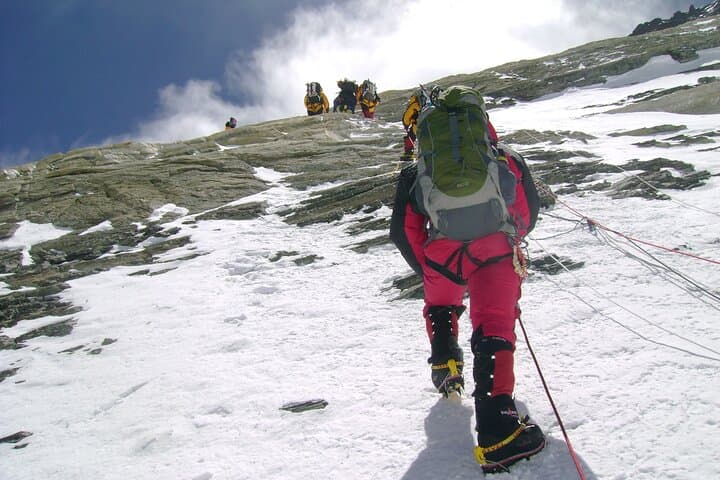
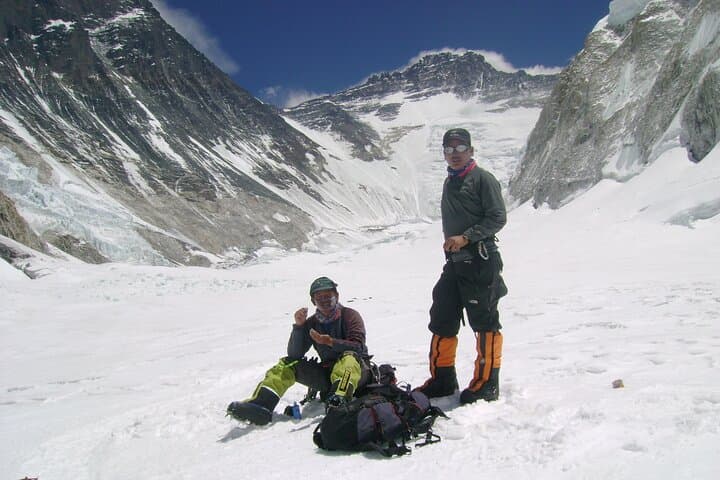
This climb follows the classic South Col line through Sagarmatha National Park, a UNESCO-protected landscape carved by tectonic uplift and glacial sculpting. The route threads Khumbu Icefall, Western Cwm and the Lhotse face, passing villages shaped by Sherpa culture and centuries of Himalayan trade. Historic footnotes are plain here: Sir Edmund Hillary and Tenzing Norgay’s 1953 ascent transformed local mountaineering economies and deepened the Sherpa role as high-altitude partners.
Expect austere geology—stratified metamorphic rocks, seracs, and wind-polished ridgelines—and a living edge of rhododendron forest below Namche Bazaar that gives way to moraine and ice. Local insights: Kalapathar offers one of the clearest sunset vantage points for Everest’s profile; Tengboche monastery is a cultural barometer of the Khumbu.
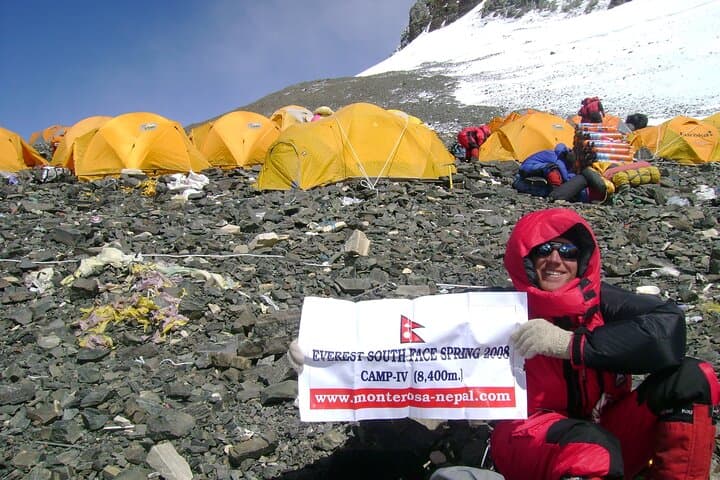
Practically, this is an expedition: 55–60 days including acclimatization, technical sections requiring fixed ropes, and mandatory permits. Travel from Kathmandu to Lukla by small aircraft, then trek through Namche, Pheriche and Lobuche to base camp. Carry layered insulation, practice rope and crevasse-rescue skills beforehand, and plan for daily altitude adjustments. Supplemental oxygen, experienced Sherpa guides and careful packing lists are mission-critical. Weather windows are narrow; patience and conservative summit pushes protect lives and the mountain.
expert.
55–60 days.
Very high cardiovascular and endurance fitness; prior high-altitude experience and multi-day expedition conditioning required
Yes—this expedition includes the official Everest south-side climbing permit as listed in the inclusions.
You receive one climbing Sherpa per climber for summit rotations plus logistics support and fixed ropes in key sections.
Lukla flights are weather-dependent; cancellations are common and schedules can shift—plan buffer days.
Yes—lodges and full board on the trek and expedition camp support are included as described in the itinerary.
Mount Everest’s first recorded summit was in 1953 by Sir Edmund Hillary and Tenzing Norgay; the route and local economy have long centered on Sherpa guiding traditions.
Sagarmatha National Park manages permits and waste regulations—expeditions must follow strict waste disposal and fuel protocols to protect fragile alpine ecosystems.
Monterosa Treks and Expedition- kailash Tour package operates guided outdoor trips and adventures with an emphasis on safety, stewardship, and memorable experiences.
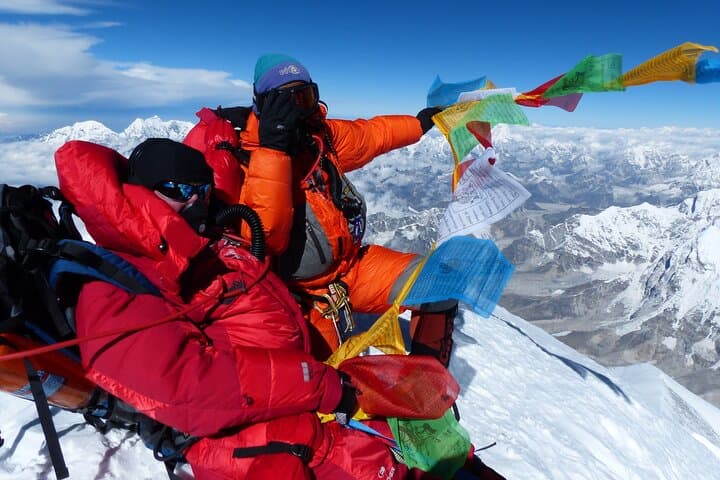
The wind at 5,300 meters cuts like a question: keep moving or dig in for the night. On the south-side Everest expedition you cross lowland green into a high alpine world where glaciers creak and prayer flags whistle the route north toward the summit.
The wind at 5,300 meters cuts like a question: keep moving or dig in for the night. On the south-side Everest expedition you cross lowland green into a high alpine world where glaciers creak and prayer flags whistle the route north toward the summit.
This climb follows the classic South Col line through Sagarmatha National Park, a UNESCO-protected landscape carved by tectonic uplift and glacial sculpting. The route threads Khumbu Icefall, Western Cwm and the Lhotse face, passing villages shaped by Sherpa culture and centuries of Himalayan trade. Historic footnotes are plain here: Sir Edmund Hillary and Tenzing Norgay’s 1953 ascent transformed local mountaineering economies and deepened the Sherpa role as high-altitude partners.
Expect austere geology—stratified metamorphic rocks, seracs, and wind-polished ridgelines—and a living edge of rhododendron forest below Namche Bazaar that gives way to moraine and ice. Local insights: Kalapathar offers one of the clearest sunset vantage points for Everest’s profile; Tengboche monastery is a cultural barometer of the Khumbu.
Practically, this is an expedition: 55–60 days including acclimatization, technical sections requiring fixed ropes, and mandatory permits. Travel from Kathmandu to Lukla by small aircraft, then trek through Namche, Pheriche and Lobuche to base camp. Carry layered insulation, practice rope and crevasse-rescue skills beforehand, and plan for daily altitude adjustments. Supplemental oxygen, experienced Sherpa guides and careful packing lists are mission-critical. Weather windows are narrow; patience and conservative summit pushes protect lives and the mountain.