THE ADVENTURE COLLECTIVE® · Independent discovery and booking for outdoor travel

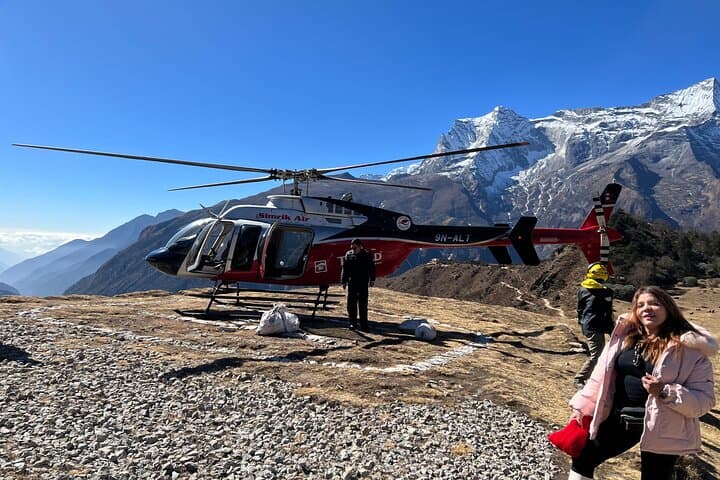
Complete the classic Everest Base Camp route in 11 days with a helicopter return from Kalapatthar. This itinerary balances acclimatization and high-altitude exposure with lodge stays, culminating in sweeping summit views and a time-saving heli transfer back to Kathmandu.
Complete the classic Everest Base Camp route in 11 days with a helicopter return from Kalapatthar. This itinerary balances acclimatization and high-altitude exposure with lodge stays, culminating in sweeping summit views and a time-saving heli transfer back to Kathmandu.
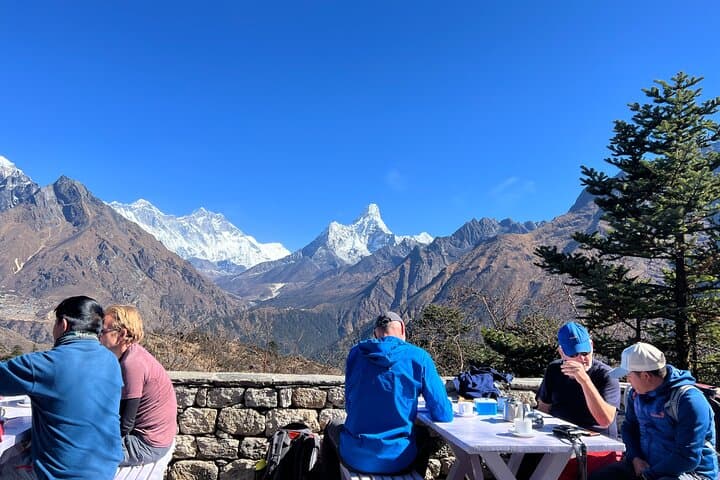
The first light on the Khumbu draws a thin gold line across valley ridges as trekkers step off the dusty runway in Lukla and head for the trail. Pine-scented switchbacks give way to stone-paved yak tracks, and every upward stride feels measured against the rhythm of the thin air. By the time the route reaches Gorakshep and the black rock of Kalapatthar, Everest itself fills the horizon like a blunt, white knife.
Verified experiences and guided adventures in the surrounding area.
Operated by Himalayan Adventure Treks and Tours Pvt Ltd · Kathmandu, Bagmati Province
The first light on the Khumbu draws a thin gold line across valley ridges as trekkers step off the dusty runway in Lukla and head for the trail. Pine-scented switchbacks give way to stone-paved yak tracks, and every upward stride feels measured against the rhythm of the thin air. By the time the route reaches Gorakshep and the black rock of Kalapatthar, Everest itself fills the horizon like a blunt, white knife.
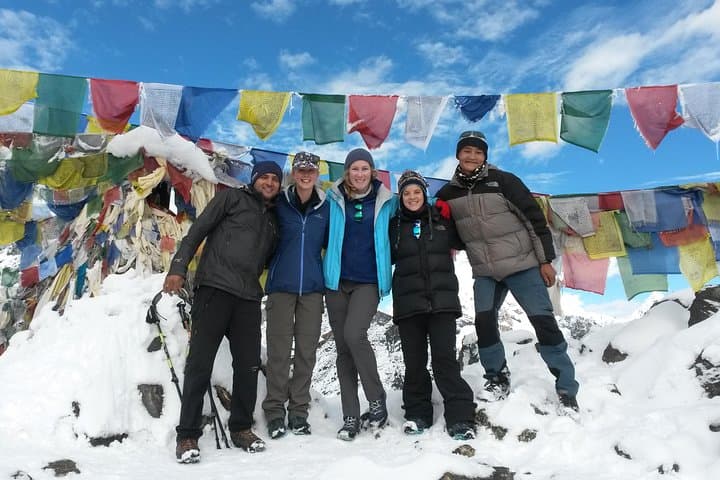
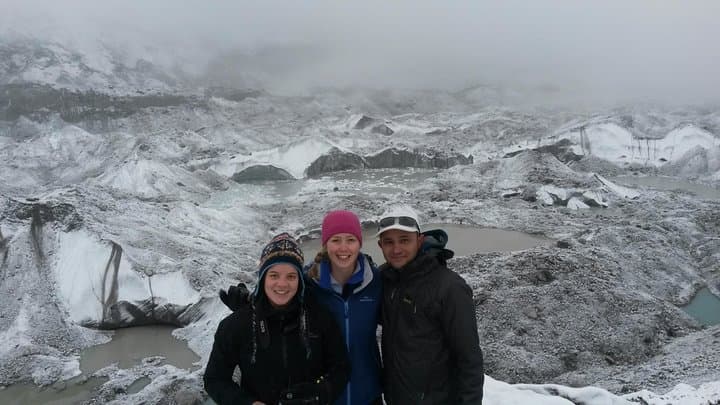
This route follows the classic Sherpa corridor: Lukla, Namche Bazaar, Tengboche monastery, Dingboche and Lobuche before the final push to Everest Base Camp and Kalapatthar. Geologically the trail traces young Himalaya uplift—gneiss and schist outcrops, glacial moraines and the ever-present Khumbu Glacier that carved the valley. Culturally the region is Sherpa country; Tengboche’s monastery and prayer flags mark centuries of Himalayan Buddhism and mountaineering history.
Practical guidance: allow the itinerary’s acclimatization days to work—Namche and Dingboche are deliberate pauses. Expect daily walking of 4–7 hours over rocky, occasionally icy terrain; altitudes top out above 5,500 m at Kalapatthar. Hydrate steadily, eat calories, and monitor for acute mountain sickness; a helicopter return provides a reliable evacuation window if needed.
Timing matters—clear mornings reward summit views, while afternoons often cloud in. Lodges on this trail are basic but serviceable: private rooms, shared bathrooms, hot water at a cost. Packing for layering, sun protection, and quality boots will shape comfort more than luxury. The helicopter exit converts a two-week loop into an 11-day high-altitude journey—intense, exposed, and singularly memorable.
challenging.
11 days.
Good aerobic fitness: able to hike 4–7 hours per day on uneven terrain and tolerate multiple consecutive high-altitude days.
The helicopter return is scheduled but weather-dependent; operators prioritize safety and may delay or rebook flights during poor conditions.
No formal experience is required, but prior multi-day trekking and good cardiovascular fitness significantly improve comfort and safety.
Pre-monsoon (March–May) and post-monsoon (late September–November) offer the most stable weather and best summit visibility.
Lodges generally offer private single or twin rooms where available, but facilities are basic and hot water or charging may cost extra.
The Khumbu valley is home to the Sherpa community and formed a key approach for early Everest expeditions; Tengboche Monastery played a central cultural role for climbers and locals alike.
Visitor pressure has led to waste-management initiatives and controlled trekking permits (TIMS, Khumbu fee); stick to marked trails and minimize single-use plastics.
Himalayan Adventure Treks and Tours Pvt Ltd operates guided outdoor trips and adventures with an emphasis on safety, stewardship, and memorable experiences.
The first light on the Khumbu draws a thin gold line across valley ridges as trekkers step off the dusty runway in Lukla and head for the trail. Pine-scented switchbacks give way to stone-paved yak tracks, and every upward stride feels measured against the rhythm of the thin air. By the time the route reaches Gorakshep and the black rock of Kalapatthar, Everest itself fills the horizon like a blunt, white knife.
The first light on the Khumbu draws a thin gold line across valley ridges as trekkers step off the dusty runway in Lukla and head for the trail. Pine-scented switchbacks give way to stone-paved yak tracks, and every upward stride feels measured against the rhythm of the thin air. By the time the route reaches Gorakshep and the black rock of Kalapatthar, Everest itself fills the horizon like a blunt, white knife.
This route follows the classic Sherpa corridor: Lukla, Namche Bazaar, Tengboche monastery, Dingboche and Lobuche before the final push to Everest Base Camp and Kalapatthar. Geologically the trail traces young Himalaya uplift—gneiss and schist outcrops, glacial moraines and the ever-present Khumbu Glacier that carved the valley. Culturally the region is Sherpa country; Tengboche’s monastery and prayer flags mark centuries of Himalayan Buddhism and mountaineering history.
Practical guidance: allow the itinerary’s acclimatization days to work—Namche and Dingboche are deliberate pauses. Expect daily walking of 4–7 hours over rocky, occasionally icy terrain; altitudes top out above 5,500 m at Kalapatthar. Hydrate steadily, eat calories, and monitor for acute mountain sickness; a helicopter return provides a reliable evacuation window if needed.
Timing matters—clear mornings reward summit views, while afternoons often cloud in. Lodges on this trail are basic but serviceable: private rooms, shared bathrooms, hot water at a cost. Packing for layering, sun protection, and quality boots will shape comfort more than luxury. The helicopter exit converts a two-week loop into an 11-day high-altitude journey—intense, exposed, and singularly memorable.