About this landmark
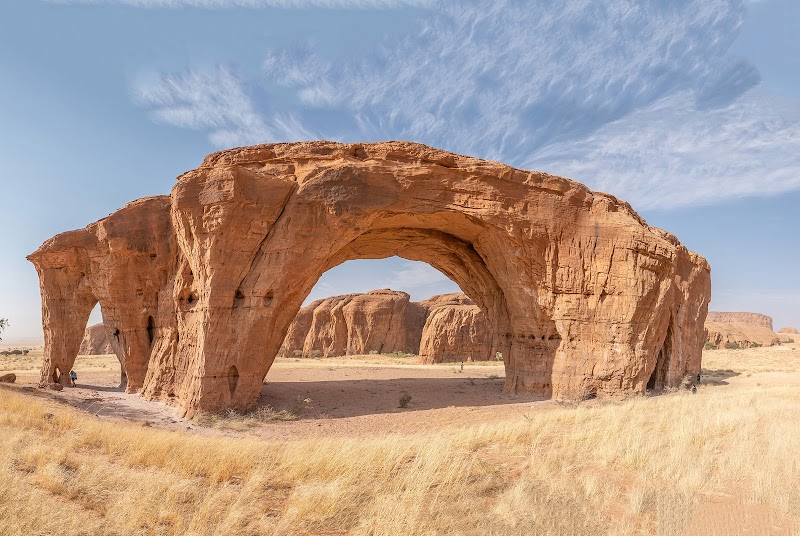
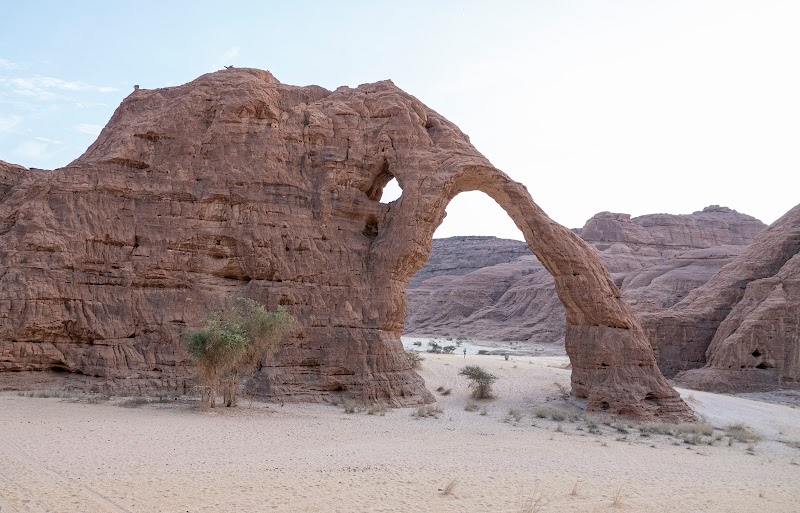
Elephant Rock Formation at Ennedi Massif, Chad
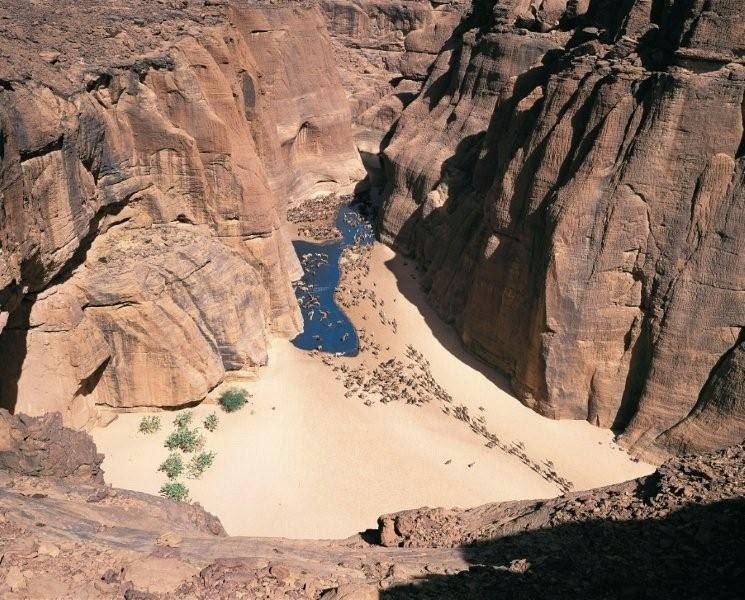
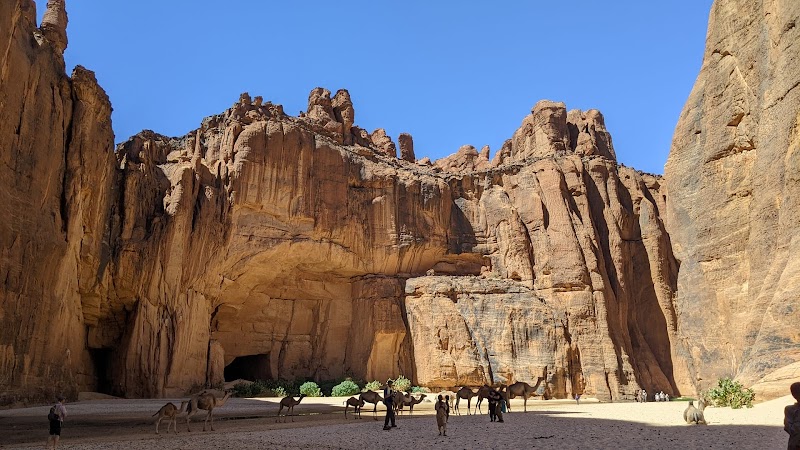
The Elephant Rock Formation is a captivating natural wonder nestled within the Ennedi Massif, a UNESCO World Heritage Site in Chad. This geological marvel, resembling a majestic elephant, is a testament to the natural forces that have sculpted the dramatic landscapes of the Sahara Desert. Adorned with an array of rock formations, towering arches, and breathtaking cliffs, the area offers a glimpse into the rich geological history of the region. Its striking appearance, coupled with the expansive desert backdrop, provides a unique visual spectacle.
Beyond its impressive beauty, the Ennedi Massif is home to ancient rock art, depicting the lives and stories of the region's earliest inhabitants. These chronicles, etched into stone, highlight both the historical and cultural significance of this remote region. Visitors are drawn to its serenity and the allure of experiencing a landscape untouched by time.
Embark on a journey to witness the majestic Elephant Rock Formation, where the natural world unfolds in all its unadulterated glory—a site that promises to leave an indelible print on your memory.
Adventure Guide to Elephant Rock Formation at Ennedi Massif
Sahara Trekking Adventure
- What Makes It Special: Traverse the Sahara Desert, following ancient nomadic routes to witness the awe-inspiring landscapes of the Ennedi Massif.
- Key Features: Expansive sand dunes, rugged cliffs, and historic rock art.
- Local Insights: Discover ancient petroglyphs and paintings that offer a glimpse into the lives of early desert dwellers.
- Visitor Tips: Best visited in winter; bring ample water, sunscreen, and sturdy hiking boots. Accessible via Faya-Largeau, with a 5–7 hour drive.
Rock Climbing Exploration
- What Makes It Special: The towering rock formations provide challenging climbs for adventurers.
- Key Features: Unique arches and rock towers.
- Local Insights: Engage with local guides familiar with the terrain and safety.
- Visitor Tips: Optimal climbing season is November to February. Bring climbing gear and check permits beforehand.
Desert Wildlife Observation
- What Makes It Special: Spot native desert fauna unique to the Sahara.
- Key Features: Diverse species, including Barbary sheep and gazelles.
- Local Insights: Gain insights into local conservation efforts to protect desert wildlife.
- Visitor Tips: Early mornings or late afternoons offer the best chances for sightings. Binoculars and patience are essential.
Visitor Tips
- Best Times:Winter for favorable conditions and optimal lighting.
- What to Bring:Plenty of water, sun protection, a camera, and respectful Leave-No-Trace mindset.