THE ADVENTURE COLLECTIVE® · Independent discovery and booking for outdoor travel

A compact, logistics-light loop from Cairo that pairs Abu Simbel’s monumental rock temples with Luxor’s Karnak, Valley of the Kings and Hatshepsut. Perfect for travelers who want maximum pharaonic impact in two days.
A compact, logistics-light loop from Cairo that pairs Abu Simbel’s monumental rock temples with Luxor’s Karnak, Valley of the Kings and Hatshepsut. Perfect for travelers who want maximum pharaonic impact in two days.
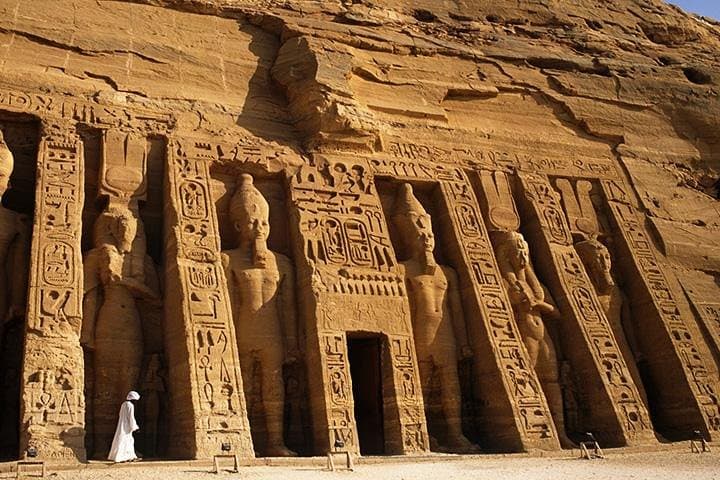
You step off a short domestic flight into the dry, bright air of Upper Egypt and the rock face of history meets you: four colossal seated figures stare out of the Sinai-orange sandstone at Abu Simbel while the river below keeps its slow, patient watch.
Verified experiences and guided adventures in the surrounding area.
Operated by Dahab Safari Day Tours · Abu Simbel, Aswan Governorate
You step off a short domestic flight into the dry, bright air of Upper Egypt and the rock face of history meets you: four colossal seated figures stare out of the Sinai-orange sandstone at Abu Simbel while the river below keeps its slow, patient watch.
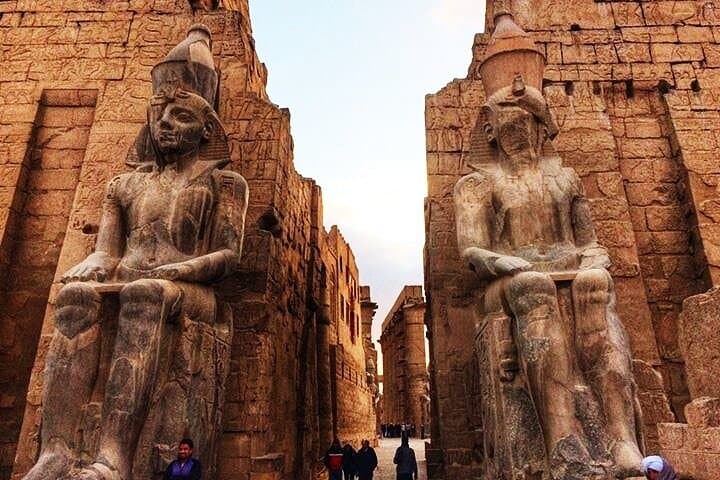
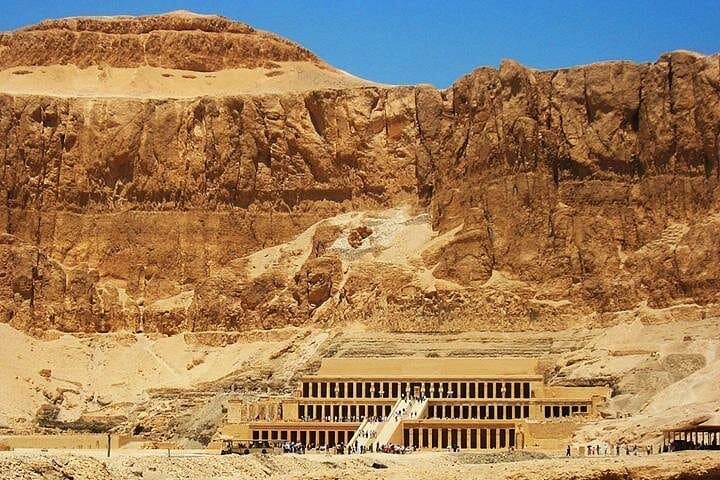
This two-day loop pairs the relocated greatness of Abu Simbel with Luxor’s stacked layers of pharaonic power. Abu Simbel—carved for Ramesses II and rescued from the rising Nile in the 1960s—still holds the theatrical precision of New Kingdom statecraft. In Luxor, Karnak’s Hypostyle Hall reads like an ancient forest of stone pillars, while the West Bank’s Valley of the Kings pins the afterlife plans of pharaohs into desert bedrock. Hatshepsut’s terraced mortuary temple cuts a calm, architectural line into the cliff, and the Colossi of Memnon stand like tired guards beside the Nile floodplain.
Expect early departures, a private bus transfer, and short domestic flights woven into the schedule; guides handle most logistics so you can focus on the sites. Temperatures climb quickly—sun and sand shape the day—so pacing is practical: mornings for open-air temples, mid-day for shade, late afternoon for museum stops or shopping in Luxor’s markets.
Practical tips: wear sturdy, breathable walking shoes for uneven tomb steps, carry 2–3 liters of water and sunscreen, and bring a light layer for air-conditioned interiors or evening flights. Culture and conservation go together here—follow pathways, avoid flash photography where restricted, and tip local guides for insight that turns carved stones into stories.
easy.
48 hours (2 days).
Suitable for most fitness levels; must be able to walk on uneven ground and climb short stairways in tombs and temples.
This itinerary includes the domestic flights (Cairo–Aswan and Luxor–Cairo) and the listed admissions; confirm specifics with the operator at booking.
Yes — the tour is listed as suitable for all fitness levels, but expect walking, stairs in tombs, and travel days; plan extra assistance or slower pacing if needed.
Visits include moderate walking on uneven ground and steps inside tombs and temples; most stops have short stairs rather than long ascents.
Bring a camera with fresh batteries and extra memory; respect no-flash rules inside tombs and follow site signage about restricted photography.
Abu Simbel was carved by order of Ramesses II in the 13th century BCE and was famously relocated in the 1960s to save it from the Aswan High Dam reservoir; Karnak represents continuous construction across many pharaonic dynasties.
The sites face heavy visitor pressure and fragile surfaces; stick to designated paths, avoid touching reliefs, and support local conservation through responsible tourism practices.
Dahab Safari Day Tours operates guided outdoor trips and adventures with an emphasis on safety, stewardship, and memorable experiences.

You step off a short domestic flight into the dry, bright air of Upper Egypt and the rock face of history meets you: four colossal seated figures stare out of the Sinai-orange sandstone at Abu Simbel while the river below keeps its slow, patient watch.
You step off a short domestic flight into the dry, bright air of Upper Egypt and the rock face of history meets you: four colossal seated figures stare out of the Sinai-orange sandstone at Abu Simbel while the river below keeps its slow, patient watch.
This two-day loop pairs the relocated greatness of Abu Simbel with Luxor’s stacked layers of pharaonic power. Abu Simbel—carved for Ramesses II and rescued from the rising Nile in the 1960s—still holds the theatrical precision of New Kingdom statecraft. In Luxor, Karnak’s Hypostyle Hall reads like an ancient forest of stone pillars, while the West Bank’s Valley of the Kings pins the afterlife plans of pharaohs into desert bedrock. Hatshepsut’s terraced mortuary temple cuts a calm, architectural line into the cliff, and the Colossi of Memnon stand like tired guards beside the Nile floodplain.
Expect early departures, a private bus transfer, and short domestic flights woven into the schedule; guides handle most logistics so you can focus on the sites. Temperatures climb quickly—sun and sand shape the day—so pacing is practical: mornings for open-air temples, mid-day for shade, late afternoon for museum stops or shopping in Luxor’s markets.
Practical tips: wear sturdy, breathable walking shoes for uneven tomb steps, carry 2–3 liters of water and sunscreen, and bring a light layer for air-conditioned interiors or evening flights. Culture and conservation go together here—follow pathways, avoid flash photography where restricted, and tip local guides for insight that turns carved stones into stories.