THE ADVENTURE COLLECTIVE® · Independent discovery and booking for outdoor travel

Experience close, vehicle-based safaris in Zakouma National Park, where dry-season waterholes focus elephants, lions, buffalo and abundant birds. This multi-day trip from N'Djamena via Mongo offers guided drives, simple camp bungalows, and concentrated wildlife viewing.
Experience close, vehicle-based safaris in Zakouma National Park, where dry-season waterholes focus elephants, lions, buffalo and abundant birds. This multi-day trip from N'Djamena via Mongo offers guided drives, simple camp bungalows, and concentrated wildlife viewing.
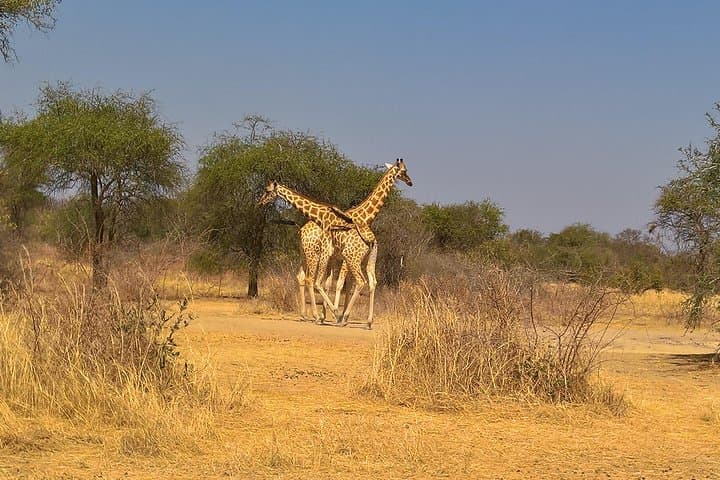
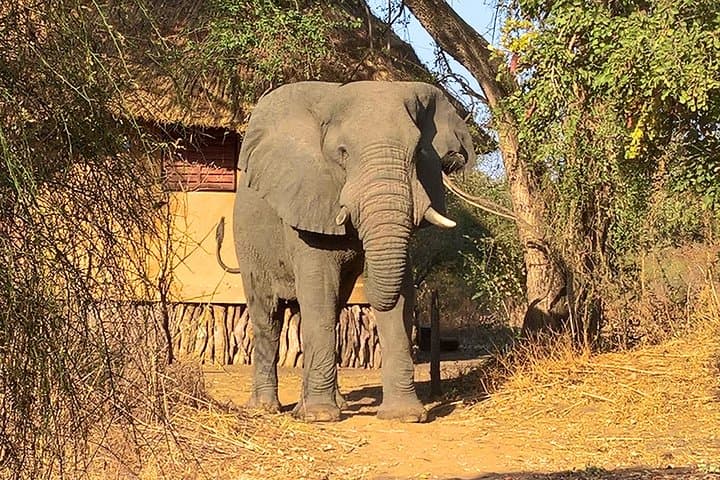
Dust rises along the rutted track as your vehicle slips away from Mongo and the scrub opens into broad grass plains. Early light fingers across waterholes; a bull elephant lumbers out of tall grass as a band of kob flicks toward the reed beds. In Zakouma, wildlife sets the pace and waterholes write the daily itinerary.
Verified experiences and guided adventures in the surrounding area.
Operated by Eyte Voyages Tchad · Mongo, Salamat
Dust rises along the rutted track as your vehicle slips away from Mongo and the scrub opens into broad grass plains. Early light fingers across waterholes; a bull elephant lumbers out of tall grass as a band of kob flicks toward the reed beds. In Zakouma, wildlife sets the pace and waterholes write the daily itinerary.
Zakouma National Park sits in southeastern Chad within the Salamat region, protected since the 1960s and reborn over the last two decades through dedicated anti-poaching and management efforts. The park’s geology is flat savanna punctuated by seasonal ponds carved in alluvial soils—habitat that concentrates game and birdlife during the dry months.
Local communities around Mongo and Am Timan have long cultural ties to the land; livestock grazing and pastoral rhythms still meet the rhythms of the park at its edges. Guides here read the landscape the way a navigator reads stars: spoor, water levels, and the behavior of grazing herds point to what’s next.
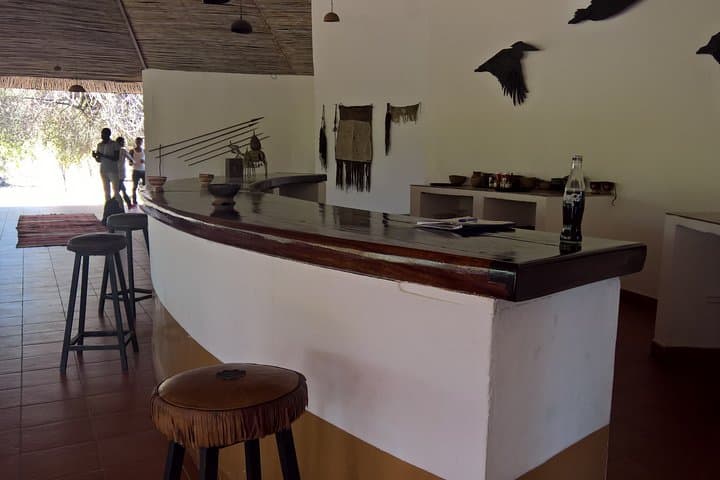
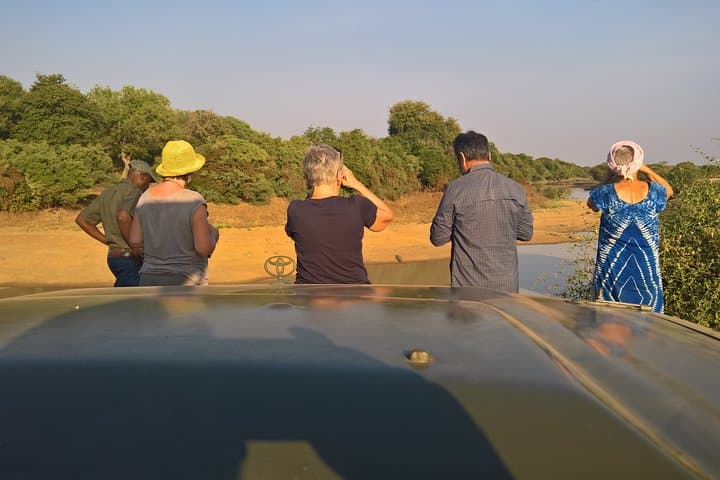
Practical guidance: the best window for consistent sightings is the dry season (roughly December–April) when animals gather at shrinking waterholes. Expect long drives on unpaved tracks, early morning and late-afternoon game drives, and simple but comfortable camp or bungalow accommodation at Campement Tinga. Bring layered sun protection, reliable insect repellent, a quality pair of binoculars, and photocopies of travel documents. Hydrate before and during drives; temperatures climb fast and shade is sparse.
Zakouma is not a luxury lodge circuit—it’s a remote, vehicle-based safari where patience pays off and the landscape still dares you to notice the small details as much as the big cats.
easy.
7 days.
Basic mobility and the ability to manage long vehicle days; minimal walking required but expect uneven ground for short walks.
The dry season—roughly December through mid-April—offers the most reliable wildlife viewing as animals concentrate at remaining waterholes.
Most itineraries start in N’Djamena with long overland transfers via Mongo or Am Timan; expect full days of driving on unpaved roads to reach Campement Tinga.
Yes—drives are vehicle-based and physically undemanding, though long days and rough roads mean consideration for very young children or those with cardiovascular issues.
Up-to-date routine vaccines, antimalarial prophylaxis, and standard travel health precautions are strongly recommended; carry a basic first-aid kit and any personal medications.
Zakouma was designated a national park in the 1960s and has seen major recovery efforts in recent decades after past pressures from poaching and habitat loss.
Ongoing conservation projects focus on anti-poaching patrols and community partnerships; visitors support local economies and conservation when they follow park rules and respect wildlife.
Eyte Voyages Tchad operates guided outdoor trips and adventures with an emphasis on safety, stewardship, and memorable experiences.
Dust rises along the rutted track as your vehicle slips away from Mongo and the scrub opens into broad grass plains. Early light fingers across waterholes; a bull elephant lumbers out of tall grass as a band of kob flicks toward the reed beds. In Zakouma, wildlife sets the pace and waterholes write the daily itinerary.
Dust rises along the rutted track as your vehicle slips away from Mongo and the scrub opens into broad grass plains. Early light fingers across waterholes; a bull elephant lumbers out of tall grass as a band of kob flicks toward the reed beds. In Zakouma, wildlife sets the pace and waterholes write the daily itinerary.
Zakouma National Park sits in southeastern Chad within the Salamat region, protected since the 1960s and reborn over the last two decades through dedicated anti-poaching and management efforts. The park’s geology is flat savanna punctuated by seasonal ponds carved in alluvial soils—habitat that concentrates game and birdlife during the dry months.
Local communities around Mongo and Am Timan have long cultural ties to the land; livestock grazing and pastoral rhythms still meet the rhythms of the park at its edges. Guides here read the landscape the way a navigator reads stars: spoor, water levels, and the behavior of grazing herds point to what’s next.
Practical guidance: the best window for consistent sightings is the dry season (roughly December–April) when animals gather at shrinking waterholes. Expect long drives on unpaved tracks, early morning and late-afternoon game drives, and simple but comfortable camp or bungalow accommodation at Campement Tinga. Bring layered sun protection, reliable insect repellent, a quality pair of binoculars, and photocopies of travel documents. Hydrate before and during drives; temperatures climb fast and shade is sparse.
Zakouma is not a luxury lodge circuit—it’s a remote, vehicle-based safari where patience pays off and the landscape still dares you to notice the small details as much as the big cats.